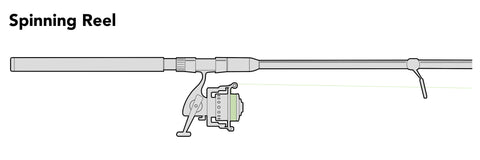
Are you ready to spend more time fishing and less time struggling with your gear? Knowing how to put fishing line on a reel the right way can make all the difference in your fishing experience.
If you’ve ever felt frustrated when your line gets tangled or slips off, this guide is made just for you. Step by step, you’ll learn an easy, foolproof method to spool your reel like a pro—even if you’re a complete beginner.
Keep reading, and soon you’ll be casting with confidence and landing more fish!
Choosing The Right Fishing Line
Choosing the right fishing line is important for a good fishing experience. It helps you catch fish without breaking or tangling.
There are different types of fishing lines. Each type works best in certain situations and for different fish.
Types Of Fishing Lines
Fishing lines come in three main types: monofilament, fluorocarbon, and braided. Each has strengths and weaknesses.
- Monofilament:Soft and easy to handle. Good for beginners.
- Fluorocarbon:Almost invisible in water. Great for clear water fishing.
- Braided:Very strong and thin. Works well for heavy fish and rough areas.
Line Strength And Thickness
Line strength is measured in pounds. It shows how much weight the line can hold before breaking.
| Line Strength (lbs) | Common Use | Line Thickness |
| 2-6 | Small fish like trout | Thin |
| 8-12 | Medium fish like bass | Medium |
| 15-30 | Large fish like pike | Thick |
Selecting Line For Different Fish
Match your fishing line to the fish you want to catch. Use lighter lines for small fish and stronger lines for big fish.
- Use 2-6 lbs line for small fish like panfish.
- Choose 8-12 lbs line for medium fish like bass or walleye.
- Pick 15-30 lbs line for large fish like catfish or pike.
Preparing Your Reel
Before you put fishing line on a reel, you need to prepare your reel. Proper preparation ensures smooth fishing and extends the life of your equipment.
Follow these simple steps to get your reel ready for action. Start by cleaning and checking essential parts to ensure everything works well.
Cleaning The Reel
Keeping your reel clean is important for a smooth fishing experience. Dirt and salt can damage your reel over time.
Use a soft cloth to wipe down the reel. Make sure to remove any debris or saltwater residue.
Checking The Spool
The spool holds your fishing line. It is important to check it for any cracks or damage before use.
Spin the spool to ensure it moves smoothly. If it feels rough, clean it again or consider a replacement.
Setting The Drag
Drag helps control the tension on your line when a fish bites. Adjusting it correctly is important for successful fishing.
Turn the drag knob to set the resistance. Make sure it is tight enough to hold the fish but loose enough to prevent line breakage.
- Too tight drag may break the line
- Too loose drag may let fish escape
- Test drag with a light pull
Attaching The Line To The Reel
Putting fishing line on your reel is a key step before casting. You need to attach the line carefully for smooth fishing.
This guide will help you attach the line to the reel in three clear parts. Follow each part to get started right.
Threading The Line
First, pull the line from your spool. Pass the line through the reel’s guide rings. Then, thread the line through the spool’s center hole.
Tying The Knot
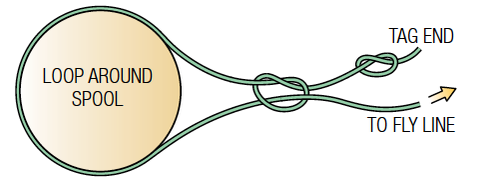
Use a strong knot to hold the line on the reel spool. The Arbor knot is simple and works well for beginners.
- Wrap the line around the spool.
- Tie an overhand knot near the spool.
- Tie a second overhand knot on the tag end.
- Pull both knots tight and slide them to the spool.
- Trim the extra line close to the knot.
Securing The Line
After tying the knot, hold the line tight. Turn the reel handle slowly to wind the line evenly. Keep tension so the line stays straight.
| Tip | Why It Helps |
|---|---|
| Keep line tight while winding | Prevents tangles and loose loops |
| Check line placement often | Keeps line centered on spool |
| Trim knots close to spool | Avoids catching on rod guides |

Credit: www.youtube.com
Spooling The Line
Putting fishing line on a reel is an important skill for any angler. Spooling the line correctly helps avoid problems later on while fishing.
This guide will focus on spooling the line with proper tension, even winding, and avoiding twists or tangles.
Maintaining Line Tension
Keeping the right tension on the line is key to spooling it tightly on the reel. Loose line can cause tangles and reduce casting distance.
Use your fingers or a cloth to apply gentle pressure on the line as it spools. This helps keep the line snug against the reel spool.
Winding The Line Evenly
Wind the line evenly across the spool from one side to the other. Uneven winding can cause line bunching and casting problems.
- Start slowly and guide the line with your fingers.
- Make sure the line lays flat without overlapping too much.
- Check often to keep the line in straight layers.
- Stop spooling when the line reaches near the spool edge.
Avoiding Twists And Tangles
Line twists cause tangles and knots during casting. Avoid twists by controlling the line direction and spool rotation.
| Common Cause | How to Prevent |
|---|---|
| Line coming off the filler spool wrong way | Make sure the line comes off the spool straight without twisting |
| Spinning reel spooling in wrong direction | Check reel handle direction before spooling |
| Line not under tension | Keep firm but gentle tension while spooling |
| Twisted line from previous use | Replace old line or untwist before spooling |
Finishing Touches
After winding the fishing line on your reel, some final steps ensure it works well. These steps help keep your line neat and ready to fish.
Taking time for these finishing touches will make your fishing experience smoother and more enjoyable.
Trimming Excess Line
Cut off the extra fishing line close to the reel spool. Leave about a quarter inch to prevent the line from slipping.
Use sharp scissors or line cutters for a clean cut. Avoid jagged edges that can cause tangles.
Checking Line Capacity
Make sure you do not overload the reel with too much line. The line should sit below the spool’s edge by about 1/8 inch.
If the line is too full, it can cause tangles or casting problems. Remove some line if needed to keep it at the right level.
Testing The Setup
Pull some line off the reel to test the smoothness of the setup. The line should come off easily without sticking.
Reel the line back in slowly. Listen and feel for any unusual noises or resistance. Fix any issues before fishing.
Credit: monsterbass.com
Common Mistakes To Avoid
Putting fishing line on a reel seems simple but many beginners make mistakes. These errors can cause problems while fishing. Knowing what to avoid helps you fish better and protect your gear.
This guide covers common mistakes like overfilling the spool, loose knots, and ignoring line wear. Each section explains what to watch out for and how to fix it.
Overfilling The Spool
Putting too much line on the spool can cause tangles and reduce casting distance. The spool needs a small gap at the top to work well. Overfilling puts extra pressure on the reel, leading to damage over time.
- Fill the spool to about 1/8 inch below the rim.
- Check the reel manual for exact line capacity.
- Use line of the right thickness for your reel.
- Remove old line completely before adding new line.
Loose Knots
Tying knots too loosely can cause the line to slip or break. The knot must hold tight to secure the line on the spool. Loose knots waste time and may cost you a catch.
| Common Knot | Tip for Tight Knot |
|---|---|
| Arbor Knot | Moisten line before tightening |
| Improved Clinch Knot | Pull slowly to avoid slipping |
| Palomar Knot | Double line before tying for strength |
Ignoring Line Wear
Fishing line wears out from sun, water, and friction. Using worn line causes breaks and lost fish. Check your line often and replace it when you see damage.
- Look for nicks, frays, or discoloration.
- Replace the line if it feels rough or stiff.
- Store your reel away from direct sunlight.
- Clean the line after fishing in saltwater.

Credit: www.youtube.com
Frequently Asked Questions
How Do I Choose The Right Fishing Line For My Reel?
Select a fishing line based on your target fish and reel type. Consider line strength, material, and thickness for best results. Match the line’s pound test to your fishing needs for optimal performance and durability.
What Is The Best Way To Spool Fishing Line On A Reel?
Attach the line to the reel spool, then wind evenly with slight tension. Avoid twisting or overlapping to prevent tangles. Use a partner to hold the line spool for smoother spooling.
How Much Fishing Line Should I Put On My Reel?
Fill the reel spool about 80% full to avoid line slippage or tangles. Overfilling or underfilling can affect casting performance. Check your reel’s manual for exact capacity recommendations.
How Do I Prevent Fishing Line From Twisting On The Reel?
Use a swivel to reduce line twists and keep tension steady. Spool the line with minimal twists and avoid reeling against resistance. Regularly inspect the line for twists during use.
Conclusion
Putting fishing line on a reel is easier than it seems. Follow the steps slowly and carefully. Make sure the line is tight and even. Practice helps you get better and faster. Soon, you will feel confident handling your reel.
Enjoy your fishing trips with well-prepared gear. Remember, patience and practice lead to success. Keep trying, and have fun fishing every time.