Have you ever noticed your car’s ride feeling a bit rough or your steering feeling off? It might be time to check your tire pressure.
Knowing how to put air in your car tires at a gas station is a simple skill that can save you money, improve safety, and boost your car’s performance. In this guide, you’ll learn exactly what to do step-by-step, so you can take control of your tire care without any hassle.
Keep reading to discover how easy it is to keep your tires perfectly inflated every time you stop for gas.

Credit: www.reddit.com
Preparing Your Car For Tire Inflation
Properly inflating your car tires keeps you safe on the road. It also improves fuel efficiency and tire life. Before adding air at the gas station, prepare your car carefully.
Knowing how to check tire pressure and gathering the right tools makes the process easier. Also, choosing a suitable gas station helps you inflate tires correctly.
Check Tire Pressure
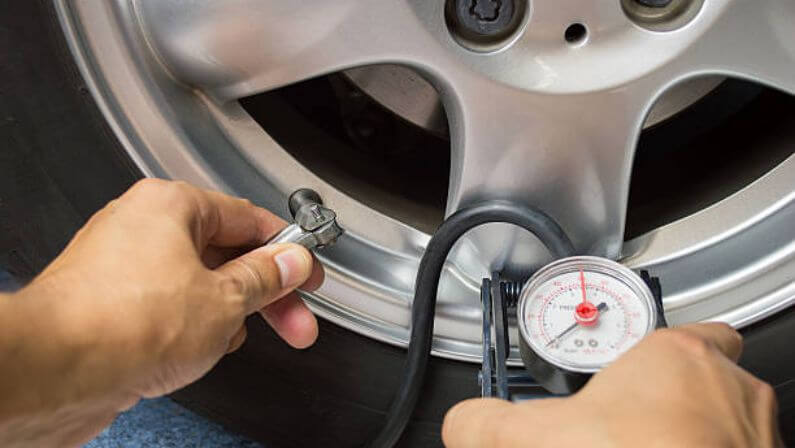
Check your tire pressure with a reliable gauge. Look for the recommended pressure on your car’s door sticker or owner’s manual. Check tires when they are cold for accurate reading.
- Remove the valve cap from the tire.
- Press the gauge firmly onto the valve stem.
- Read the pressure shown on the gauge.
- Compare it with the recommended pressure.
- Add or release air as needed.
Gather Necessary Tools
Gather tools before you go to the gas station. Having the right items helps you work quickly and safely. Keep these tools in your car for regular tire checks.
- Tire pressure gauge
- Air compressor or pump
- Valve caps
- Tire tread depth gauge (optional)
- Flashlight (for low light conditions)
Find A Suitable Gas Station
Choose a gas station with a well-maintained air pump. Look for stations that allow free or low-cost air. Avoid busy stations to prevent delays and distractions.
| Feature | Why It Matters |
|---|---|
| Clean Air Compressor | Ensures accurate pressure and prevents damage |
| Easy Access | Makes tire inflation faster and safer |
| Clear Instructions | Helps you use the pump correctly |
| Good Lighting | Allows you to work safely at night |
Credit: www.michelin.ca
Using The Air Compressor At The Gas Station
Keeping your car tires properly inflated is important. Gas stations have air compressors to help. This guide will show you how to use them.
Follow these steps to add air to your car tires. It is simple and quick once you know how.
Locate The Air Pump
First, find the air pump at the gas station. It is usually near the gas pumps. Look for a sign that says “Air” or “Tire Inflator”.
Some stations may charge a small fee to use the air compressor. Make sure you have some coins or a card ready.
Set The Correct Pressure
Check your car’s manual or the sticker inside the driver’s door for the correct tire pressure. This tells you how much air to put in.
Use the air compressor’s gauge to set the right pressure. Most machines let you enter the desired number before starting.
- Find the pressure in PSI (pounds per square inch)
- Adjust the air pump to match this number
- Ensure all tires are at the same pressure
Remove The Valve Cap
Before adding air, take off the valve cap from your tire. Keep it safe so you can put it back on later.
The valve cap protects the valve stem from dust and dirt. Make sure not to lose it while adding air.
- Unscrew the cap by turning it counterclockwise
- Place it in your pocket or a safe spot
- Reattach it after inflating the tire
Inflating Tires Safely
Keeping your car tires properly inflated helps with safety and fuel efficiency. Using an air pump at a gas station is a simple way to add air.
Follow these steps carefully to avoid overinflating or damaging your tires.
Attach The Air Hose
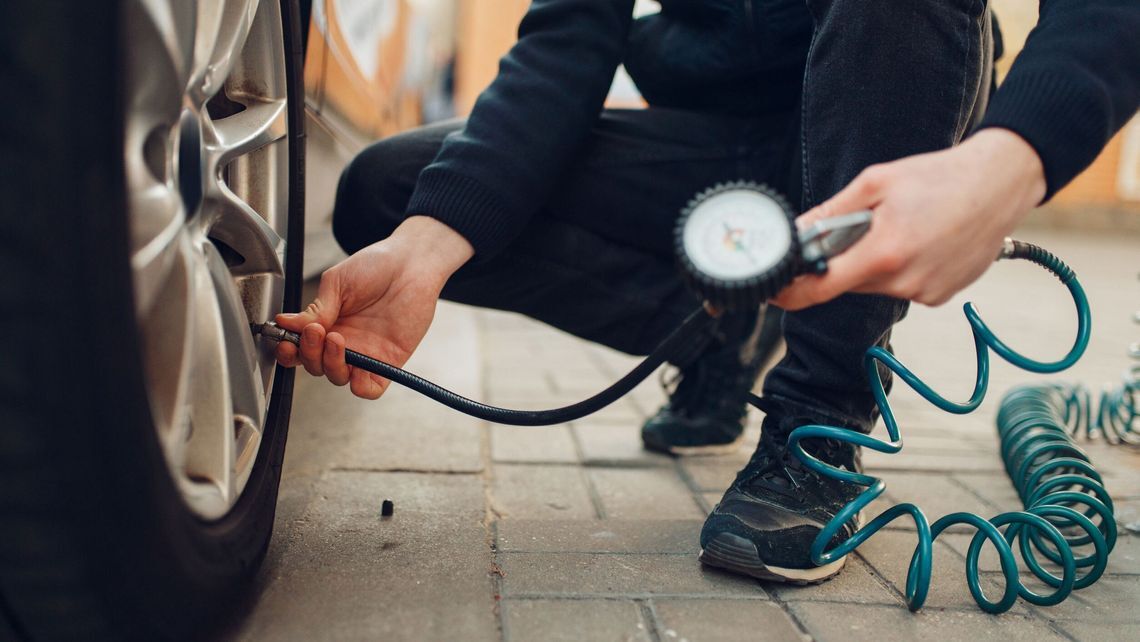
Remove the valve cap from the tire’s air valve. Press the air hose nozzle firmly onto the valve stem. Make sure it fits tightly to avoid air leaks.
- Hold the hose nozzle securely.
- Listen for air escaping to check the seal.
- Adjust the nozzle if needed to stop leaks.
Add Air In Short Bursts
Inflate your tires by adding air in brief bursts. This helps you control the pressure and prevents overfilling.
- Press the air button for 5 to 10 seconds.
- Stop and check the pressure gauge.
- Repeat until reaching the recommended pressure.
Monitor Pressure Gauge
Watch the pressure gauge closely during inflation. Use the car’s manual or the tire sidewall for the correct PSI.
| Pressure Level | Meaning |
| Below recommended PSI | Needs more air |
| At recommended PSI | Proper inflation |
| Above recommended PSI | Risk of tire damage |
After Inflation Steps
After filling your car tires with air at the gas station, some important steps help ensure safety and proper tire function.
Follow these actions carefully to maintain tire pressure and avoid problems on the road.
Replace Valve Caps
Always put the valve caps back on after inflating your tires. These caps protect the valve from dirt and moisture.
Missing valve caps can cause air leaks and reduce tire pressure over time.
Check For Leaks
Check if your tire is leaking air by listening for hissing sounds or using soapy water on the valve and tire surface.
- Apply soapy water around the valve stem and tire tread.
- Look for bubbles forming, which show air escaping.
- If bubbles appear, tighten the valve cap or visit a mechanic.
Adjust Pressure If Needed
After waiting a few minutes, check the tire pressure again. Air can settle and cause slight changes.
| Action | What to Do |
| Pressure Too Low | Add more air until pressure matches the recommended level. |
| Pressure Too High | Let some air out by pressing the valve core gently. |
| Pressure Correct | Replace valve cap and prepare to move on. |
Tips For Maintaining Proper Tire Pressure
Keeping your car tires at the right pressure helps your car run safely and smoothly. It also saves fuel and prevents tire wear.
Using air at a gas station is easy if you follow some simple tips. These tips help you keep the right tire pressure all year.
Regular Pressure Checks
Check your tire pressure at least once a month. Use a reliable tire pressure gauge to get accurate readings.
Check pressure when tires are cold for the best results. Cold means the car has not been driven for a few hours.
- Remove the valve cap from the tire
- Press the gauge firmly onto the valve
- Read the pressure and compare it to your car’s recommended level
- Add or release air if needed
- Put the valve cap back on securely
Avoid Overinflation
Do not put too much air in your tires. Overinflation can make your ride hard and reduce tire grip on the road.
Check your car manual or the sticker on the driver’s door for the correct pressure. Follow that number closely.
- Too much air can cause uneven tire wear
- It may increase the risk of tire damage on bumps
- It can reduce braking performance
Consider Seasonal Adjustments
Temperature changes affect tire pressure. Air contracts in cold weather and expands in hot weather.
Check tire pressure more often during winter and summer. Adjust the air to keep the right pressure for the season.
- In cold weather, check pressure weekly
- In hot weather, check pressure every two weeks
- Use a tire gauge to avoid guessing

Credit: m.youtube.com
Frequently Asked Questions
How Do I Use An Air Pump At A Gas Station?
First, remove the valve cap from your tire. Insert the air hose nozzle firmly onto the valve stem. Use the pump’s gauge to check tire pressure. Add air in short bursts. Stop when reaching the recommended pressure. Replace the valve cap securely.
What Is The Recommended Tire Pressure For My Car?
Check your car’s manual or the sticker inside the driver’s door. It lists the ideal tire pressure in PSI. Maintaining this pressure ensures safety, better fuel efficiency, and longer tire life. Avoid overinflating or underinflating your tires.
Can I Put Air In My Tires For Free At Gas Stations?
Some gas stations offer free air pumps, but many charge a small fee. Check the pump instructions or ask the attendant. Having a tire pressure gauge is helpful to verify the pressure after filling.
How Often Should I Check And Fill My Car Tires?
Check tire pressure monthly and before long trips. Tires naturally lose air over time and with temperature changes. Regular maintenance improves safety, handling, and fuel economy. Use a reliable gauge for accurate readings.
Conclusion
Keeping your tires properly inflated helps your car run safely and smoothly. Filling air at a gas station is quick and easy to do. Always check the pressure with a gauge before and after adding air. Too much or too little air can cause problems on the road.
Regular tire checks save fuel and prevent tire damage. Take a moment to do this simple task often. Your car and wallet will thank you.