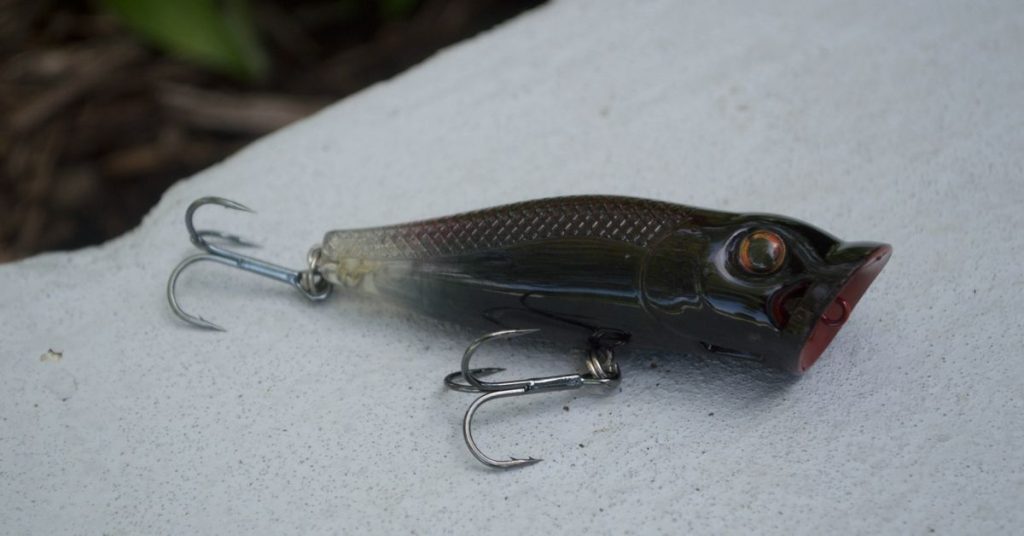
Have you ever wondered if the fish can actually see your lure when you’re out on a night fishing adventure? You’re not alone.
Many anglers have pondered this very question while casting their lines under the moonlit sky. Understanding whether fish can see lures at night could be the secret to your next big catch. Picture this: You’re by the water, the cool night breeze brushing against your face, and the only sound is the gentle lapping of waves.
You cast your line, but are the fish really aware of your lure? Knowing the answer could transform your nighttime fishing strategy and elevate your success. Stick around, because this is more than just about catching fish—it’s about mastering the art of night fishing.
Fish Vision In Low Light
Fish often hunt or feed when light is low. They need to see well in dark water or at night. Understanding how fish see helps anglers choose the right lures.
Fish eyes work differently from human eyes. Their vision adapts to underwater light conditions. This helps them spot prey and avoid danger in dim environments.
How Fish Eyes Work
Fish have eyes shaped to focus underwater. Their eyes have rods and cones like humans, but rods help them see in dim light. Rods detect shapes and movement well.
Fish also have a reflective layer behind the retina. This layer, called the tapetum lucidum, sends light back through the retina. It helps fish see better in dark water.
Adaptations For Night Vision
Fish eyes change to improve night vision. Many fish have more rods than cones. This lets them detect low light but reduces color vision at night.
Some fish can widen their pupils to let in more light. Others move to shallower water where there is some moonlight. These changes help them find food in the dark.
- More rods for better light detection
- Tapetum lucidum reflects light inside the eye
- Pupil adjusts size to control light intake
- Behavior changes to use available light
Species Differences
Not all fish see the same at night. Some species hunt at night and have better night vision. Others stay active during the day and have less night vision ability.
Deep water fish often have large eyes and strong tapetum lucidum. Shallow water fish may rely more on other senses like smell or touch. These differences affect how fish see lures at night.
- Nocturnal fish: large eyes, many rods, strong reflection
- Diurnal fish: smaller eyes, more cones, less night vision
- Deep water fish: adapted to very low light
- Shallow water fish: use mixed senses for hunting

Credit: www.lurenet.com
Lure Visibility At Night
Fishing at night can be tricky because fish see differently in low light. Understanding how lures look in the dark helps anglers choose the right ones.
This guide explains how light reflection, glow lures, and water clarity affect lure visibility after sunset.
Light Reflection And Refraction
Light behaves differently in water than in air. Reflection makes lures shine when light hits them. Refraction bends light, changing how fish see the lure shape.
At night, small amounts of light still reflect off lure surfaces. Shiny or metallic lures catch even little light, making them easier for fish to spot.
Glow And Luminescent Lures
Glow lures emit light through phosphorescence or built-in LEDs. These lures stand out in dark waters and attract fish from a distance.
- Phosphorescent lures absorb light and glow slowly in the dark.
- LED lures produce bright, steady light using batteries.
- Luminescent paint on lures helps them glow without power sources.
Water Clarity Impact
| Water Type | Effect on Lure Visibility | Best Lure Type |
|---|---|---|
| Clear Water | Light travels far, lures reflect well | Shiny or glow lures |
| Murky Water | Light scatters, visibility drops | Bright glow or LED lures |
| Saltwater | Varies, often clearer at surface | Metallic or glowing lures |
| Freshwater | Can be clear or muddy | Glow lures for murky spots |
Fish Behavior After Dark
Fish act differently at night compared to daytime. Understanding their behavior helps anglers catch more fish.
Fish rely on senses other than sight when it is dark. This changes how they find food and move around.
Feeding Patterns
Many fish feed more actively at night. Darkness offers safety from predators while hunting for food.
Some fish eat insects or smaller fish that come closer to the water surface after dark.
- Nocturnal fish rely on smell and vibration to locate prey.
- Some species prefer to feed just before dawn or after dusk.
- Feeding times can vary based on water temperature and moonlight.
Movement And Activity
Fish often move to shallower water at night to feed. They avoid bright open areas to stay safe.
Activity levels differ by species. Some become more active, while others rest in hidden spots.
- Fish may swim slower to save energy at night.
- They use lateral line sensors to detect movement in dark water.
- Night movement helps fish avoid daytime predators.
Response To Artificial Light
Artificial light can attract or scare fish at night. Some fish are drawn to lighted areas.
Light may help fish see lures better but can also make them cautious and less likely to bite.
- Light can attract insects, which in turn attract fish.
- Bright lights may cause fish to hide or move away.
- Using subtle light can improve fishing success after dark.

Credit: www.fishusa.com
Effective Night Fishing Lures
Fishing at night is different from daytime fishing. Fish see less light, so lures must be chosen carefully.
Using the right lure can help attract fish even in low light. This guide explains what works best at night.
Best Colors For Night
Fish see colors differently at night. Dark and bright colors stand out better in low light.
- White: Reflects any light and is very visible
- Chartreuse: Bright green-yellow color that stands out
- Black: Creates a strong silhouette against lighter backgrounds
- Glow-in-the-dark: Emits light to attract fish in dark water
Types Of Lures That Work
Some lures work better at night because of how they move and reflect light. Choose lures that catch attention.
- Spinnerbaits: Flash and spin to catch fish eyes
- Jigs with glow paint: Glow softly and move well
- Soft plastics: Move naturally and can be scented
- Topwater lures: Make noise and splash to attract fish
Using Sound And Vibration
Fish use senses other than sight at night. Sound and vibration help lures attract fish in dark water.
- Rattling lures: Make noise to get fish attention
- Vibrating lures: Create water movement fish can feel
- Buzzbaits: Produce noise and vibrations on surface
Techniques For Night Angling
Fishing at night offers a quiet and peaceful experience. Fish rely on senses other than sight to find food in the dark.
Using the right techniques can improve your chances of catching fish after sunset. Understanding how fish see lures at night is important.
Casting And Retrieval Tips
Cast your lure gently to avoid making too much noise. Fish can hear vibrations and may get scared by loud splashes.
Use slow and steady retrieval to mimic natural movements. Pause often to let fish notice the lure in the dark water.
- Cast near structures like rocks or logs where fish hide
- Retrieve with slow, steady pulls and occasional pauses
- Change retrieval speed to find what works best
Using Light Sources Wisely
Light helps you see your gear and surroundings at night. Use dim or red lights to avoid spooking fish.
Attach glow sticks or LED lights to your rod tip. This makes it easier to notice bites without bright lights.
- Use low-intensity lights to keep fish calm
- Place lights away from the water surface
- Glow-in-the-dark lures can attract attention
Safety Precautions
Night fishing needs extra care. Watch your footing and carry a reliable flashlight or headlamp.
Wear a life jacket if fishing near deep water. Always tell someone where you will be fishing.
- Keep a first aid kit nearby
- Check the weather before you go
- Stay aware of your surroundings

Credit: mysterytacklebox.com
Common Myths About Night Fishing
Many people think fishing at night is very different from daytime fishing. Some believe fish cannot see lures in the dark. Others say glow lures always catch more fish. These ideas are not always true.
This article looks at common myths about night fishing. It explains how fish see and react to lures and anglers in low light.
Do Fish Rely On Sight Only?
Fish do use their eyes to find food and see their surroundings. But they do not rely on sight alone. Many fish have other ways to sense the world.
Fish use their lateral line system to feel vibrations and movement in water. This helps them find prey even in the dark or murky water.
- Fish can detect water movement and vibrations.
- They use smell to find food.
- Some fish sense electric fields.
- Vision works best in clear water and light.
Are Glow Lures Always Better?
Glow lures can help fish see your bait at night. They shine in the dark and attract attention. But glow lures are not always the best choice.
Sometimes natural colors or dark lures work well. Fish may avoid bright glowing lures if they look unnatural or scare them away.
- Glow lures work well in very dark water.
- Natural colors suit clear or moonlit water.
- Fish can get scared by too much light.
- Try different lures to see what works best.
Can Fish See Anglers?
Fish can see shapes and movement above the water. They notice shadows or bright lights from anglers. But their vision is limited in the dark.
Quiet and low light help anglers stay hidden. Fish focus more on what is below the water than what is above.
- Fish see movement near the water surface.
- Bright lights can scare fish away.
- Stay still and use dim lights when fishing.
- Fish rely more on underwater signals at night.
Frequently Asked Questions
Can Fish See Fishing Lures In The Dark?
Fish have limited night vision but can detect lures through movement and contrast. Light conditions affect their ability to see colors clearly.
How Do Fish Detect Lures At Night?
Fish rely on lateral line sensors to sense vibrations. They also use their eyes to spot silhouette and motion in low light.
Are Certain Lure Colors Better For Night Fishing?
Bright or glow-in-the-dark lures work best at night. They create visibility by reflecting light or emitting a glow underwater.
Does Water Clarity Affect Fish Seeing Lures At Night?
Yes, clearer water improves lure visibility in darkness. Murky water reduces light penetration, making it harder for fish to spot lures.
Conclusion
Fish can see lures at night, but it depends on several factors. Light, water clarity, and lure color all affect visibility. Some fish use their sense of smell and movement more than sight. Bright or glowing lures often attract fish in dark water.
Anglers should choose lures that match the fishing conditions. Night fishing can be successful with the right approach. Keep experimenting to find what works best for your spot. Fish stay active even in low light. The right lure can make all the difference.