Ever unzipped your sleeping bag after a long camping trip and realized it’s not as fresh as it once was? You’re not alone.
Keeping your sleeping bag clean is crucial for a good night’s sleep in the great outdoors and ensures it lasts for many adventures to come. But the thought of washing it might seem daunting. Can you really toss it into the washing machine without ruining it?
Absolutely! In this guide, you’ll discover the simple steps to safely clean your sleeping bag using a washing machine. Say goodbye to dirt and odors, and hello to a cozy, clean cocoon every time you camp. Ready to give your sleeping bag a new lease on life? Let’s dive in.
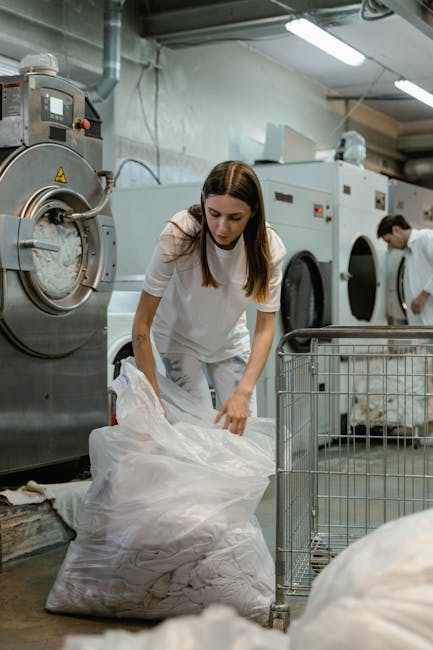
Choose The Right Washing Machine
Washing a sleeping bag in a machine needs care. Picking the right washing machine helps keep it clean and safe.
You want a machine that fits your sleeping bag well. This stops damage and cleans it properly.
Front-load Vs Top-load Machines
Front-load machines use less water and spin faster. They clean better and dry clothes more.
Top-load machines are easier to load but use more water. They may be rougher on big, soft items like sleeping bags.
- Front-load machines are gentle and save water.
- Top-load machines are common but can be harsh.
- Choose front-load if you have one available.
Capacity Considerations
Check your machine’s size before washing. The sleeping bag needs room to move freely inside.
A small machine can squash the bag. This stops proper cleaning and can damage the fabric.
- Use a large capacity machine for big sleeping bags.
- Leave space for the bag to tumble well.
- Too full machines can leave soap behind.
Credit: www.ellis-brigham.com
Check The Sleeping Bag Care Label
Before washing your sleeping bag, always check its care label. The label gives important information on how to clean it safely.
Following the care label helps keep your sleeping bag in good shape and extends its life.
Material Specific Instructions
Different materials need different washing methods. Look for these common materials on the label and follow the instructions.
- Down:Use a gentle detergent made for down or delicate fabrics.
- Synthetic:Use mild soap and avoid fabric softeners.
- Wool:Wash with wool-friendly detergent and avoid hot water.
- Silk or Nylon:Use cold water and a gentle cycle.
Temperature Guidelines
Temperature is key to prevent damage. The care label shows the best water temperature for washing your sleeping bag.
| Material | Recommended Water Temperature |
| Down | Cold to warm (30°C / 86°F) |
| Synthetic | Warm (30-40°C / 86-104°F) |
| Wool | Cold (under 30°C / 86°F) |
| Silk or Nylon | Cold (under 30°C / 86°F) |
Prepare The Sleeping Bag
Washing a sleeping bag in a machine needs careful preparation. This helps keep the bag clean and safe from damage.
Start by getting the sleeping bag ready. This makes the washing process easier and more effective.
Remove Dirt And Debris
Before washing, take off any loose dirt or debris from the sleeping bag. This stops dirt from spreading inside the machine.
Use a soft brush or shake the bag outside to clear dust, leaves, and small stones.
- Brush off mud and soil gently
- Shake the bag to remove loose particles
- Check inside pockets for small items
Close Zippers And Velcro
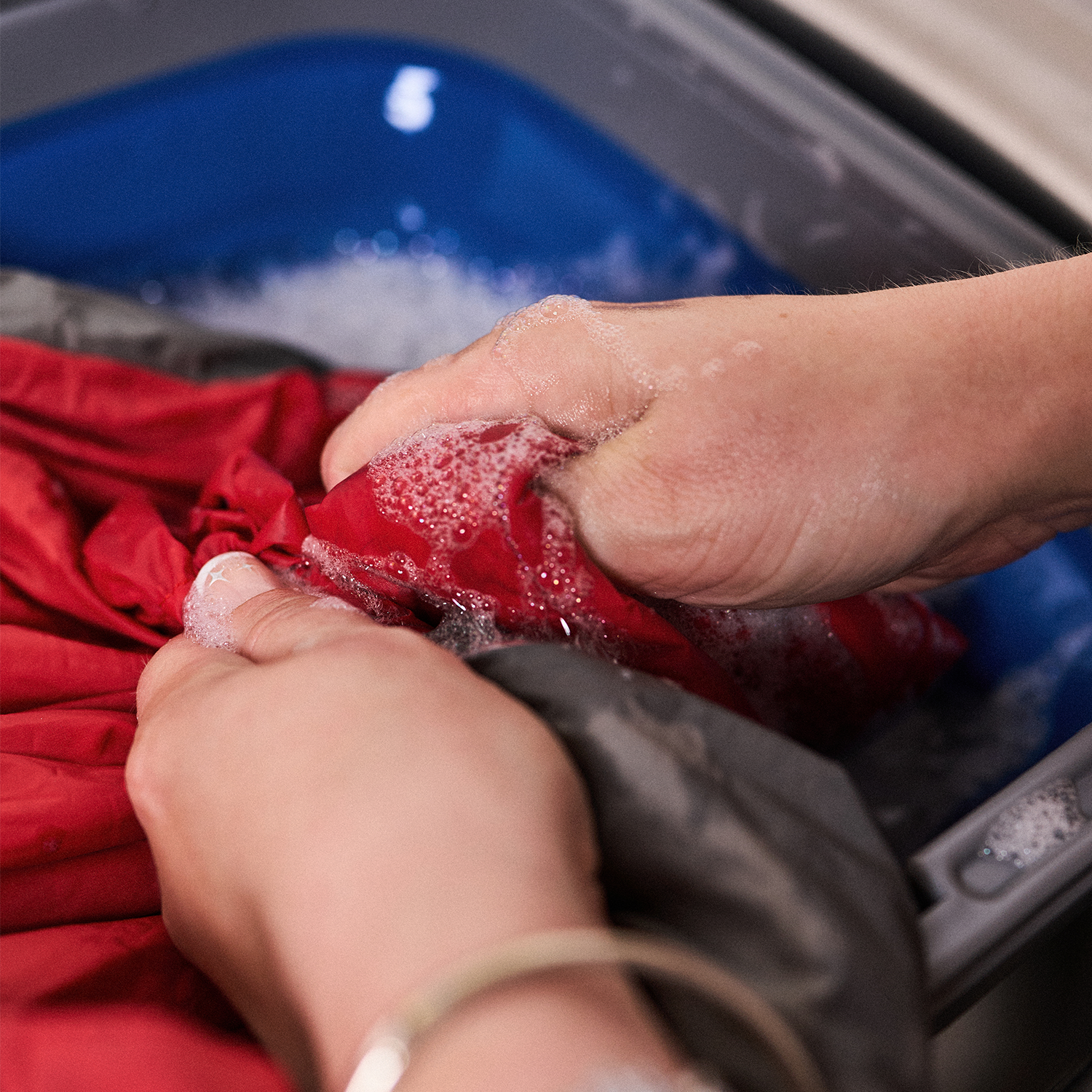
Close all zippers and Velcro on the sleeping bag. This protects the fabric and prevents damage during washing.
Make sure the zipper sliders are fully closed. Press down Velcro strips to stick firmly.
- Close the main zipper completely
- Fasten all Velcro strips tightly
- Secure any small zippers on pockets

Credit: www.halfwayanywhere.com
Select The Best Detergent
Choosing the right detergent is important when washing a sleeping bag in the machine. The detergent affects the bag’s insulation and fabric.
Use detergents that clean gently without damaging the materials inside the sleeping bag.
Use Mild, Non-detergent Soap
Mild, non-detergent soaps clean your sleeping bag without harming its insulation. These soaps do not leave residues that trap dirt or oils.
Regular detergents can strip natural oils from the fabric and fill, reducing warmth. Non-detergent soap keeps your bag soft and warm.
Avoid Fabric Softeners
Do not use fabric softeners when washing a sleeping bag. Softener chemicals coat the fibers and reduce breathability.
Fabric softeners can also harm the water-resistant coating and lower the bag’s ability to stay dry.
Set The Washing Machine Correctly
Washing a sleeping bag in a machine needs the right settings. This helps keep the bag clean and undamaged.
Set your washing machine carefully before starting the wash. The right cycle and water temperature matter.
Choose Gentle Or Delicate Cycle
Use a gentle or delicate cycle to protect your sleeping bag. These cycles use slow spin speeds and soft washing motions.
- Reduces wear and tear on fabric and insulation
- Prevents damage to zippers and seams
- Helps maintain the bag’s loft and warmth
- Uses less water, which is good for down bags
Use Cold Or Warm Water
Select cold or warm water to wash your sleeping bag. Hot water can ruin the material and filling.
| Water Temperature | Effect on Sleeping Bag |
| Cold (30°C or below) | Safe for all materials, protects insulation |
| Warm (up to 40°C) | Good for synthetic bags, removes dirt well |
| Hot (above 40°C) | May damage fabric and fill, avoid |
Dry The Sleeping Bag Safely
Drying your sleeping bag the right way keeps it warm and fluffy. Using the right heat and tools helps avoid damage.
Follow safe drying steps to keep your sleeping bag in great shape for many trips.
Tumble Dry On Low Heat
Set your dryer to low heat to protect the sleeping bag’s insulation. High heat can melt or damage the fabric.
Drying on low heat takes longer but keeps the bag safe and comfortable to use.
Add Clean Tennis Balls For Fluffing
Put two or three clean tennis balls in the dryer with your sleeping bag. They help break up clumps of insulation.
The balls bounce around and keep the filling fluffy. This keeps the sleeping bag warm and soft.
Air Drying Tips
Air drying is gentle and safe for sleeping bags. Hang it in a dry, shaded place away from direct sunlight.
Shake the bag often to help the filling dry evenly and keep its loft.
- Use a large clothesline or drying rack
- Keep the sleeping bag flat or loosely hung
- Turn the bag over regularly to speed drying
- Avoid damp or humid areas to prevent mildew
Additional Care Tips
Washing a sleeping bag in a machine needs extra care to keep it safe. Proper care helps the bag last longer and stay comfy.
Simple steps between washes and good storage keep your sleeping bag clean and fresh. These tips protect the fabric and filling.
Spot Cleaning Between Washes
Spot cleaning removes small stains and dirt without washing the whole bag. This saves the bag from too much wear.
Use a mild soap and a soft cloth or sponge. Gently rub the stained area and rinse with a little water. Let it dry fully before packing away.
- Use lukewarm water and mild soap
- Test soap on a small area first
- Do not soak the whole sleeping bag
- Dry spot cleaned areas fully in air
Proper Storage After Washing
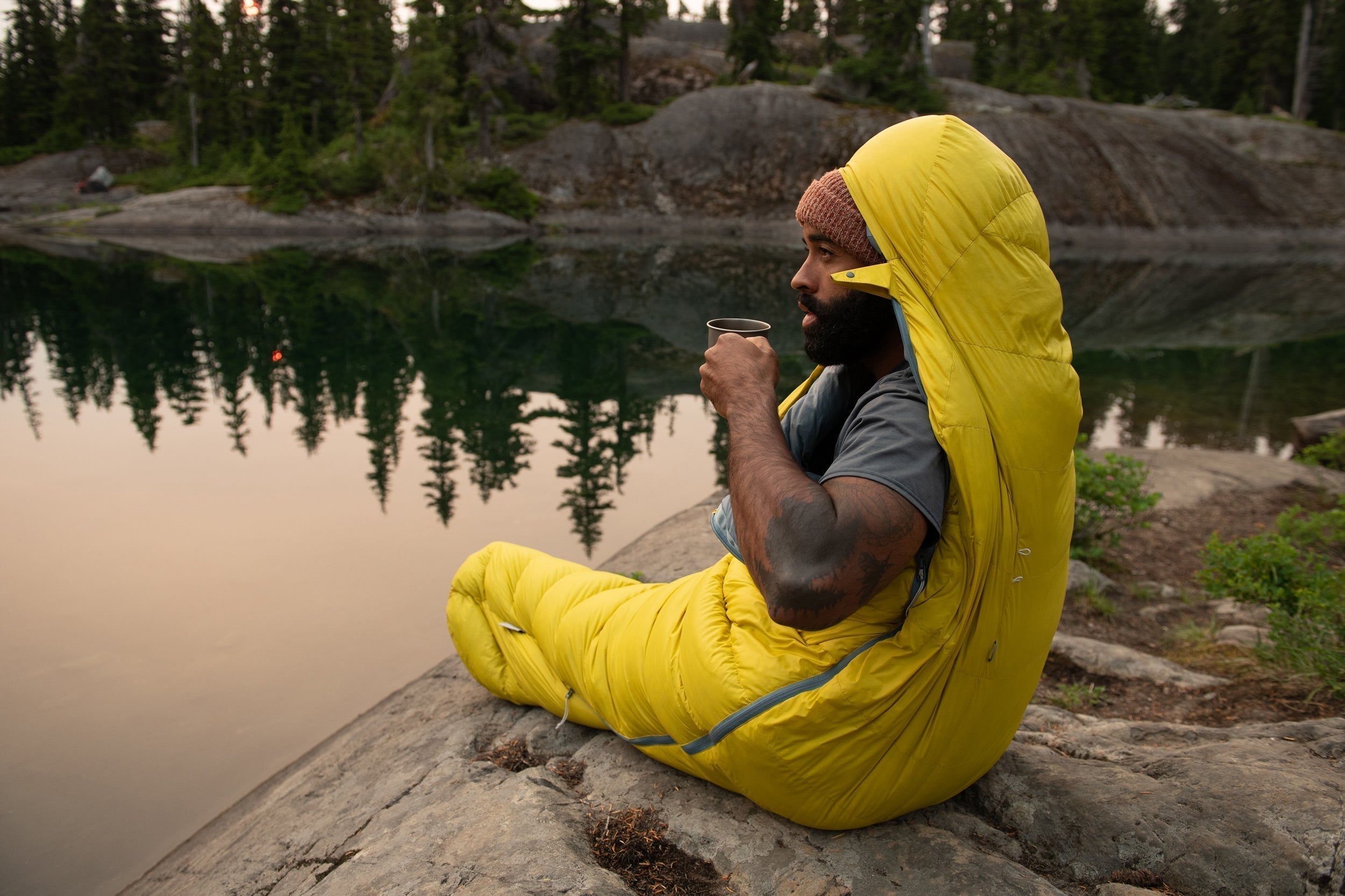
Store your sleeping bag in a cool, dry place. Avoid tight compression to keep the insulation fluffy and warm.
Use a large storage sack or hang the bag loosely. Avoid plastic bags that trap moisture and cause mildew or bad smells.
- Use a breathable storage sack, not a stuff sack
- Keep away from direct sunlight and heat sources
- Hang the bag or lay it flat if possible
- Check the bag regularly for moisture or damage
Credit: cascadedesigns.com
Frequently Asked Questions
How Do I Prepare A Sleeping Bag For Machine Washing?
Before washing, zip up the sleeping bag and secure all closures. Check care labels for specific instructions. Remove any loose dirt or debris by shaking or brushing the bag gently. Use a front-loading washing machine to avoid damage.
What Detergent Is Best For Washing Sleeping Bags?
Use a mild, non-detergent cleaner designed for down or synthetic insulation. Avoid regular detergents, bleach, and fabric softeners. These can damage the insulation and reduce the sleeping bag’s warmth and water resistance.
What Washing Machine Settings Are Ideal For Sleeping Bags?
Select a gentle or delicate cycle with cold water. Use an extra rinse cycle to remove all detergent residues. Avoid hot water and high spin speeds, which can harm the fabric and insulation.
How Do I Dry A Sleeping Bag After Washing?
Air-dry the sleeping bag flat or hang it in a well-ventilated area. Use a large dryer on low heat with tennis balls to restore loft. Avoid high heat to prevent damage to insulation and fabric.
Conclusion
Washing your sleeping bag in the machine keeps it clean and fresh. Use gentle detergent and a gentle cycle for best care. Always check the bag’s label for washing instructions. Dry the bag completely to avoid mold and bad smells.
Taking these steps helps your sleeping bag last longer. Clean gear makes camping more comfortable and safe. Keep your sleeping bag ready for your next adventure. Simple care keeps it soft and cozy every time.