When the temperatures drop, your heating system becomes your best friend, keeping your home cozy and comfortable. But have you ever wondered how long your heating system will last?
It’s a crucial question, especially when you’re looking to avoid unexpected breakdowns and hefty repair bills. We’ll uncover the lifespan of various heating systems, helping you plan ahead and make informed decisions. You’ll discover the factors that influence their longevity and learn how to extend their life, ensuring you stay warm and worry-free for years to come.
Ready to dive in and safeguard your comfort? Keep reading to unlock the secrets of your heating system’s lifespan.
Types Of Heating Systems
Heating systems come in several types. Each type has its own way to warm your home. Knowing these types helps you understand how long they might last.
Some heating systems need more care than others. The lifespan depends on the system type and how well it is maintained.
Furnaces
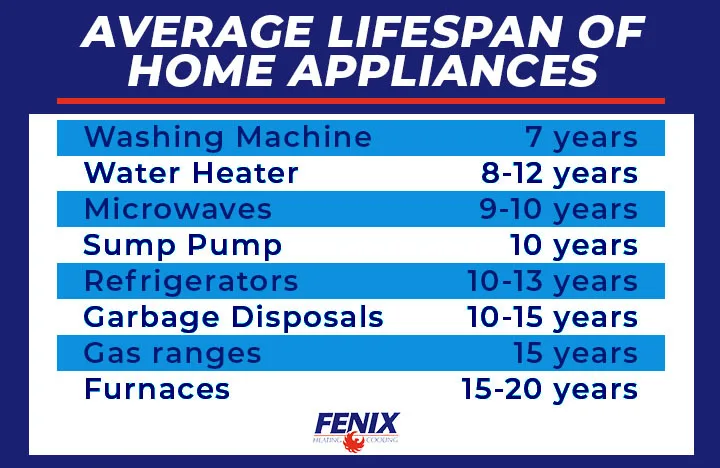
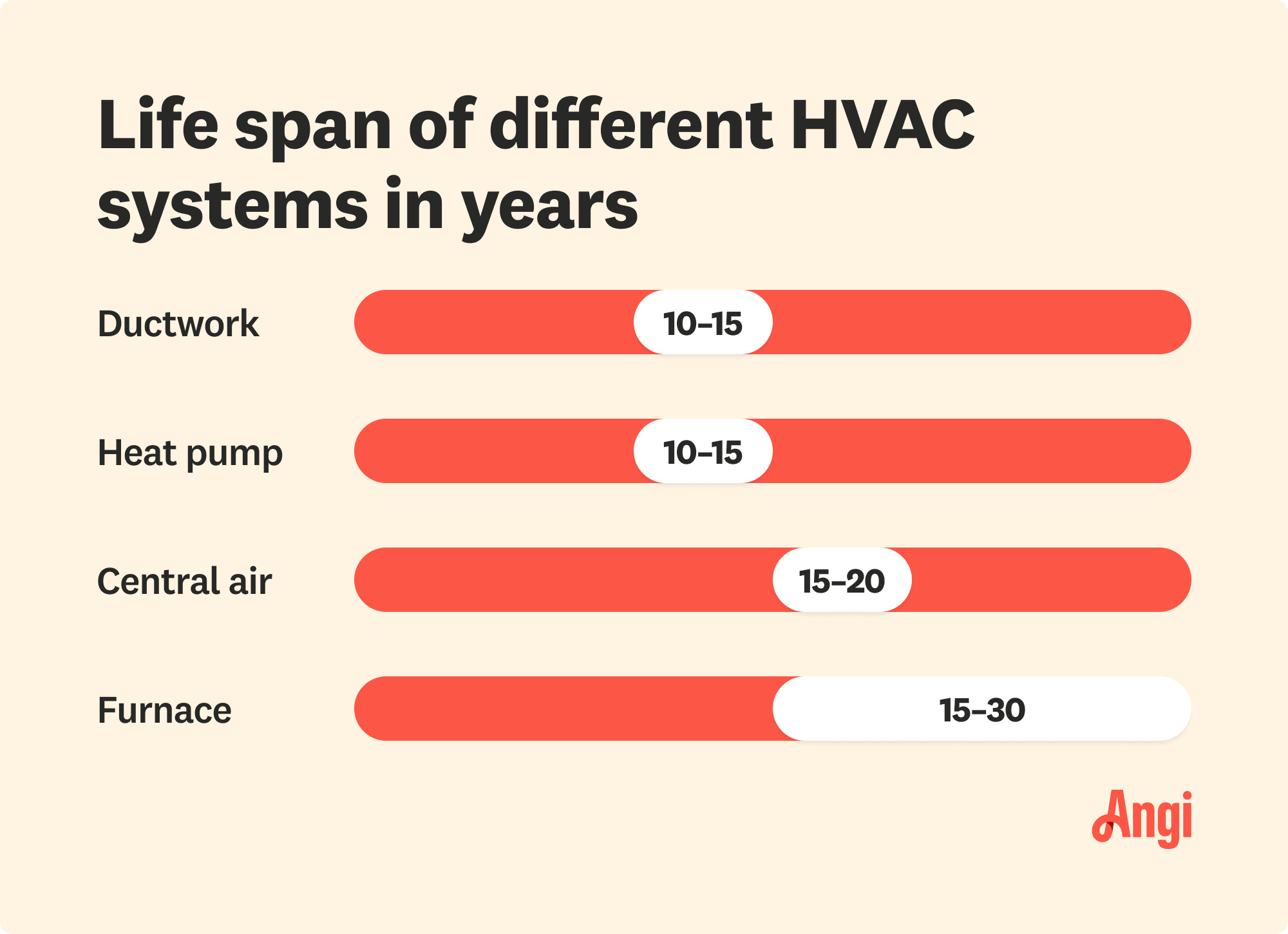
Furnaces heat air and blow it through ducts. They use gas, oil, or electricity as fuel. Most furnaces last about 15 to 30 years.
Heat Pumps
Heat pumps move heat from outside to inside during cold months. They can also cool your home in summer. Heat pumps usually last 10 to 15 years.
Boilers
Boilers heat water to warm your home. They use water or steam that flows through pipes or radiators. Boilers last between 15 and 30 years.
Radiant Heating
Radiant heating warms floors or walls with hot water or electric wires. It gives steady heat and feels very comfortable. Radiant systems last 20 to 35 years.
Electric Heaters
Electric heaters use electrical resistance to create heat. They are easy to install and good for small spaces. Electric heaters last about 10 to 20 years.
| Heating System | Average Lifespan (Years) | Fuel Type |
|---|---|---|
| Furnaces | 15 – 30 | Gas, Oil, Electricity |
| Heat Pumps | 10 – 15 | Electricity |
| Boilers | 15 – 30 | Gas, Oil, Electricity |
| Radiant Heating | 20 – 35 | Water or Electric |
| Electric Heaters | 10 – 20 | Electricity |
Credit: www.carrier.com
Average Lifespan Of Heating Systems
Heating systems help keep homes warm in cold weather. Knowing how long each system lasts helps with planning repairs or replacements.
This guide covers typical lifespans for common heating types. You will learn what to expect from each system.
Typical Duration For Furnaces
Furnaces usually last between 15 and 30 years. Proper maintenance can extend this time. Regular filter changes and annual inspections help keep them running well.
Heat Pump Longevity
Heat pumps have an average life of 10 to 15 years. They work by moving heat instead of creating it. Keeping coils clean and checking refrigerant levels improve their lifespan.
Boiler Lifespan Estimates
Boilers last longer than many heating systems, often 20 to 30 years. Cast iron boilers can last even more. Proper water treatment and regular checkups prevent damage.
| Boiler Type | Average Lifespan (Years) |
| Cast Iron | 30+ |
| Steel | 20-25 |
| Electric | 15-20 |
Radiant Heating Durability
Radiant heating systems can last 30 to 50 years. Pipes installed under floors are often made of durable materials. Avoiding leaks is key to long life.
- Use high-quality piping
- Check for leaks regularly
- Flush system to prevent buildup
- Maintain proper pressure
Electric Heater Expectations
Electric heaters have a shorter lifespan of 10 to 20 years. They need less maintenance but can wear out faster. Avoid overuse to help them last longer.
Factors Affecting Heating System Lifespan
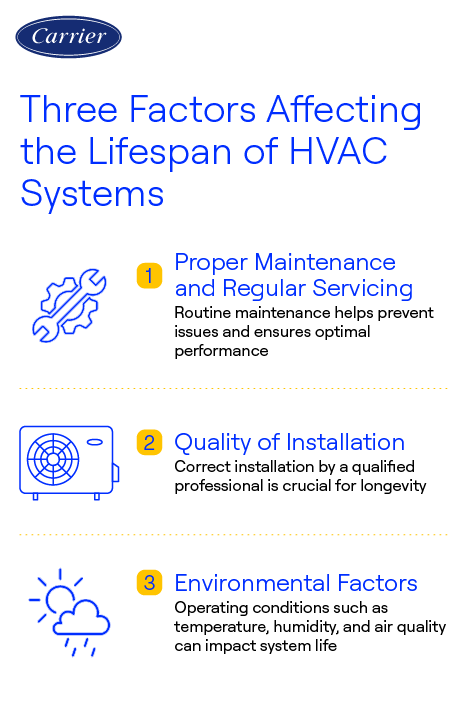
The lifespan of a heating system depends on many factors. These factors can make the system last longer or wear out faster.
Knowing these factors helps you take better care of your heating system. This can save money and keep your home warm.
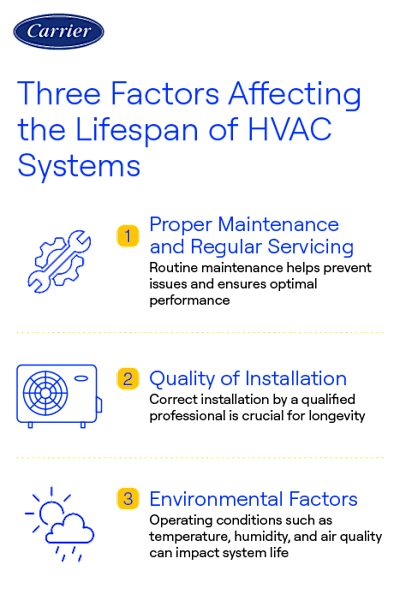
Quality Of Installation
A heating system installed well works better and lasts longer. Poor installation can cause many problems early on.
Correct setup ensures safety and efficiency. It also prevents wear and tear on parts that can break quickly.
Maintenance Frequency
Regular maintenance keeps a heating system running smoothly. It helps find small problems before they become big.
Changing filters and checking parts often extends the system’s life. Neglecting maintenance can shorten it a lot.
- Change filters every 1-3 months
- Inspect and clean parts yearly
- Fix small issues quickly
Usage Patterns
How often and how long you use your heating system affects its lifespan. Heavy use wears out parts faster.
Systems used only in cold months last longer than those used daily. Turning the system off when not needed helps too.
Climate Impact
Cold climates make heating systems work harder. This can reduce the system’s lifespan over time.
Mild climates put less stress on heating systems. Systems in dry or humid areas may also face different challenges.
System Size And Efficiency
A system that fits your home size works best and lasts longer. Too big or too small systems wear out faster.
High-efficiency systems use less energy and reduce wear. Low-efficiency systems may run longer and break down sooner.
Credit: www.angi.com
Signs Your Heating System Needs Replacement
Your heating system works hard to keep your home warm. Over time, it can lose efficiency. Knowing when to replace it helps avoid big problems.
Watch for warning signs that show your system may be failing. Acting early saves money and keeps your home comfortable.
Rising Energy Bills
If your heating bills grow without reason, your system might be losing power. Old parts or poor maintenance cause higher energy use.
Frequent Repairs
Fixing your heater often is a sign it is near the end of its life. Repair costs add up quickly and may be more than replacement.
- Multiple repair visits in one season
- Cost of repairs is more than half the system’s value
- Breakdowns occur during cold weather
Uneven Heating
Rooms that stay cold or hot spots show your system is not working well. This can mean duct issues or a failing heater.
Strange Noises
Hissing, banging, or rattling sounds are not normal. These noises may point to worn-out parts or serious damage inside your heater.
Age Considerations
| Heating System Age | Typical Lifespan (Years) | Replacement Advice |
|---|---|---|
| Gas Furnace | 15-20 | Consider replacement if older than 15 years |
| Electric Heater | 20-30 | Replace after 20 years or with frequent issues |
| Heat Pump | 10-15 | Replace if over 10 years and costly to repair |
Extending Your Heating System’s Life
A heating system can last many years with the right care. Taking simple steps helps your system work well longer.
Regular care saves money and keeps your home warm. Learn how to extend your heating system’s life easily.
Regular Maintenance Tips
Check your heating system often to catch small problems early. Clean parts and clear debris to keep it running smoothly.
- Clean vents and ducts regularly
- Remove dust from the furnace area
- Check for unusual noises or smells
- Keep the area around the system clear
Filter Replacement
Change your heating system’s filter on time. A clean filter improves air flow and keeps the system healthy.
- Replace filters every 1 to 3 months
- Use the filter size your system needs
- Check the filter more often in dusty areas
Professional Inspections
Have a heating expert inspect your system yearly. They find issues that you might miss and fix them early.
- Schedule inspections before winter starts
- Ask for a full system checkup
- Keep records of all professional visits
Upgrading Components
Replace old parts to boost your system’s performance. New parts help the system last longer and use less energy.
- Upgrade the thermostat to a programmable one
- Replace worn-out belts and motors
- Install energy-efficient components when possible
Proper System Usage
Use your heating system wisely to avoid extra wear. Set temperatures sensibly and avoid overworking the system.
- Set the thermostat to a comfortable but not too high level
- Turn off heating when rooms are empty
- Use timers to control heating schedules
Credit: www.carrier.com
Cost Implications Of Replacement Vs Repair
Heating systems do not last forever. Deciding between repair and replacement is important. The costs can add up over time. Understanding these costs helps you choose wisely.
Older systems may need frequent repairs. New systems cost more upfront but can save money later. Let’s look at the cost details.
Repair Costs Over Time
Repairing a heating system costs less at first. Small fixes may be cheap. But old systems often break down more.
Over time, repair bills add up. Parts get harder to find. Labor costs can increase too. Repairs may not solve all problems.
- Frequent repairs increase total cost
- Older parts may be expensive or unavailable
- Labor charges can rise with system age
Energy Savings With New Systems
New heating systems use energy more efficiently. They reduce your utility bills. Old units waste energy and cost more to run.
Switching to a new system can lower monthly costs. This can balance out the initial price over time.
- Modern systems use less fuel or electricity
- Better technology controls temperature precisely
- Lower energy bills save money each month
Incentives And Rebates
Governments and utilities offer rebates for new heating systems. These lower the upfront cost. Incentives encourage energy-efficient upgrades.
You can find local programs that reduce your expenses. Check for tax credits or cash rebates before buying.
- Tax credits for energy-efficient systems
- Cash rebates from utility companies
- Special financing options for upgrades
Long-term Financial Benefits
New heating systems last longer and need fewer repairs. They add value to your home. Over time, this saves you money.
Less repair work means fewer unexpected costs. Energy savings and incentives improve your budget. Replacement can be smart for your wallet.
- Longer lifespan reduces future replacement needs
- Lower repair and maintenance costs
- Energy savings increase overall affordability
- Potential home value increase with new system
Frequently Asked Questions
How Long Does A Typical Heating System Last?
A typical heating system lasts 15 to 20 years with proper maintenance. Lifespan depends on usage, brand, and upkeep.
What Factors Affect Heating System Lifespan?
Factors include maintenance frequency, system type, usage intensity, and installation quality. Regular servicing can extend its life.
When Should I Replace My Heating System?
Replace your heating system if it’s over 20 years old or has frequent breakdowns. Upgrading improves efficiency and safety.
How Can I Extend My Heating System’s Life?
Schedule annual inspections, clean filters regularly, and fix issues promptly. Proper care prevents breakdowns and boosts longevity.
Conclusion
Heating systems usually last between 15 and 20 years. Regular care can help them work longer. Clean filters and check parts often. Old systems may use more energy and cost more. Replacing a worn heater can save money over time.
Stay aware of strange noises or poor heat. A well-kept system keeps your home warm and safe. Understanding lifespan helps plan for future needs. Take small steps now for comfort later.