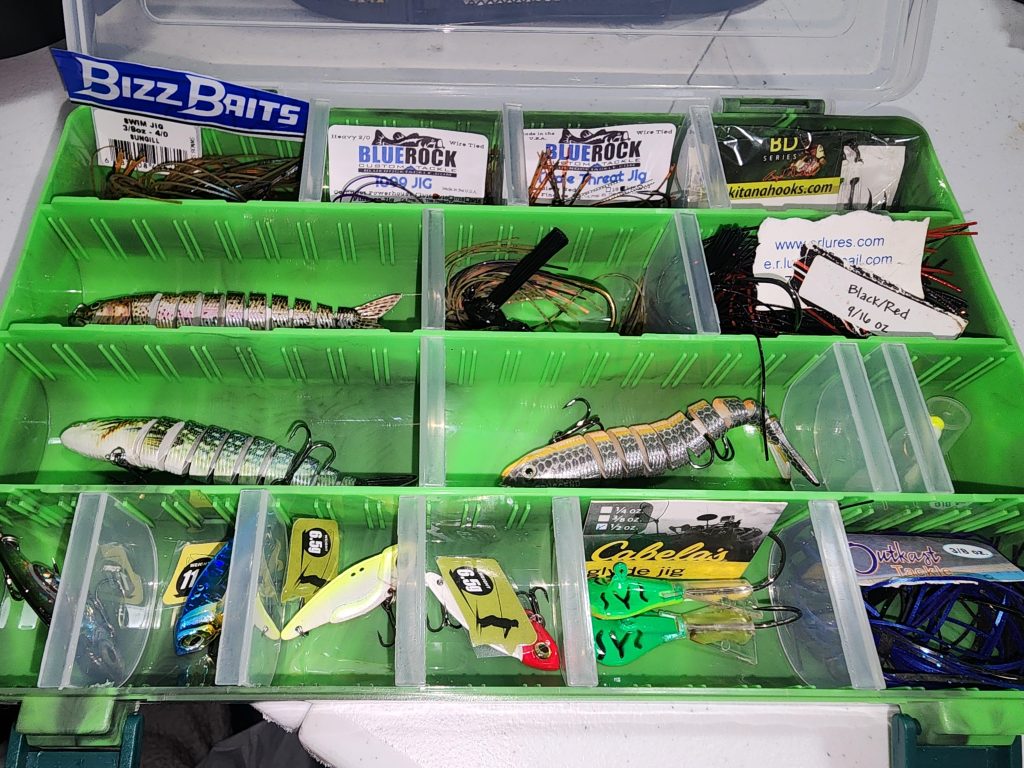
Are you gearing up for your next fishing adventure and wondering if your fishing lures need weights? You’re not alone.
Many anglers, both new and seasoned, find themselves pondering this very question. The right choice can make all the difference between a successful catch and a day of frustration. Imagine the thrill of feeling that first tug on your line, knowing you’ve made the perfect lure selection.
This article will unravel the secrets behind whether adding weights to your fishing lures could be the game-changer you’ve been looking for. Dive in and discover how you can optimize your fishing strategy for more memorable catches.

Credit: www.reddit.com
Role Of Weights In Fishing Lures
Weights are important parts of many fishing lures. They help the lure move and sink in the water.
Adding weight changes how the lure behaves. It affects casting, movement, and how deep it goes.
Impact On Casting Distance
Weights make the lure heavier. This helps you cast it farther with less effort.
A heavier lure can cut through the air better. It flies straighter and lands more accurately.
Effect On Lure Movement
Weights change how the lure moves underwater. They help create the right action to attract fish.
Too much weight can make the lure sink fast and lose natural movement. The right weight keeps it lively.
- Light weight: slow, natural movement
- Medium weight: balanced action
- Heavy weight: fast sinking, strong action
Depth Control Benefits
Weights help control how deep the lure goes. This is important to reach fish at different depths.
By changing weights, you can fish near the surface or deep underwater. It helps catch more fish.
Types Of Weights For Lures
Fishing lures often need weights to help them sink or move properly in the water. Different types of weights suit different fishing styles and lure types.
Choosing the right weight can improve your chances of catching fish by controlling how your lure behaves underwater.
Split Shot Weights
Split shot weights are small, round pieces of lead with a split for clipping onto your fishing line. They are easy to add or remove and let you adjust the lure’s weight quickly.
- Good for light to medium weight adjustments
- Can be placed anywhere on the line
- Help lures sink slowly
- Affordable and widely available
Bullet Weights
Bullet weights have a streamlined shape that helps them slide through weeds and grass easily. They fit over the fishing line and are often used with soft plastic lures.
| Feature | Benefit |
| Shape | Streamlined, bullet-like |
| Use | Weedless fishing |
| Placement | Slides over line |
| Common Weight Range | 1/8 oz to 3/4 oz |
Inline Weights
Inline weights are attached directly to the lure or rig and stay in line with the fishing line. They help the lure sink straight down and keep it balanced.
Common types of inline weights include:
- Tube weights that slide onto the line
- Weighted hooks with built-in lead
- Swivel weights for easy rigging
Choosing The Right Weight
Choosing the right weight for fishing lures affects how well you catch fish. Weight helps control the lure’s depth and movement in water. Picking the best weight depends on several factors like water conditions and fish type.
Using the correct weight improves lure action and lets you fish more effectively. Understanding these factors helps you select weights that fit your fishing style.
Matching Weight To Water Conditions
Water depth, current speed, and clarity guide your choice of lure weight. Heavier weights work better in deep or fast-moving water. Light weights suit shallow or calm water for natural lure movement.
- Use heavy weights for deep lakes or strong currents
- Choose medium weights for moderate depths and flow
- Pick light weights for shallow, still water or clear conditions
- Adjust weight if wind or waves affect casting distance
Considering Fish Species
Different fish react to lure weight in unique ways. Some fish prefer slow sinking lures, others chase fast-moving ones. Match weight to fish behavior and size for better results.
| Fish Species | Preferred Lure Weight | Reason |
|---|---|---|
| Trout | Light | Sensitive to subtle lure movement |
| Bass | Medium | Active hunters, need balanced action |
| Catfish | Heavy | Bottom feeders, need deep lure reach |
Balancing Lure Action
The lure’s action changes with weight. Too heavy, and the lure sinks fast but loses natural movement. Too light, and it may not reach the right depth or cast far.
Tips to balance lure action and weight:
- Test different weights to see how the lure moves
- Use weights that keep the lure swimming naturally
- Adjust weight for wind or water changes
- Observe fish reaction and change weight if needed
When To Use Weighted Lures
Weighted fishing lures help catch fish in certain water conditions. They add weight to the lure, letting it sink faster or stay steady.
Knowing when to use weighted lures can improve your fishing success. They are useful in deep water, strong currents, and when fishing near the bottom.
Fishing In Deep Waters
Weighted lures sink quickly to reach deep water where some fish live. Without weight, lures may float too long or drift away.
Using weights helps keep the lure at the right depth so fish can see and bite it. This is important for species that stay deep.
Strong Currents And Windy Conditions
In strong currents or windy water, unweighted lures can move too fast or get swept away. Weighted lures stay in place better.
The extra weight helps the lure resist water flow. This allows you to control the lure’s movement and target fish more easily.
- Weighted lures sink faster against currents
- They hold position in windy water
- They let you fish deeper or slower
Targeting Bottom-dwelling Fish
Bottom-dwelling fish stay near the lake or river floor. Weighted lures reach this area quickly and keep the lure close to the bottom.
The weight helps the lure move naturally along the bottom. This attracts fish that feed on or near the ground.
Alternatives To Weighted Lures
Not all fishing lures need weights to work well. There are several alternatives that anglers use to catch fish effectively. These options can help you fish in different water conditions and target various species.
Understanding these alternatives allows you to choose the right tool for your fishing trip. Each option has its own benefits and can improve your chances of a good catch.
Weightless Lures
Weightless lures have no added weight, so they float or move naturally in the water. They work well in shallow areas and can attract fish by mimicking injured prey.
These lures are easy to cast and create less splash. Anglers often use them for bass and other freshwater fish species.
- Soft plastic worms and creatures
- Topwater poppers and frogs
- Floating jigs and grubs
Natural Bait Options
Natural bait includes live or dead animals that fish eat. This bait does not need weights because it sinks or floats naturally. It often attracts fish better than artificial lures.
Using natural bait can be simple and effective. Common choices include worms, minnows, and insects.
- Nightcrawlers and earthworms
- Minnows and small fish
- Grasshoppers and crickets
- Cut bait from fish or shrimp
Using Floats And Bobbers
Floats and bobbers keep your bait suspended at a certain depth. They add visibility and help detect bites without adding heavy weight to the lure.
These tools work well with both natural bait and weightless lures. They are great for fishing in calm or slow-moving waters.
- Stick bobbers for still water
- Round floats for rivers
- Slip bobbers for adjustable depth
Credit: www.henry-gilbey.com
Tips For Attaching Weights
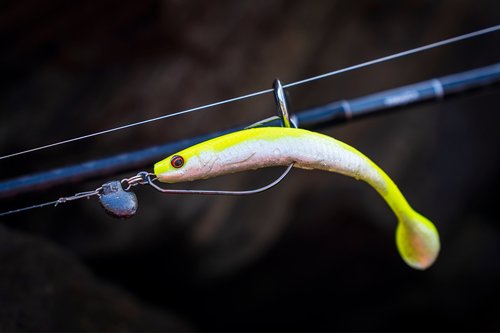
Fishing lures sometimes need weights to reach the right depth. Weights help the lure sink and move naturally in water.
Attaching weights correctly improves fishing success. It also keeps the lure working well without problems.
Proper Placement On Line
Place weights at the right spot on the fishing line. Too close to the lure can stop it from moving right.
Put the weight a few inches above the lure. This helps the lure swim naturally and sink smoothly.
- Keep weight 6-12 inches above the lure
- Use split shot or sliding weights for easy adjustment
- Test different placements for best action
Avoiding Tangles
Weights can cause the line to tangle if not attached well. Tangles waste time and can scare fish away.
Use smooth, round weights to reduce line twist. Pinch weights firmly but gently to avoid line damage.
- Choose round or oval weights
- Pinch weights carefully to hold them tight
- Check line for twists after casting
Maintaining Lure Action
Weights can change how the lure moves in water. Keep the lure’s action natural to attract fish.
Use light weights to keep good movement. Heavy weights may make the lure sink too fast or move weirdly.
- Start with light weights and add if needed
- Watch lure action after attaching weight
- Adjust weight size or position for best swim
Credit: mysterytacklebox.com
Frequently Asked Questions
Do Fishing Lures Always Need Weights?
Not all fishing lures need weights. Weighted lures help cast farther and sink faster. Some lures work best without added weight, depending on the fishing technique and target species.
How Do Weights Affect Fishing Lure Performance?
Weights control lure depth and movement. Adding weight helps reach deeper waters and improves casting distance. Too much weight can reduce lure action and scare fish away.
Can I Add Weights To Any Fishing Lure?
Most lures can have weights added, but it depends on design. Soft plastics and jigs often benefit from weights. Hard baits may need specific weighted versions instead.
What Types Of Weights Are Best For Fishing Lures?
Split shot, bullet, and tungsten weights are popular. Choose based on water depth, current, and lure type. Lightweight options suit shallow water; heavier weights work best in deep or fast currents.
Conclusion
Choosing the right weight for fishing lures helps catch more fish. Weights control how deep and fast your lure moves in water. They make your lure look natural and attract fish better. Too heavy or too light can reduce your chances.
Experiment with weights to find what works best for you. Remember, each fishing spot may need different weights. Keep practicing and adjusting to improve your fishing experience. Weights are a simple but useful tool in fishing success.