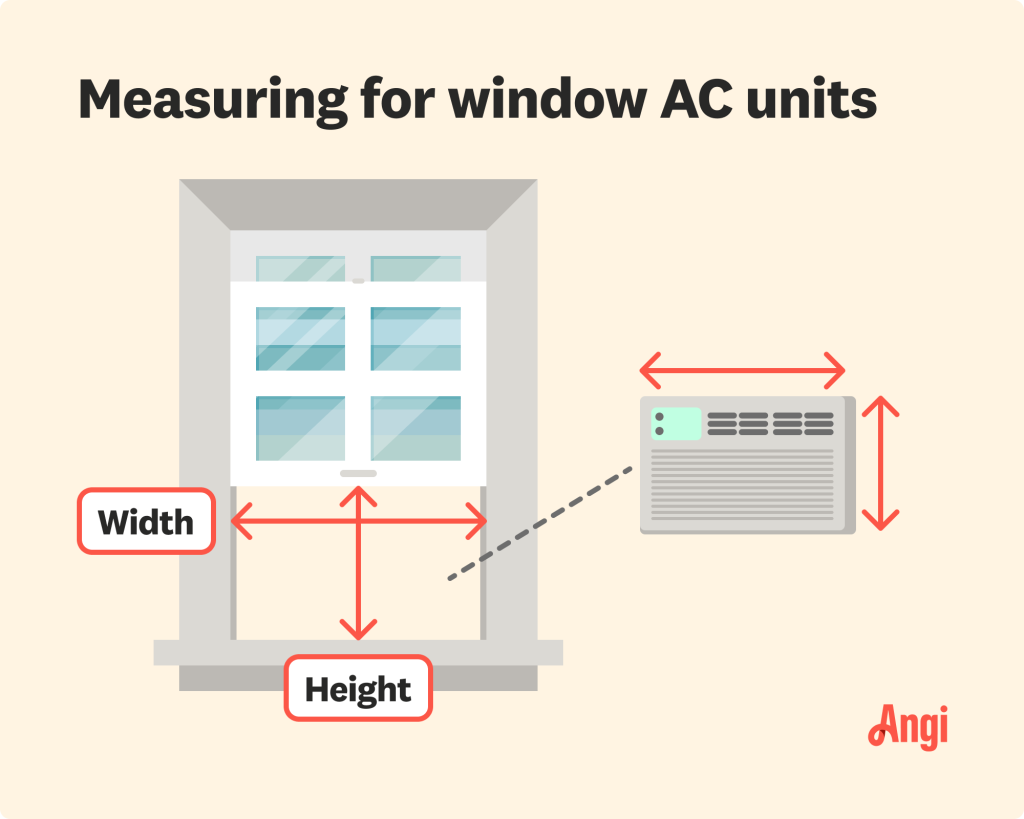
Struggling to keep your home cool and comfortable? The secret might lie in choosing the right air conditioner size.
But how do you measure it correctly? If you’ve ever wondered why some rooms in your home feel more like a sauna while others are a chilly escape, you’re not alone. Selecting the perfect air conditioner size is crucial for energy efficiency and comfort.
When you get it right, you save money and enjoy a perfectly balanced climate in your living space. In this guide, we’ll demystify the process of measuring air conditioner size, helping you make the best choice for your home’s unique needs. Ready to transform your living environment and boost your home’s comfort? Keep reading to discover how to measure air conditioner size like a pro.
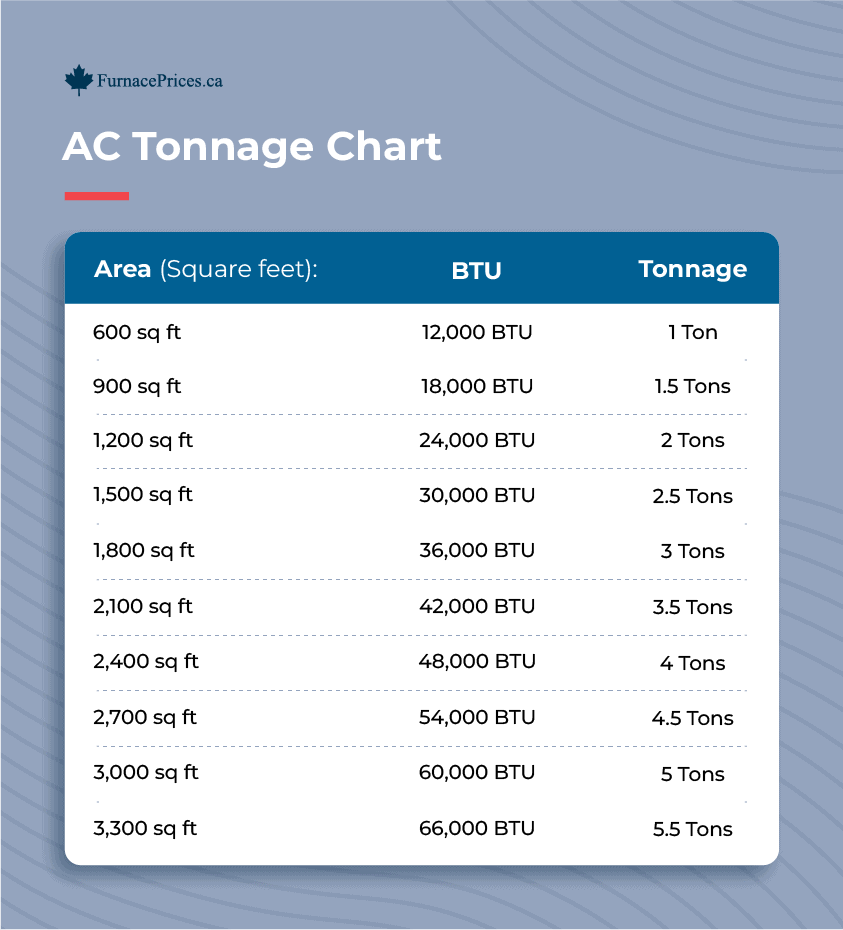
Credit: www.furnaceprices.ca
Why Ac Size Matters
Choosing the right size air conditioner is important for your home. A unit that is too big or too small will not work well.
The right size keeps your home cool, saves energy, and improves comfort.
Impact On Cooling Efficiency
An air conditioner that fits your space cools the room evenly. If it is too small, it will run all the time but not cool well.
A too large unit cools quickly but turns on and off often. This wastes energy and can make the room feel damp.
Energy Consumption Concerns
Using the right size AC helps save electricity. A small unit works too hard and uses more power. A large unit cycles too much and wastes energy.
Proper sizing lowers your energy bills and reduces wear on the system.
Comfort And Air Quality
The correct AC size keeps your home comfortable and fresh. It removes humidity and keeps air moving well.
Wrong size units can leave rooms too cold or too warm. They may also cause poor air quality with excess moisture.
Key Factors To Consider
Choosing the right size air conditioner is important for comfort and energy savings. Too small units will not cool well. Too large units waste electricity and cost more.
Several factors affect the size of air conditioner you need. These include the room size, insulation, and climate. Understanding these helps you pick the right unit.
Room Size And Layout
The size of the room is the main factor to measure air conditioner size. Bigger rooms need more cooling power. The shape and layout also affect airflow.
Rooms with open layouts or high ceilings may need larger units. Divide the total area by each section to find the cooling needs for irregular spaces.
- Measure room length and width in feet
- Calculate area by multiplying length by width
- Consider ceiling height for cooling volume
- Account for open or connected spaces
Insulation And Windows
Good insulation keeps the cool air inside and heat outside. Poor insulation makes the air conditioner work harder. Windows can let in sunlight and heat.
Rooms with many windows or large windows need bigger air conditioners. Use window treatments or shades to reduce heat gain. Check wall and ceiling insulation quality.
- Check wall and attic insulation levels
- Count number and size of windows
- Note window direction facing the sun
- Use curtains or blinds to reduce heat
Climate And Temperature
The local climate influences the size of the air conditioner. Hotter climates need more cooling power. Cooler climates may need smaller units.
Consider how hot it gets during summer days. Also, factor in humidity levels because damp air feels hotter. These affect how much cooling is needed.
- Check average high temperatures in summer
- Note humidity levels in your area
- Consider seasonal temperature changes
- Adjust air conditioner size for extreme heat
Calculating Cooling Load
Choosing the right air conditioner size is important for comfort. Calculating the cooling load helps find the right size.
Cooling load means the amount of heat to remove from a room. It depends on room size and heat sources.
Measuring Room Dimensions
Start by measuring the length, width, and height of the room. Use a tape measure for accuracy.
Multiply these numbers to get the room’s volume. This helps estimate how much air needs cooling.
- Length x Width = Floor area
- Floor area x Height = Room volume
Heat Sources Inside The Room
Identify heat sources like sunlight, appliances, and people. They add heat that the AC must remove.
More heat sources mean a higher cooling load. Count windows and devices that produce heat.
- Number of windows and sun exposure
- Electric appliances and lights
- Number of people usually in the room
Using Btu As A Unit
BTU stands for British Thermal Unit. It measures the energy needed to cool a space.
Higher BTU means more cooling power. Match your cooling load to the BTU rating of an air conditioner.
- 1 BTU cools about 1 square foot of space
- Calculate total BTU needed from room size and heat sources
- Choose an AC unit with BTU near this number
Credit: heatable.co.uk
Tools And Resources
Measuring the right size of an air conditioner is important for comfort and energy savings. Using the right tools and resources helps you find the correct size.
This guide covers three helpful ways to measure air conditioner size: online BTU calculators, professional HVAC assessments, and manufacturer guidelines.
Online Btu Calculators
Online BTU calculators help you estimate the cooling power needed for a room. You enter details like room size, ceiling height, and sun exposure.
These tools give a quick and easy estimate. They are free and available on many websites.
- Measure the room’s length and width in feet
- Note how much sunlight the room gets
- Include the number of people usually inside
- Account for appliances or electronics that produce heat
Professional Hvac Assessments
HVAC professionals use special tools to measure your home’s cooling needs. They check insulation, windows, and air flow.
This assessment gives a precise air conditioner size. Professionals can also suggest the best system for your space.
- Inspect room size and shape
- Check insulation quality
- Evaluate window type and placement
- Measure airflow and ventilation
Manufacturer Guidelines
Air conditioner makers provide sizing charts and manuals. These resources help match the unit size to your room’s cooling needs.
Follow these guidelines to avoid buying a too big or too small unit.
| Room Size (sq ft) | BTU Needed |
|---|---|
| 100 – 300 | 5,000 – 6,000 BTU |
| 300 – 500 | 7,000 – 8,000 BTU |
| 500 – 700 | 9,000 – 10,000 BTU |
| 700 – 1,000 | 12,000 – 14,000 BTU |
| 1,000+ | 15,000+ BTU |
Choosing The Right Ac Type
Choosing the right air conditioner size helps keep your home cool. It saves energy and money. Different AC types fit different rooms and needs.
Before buying, think about your space size and cooling needs. This guide explains common AC types to help you decide.
Window Units Vs. Split Systems
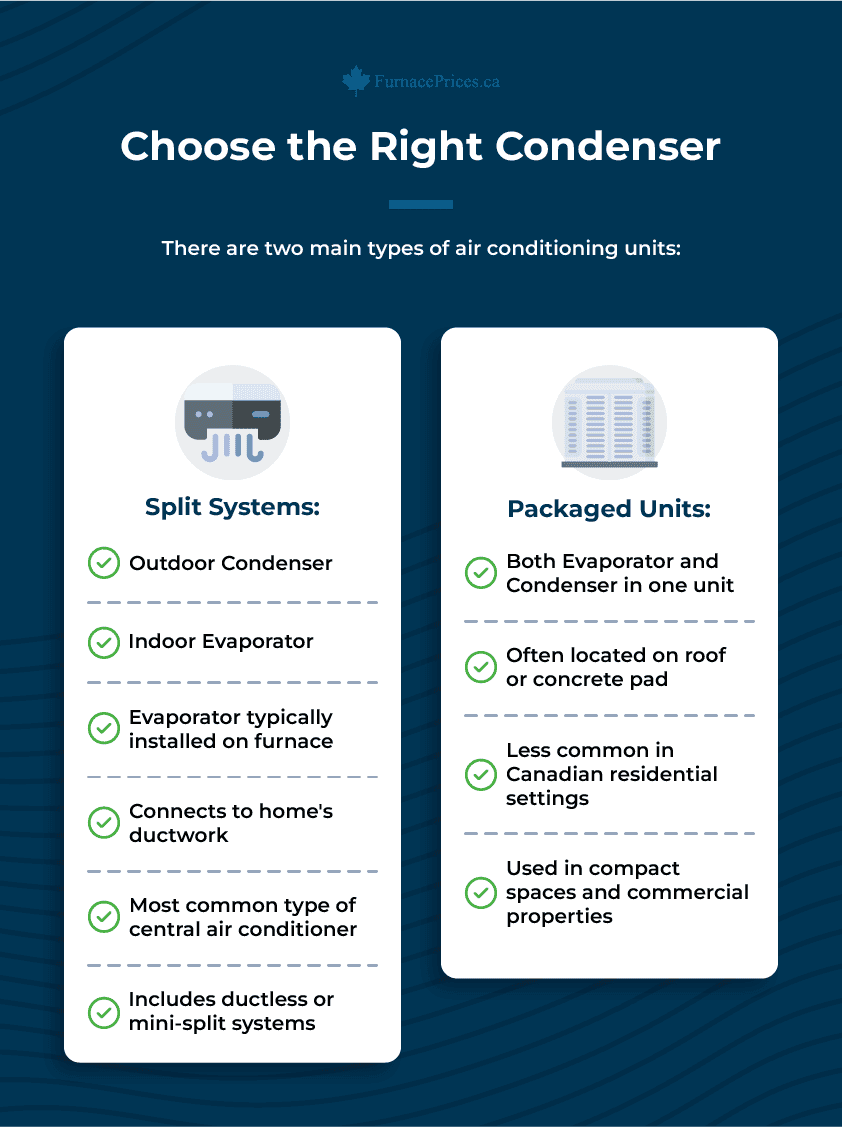
Window units are small, self-contained ACs. They fit in a window and cool one room. They are easy to install and usually cheaper.
Split systems have two parts: an indoor unit and an outdoor unit. They are quieter and cool larger areas better than window units.
- Window units cool single rooms
- Split systems cool multiple rooms
- Split systems are more energy efficient
- Window units are easier to move and install
Portable Air Conditioners
Portable ACs can move from room to room. They need a window for the exhaust hose. These units are good for renters or small spaces.
They are less efficient than split or window units. They are simple to use but can be noisy and take up floor space.
- Easy to move and install
- Require window vent for hot air
- Less energy efficient
- Good for temporary cooling needs
Central Air Conditioning
Central AC cools your whole house through ducts. It keeps temperature even in every room. This system works best for larger homes.
It costs more to install but uses less energy for big spaces. It also improves air quality by filtering the air.
- Cools entire house evenly
- Uses ductwork for air delivery
- Higher installation cost
- Energy efficient for large homes
- Improves indoor air quality
Credit: www.furnaceprices.ca
Installation Tips For Optimal Performance
Choosing the right size air conditioner is key to cooling your space well. Proper installation helps the unit work better and last longer.
Focus on where you place the unit, how you seal your home, and basic upkeep to keep the air conditioner efficient and effective.
Placement Considerations
Place the air conditioner in a shaded spot away from direct sunlight. Avoid areas with heat sources like ovens or lamps. Make sure the unit has clear space for airflow.
- Keep the unit at least 12 inches from walls or furniture.
- Install the unit where air can flow freely in and out.
- Do not block vents or filters with curtains or blinds.
- Choose a location close to the power source to avoid long wiring.
Sealing And Insulation
Proper sealing and insulation keep cool air inside and hot air out. This reduces the load on your air conditioner and saves energy.
| Area | What to Check | Tip |
| Windows | Gaps and cracks | Use weather stripping or caulk |
| Doors | Seals and frames | Install door sweeps and seal gaps |
| Walls | Insulation quality | Add insulation if needed |
| Vents | Leaks and blockages | Seal around vent openings |
Maintenance Basics
Regular care helps your air conditioner run smoothly. Clean parts and check for problems often.
- Clean or replace air filters every month during use.
- Clear debris from outside units to improve airflow.
- Check for unusual noises or leaks.
- Schedule professional inspections yearly.
Common Mistakes To Avoid
Choosing the right size for your air conditioner is important. Many people make errors that cause problems later.
This guide explains common mistakes to avoid when measuring air conditioner size.
Oversizing And Undersizing Issues
An air conditioner that is too big cools the room too fast. This stops it from removing moisture well.
A unit that is too small runs all the time and cannot cool the space properly. This wastes energy.
- Oversized units cause short cycling and high energy bills.
- Undersized units lead to constant running and poor cooling.
- Both affect comfort and increase repair needs.
Ignoring Professional Advice
Many try to pick the AC size without expert help. This can lead to wrong choices.
Experts use room size, insulation, and climate to find the right unit size. Skipping this step risks errors.
- Professionals perform accurate load calculations.
- They consider factors you might miss.
- Following advice helps avoid costly mistakes.
Neglecting Regular Maintenance
Not cleaning or checking your AC can reduce its efficiency. This makes the unit work harder.
Dirty filters and blocked parts affect cooling and may cause the system to fail earlier.
- Change or clean filters monthly.
- Keep vents and coils free of dust.
- Schedule yearly professional inspections.
Frequently Asked Questions
How Do I Calculate The Right Ac Size For My Room?
To calculate the right AC size, measure your room’s square footage. Multiply length by width. Use this number to find BTU needs. Larger rooms need higher BTUs for efficient cooling.
What Does Btu Mean In Air Conditioner Sizing?
BTU stands for British Thermal Unit. It measures cooling capacity. Higher BTUs cool larger spaces. Choosing the correct BTU ensures your AC runs efficiently and cools properly.
Why Is Ac Size Important For Energy Efficiency?
Proper AC size saves energy. An oversized unit cools too fast, causing frequent cycling and waste. An undersized unit runs constantly, raising bills. Correct sizing balances comfort and energy use.
Can I Use A Portable Ac For Different Room Sizes?
Portable ACs have specific BTU ratings for room sizes. Check your room’s square footage against the unit’s BTU capacity. Using the right size ensures effective and energy-efficient cooling.
Conclusion
Choosing the right air conditioner size saves energy and money. Measure your room carefully before buying. Think about ceiling height, windows, and sunlight. A properly sized unit cools evenly and works well. Avoid buying too big or too small units.
This keeps your home comfortable all year round. Use the tips shared here to decide easily. Stay cool without wasting power or cash. Simple steps lead to smart choices every time.