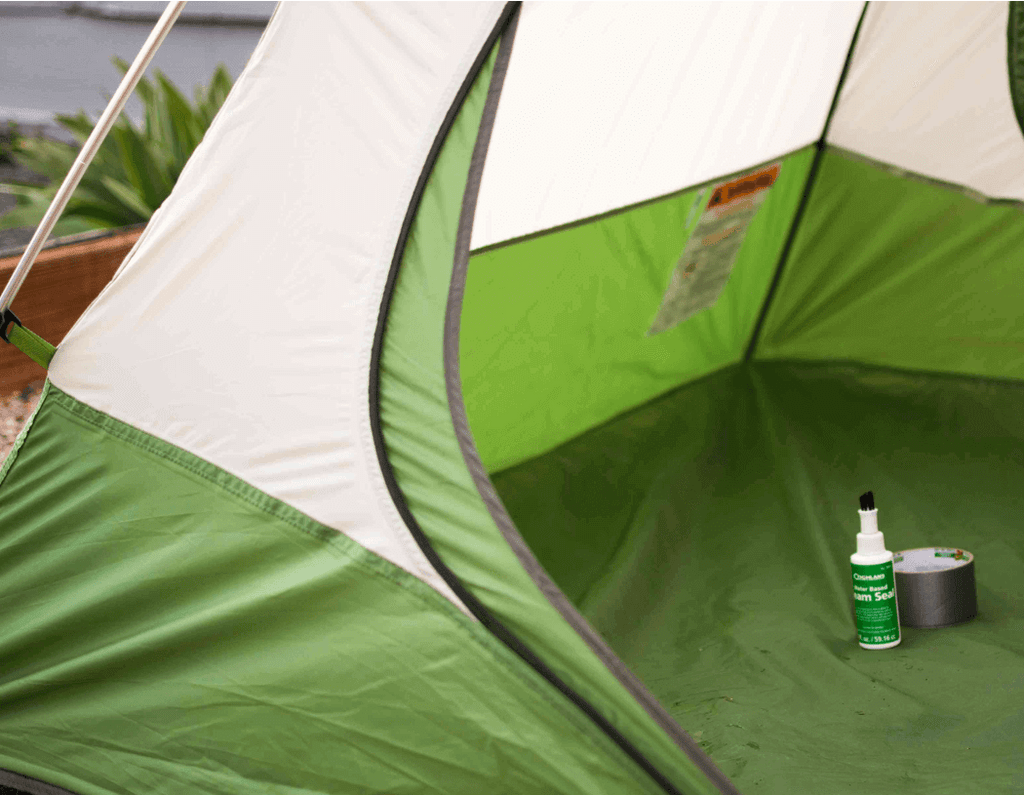
Are you tired of discovering mold in your tent after a relaxing camping trip? You’re not alone.
Mold not only makes your tent smell musty but can also damage the fabric and potentially harm your health. But don’t worry—cleaning a moldy tent is easier than you might think. By following a few simple steps, you can restore your tent to its former glory and ensure it’s ready for your next outdoor adventure.
In this guide, you’ll learn how to effectively tackle mold, protect your gear, and prolong the life of your tent. Keep reading, because your next camping trip deserves a fresh start.
Identifying Mold In Tents
Mold can grow inside your tent if it stays damp or dirty. It is important to spot mold early to keep the tent safe and clean.
Knowing where mold usually grows and what health risks it brings helps you act fast. This guide will help you find mold and understand why it matters.
Common Mold Spots
Mold often appears in hidden or moist areas inside your tent. Look for spots where water collects or where the fabric stays wet.
- Inside seams and folds of the tent fabric
- On the floor where dirt and moisture gather
- Near the tent’s ventilation flaps
- On the tent poles if they stay wet
- On stored gear or sleeping bags left inside the tent
Health Risks Of Mold
Mold can cause health problems, especially for people with allergies or breathing issues. It releases spores that may irritate your eyes, nose, and lungs.
| Health Effect | Symptoms |
| Allergic Reaction | Sneezing, runny nose, itchy eyes |
| Asthma Trigger | Wheezing, coughing, shortness of breath |
| Skin Irritation | Redness, rash, itching |
| Respiratory Infection | Chest tightness, fever, fatigue |
Preparing For Mold Removal
Cleaning a moldy tent needs careful preparation. You must get the right tools and set a safe spot to work.
Doing this helps protect your health and makes the cleaning easier and better.
Gathering Cleaning Supplies
Collect all cleaning supplies before you start. This saves time and keeps you safe during the process.
- Gloves to protect your hands
- Face mask to avoid breathing mold spores
- Soft brush or sponge for scrubbing
- Bucket for water and cleaning solution
- Mild detergent or specialized mold cleaner
- Spray bottle to apply the solution
- Old towels or rags for drying
Setting Up A Safe Cleaning Area
Choose a well-ventilated area outside your home. This keeps mold spores from spreading indoors.
Lay down old sheets or plastic to catch drips. Avoid cleaning in direct sunlight to prevent damage.
- Work outdoors or near open windows
- Use protective gear while cleaning
- Keep pets and children away from the area
- Dispose of used towels and gloves properly
Step-by-step Mold Cleaning Process
Mold can damage your tent fabric and cause health problems. Cleaning mold early keeps your tent safe and lasting longer. Follow these clear steps to remove mold from your tent.
Use gentle methods and proper cleaning solutions. Drying the tent well stops mold from returning. Read each section carefully before you start cleaning.
Initial Tent Inspection
Check your tent carefully for mold spots. Look inside and outside the fabric, seams, and zippers. Note the mold areas to focus on during cleaning. Also, check for any fabric tears or damage.
Vacuuming Mold Spores
Remove loose mold spores before wet cleaning. Use a vacuum with a soft brush attachment. Gently vacuum all moldy parts and surrounding areas. This step prevents mold spores from spreading further.
Applying Cleaning Solutions
Choose a mild cleaning solution safe for tent fabric. Mix water with white vinegar or a gentle soap. Avoid harsh chemicals that can harm the fabric or waterproof coating. Apply the solution evenly on moldy spots.
- Mix one part white vinegar with three parts water
- Or use a few drops of mild soap in water
- Apply the solution using a spray bottle or soft cloth
- Let it sit for 10 to 15 minutes to kill mold
Scrubbing Techniques
Use a soft brush or sponge to scrub mold spots gently. Do not use hard brushes that can damage fabric threads. Scrub in circular motions to lift mold without spreading it. Rinse the brush often to remove mold residue.
| Tool | Purpose | Care Tip |
| Soft brush | Lift mold gently | Rinse frequently to remove spores |
| Sponge | Apply cleaning solution and scrub | Use clean side for scrubbing |
| Spray bottle | Evenly apply cleaning solution | Refill as needed for full coverage |
Rinsing And Drying
Rinse your tent thoroughly with clean water to remove all cleaning residue. Use a hose or bucket but avoid soaking the tent too much. Hang the tent in a sunny, ventilated area to dry completely. Mold grows back if moisture stays in the fabric.

Credit: www.reddit.com
Choosing The Right Cleaning Products
Cleaning a moldy tent needs the right products to protect the fabric. Some cleaners work well but can harm the tent. Others are safe but may take longer to clean.
Knowing which cleaning products to use keeps your tent safe and mold-free. This guide covers natural options, commercial cleaners, and which chemicals to avoid.
Natural Remedies
Natural cleaners are gentle on the tent and the environment. They help remove mold without harsh chemicals. Many can be made from ingredients found at home.
- White vinegar kills mold spores effectively.
- Baking soda helps scrub and deodorize the fabric.
- Lemon juice has natural antifungal properties.
- Tea tree oil can be mixed with water for a mold spray.
- Hydrogen peroxide cleans mold and brightens fabric.
Commercial Mold Cleaners
Commercial mold cleaners work fast and are made for tough mold. Some are safe for tents, but you must check labels. Avoid cleaners with bleach or strong acids.
| Cleaner Type | Safe for Tent Fabric | Main Ingredient |
| Oxygen-based Cleaner | Yes | Sodium Percarbonate |
| Enzyme Cleaner | Yes | Natural Enzymes |
| Bleach Cleaner | No | Sodium Hypochlorite |
| Acid Cleaner | No | Hydrochloric Acid |
Avoiding Damaging Chemicals
Chemicals like bleach and strong acids can hurt tent material. They weaken fabric and remove waterproof coatings. Avoid cleaners with these ingredients.
- Do not use bleach or chlorine-based products.
- Avoid ammonia cleaners as they can damage the fabric.
- Stay away from harsh acids and solvents.
- Test any cleaner on a small fabric area first.
- Use mild soap and water if unsure about a cleaner.
Preventing Future Mold Growth
Mold grows on tents if they stay damp or dirty. Preventing mold helps keep your tent safe and long-lasting.
Proper care after cleaning stops mold from coming back. Follow these tips to protect your tent.
Proper Tent Storage
Store your tent in a dry and cool place. Avoid places with high humidity or direct sunlight.
Make sure the tent is completely dry before packing. Damp fabric invites mold to grow fast.
- Use a breathable storage bag, not plastic
- Keep the tent loosely folded or rolled
- Store off the ground to avoid moisture
- Check storage area for leaks or dampness
Ventilation Tips
Good airflow inside your tent stops mold spores from settling. Open vents and windows whenever possible.
After use, air out your tent outdoors. Dry it fully before packing to prevent dampness.
- Use mesh windows to improve airflow
- Keep tent flaps open during dry weather
- Set up tent in windy areas for better ventilation
Regular Tent Maintenance
Clean your tent after each trip to remove dirt and moisture. Regular checks help catch mold early.
Repair holes and tears quickly to stop water getting inside. Use mild soap and water for cleaning.
- Wash with gentle detergent and soft brush
- Dry tent completely before storage
- Inspect seams and zippers for damage
- Apply waterproof spray if needed

Credit: www.reddit.com
Handling Stubborn Mold Stains
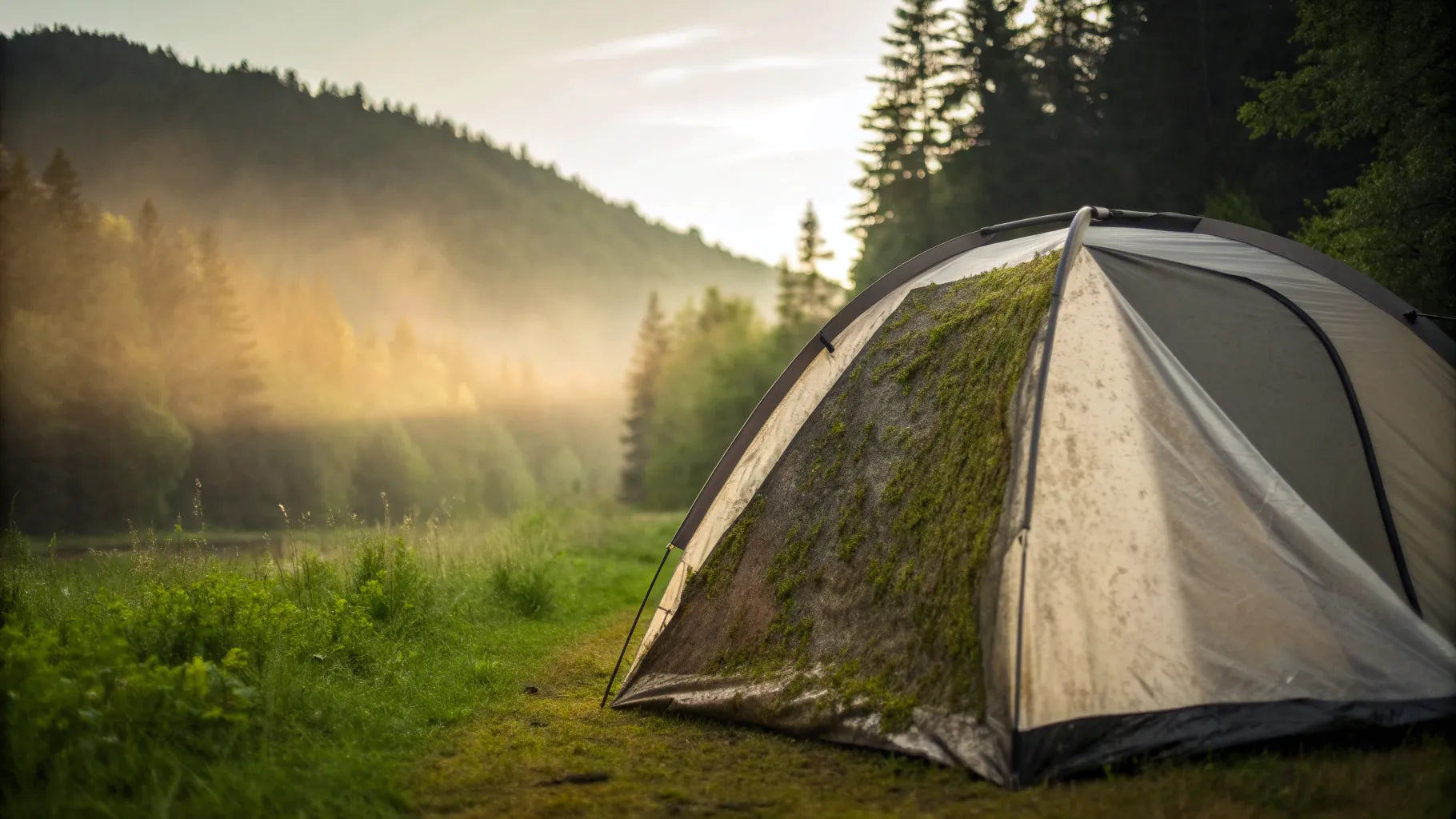
Stubborn mold stains on a tent can be tough to remove. These stains often grow deep into the fabric. Cleaning them needs special care to avoid damage.
Using the right methods helps keep your tent safe and mold-free. This guide covers treatments and signs to get professional help.
Using Specialized Treatments
Some mold stains need stronger cleaners than soap and water. Specialized treatments target mold without harming tent material.
- Use a mixture of white vinegar and water to spray the stains.
- Apply a small amount of baking soda paste to scrub tough spots gently.
- Try commercial mold removers made for outdoor gear, following the label instructions.
- Let the treatment sit for 10 to 15 minutes before rinsing with clean water.
- Dry the tent fully under sunlight to stop mold from returning.
When To Seek Professional Help
Some mold problems need expert care. If stains cover large areas or come back quickly, contact a professional.
| Signs You Need Help | Reasons to Contact Experts |
| Stains cover over half the tent | Deep mold growth can damage fabric |
| Persistent mold after cleaning | May need special treatments or repairs |
| Foul odor stays after washing | Hidden mold inside layers requires inspection |
| Material feels weak or thin | Structural damage risks safety during use |
Credit: www.battlbox.com
Frequently Asked Questions
How Do I Remove Mold From A Tent Safely?
To remove mold safely, use a mixture of water and mild detergent. Scrub gently with a soft brush. Rinse thoroughly and dry completely under the sun to prevent mold regrowth. Avoid harsh chemicals that can damage tent fabric.
What Household Items Clean Mold On Tents Effectively?
White vinegar, baking soda, and mild soap are effective household cleaners for mold. Vinegar kills mold spores, while baking soda deodorizes and cleans. Always rinse well and dry the tent fully after cleaning.
Can Mold Damage My Tent’s Fabric Permanently?
Yes, mold can weaken and discolor tent fabric if untreated. Mold produces acids that break down fibers. Prompt cleaning and thorough drying help preserve your tent’s material and extend its lifespan.
How Long Does It Take To Dry A Tent After Cleaning Mold?
Drying a tent usually takes 4 to 6 hours in direct sunlight. Proper airflow speeds drying and prevents mold return. Avoid packing the tent damp, as moisture encourages mold growth.
Conclusion
Cleaning a moldy tent takes care and patience. Start by removing all dirt and mold with gentle scrubbing. Use mild soap and water to avoid damage. Let the tent dry fully in the sun to stop mold growth. Store the tent in a dry, cool place next time.
Regular cleaning keeps your tent fresh and safe. A clean tent means better camping trips. Take small steps, and your tent will last longer. Mold won’t stand a chance with proper care. Ready for your next adventure?