Are you ready to hit the road with your bike but unsure if your helmet fits just right? Finding the perfect bike helmet isn’t just about style; it’s about safety.
A well-fitted helmet can be the difference between a close call and a serious injury. But how do you measure for a bike helmet that fits you perfectly? In this guide, we’ll unravel the simple steps to ensure your helmet offers the protection you deserve.
Stick around, because what you’ll discover might just change the way you ride forever. Your safety is too important to leave to guesswork, so let’s get started!
Why Helmet Fit Matters
Choosing the right bike helmet size is important for your safety. A helmet that fits well protects your head better in a crash.
Good helmet fit also makes riding more comfortable. It keeps the helmet stable and lets you focus on the road.
Safety Benefits
A helmet that fits right absorbs impact better. It lowers the risk of head injury during a fall or accident.
- Measure your head circumference with a soft tape.
- Try helmets that match your measurement.
- Make sure the helmet sits low on your forehead.
- Check that the straps form a V shape under your ears.
- Adjust the fit pads to avoid any loose space.
Comfort And Performance
A well-fitting helmet feels light and snug. It does not move around or press too hard anywhere.
| Fit Feature | Comfort Effect |
| Adjustable straps | Keep helmet steady without tightness |
| Breathable padding | Reduce sweat and skin irritation |
| Proper sizing | Balance weight for easier neck support |

Credit: www.amazon.ca
Tools You Need
To measure your head for a bike helmet, you need some simple tools. These tools help you find the right helmet size for safety and comfort.
Using the right tools makes the measurement easy and accurate. Two main tools you need are a measuring tape and helmet sizing charts.
Measuring Tape
A soft measuring tape is the best tool to measure your head. It wraps around your head easily and gives a precise measurement.
Place the tape above your eyebrows and ears, around the largest part of your head. Keep it snug but not tight. Note the number where the tape meets.
- Use a cloth or flexible plastic tape
- Measure just above your eyebrows
- Keep tape level around the head
- Write down the measurement in centimeters or inches
Helmet Sizing Charts
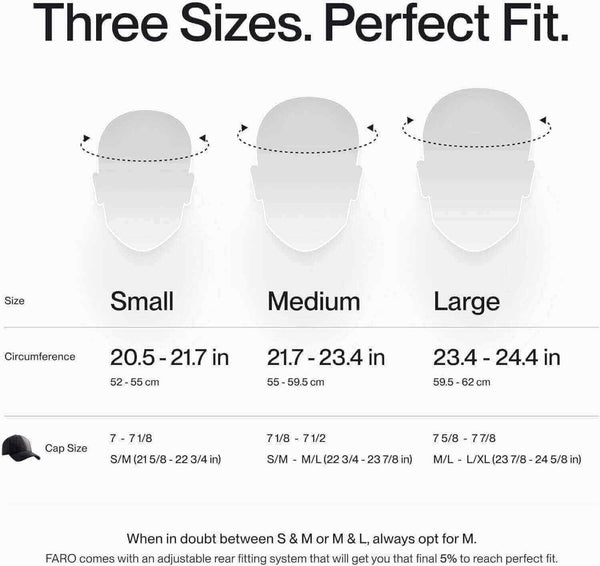
Helmet sizing charts help you find your helmet size from your head measurement. Each brand may have different size charts.
Compare your head measurement with the chart to pick the right helmet size. Use the chart from the helmet brand you want to buy.
| Head Circumference (cm) | Helmet Size |
|---|---|
| 50 – 54 | Small |
| 55 – 58 | Medium |
| 59 – 62 | Large |
| 63 – 65 | Extra Large |
Measuring Your Head Size
Choosing the right bike helmet size keeps you safe and comfortable. You need to measure your head correctly before buying one.
This guide will help you measure your head size for the best helmet fit.
Finding The Correct Position
Place the tape measure around your head where the helmet will sit. This is just above your eyebrows and ears.
Make sure the tape is level all around and not too high or low on your head.
- Start just above your eyebrows
- Wrap around the widest part of your head
- Keep the tape level and snug, not tight
- Avoid placing it on hair or hats
Taking Accurate Measurements
Use a soft tape measure for the most accurate size. If you do not have one, use a string and then measure it with a ruler.
Measure your head size in centimeters or inches. Write down the number to compare with helmet sizes.
- Take the measurement two or three times
- Measure with the tape snug but not tight
- Record the largest measurement
- Use this size to find your helmet
Choosing The Right Helmet Size
Choosing the right bike helmet size is important for safety and comfort. A helmet that fits well protects your head better in a crash.
Measuring your head correctly helps you pick a helmet that fits snugly without being too tight or loose.
Comparing Measurements To Size Charts
First, use a soft tape measure to find the circumference of your head. Place it just above your eyebrows and ears, around the largest part of your head.
Check the helmet brand’s size chart. Match your head measurement to their sizes to find the best fit. Sizes can vary between brands.
| Head Circumference (inches) | Helmet Size |
|---|---|
| 20.5 – 21.25 | Small |
| 21.25 – 22.25 | Medium |
| 22.25 – 23.25 | Large |
| 23.25 – 24 | Extra Large |
Considering Helmet Shape
Helmet shapes vary to fit different head types. Some helmets fit round heads, others fit oval heads better.
Try on helmets to see how they feel. The right shape will fit snugly without pressure points or gaps.
- Round helmets suit round heads
- Oval helmets suit longer, narrow heads
- Check comfort and fit in all areas
Trying The Helmet On
Trying on a bike helmet is important to make sure it fits well. A good fit keeps you safe and comfortable while riding.
Focus on how the helmet fits around your head and how the straps and padding feel. These details make a big difference.
Checking The Fit Around The Head
Put the helmet on and check if it sits level on your head. It should cover your forehead without tilting back or forward.
- The helmet should feel snug but not too tight.
- Try to move the helmet side to side and up and down. It should stay in place.
- If it shifts easily, try a smaller size.
- Make sure there are no pressure points that cause pain.
Adjusting Straps And Padding
Adjust the side straps so they form a “V” shape under your ears. The chin strap should be snug but still allow you to open your mouth.
| Adjustment | How to Check | Tip |
|---|---|---|
| Side Straps | Form a “V” under ears | Straps should not twist |
| Chin Strap | Snug under chin | Two fingers should fit between strap and chin |
| Padding | Even contact with head | Add or remove pads for comfort |

Credit: www.btosports.com
Signs Of A Proper Fit
Wearing a bike helmet that fits well keeps your head safe. It also makes riding more comfortable.
Check for certain signs to know if your helmet fits right. This helps you stay protected on every ride.
Helmet Stability
A good helmet stays in place when you move your head. It should not slide or shift around easily.
Try shaking your head side to side and up and down. The helmet should feel snug and steady without pain.
- The helmet does not rock forward or backward
- Straps keep the helmet secure under your chin
- It feels comfortable and firm, not loose
Pressure Points To Avoid
Check for spots where the helmet presses too hard on your head. These spots cause discomfort and pain.
A proper fit spreads pressure evenly. You should not feel sharp or strong pressure in any area.
- No tight spots on the forehead or sides
- No pinching around the temples or back of the head
- Straps do not dig into your skin
Common Fit Mistakes
Choosing the right bike helmet size is very important. A wrong fit can make the helmet unsafe or uncomfortable.
Many people make simple mistakes when measuring for a bike helmet. These mistakes affect how well the helmet protects.
Choosing Too Large Or Too Small
Picking a helmet that is too big causes it to move around on your head. This can reduce protection during a fall.
Helmets that are too small feel tight and cause pain. They can also press on your head in unsafe ways.
- Too large helmets slide down your forehead
- Too small helmets cause headaches and pressure spots
- Both sizes can reduce helmet safety
Ignoring Adjustment Mechanisms
Many helmets have straps and dials to adjust the fit. Ignoring these can lead to poor helmet position.
Adjustment parts help the helmet sit snugly and stay in place. Not using them properly lowers helmet safety.
- Straps should be tight but not uncomfortable
- Dials at the back help fit different head shapes
- Proper adjustment keeps the helmet steady when you move

Credit: yankel.co.uk
Maintaining Helmet Fit Over Time
Keeping your bike helmet fitting well is important for safety. A helmet that fits right protects your head better in a fall.
Over time, your helmet may need adjustments. Your head size or shape can change slightly. The helmet padding can also wear out.
Rechecking Fit Regularly
Check your helmet fit often to make sure it is snug and comfortable. A helmet that feels loose may not protect you properly.
Try these tips to recheck your fit:
- Place the helmet level on your head.
- Use the straps to tighten the fit.
- Shake your head side to side gently.
- Make sure the helmet does not move much.
- Check that the helmet covers your forehead.
Replacing Worn Padding
Padding inside the helmet can wear out over time. Worn padding reduces comfort and fit quality.
Replace the padding if you notice it is thin, torn, or missing pieces. New padding helps keep the helmet tight and comfy.
- Remove old padding carefully.
- Buy replacement padding made for your helmet model.
- Attach new padding firmly inside the helmet.
- Test the fit again after replacing padding.
Frequently Asked Questions
How Do You Measure Head Size For A Bike Helmet?
Use a flexible tape measure around your head, 1 inch above your eyebrows. This measures the circumference, which helps find the right helmet size.
Why Is Accurate Helmet Sizing Important?
A proper fit ensures maximum safety and comfort. An ill-fitting helmet can reduce protection during impacts and cause discomfort while riding.
How Tight Should A Bike Helmet Fit?
The helmet should fit snugly without pressure points. It should not move excessively when you shake your head.
Can I Use A Helmet Size Chart For Fitting?
Yes, size charts provide a general guide based on head circumference. Always try the helmet on for the best fit.
Conclusion
Measuring your head correctly ensures a safe and comfortable bike helmet fit. Use a soft tape measure and wrap it around your head just above your eyebrows. Note the number in centimeters or inches. Compare this size with the helmet brand’s sizing chart.
Try on the helmet to confirm it fits snugly without pressure. A well-fitted helmet protects your head better and makes riding more enjoyable. Take time to measure carefully. This simple step helps keep you safe on every ride.