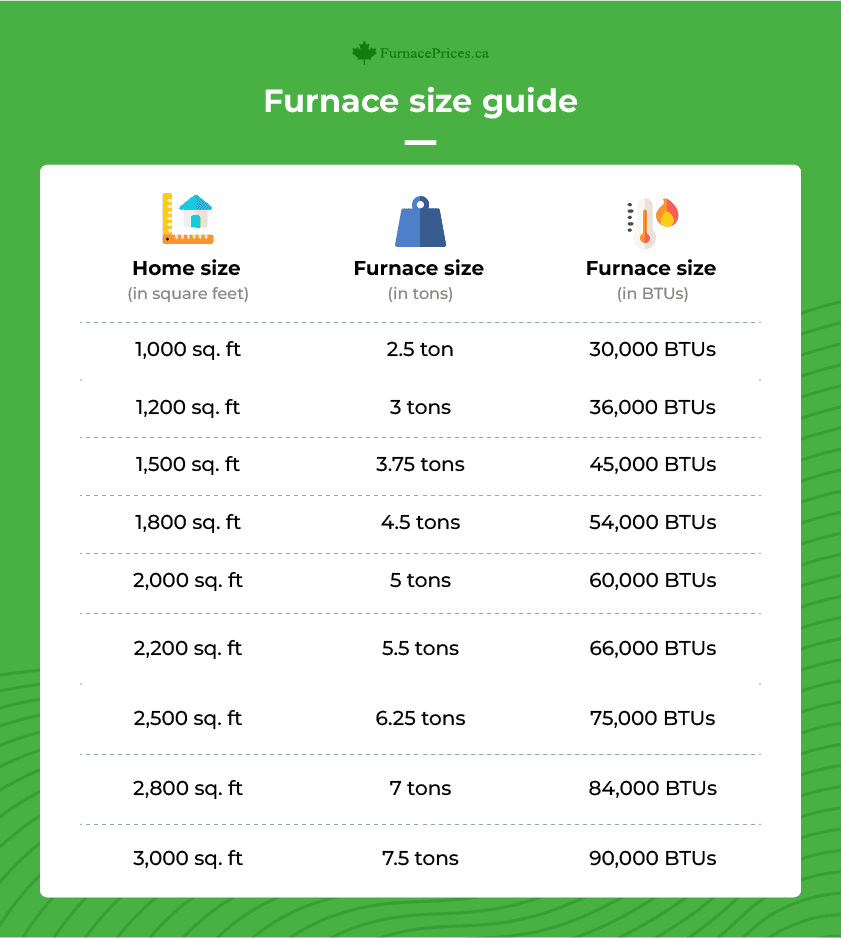
Are you feeling overwhelmed by the summer heat and wondering what size air conditioner you need for your 1900 square foot home? You’re not alone.
Choosing the right air conditioner can be a daunting task, with so many options and technical specifications to consider. But don’t worry, we’re here to make it simple for you. By the end of this article, you’ll know exactly what size air conditioner is perfect for your home, ensuring you stay cool and comfortable all summer long.
Keep reading to uncover the secrets to making the best choice for your space and your wallet.
Calculating Cooling Needs
Choosing the right air conditioner size is important for comfort. A unit that is too small will struggle to cool your space. A unit that is too large wastes energy and money.
To find the best size for 1900 square feet, you need to calculate the cooling needs. This depends on the area size and other factors that affect heat inside your home.
Square Footage And Btu
BTU stands for British Thermal Unit. It measures how much heat an air conditioner can remove per hour. The larger your home, the higher the BTU rating you need.
Typically, you need about 20 BTUs per square foot to cool a space well. For 1900 square feet, multiply 1900 by 20 to estimate the required BTU.
| Square Footage | BTU Required |
|---|---|
| 1000 sq ft | 20,000 BTU |
| 1500 sq ft | 30,000 BTU |
| 1900 sq ft | 38,000 BTU |
| 2000 sq ft | 40,000 BTU |
Factors Influencing Cooling Load
Several factors change how much cooling your home needs. These factors affect the heat that enters your space and how hard your AC must work.
- Sunlight:Rooms with many windows or direct sunlight get hotter.
- Insulation:Poor insulation lets heat in and cool air out.
- Number of occupants:More people produce more body heat.
- Appliances:Devices like ovens and computers add extra heat.
- Ceiling height:Higher ceilings require more cooling power.

Credit: minisplitsystemsdirect.com
Recommended Ac Sizes For 1900 Sq Ft
Choosing the right air conditioner size is important for a 1900 square feet space. The correct size keeps your home cool and saves energy.
An AC that is too small will struggle to cool your home. One that is too large will waste power and cause humidity problems.
Btu Range For 1900 Sq Ft
BTU stands for British Thermal Unit. It measures how much heat an AC can remove in one hour.
For 1900 square feet, the recommended BTU range is usually between 24,000 and 30,000 BTUs. This range cools the space effectively without wasting energy.
- 24,000 BTUs work well for well-insulated homes.
- 27,000 BTUs suit average insulation and moderate sun exposure.
- 30,000 BTUs fit homes with poor insulation or high sun exposure.
Choosing Between Unit Types
You can choose from central AC, ductless mini-split, or window units for cooling 1900 square feet. Each type has its benefits.
Central AC cools the whole house through ducts. Mini-split systems cool specific zones without ducts. Window units cool single rooms.
- Central AC:Best for full-house cooling and higher efficiency.
- Mini-split:Good for homes without ducts and flexible cooling.
- Window Units:Affordable but only cool small areas.
Types Of Air Conditioners
Choosing the right air conditioner size is important for a 1900 square feet home. Different types of air conditioners offer various benefits and fit different needs.
Here are the common types of air conditioners to consider for your space.
Central Air Conditioners
Central air conditioners cool your entire home using ductwork. They are good for larger spaces like a 1900 square feet house.
These systems use one large unit to cool air and send it through ducts in every room. They are energy efficient and maintain even temperatures.
- Requires duct installation
- Best for whole-house cooling
- Usually more expensive to install
- Needs regular maintenance
Ductless Mini-splits
Ductless mini-splits cool individual rooms without using ducts. They have an outdoor compressor and one or more indoor units.
They are good for homes without ductwork and allow you to control temperatures in different rooms separately.
- No ductwork needed
- Can cool multiple rooms
- Easy to install
- Energy efficient for zoning
Window Units And Portable Acs
Window units fit in a window opening and cool one room at a time. Portable ACs stand on the floor and can move from room to room.
These are good for small spaces or temporary cooling. They are usually less expensive but less powerful than central or mini-split systems.
- Easy to install
- Good for single rooms
- Less energy efficient
- Portable units need venting

Credit: thefurnaceoutlet.com
Energy Efficiency Considerations
Choosing the right air conditioner size for 1900 square feet helps save energy. Energy efficiency lowers electricity use and keeps your home comfortable.
Understanding ratings and costs will guide you to the best cooling system. This helps reduce your utility bills and environmental impact.
Seer Ratings Explained
SEER stands for Seasonal Energy Efficiency Ratio. It measures how well an air conditioner cools using electricity over a season.
- Higher SEER means better efficiency.
- Typical SEER ratings range from 13 to 21.
- Energy Star units usually have SEER above 14.
- Higher SEER units cost more upfront but save money over time.
Impact On Utility Bills
Energy efficiency directly affects your monthly electric bill. A more efficient air conditioner uses less electricity to cool the same space.
| SEER Rating | Estimated Annual Cost |
| 13 | $500 |
| 16 | $400 |
| 20 | $320 |
Installation Tips
Choosing the right air conditioner size for 1900 square feet is important. Proper installation helps the unit work well and last longer.
This guide gives tips on sizing, placing, and hiring professionals for your air conditioner installation.
Proper Sizing And Placement
Installing the correct size air conditioner keeps your home comfortable. Too small a unit will not cool well. Too large one wastes energy.
- Measure your home’s total square footage accurately.
- Match the air conditioner capacity to the room size.
- Place the unit where air can flow freely without blockage.
- Avoid direct sunlight on the air conditioner to improve efficiency.
- Keep the unit away from heat sources and vents.
- Install the outdoor unit on a stable and level surface.
Hiring Professional Installers
Professional installers ensure your air conditioner fits and works well. They follow safety rules and local codes.
| Reason | Benefit |
| Experience with different systems | Correct installation and fewer problems |
| Proper handling of refrigerants | Environmental safety and unit efficiency |
| Knowledge of electrical connections | Safe and reliable operation |
| Access to the right tools | Faster and cleaner installation |
| Warranty protection | Validates manufacturer and installer guarantees |

Credit: stalkingtheseam.com
Maintenance And Longevity
Choosing the right size air conditioner for a 1900 square feet space is important. Proper care helps your unit last longer and work well. Regular maintenance keeps the air clean and reduces repair costs.
Simple steps can improve your air conditioner’s life. Knowing when to clean and when to replace parts saves money and energy.
Routine Cleaning
Cleaning your air conditioner often keeps it running smoothly. Dirt and dust block airflow and lower efficiency. Clean filters, coils, and vents regularly to avoid problems.
- Remove and wash or replace air filters every 1 to 3 months.
- Clean evaporator and condenser coils yearly.
- Clear debris and dust from vents and registers.
- Check and clean the drain line to prevent clogs.
Signs Of Replacement
Sometimes, your air conditioner needs replacing. Watch for signs to avoid breakdowns and high bills. A timely replacement keeps your home comfortable and saves energy.
| Sign | What It Means | Action |
| Frequent repairs | Unit is aging and parts fail often | Consider replacing the unit |
| High energy bills | Unit uses more power than before | Check efficiency or replace |
| Uneven cooling | Airflow or compressor issues | Inspect or replace if needed |
| Strange noises | Mechanical problems inside | Service or replace unit |
| Age over 10-15 years | Outdated technology and wear | Plan for new unit installation |
Cost Estimates And Budgeting
Choosing the right air conditioner size for 1900 square feet is important. It helps keep your home cool and saves money.
Knowing the costs of the unit and installation helps plan your budget well. This guide covers price ranges and installation costs.
Unit Price Ranges
Air conditioners for 1900 square feet usually range from 2.5 to 3.5 tons. Prices vary based on brand and features.
The price for a unit can start from $1,500 and go up to $3,500 or more. Higher efficiency units cost more but save energy.
- Basic 2.5-ton units: $1,500 – $2,000
- Mid-range 3-ton units: $2,000 – $2,800
- High-efficiency 3.5-ton units: $2,800 – $3,500+
Installation Costs
Installation costs depend on the complexity of the job and your location. On average, installation adds $1,000 to $2,500.
Costs include labor, permits, and any extra parts needed. Simple installations cost less than complex ones.
- Basic installation: $1,000 – $1,500
- Standard installation with ductwork: $1,500 – $2,000
- Complex installation or upgrades: $2,000 – $2,500+
Frequently Asked Questions
What Btu Air Conditioner Is Best For 1900 Sq Ft?
For 1900 sq ft, a 24,000 to 30,000 BTU air conditioner is ideal. It efficiently cools the space without excess energy use. Proper sizing ensures comfort and energy savings.
How To Calculate Ac Size For 1900 Square Feet?
Multiply the square footage by 20-25 BTU per square foot. For 1900 sq ft, this equals roughly 38,000 to 47,500 BTU. Adjust for ceiling height, insulation, and sun exposure for accuracy.
Can A 2-ton Ac Cool 1900 Sq Ft Efficiently?
Yes, a 2-ton AC (24,000 BTU) can cool 1900 sq ft if insulation is good. However, 2. 5-ton units offer better performance in warmer climates or poor insulation.
Why Is Proper Ac Sizing Important For 1900 Sq Ft?
Proper sizing prevents energy waste and uneven cooling. An underpowered AC won’t cool well, while an oversized unit cycles frequently, increasing wear and costs.
Conclusion
Choosing the right air conditioner size for 1900 square feet matters a lot. A unit that fits well cools your home efficiently. Too small, and it will run all day without cooling properly. Too large, and it wastes energy and money.
Aim for a system around 24,000 to 30,000 BTUs. This size usually works best for homes this big. Proper cooling keeps your home comfortable and lowers bills. Remember to check insulation and sunlight, as they affect cooling needs. Pick wisely to enjoy cool air without extra costs.