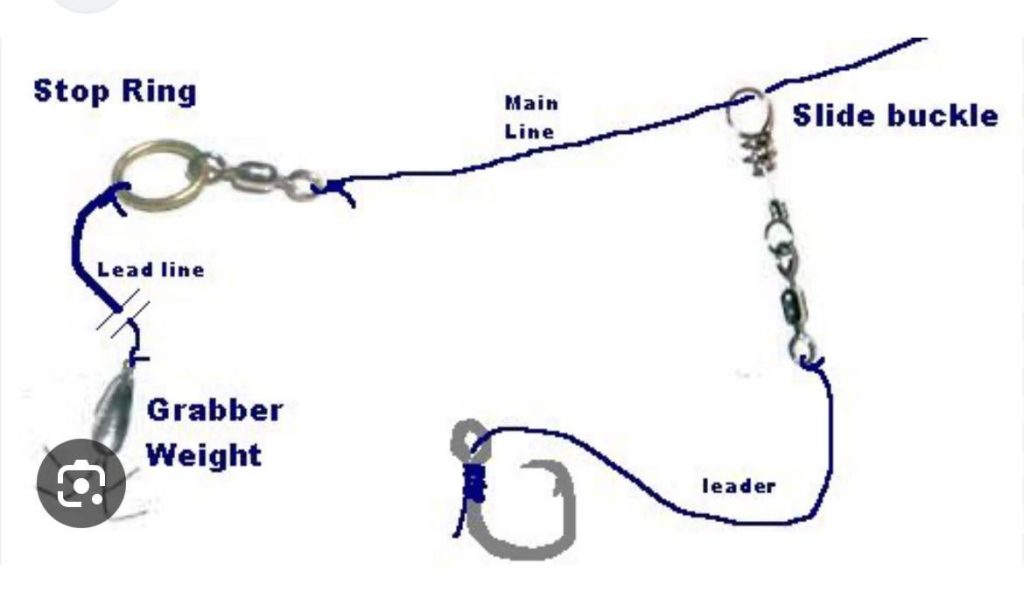
Have you ever wondered where exactly to place the weight on your fishing line? Getting this right could be the difference between a successful fishing trip and a day of frustration.
Whether you’re a seasoned angler or a curious beginner, understanding how to optimize the weight on your line can significantly impact your catch rate. Imagine casting your line with precision, knowing you’ve set up for the perfect strike. We’ll dive into the secrets behind weight placement, ensuring your fishing line is set up for maximum effectiveness.
Get ready to discover techniques that can transform your fishing experience. Keep reading to find out how you can make every cast count.

Credit: mysterytacklebox.com
Purpose Of Fishing Weights
Fishing weights help anglers control how their bait moves in the water. They add necessary weight to the fishing line.
These weights make it easier to cast farther and keep the bait where fish can reach it.
Enhancing Casting Distance
Adding weight to the fishing line helps the angler cast the bait further. The heavier the weight, the more force the rod can transfer to the line.
- Heavier weights allow longer casts.
- They help the line cut through wind better.
- Weights add momentum to the bait during casting.
Maintaining Bait Depth
Weights keep the bait at the right depth where fish often feed. Without weights, bait can float on the surface or drift too high.
| Weight Type | Best Depth Use |
| Split Shot | Shallow water |
| Egg Sinkers | Mid-depth water |
| Bullet Weights | Deep water |
Improving Line Stability
Weights help reduce line movement caused by currents or waves. This keeps the bait steady and natural-looking.
Benefits of stable fishing line:
- Prevents bait from drifting away
- Makes fish less likely to notice the line
- Improves hook setting chances

Credit: www.reddit.com
Types Of Fishing Weights
Fishing weights help cast the line farther and keep bait at the right depth. Different types suit different fishing styles and water conditions.
Choosing the right weight improves fishing success. Below are common types of fishing weights and how they work.
Split Shot Weights
Split shot weights are small, round, and have a split for clipping onto the fishing line. They add light weight without much bulk. These weights are easy to adjust by adding or removing them on the line.
Egg Sinkers
Egg sinkers are oval-shaped weights with a hole through the center. The fishing line passes through the hole, allowing the bait to move freely. They work well in currents because they cause less resistance.
- Oval or egg shape
- Hole through center
- Good for river fishing
- Allows bait to move naturally
Bullet Weights
Bullet weights are shaped like a bullet and slide easily through weeds and brush. They are popular for fishing with soft plastic baits. Their shape helps avoid snagging on underwater plants.
| Weight Type | Shape | Best Use |
|---|---|---|
| Split Shot | Round with split | Adjustable light weight |
| Egg Sinker | Oval with center hole | Fishing in currents |
| Bullet Weight | Bullet-shaped | Fishing in weeds |
| Bank Sinker | Flat and round | Strong currents and bottom hold |
Bank Sinkers
Bank sinkers are flat and round with a hole at one end. They hold the bait firmly on the bottom. These weights work well in strong currents and rocky areas because they stay in place.
Placement Of Weights On The Line
Placing weights correctly on a fishing line affects how the bait moves. It helps control the depth and distance of your cast. Knowing where to put the weight can improve your fishing results.
Different setups work best depending on the fishing style and water conditions. This guide covers three common placements for weights on the line.
Near The Hook
Placing the weight near the hook makes the bait sink faster. This setup works well in deep or fast-moving water. It helps keep the bait close to the bottom where fish often feed.
- Improves bait control
- Helps reach deeper water quickly
- Works well for bottom fishing
At A Distance From The Hook
Putting the weight a bit away from the hook lets the bait move more naturally. Fish may be more attracted to this setup because the bait floats freely. This method is good for slow currents or calm water.
| Distance from Hook | Effect |
| 1 to 2 feet | Natural bait movement |
| 3 to 4 feet | Better casting distance |
| More than 4 feet | Works in strong currents |
Multiple Weights Setup
Using more than one weight helps balance the line and control bait movement. Anglers use this setup to adjust for different water layers or to improve casting. The weights can be spaced evenly or clustered.
- Better line stability
- Improved bait presentation
- Easy to adjust for depth
Effect Of Weight Placement On Fishing
Weight placement on a fishing line changes how the line behaves in water. It affects casting, bait action, and fish response. Anglers must understand this to fish better.
Placing weight too close or too far from the bait can make a big difference. This guide explains the effects in three key areas.
Casting Accuracy
Weight placement impacts how far and how straight you can cast. When weight sits near the bait, it helps the cast fly true. If the weight is too far away, the cast may wobble or lose distance.
- Weight near the bait improves control during the cast.
- Weight far from the bait can cause line drag and reduce accuracy.
- Even weight distribution helps the bait land softly.
- Heavier weights allow casting in windy conditions but may reduce precision.
Bait Movement
Where you put the weight changes how the bait moves in water. Weight near the bait keeps it steady and natural. Weight farther away lets the bait move more freely but may look unnatural.
| Weight Position | Bait Movement | Effect |
| Close to Bait | Limited movement | Looks natural, good for slow fish |
| Far from Bait | More movement | Attracts active fish, may scare shy fish |
| Evenly Spaced | Balanced action | Good for general fishing |
Fish Detection
Weight placement helps anglers feel bites better. Weight close to the bait lets you detect light bites quickly. Weight far from bait can delay bite detection but helps when fishing in deep water.
Tips for Better Fish Detection:
- Keep weight close if fish are gentle biters.
- Use weight farther away in rough water.
- Adjust weight position based on fish behavior.
Choosing The Right Weight Size
Choosing the right weight size on a fishing line affects your cast and catch. The weight helps your bait sink and stay where fish are.
Pick a weight that matches the water, fish, and line strength. This choice makes fishing easier and more successful.
Based On Water Conditions
Water conditions change how your weight works. Fast currents need heavier weights to hold the bait down. Calm water needs lighter weights to avoid scaring fish.
- Use heavy weights in strong currents or deep water
- Use medium weights in moderate currents or shallow water
- Use light weights in calm, shallow water
Matching Target Fish Species
Different fish react to weight size in different ways. Small fish need light weights for natural bait movement. Large fish need heavier weights to reach their depth.
| Fish Species | Recommended Weight Size |
| Trout | Light (1-5 grams) |
| Bass | Medium (5-15 grams) |
| Catfish | Heavy (15-30 grams) |
| Salmon | Heavy (20-40 grams) |
Considering Line Strength
Use a weight size that your line can handle. Heavy weights on weak lines cause breaks. Light weights on strong lines may not sink properly.
Here is a quick guide to match weight size with line strength:
- Light line (2-6 lb): Use light weights (1-5 grams)
- Medium line (6-12 lb): Use medium weights (5-15 grams)
- Heavy line (12+ lb): Use heavy weights (15-40 grams)
Common Mistakes With Weight Usage
Using weights on a fishing line helps control how the bait moves in the water. Many anglers make errors with weight use. These mistakes affect fishing success.
Understanding where the weight goes and how it behaves improves your fishing experience. Avoiding common mistakes can help you catch more fish.
Using Too Heavy Weights
Heavy weights can sink the bait too fast. This scares fish away or hides the bait from their view. It also makes the line harder to cast and control.
Heavy weights increase the risk of line breakage. They put extra pressure on the rod and reel. Using lighter weights helps keep the fishing line safe and the bait natural.
Incorrect Placement
Placing the weight too close to the hook can reduce bait movement. This makes the bait look less natural to fish. It can also cause tangles in the line.
Weights set too far from the hook may not help the bait reach the right depth. Proper placement balances bait action and line control.
- Weight near hook: less bait movement
- Weight far from hook: poor depth control
- Find middle ground for best action
Ignoring Water Currents
Water currents push your bait and weight away from the target spot. Ignoring currents causes the bait to drift too much. This reduces chances to catch fish.
Choose weights that match current strength. Heavier weights work better in strong currents. Lighter weights are good for calm water. Adjust weight to keep bait where fish are.
- Strong currents need heavier weights
- Calm water suits lighter weights
- Adjust weight to control bait position
Tips For Effective Weight Placement
Placing weight on a fishing line affects how your bait moves. Correct placement helps you catch more fish.
Learning where to put the weight can improve your fishing results. Try different ways to find what works best.
Experimenting With Positions
Try moving the weight up or down the line to see how the bait behaves. Different spots change the bait’s action in water.
Placing the weight closer to the hook makes the bait sink faster. Putting it farther away lets the bait move more naturally.
- Close to the hook for fast sinking
- Farther from the hook for natural movement
- Middle position for balanced action
Adjusting For Weather Changes
Wind and water flow affect how your line acts. Change weight placement to keep control in different weather.
On windy days, put weight closer to the bait to prevent drifting. In calm water, you can place weight farther away for better bait action.
- Windy: Weight near bait to reduce drift
- Calm: Weight farther for natural bait movement
- Strong currents: Heavier weights and closer placement
Combining Weights For Balance
Use different types of weights to balance your line. This can help your bait stay at the right depth and move well.
Combine a small weight near the hook with a heavier one higher up. This setup controls depth and reduces line slack.
- Small weight near hook for bait control
- Heavier weight higher to sink line quickly
- Adjust weights based on fishing depth and fish type
Impact On Fish Behavior And Catch Rate
Weights on a fishing line change how the bait moves in water. This affects fish behavior and the chance of catching fish.
Understanding these effects helps anglers adjust their methods to improve results.
How Weights Affect Bait Presentation
Weights control how deep and fast the bait sinks. This changes the bait’s movement and appearance. Fish often react differently based on these factors.
- Light weights let bait move slowly and naturally near the surface.
- Heavier weights sink bait quickly to reach deeper fish.
- Weight placement on the line can change bait action, like wobbling or spinning.
Influence On Fish Strikes
Fish strike more when bait looks natural and moves well. Weight affects this by shaping bait behavior and how fish see it.
| Weight Type | Effect on Bait | Fish Reaction |
| Light | Slow sinking, gentle movement | Attracts cautious fish |
| Medium | Moderate sink, steady action | Good for active fish |
| Heavy | Fast sinking, strong movement | Triggers aggressive strikes |
Adapting Strategies Based On Results
Anglers should change weight and bait style based on how fish respond. Testing different setups helps find the best choice.
- Try light weights if fish ignore fast-sinking bait.
- Use heavier weights to reach deeper areas or faster currents.
- Move weight placement to alter bait action and observe fish reaction.
- Note which setups catch more fish and repeat those techniques.

Credit: mysterytacklebox.com
Frequently Asked Questions
Where Does The Fishing Line Weight Actually Go?
The weight moves down the fishing line, concentrating near the sinker. It keeps the bait submerged and stable in water, helping to cast farther and hold position against currents.
How Does The Weight Affect Fishing Line Casting?
Weight adds momentum, allowing longer, more controlled casts. It helps the line cut through air and water, improving accuracy and distance when casting.
Why Is Weight Important For Fishing Line Tension?
Weight maintains tension, preventing slack that can cause missed bites. It keeps the line tight, improving sensitivity to fish bites and better hook setting.
Can Improper Weight Placement Harm Fishing Line Performance?
Yes, incorrect weight placement reduces casting efficiency and sensitivity. It can cause tangling, line breakage, or poor bait presentation, lowering fishing success.
Conclusion
Understanding where the weight goes on a fishing line helps improve your fishing skills. The weight moves through the water, pulling the line down and keeping the bait steady. It affects how far and deep you can cast. Knowing this helps you choose the right weight for each fishing spot.
Keep practicing and observe how the line reacts. This knowledge makes fishing more fun and successful. Simple tips like this can make a big difference in your fishing experience.