
You’re lounging comfortably on a scorching summer day when suddenly, your air conditioner stops working. You check and discover it’s completely frozen over.
Frustration sets in as you wonder why this essential appliance has let you down at the worst possible time. But don’t worry, you’re not alone. Many people face this icy dilemma, and knowing how to tackle it can save you from sweaty nights and costly repairs.
You’ll uncover the common reasons behind a frozen air conditioner and learn simple steps to fix it. Imagine the relief of cool, refreshing air flowing through your home again. By understanding these causes and solutions, you can prevent future freeze-ups and keep your space comfortable throughout the hottest days. So, let’s dive into how you can solve this chilling problem and ensure your air conditioner stays in top shape.
Credit: blog.bestbuy.ca
Why Ac Units Freeze
Air conditioners can freeze up and stop working well. This happens when ice forms on parts inside the unit. It can cause your home to feel warmer instead of cooler.
Understanding why AC units freeze helps you spot problems early. You can then fix issues before they cause bigger damage.
Common Causes
Several problems can cause an AC to freeze. These include low airflow, dirty filters, and low refrigerant levels.
- Dirty air filters block airflow and cause ice to form.
- Low refrigerant means the unit gets too cold inside.
- Blocked or closed vents reduce air movement over coils.
- Faulty blower fans fail to push warm air across the coils.
- Thermostat issues cause the system to run too long or too cold.
Impact On Cooling
When your AC freezes, cooling drops quickly. Ice blocks air from flowing, so less cold air reaches your rooms. The system works harder and wastes energy.
| Effect | Description |
| Reduced airflow | Ice blocks vents and coils, cutting air movement. |
| Higher energy use | The unit runs longer to try to cool the home. |
| Possible damage | Frozen parts can break or wear out faster. |
Signs To Watch For
Notice these signs to catch freezing early. Acting fast can save your AC and keep your home cool.
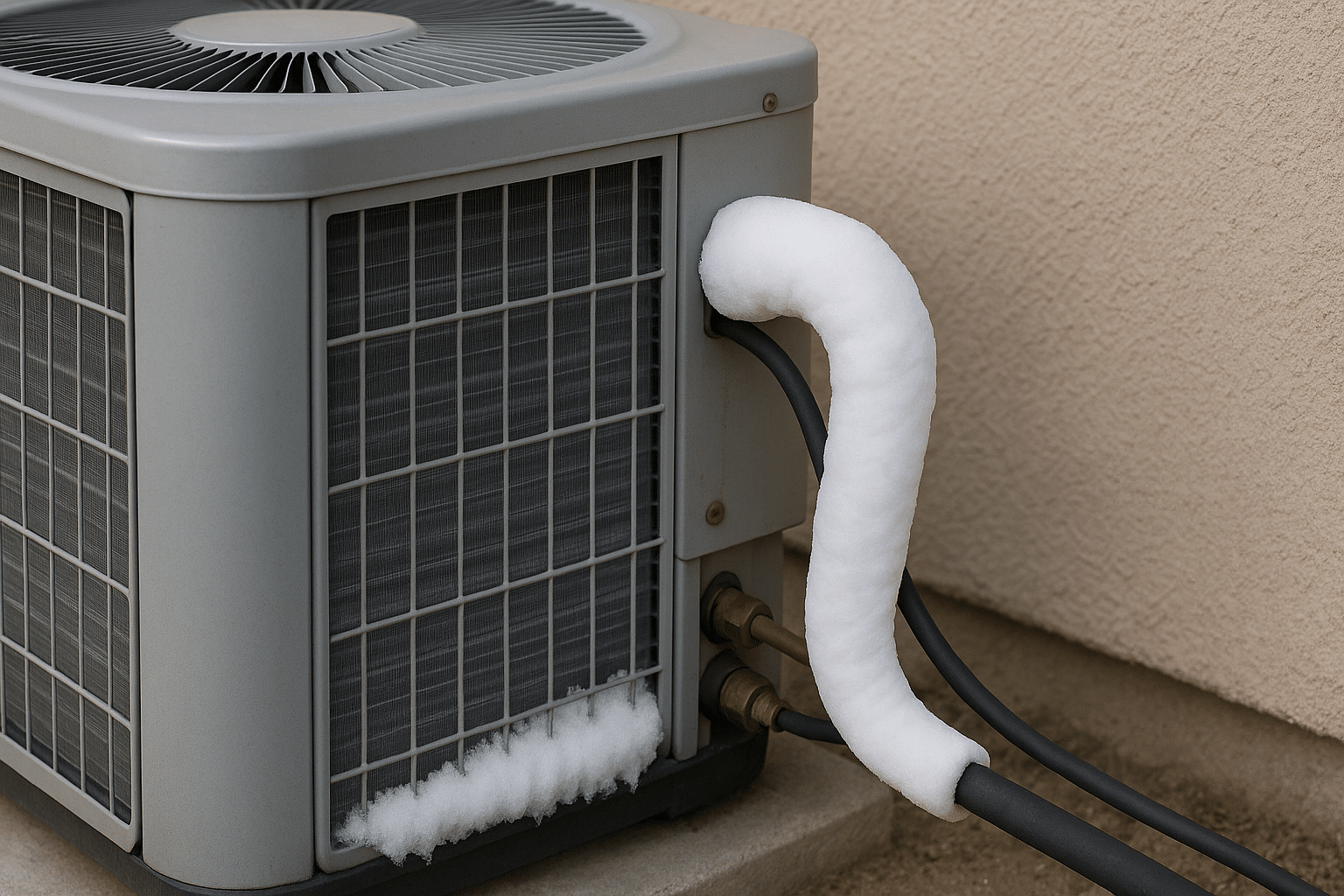
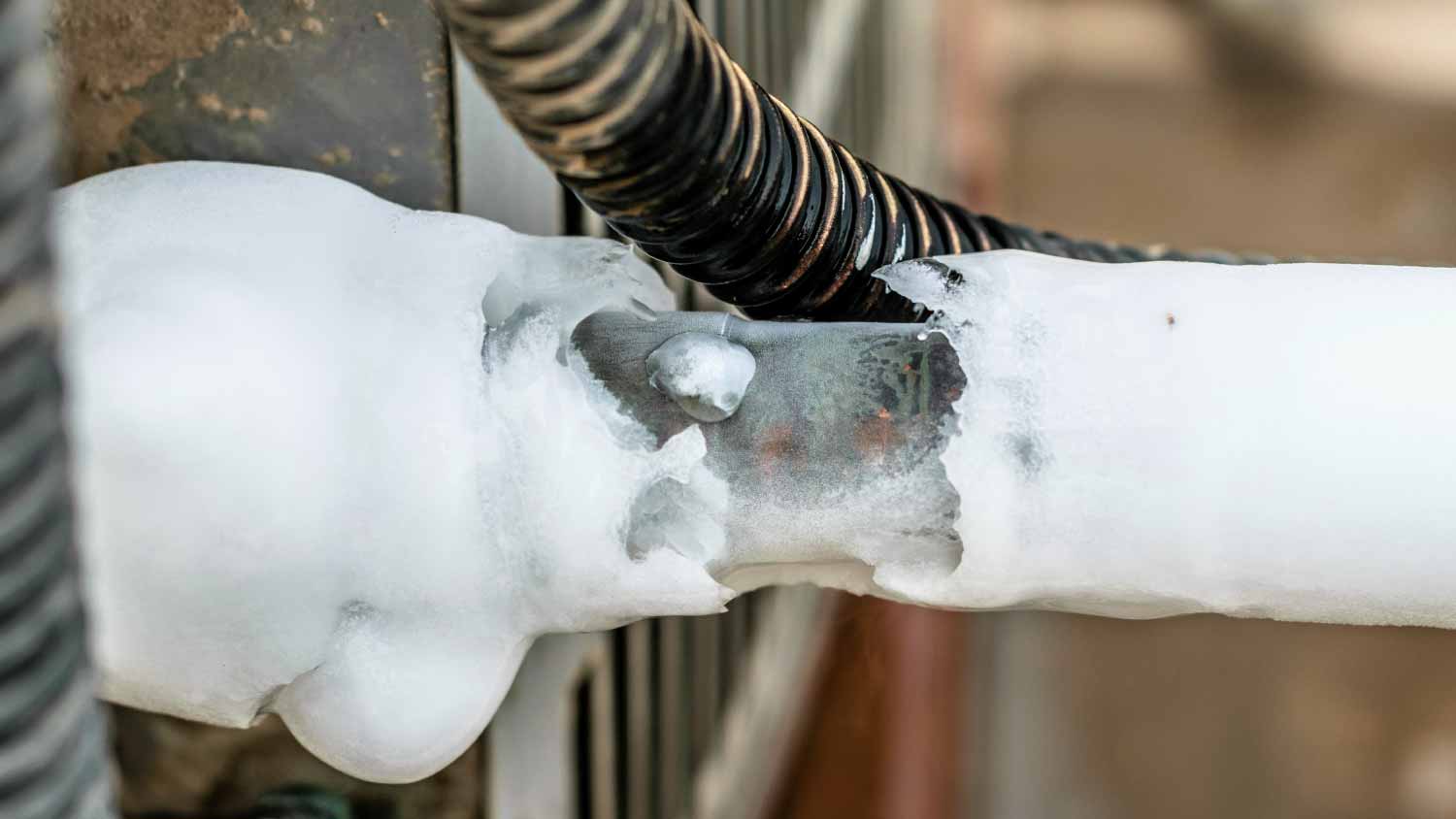
- Ice or frost visible on the indoor coil or pipes.
- Air coming from vents feels warmer than usual.
- The AC runs nonstop without cooling your home well.
- Water leaking near the indoor unit from melting ice.
- Strange noises like hissing or rattling from the system.
Credit: serviceplusheatingcooling.ca
Immediate Steps To Thaw Your Ac
When your air conditioner freezes up, it stops working properly. You need to act fast to prevent damage.
Here are simple steps to help you thaw your AC safely and quickly.
Turn Off The Unit
First, turn off your air conditioner. This stops the freezing from getting worse. It also helps the ice melt naturally.
Keep the unit off for several hours or until the ice melts completely.
Increase Airflow
Good airflow helps melt the ice faster. Use fans to blow air around the AC unit. Open windows and doors if possible.
Also, set your thermostat fan to “on” to keep air moving inside the system.
Check Air Filters
Dirty air filters block airflow and cause freezing. Check your filters and replace them if they are dirty or clogged.
- Remove the filter carefully
- Look for dust, dirt, or debris
- Replace with a clean filter if needed
Preventing Future Freezes
An air conditioner that freezes up can stop working properly. Preventing these freezes can save money and keep your home cool. Simple care and the right settings help your AC run smoothly.
Follow these tips to avoid frozen AC coils and enjoy cool air all summer long.
Regular Maintenance Tips
Check and clean your air filter every month during heavy use. A dirty filter blocks airflow and causes freezing. Also, clear any debris near the outdoor unit. Dirt and leaves reduce airflow and cause problems.
- Replace air filters regularly
- Clean evaporator and condenser coils
- Clear debris from outdoor unit
- Check and clean drain lines
Proper Thermostat Settings
Set your thermostat temperature wisely. Avoid setting it too low on hot days. A very low setting makes the AC work too hard and can cause freezing. Use a temperature between 72°F and 78°F for best results.
| Thermostat Setting | Effect |
| Below 70°F | High risk of freezing |
| 72°F to 78°F | Optimal cooling, prevents freeze |
| Above 78°F | Less cooling, saves energy |
Ensuring Adequate Refrigerant Levels
Low refrigerant causes the coils to freeze. Only a licensed technician should check and refill refrigerant. Do not try to add refrigerant yourself. Proper levels keep the AC running safely and avoid freezing.
Signs of Low Refrigerant:
- Warm air from vents
- Longer cooling cycles
- Ice buildup on coils
Credit: www.angi.com
When To Call A Professional
An air conditioner that freezes up can stop cooling your home. Sometimes you can fix small issues yourself. Other times, you need a professional technician.
Knowing when to call an expert saves time and prevents more damage. Here are key signs that mean you should get professional help.
Persistent Freezing Issues
If your air conditioner freezes often, it shows a bigger problem. Cleaning or simple fixes might not work.
Repeated freezing can damage the system. A professional can find the root cause and fix it safely.
Refrigerant Leaks
Low refrigerant causes your AC to freeze. This usually means there is a leak in the system.
Only a trained technician can find and fix leaks. They also recharge the refrigerant to the correct level.
Compressor Problems
The compressor helps cool your home by moving refrigerant. If it fails, the AC can freeze or stop working.
Compressor repair or replacement needs professional tools and skills. Call a technician if you suspect compressor trouble.
Frequently Asked Questions
Why Does My Air Conditioner Freeze Up?
Air conditioners freeze due to restricted airflow or low refrigerant levels. Dirty filters or blocked vents reduce air circulation. This causes the evaporator coil to get too cold and ice to form. Regular maintenance prevents freezing and keeps your AC running efficiently.
How Can I Prevent My Ac From Freezing?
Change air filters regularly and ensure vents are open. Clean coils and maintain proper refrigerant levels. Avoid setting the temperature too low. Scheduling routine HVAC inspections helps detect issues early and prevents freezing problems.
What Should I Do If My Ac Freezes?
Turn off the AC to let the ice melt. Check and replace dirty filters or clean blocked vents. Once thawed, restart the system and monitor for issues. If freezing recurs, contact a professional technician for inspection and repair.
Can Low Refrigerant Cause Ac Freezing?
Yes, low refrigerant reduces pressure in the evaporator coil. This causes the coil to become too cold, leading to ice buildup. A certified HVAC technician can check refrigerant levels and recharge your system if needed.
Conclusion
A frozen air conditioner can cause many problems fast. Act quickly to stop damage and stay cool. Check filters and airflow often to keep ice away. Clean coils help your AC run well and last longer. Call a professional if the freezing keeps happening.
Regular care saves money and keeps your home comfortable. Don’t ignore signs of a frozen AC. Fix small issues before they become big problems. Stay alert and your air conditioner will work better.