
Ever walked into your home on a hot day, expecting a blast of cool air, only to be greeted by an unexpected, tangy vinegar smell? If your air conditioner is emitting this odor, you’re not alone.
This common issue puzzles many homeowners and can leave you wondering if there’s something wrong with your trusty appliance. But don’t worry; you’re about to uncover the mystery behind the vinegar smell in your air conditioner. By understanding the root cause, you’ll not only restore the comfort of your home but also ensure the longevity of your cooling system.
Curious to know why this happens and how you can fix it? Let’s dive in to uncover the surprising reasons and simple solutions that will bring back the fresh, clean air you love.

Credit: www.reddit.com
Common Causes Of Vinegar Smell
Sometimes your air conditioner can give off a smell like vinegar. This smell is not normal and shows a problem. It can be caused by several things inside the AC unit.
Understanding the common causes helps you fix the smell quickly. This keeps your air clean and your AC working well.
Bacterial Growth In Drain Pan
The drain pan collects water from your AC’s cooling process. If the pan is wet and dirty, bacteria can grow there. Bacteria produce a sour, vinegar-like smell.
Cleaning the drain pan regularly stops bacteria from growing. This also helps remove the bad smell from your air conditioner.
Clogged Or Dirty Drain Line
The drain line carries water out of the AC unit. If it is clogged, water can build up and become stagnant. This causes bacteria and mold to grow.
A clogged drain line often leads to a vinegar smell. Clearing the line will help the water flow and stop the smell.
Mold And Mildew In Filters
Air filters trap dust and dirt but can also trap moisture. This creates a place for mold and mildew to grow. Mold produces a sharp, vinegar-like odor.
Replacing or cleaning air filters regularly stops mold buildup. This keeps the air fresh and free from vinegar smells.
Accumulated Dirt On Coils
The coils in your AC help cool the air. Dirt and dust can stick to the coils and hold moisture. This creates a place for bacteria and mold to grow.
Dirty coils may cause a vinegar-like smell. Cleaning the coils helps prevent this problem and keeps your AC working well.

Credit: www.furnaceprices.ca
Health Risks Of Ignoring The Smell
A vinegar smell from your air conditioner is a sign of mold or bacteria growth. This can cause health problems if not fixed. Ignoring the smell puts you at risk.
Bad air from your AC lowers the quality of the indoor environment. It can affect your breathing and cause allergies.
Allergic Reactions
Mold and bacteria in the AC can trigger allergies. People may get itchy eyes, runny nose, or skin rashes.
Allergic reactions can be mild or severe. Sensitive people and children are at higher risk.
- Itchy or watery eyes
- Sneezing and runny nose
- Skin irritation and rashes
- Increased allergy attacks
Respiratory Issues
Breathing in mold spores and bacteria from the AC can harm your lungs. It may cause coughing, wheezing, or shortness of breath.
People with asthma or lung diseases can have worse symptoms. Long-term exposure may lead to serious lung infections.
- Persistent cough
- Wheezing or chest tightness
- Shortness of breath
- Higher risk of lung infections
Worsening Indoor Air Quality
The vinegar smell means your AC is spreading bad air inside. Dust, mold spores, and bacteria build up over time.
Poor air quality can cause headaches, fatigue, and difficulty concentrating. It affects everyone’s health and comfort.
- Increased dust and allergens
- Higher levels of mold spores
- Bad odors and stale air
- Reduced overall comfort
Diy Fixes To Eliminate Vinegar Odor
An air conditioner that smells like vinegar can be annoying. The odor often comes from bacteria or mold inside the system. You can fix this smell yourself with some simple cleaning steps.
These easy DIY methods will help you remove the vinegar smell and keep your air conditioner fresh and clean.
Cleaning The Drain Pan And Line
The drain pan and drain line collect water that can cause mold and bacteria to grow. This growth creates the vinegar smell. Cleaning these parts stops the odor.
- Turn off the air conditioner power.
- Locate the drain pan under the indoor unit.
- Use a cloth to wipe out any standing water or dirt.
- Flush the drain line with a mixture of water and mild soap.
- Use a small brush or pipe cleaner to remove clogs.
- Rinse the drain line with clean water.
- Turn the power back on and check if the smell is gone.
Replacing Or Washing Filters
Dirty filters can trap dust and moisture. This creates a place for mold and bacteria to grow, causing vinegar odors. Regular cleaning or replacing filters helps.
- Remove the air filter from the unit.
- If washable, rinse it with warm water and let it dry.
- If not washable, replace it with a new filter.
- Clean filters improve air flow and reduce bad smells.
- Repeat this every 1 to 3 months depending on use.
Using Baking Soda And Vinegar For Cleaning
Baking soda and vinegar are natural cleaners that kill mold and bacteria. They also remove bad odors inside your air conditioner.
Try this simple cleaning mix:
| Ingredient | Amount |
|---|---|
| Baking Soda | 1/4 cup |
| White Vinegar | 1 cup |
| Warm Water | 1 gallon |
Mix the baking soda and warm water. Pour into the drain pan and drain line. Then slowly add vinegar. Let it foam and sit for 15 minutes. Flush with clean water. This kills bacteria and clears odors.
Ensuring Proper Ventilation
Poor ventilation traps moisture inside your air conditioner. Moist areas breed mold and bacteria. Good airflow reduces the vinegar smell.
- Keep vents and windows open when possible.
- Use exhaust fans in humid rooms.
- Check that air vents are not blocked by furniture.
- Run the air conditioner fan regularly to dry internal parts.
When To Call A Professional
Sometimes, an air conditioner smells like vinegar even after you clean it. This means the problem could be serious. Calling a professional can help fix the issue safely and quickly.
Knowing when to get expert help can save your AC and keep your home air fresh. Watch for signs that need more than just cleaning.
Persistent Odor Despite Cleaning
If the vinegar smell stays after you clean your AC, it may mean dirt or bacteria hide deep inside. A professional can inspect and clean parts that are hard to reach.
- Smell stays even after filter change
- Cleaning the drain pan does not help
- Odor comes back quickly after cleaning
Signs Of Mold Infestation
Mold growth inside the air conditioner causes strong vinegar-like smells. It is unsafe to handle mold yourself because spores can spread in the air.
| Signs | Description |
| Musty Smell | Strong, sour odor similar to vinegar |
| Visible Mold | Black or green spots inside vents or on coils |
| Health Issues | Coughing, sneezing, or allergies after AC use |
Mechanical Issues Affecting Air Quality
Faulty parts can cause vinegar smells by leaking refrigerant or blocking airflow. A pro can find and fix these problems safely.
Common mechanical issues to check:
- Clogged or broken drain lines
- Leaking refrigerant or coolant
- Dirty evaporator coils
- Faulty blower fan
Preventive Tips For Fresh Ac Smell
The vinegar smell from an air conditioner can be unpleasant. It often comes from mold or bacteria inside the unit. Keeping your AC fresh helps you breathe clean air.
Simple habits can stop bad odors. Follow these tips to keep your AC smelling good all year.
Regular Maintenance Schedule
Cleaning and checking your AC often stops mold and dirt build-up. This prevents the vinegar smell from growing inside the system.
- Turn off the power before cleaning your AC.
- Clean or replace filters every 1-3 months.
- Check and clean the drain pan and drain line monthly.
- Inspect the evaporator coil for dust and dirt twice a year.
- Schedule professional AC servicing once a year.
Using High-quality Air Filters
Good air filters stop dust and mold from entering your AC system. They help keep the air clean and reduce bad smells.
| Filter Type | Benefits | Replacement Frequency |
| HEPA Filter | Traps tiny particles and allergens | Every 6 months |
| Activated Carbon Filter | Reduces odors and gases | Every 3 months |
| Standard Fiberglass Filter | Blocks large dust particles | Every 1-3 months |
Keeping Surroundings Clean And Dry
Moist areas around your AC can cause mold growth. Keep the space dry and clean to avoid the vinegar smell.
- Wipe away water spills near the AC unit.
- Remove any debris or leaves around outdoor units.
- Ensure good air flow by not blocking vents.
- Use a dehumidifier if the room feels very damp.
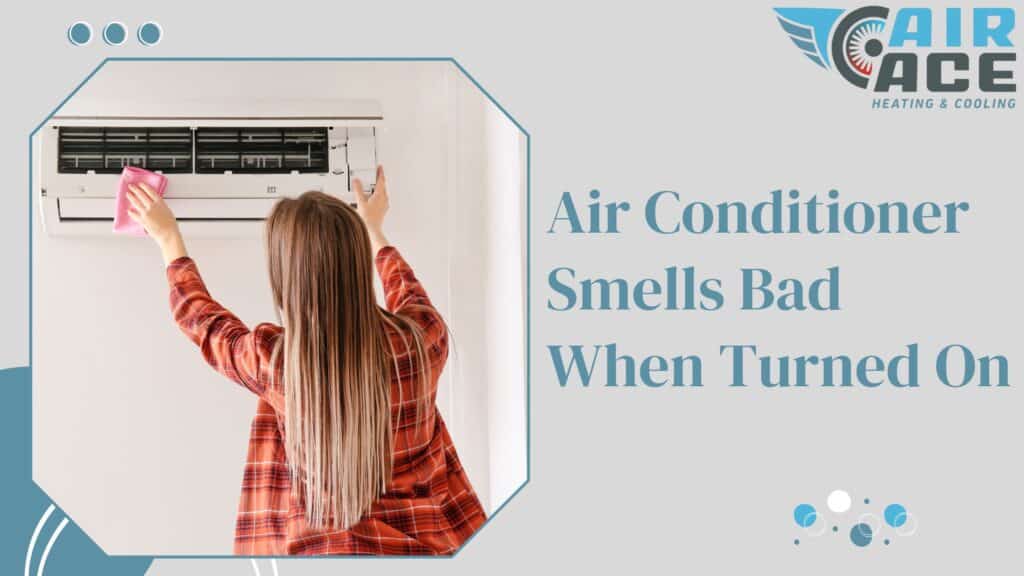
Credit: airaceheatingandcooling.com
Frequently Asked Questions
Why Does My Air Conditioner Smell Like Vinegar?
The vinegar smell comes from bacteria and mold growing in the AC unit. Moisture buildup creates an ideal environment for this growth, causing the odor.
Can A Vinegar Smell Indicate Ac Mold Issues?
Yes, a vinegar-like smell often signals mold or mildew inside the AC. It’s important to clean and disinfect the system promptly to avoid health risks.
How To Eliminate Vinegar Smell From Air Conditioner?
Clean the AC filters, coils, and drain pan regularly. Using a vinegar solution or professional cleaning can remove mold and stop the smell.
Is Vinegar Smell From Ac Harmful To Health?
Yes, mold causing the vinegar smell can trigger allergies and respiratory problems. Proper maintenance prevents these health risks and improves indoor air quality.
Conclusion
A vinegar smell from your air conditioner often means mold or bacteria inside. Cleaning or changing filters can help fix this issue. Regular maintenance keeps your AC fresh and working well. Don’t ignore strange smells; they can affect your health.
Take simple steps to keep the air clean and safe. A fresh-smelling AC means better comfort at home. Stay aware and act quickly to avoid bigger problems. Your air conditioner should cool and refresh, not smell odd.