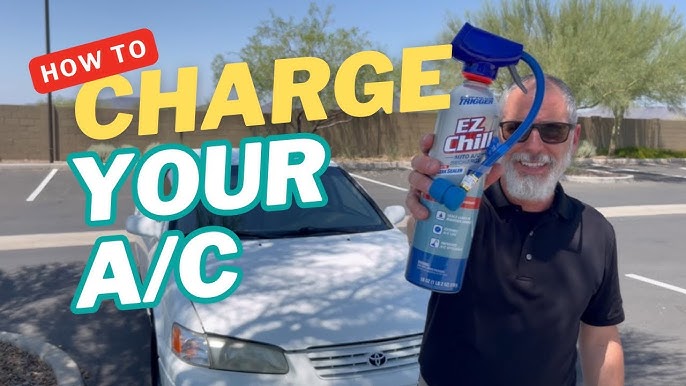
Is your car’s air conditioner blowing warm air just when you need a refreshing breeze on a hot day? You might be wondering how to charge your auto air conditioner to restore that cool comfort.
Don’t let the thought of tackling car maintenance overwhelm you. With the right guidance, you can easily recharge your AC system and enjoy a chilled ride again. This article will walk you through the process step by step, ensuring you feel confident and empowered to get the job done.
By the end, you’ll not only save money but also gain a valuable skill. Stick around, and let’s get your car feeling cool again!
Signs Your Ac Needs Charging
Your car’s air conditioner cools the cabin by using refrigerant. Over time, the refrigerant level can drop. This causes the AC to work less efficiently.
Knowing the signs that your AC needs charging helps you avoid discomfort and costly repairs. Watch for these common symptoms.
Warm Air Blowing
If your AC blows warm or room-temperature air instead of cold, the refrigerant may be low. This happens because the system can’t absorb heat properly.
Weak Airflow
Low refrigerant can cause weak airflow from the AC vents. The compressor struggles to maintain pressure, lowering the air volume.
- Air feels less powerful than usual
- Vents blow air unevenly
- Cooling effect is minimal despite fan speed
Unusual Noises
Listen for strange sounds like hissing or clicking when the AC runs. These noises may mean the refrigerant is leaking or the compressor is stressed.
| Noise | Possible Cause |
|---|---|
| Hissing | Refrigerant leak |
| Clicking | Compressor problem |
| Buzzing | Electrical issue |
Frequent Cycling
The AC compressor turns on and off often during use. This cycling means the system is low on refrigerant or has pressure problems.
- Compressor runs briefly then shuts off
- Cooling stops and starts repeatedly
- Increased wear on AC parts
Tools And Materials Required
Charging an auto air conditioner needs the right tools and materials. Using proper items helps the job go smoothly and safely.
This guide explains the key tools you need for charging your car’s AC system.
Refrigerant Type
Choose the correct refrigerant for your vehicle. Different cars use different types of refrigerants. The most common types are R134a and R1234yf. Check your car’s manual to find the exact refrigerant type.
Pressure Gauge Set
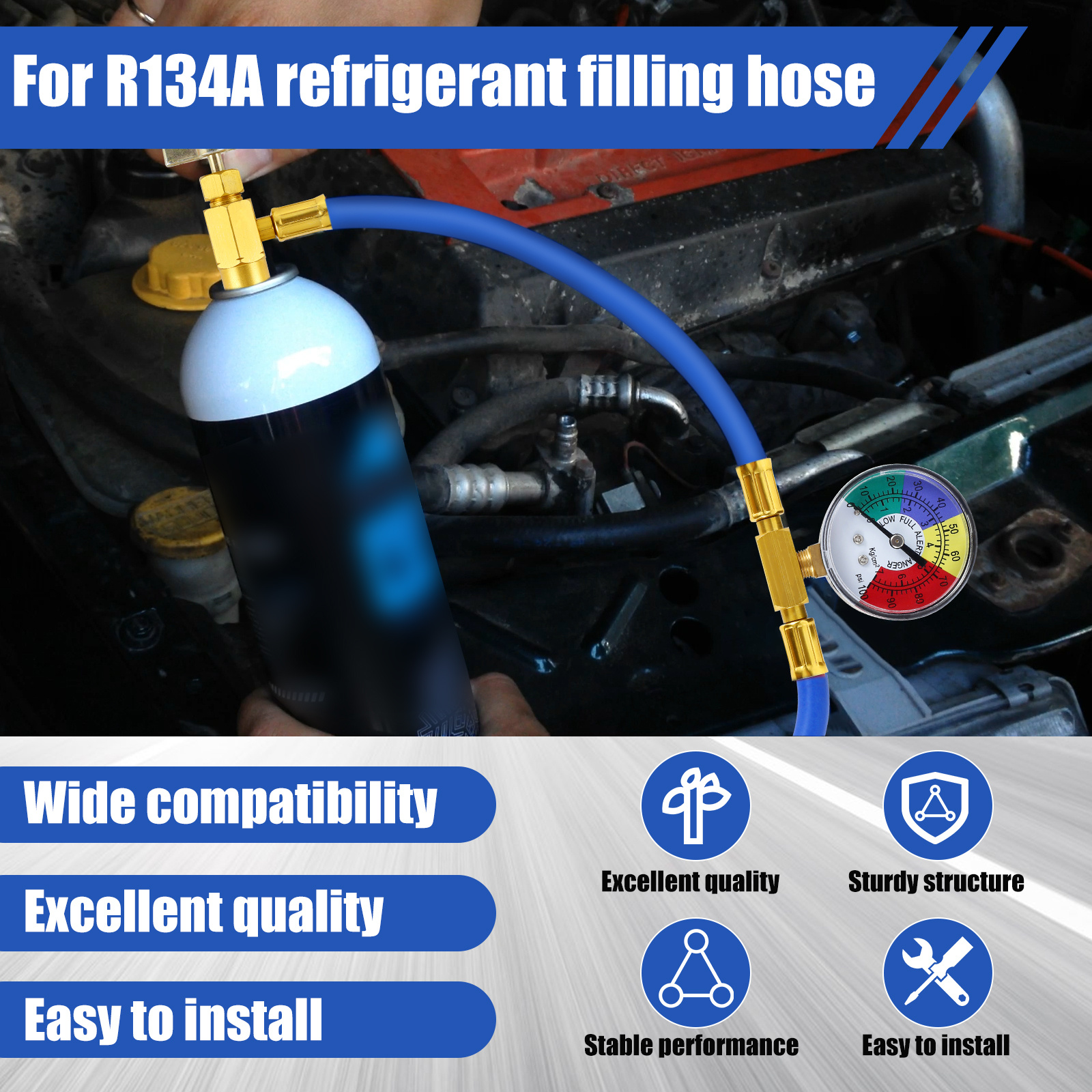
A pressure gauge set measures the pressure inside the AC system. It helps you add the right amount of refrigerant. The set usually has two gauges: one for high pressure and one for low pressure.
- High-pressure gauge
- Low-pressure gauge
- Hoses with quick-connect fittings
- Valve for controlling refrigerant flow
Safety Gear
Wear safety gear to protect yourself during the charging process. Refrigerants can be harmful if they touch your skin or eyes. Use gloves, goggles, and a mask to stay safe.
| Safety Gear | Purpose |
|---|---|
| Gloves | Protect skin from refrigerant burns |
| Goggles | Protect eyes from splashes and debris |
| Mask | Prevent inhaling refrigerant fumes |
Leak Detector
Use a leak detector to find leaks in the AC system. Leaks cause loss of refrigerant and reduce cooling. There are several types of leak detectors, including electronic and UV light models.
Common leak detector types:
- Electronic sniffers
- Ultraviolet (UV) light kits
- Soap bubble solution
Preparing Your Vehicle
Before charging your car’s air conditioner, you need to prepare your vehicle properly. This ensures safety and accuracy during the process.
Follow these simple steps to get your vehicle ready for charging the AC system.
Park In A Safe Area
Choose a flat and shaded spot to park your vehicle. Avoid busy streets or places with heavy traffic. This keeps you and others safe during the charging process.
- Look for a level surface to prevent the vehicle from rolling.
- Find shade to avoid direct sunlight, which can heat up the engine.
- Keep away from flammable materials or open flames.
- Make sure there is enough space around the car to move safely.
Turn Off The Engine
Before you start charging, turn off the engine completely. This prevents any electrical or mechanical issues and keeps the system safe to work on.
Also, switch off all electrical accessories like lights and radio to avoid battery drain during the process.
Locate The Low-pressure Port
Find the low-pressure port to connect the charging hose. This port is part of the air conditioning system and is usually marked with a blue or black cap.
| Port Type | Location | How to Identify |
| Low-Pressure Port | Near the compressor or along the larger diameter tubing | Blue or black cap with “L” or “LOW” label |
| High-Pressure Port | Smaller diameter tubing, usually opposite side of the low-pressure port | Red cap with “H” or “HIGH” label (Do not connect here) |

Credit: m.youtube.com
Step-by-step Charging Process
Charging an auto air conditioner requires care and attention. Follow the steps carefully to ensure proper cooling.
Using the right tools and checking pressures will help you add refrigerant safely and correctly.
Connect The Pressure Gauges
Attach the pressure gauges to the low and high pressure service ports on your car’s A/C system. Make sure the connections are secure to avoid leaks.
Check System Pressure
Read the pressure levels shown on the gauges. Compare these readings to the recommended pressure for your vehicle. This tells you if you need to add refrigerant or not.
Attach Refrigerant Can
Connect the refrigerant can to the charging hose. Make sure the valve is closed before attaching. Secure the connection tightly to prevent gas leaks.
Add Refrigerant Slowly
- Start the car and turn on the A/C to the highest setting.
- Open the valve on the refrigerant can slightly.
- Allow refrigerant to flow slowly into the system.
- Pause often to check pressure readings.
- Close the valve when the correct pressure is reached.
Monitor Pressure Levels
| Pressure Gauge | Normal Range (PSI) | Action |
|---|---|---|
| Low Side | 25-45 | Add refrigerant if below range |
| High Side | 200-250 | Check system if above range |
Keep an eye on the gauges while the car runs. Stop adding refrigerant if pressures go outside safe limits.
Post-charging Checks
After charging your auto air conditioner, it is important to perform some checks. These checks help make sure the system works well and stays safe.
Doing these steps can prevent future problems and keep your car cool.
Inspect For Leaks
Check all the hoses and connections for signs of leaks. Look for oily spots or wet areas near fittings.
You can also use a leak detector or soapy water to find bubbles that show leaks.
- Inspect hose connections closely
- Look for oil stains or wet spots
- Use leak detector or soap solution
- Fix leaks before using the AC system
Test Ac Performance
Turn on the air conditioner and set it to the coldest setting. Feel the air coming from the vents to check if it is cold.
Listen for strange noises and watch the pressure gauges to see if they stay stable.
- Set AC to the coldest temperature
- Check for cold air flow at vents
- Listen for unusual sounds
- Monitor pressure gauges for stability
Dispose Of Materials Properly
Do not throw away refrigerant or old parts in the trash. These materials can harm the environment.
Take used refrigerant and parts to a proper recycling center or auto shop for safe disposal.
- Never release refrigerant into the air
- Collect old refrigerant in approved containers
- Recycle or dispose of parts at authorized centers
- Follow local laws for hazardous waste

Credit: www.amazon.com
Common Mistakes To Avoid
Charging an auto air conditioner needs care and attention. Mistakes can damage the system or reduce its efficiency.
Learn about common errors to avoid while charging your car’s AC. This helps keep your system working well.
Overcharging The System
Adding too much refrigerant can harm the AC system. It raises pressure and can cause leaks or damage.
Check the vehicle manual for the correct amount. Use a gauge to measure the refrigerant level carefully.
- Overpressure can break seals and hoses
- Too much refrigerant lowers cooling performance
- It increases wear on the compressor
Using Incorrect Refrigerant
Not all refrigerants work in every car AC system. Using the wrong type can cause poor cooling or damage.
Always use the refrigerant type listed in your vehicle’s manual. Mixing refrigerants may cause system failure.
- Check the label on the refrigerant can
- Use only approved refrigerants for your car
- Wrong refrigerants can damage compressor and seals
Ignoring Safety Precautions
Charging AC involves pressurized gas that can be dangerous. Not using safety gear can cause injuries.
Wear gloves and eye protection. Work in a well-ventilated area away from open flames or sparks.
- Refrigerant can cause frostbite on skin contact
- Gas leaks can harm breathing or cause fires
- Always read safety instructions on equipment
When To Seek Professional Help
Charging an auto air conditioner can be simple. Some problems need expert care. Knowing when to call a pro saves time and money.
Some issues are hard to fix alone. This guide helps you spot those cases. It focuses on signs to seek professional help.
Persistent Ac Issues
If your AC stops cooling after charging, it may need expert help. Persistent problems suggest deeper issues.
- The AC cools briefly but then fails
- Strange noises come from the system
- Airflow is weak or uneven
- Foul smells come from vents
Complex System Repairs
Some repairs need special tools and skills. These include fixing leaks, replacing parts, or electrical work.
| Repair Type | Reason to Call a Pro |
| Refrigerant Leak Fix | Requires leak detection tools and safe handling |
| Compressor Replacement | Needs technical skill and heavy equipment |
| Electrical System Repair | Risk of shocks and system damage |
| Pressure Testing | Needs accurate gauges and experience |
Warranty Considerations
Using a professional keeps your warranty valid. DIY charging or repairs can void warranties.
Check your vehicle’s warranty before doing AC work. If unsure, contact an authorized service center. Professionals follow guidelines and use approved parts.
Credit: www.temu.com
Frequently Asked Questions
How Often Should I Charge My Auto Air Conditioner?
You should charge your auto air conditioner every 1-2 years. Regular checks prevent leaks and maintain cooling efficiency. If cooling weakens, it’s time to recharge to keep your system running smoothly and avoid costly repairs.
What Tools Are Needed To Charge An Auto Air Conditioner?
You need a refrigerant gauge, a vacuum pump, and the correct refrigerant type. Safety gloves and goggles are also essential. Proper tools ensure accurate charging and prevent damage to your AC system.
Can I Charge My Auto Air Conditioner Myself?
Yes, if you follow instructions carefully and have the right tools. However, improper charging can harm your AC system. For best results, consider professional service, especially if you lack experience.
How Much Refrigerant Does An Auto Air Conditioner Need?
The amount varies by vehicle model, usually between 1-2 pounds. Check your car’s manual for exact specifications. Overcharging or undercharging can reduce performance and damage the AC system.
Conclusion
Charging your car’s air conditioner helps keep it cool and comfortable. Always follow safety steps and use the right tools. Check the refrigerant level carefully to avoid damage. Regular maintenance can save money and improve air flow. Taking time to do it right makes your car’s AC work better.
Keep your car fresh and enjoy every drive. Simple care goes a long way.