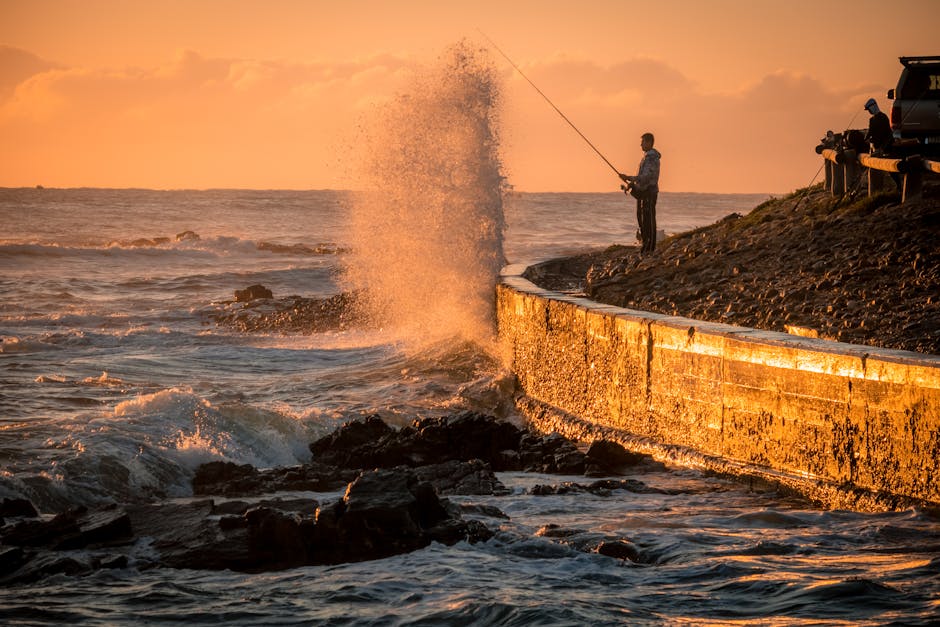
When it comes to surf fishing, choosing the right rod length can feel like a daunting task. You might wonder if a longer rod will help you cast further, or if a shorter one will give you better control.
The truth is, the length of your fishing rod can greatly impact your success on the beach. Imagine standing on the shore, feeling the thrill of your line slicing through the air, knowing you’ve made the right choice. This article will guide you through the nuances of selecting the perfect rod length for your surf fishing adventures.
By the end, you’ll have the knowledge to make confident decisions and improve your chances of landing that big catch. Ready to elevate your surf fishing game? Let’s dive in.
Choosing Rod Length
Picking the right rod length is key for surf fishing success. The rod length affects your casting ability and control.
Different lengths work better in various fishing situations. It is important to understand what each length offers.
Short Vs Long Rods
Short rods are easier to handle and good for close fishing spots. They offer more control in tight spaces.
Long rods allow you to cast farther. They are heavier and can be harder to manage in strong wind.
- Short rods: 7 to 9 feet, better for precision and control
- Long rods: 10 to 14 feet, better for distance casting
- Choose based on your fishing location and comfort
Impact On Casting Distance
Longer rods help you cast bait farther out into the surf. This can reach fish that stay away from shore.
Shorter rods cast shorter distances but are quicker to use. They work well for fishing near rocks or jetties.
- Long rods increase casting range
- Short rods offer faster casting and better accuracy
- Wind conditions can affect casting with longer rods
Rod Length And Fish Species
Some fish need longer rods to fight well. Big fish need more rod length for power and control.
Smaller fish can be caught easily with shorter rods. Choose rod length based on the fish you want to catch.
- Long rods suit larger species like striped bass or sharks
- Short rods work for smaller species like perch or croaker
- Match rod length to fish size and strength

Credit: www.ubuy.co.in
Casting Techniques For Surf Fishing
Surf fishing requires good casting skills to reach the right spot. Using the right rod length helps improve your cast distance and accuracy.
This guide explains three main casting techniques for surf fishing. Each one works best with specific rod lengths and styles.
Overhead Cast
The overhead cast is the most common surf fishing cast. It uses a full arm motion to send the bait far into the water.
Rods from 10 to 12 feet work best. The length helps build power and control during the cast.
- Stand with feet shoulder-width apart
- Raise the rod above your head
- Swing the rod forward in a smooth motion
- Release the line when the rod points at your target
Pendulum Cast
The pendulum cast uses a side-to-side motion. It helps generate more speed and distance for your bait.
Longer rods around 11 to 13 feet are ideal. They give more leverage to swing the lure wide and fast.
- Hold the rod out in front with the line tight
- Let the lure swing like a pendulum behind you
- When the lure reaches its highest point, swing the rod forward
- Release the line to send the bait far
Sidearm Cast
The sidearm cast is a low, sweeping throw. It works well to avoid wind or obstacles behind you.
Rods 9 to 11 feet long suit this cast. They offer control and ease for quick, accurate throws.
- Stand with side facing the water
- Hold the rod low and to the side
- Sweep the rod forward in a smooth horizontal arc
- Release the line at the right moment for accuracy
Factors Influencing Rod Length
Choosing the right rod length is important for surf fishing. It affects casting distance and control.
Different factors can change the best rod length for your fishing needs. These include terrain, wind, and bait type.
Beach Terrain
The shape and size of the beach affect rod choice. Open, flat beaches allow longer rods for far casts.
Rough or rocky beaches need shorter rods for better control and quick reactions.
- Flat, wide beaches: longer rods (10-14 feet)
- Rocky or narrow areas: shorter rods (8-10 feet)
- Slopes or dunes: medium rods (9-12 feet)
Wind Conditions
Wind affects how far and accurately you can cast. Strong winds need longer rods to help cast farther.
Calm days let you use shorter rods for better handling and less fatigue.
- Strong wind: longer rods for distance
- Light or no wind: shorter rods for control
- Crosswinds: medium rods to balance
Type Of Bait And Lure
The weight and size of your bait or lure change rod needs. Heavy baits need stronger, often longer rods.
Light lures work better with shorter rods for accurate casting and quick movements.
- Heavy bait: longer, stronger rods
- Light lures: shorter, flexible rods
- Mixed bait types: medium rods for versatility

Credit: www.reddit.com
Recommended Rod Lengths
Choosing the right rod length is important for surf fishing success. Different lengths offer various advantages.
This guide covers recommended rod lengths for different fishing needs and conditions.
Rods Under 9 Feet
Rods under 9 feet are compact and easy to carry. They work well in tight spaces or small beaches.
These rods offer good control but less casting distance. They suit beginners or short-distance fishing.
- Easy to handle
- Good for rocky or crowded spots
- Limited casting range
Rods Between 9 And 12 Feet
Rods from 9 to 12 feet are the most common choice for surf fishing. They balance distance and control well.
These rods allow longer casts to reach deeper water. They also provide enough power to handle bigger fish.
- Good casting distance
- Strong and versatile
- Popular for many surf fishing situations
Rods Over 12 Feet
Rods longer than 12 feet help cast very far. They are useful on wide, open beaches with big waves.
These rods require more skill to use. They provide extra reach but can be harder to control in wind.
- Maximum casting distance
- Best for experienced anglers
- Can be heavy and less portable
Rod Material And Action
Choosing the right rod length for surf fishing depends on the rod’s material and action. These two factors affect casting distance, control, and how the rod feels in your hands.
Understanding the differences in materials and rod action helps you pick the best rod for your fishing style and conditions on the beach.
Material Types
Surf fishing rods are mainly made from graphite, fiberglass, or a mix of both. Each material offers different benefits for strength, weight, and sensitivity.
Graphite rods are light and sensitive. They help you feel bites more easily. Fiberglass rods are heavier but very strong and flexible. Composite rods combine both materials for balanced performance.
- Graphite:Light, sensitive, good for long casts
- Fiberglass:Heavy, durable, flexible
- Composite:Mix of graphite and fiberglass, balanced features
Fast Vs Slow Action
Rod action describes how much and where the rod bends. Fast action rods bend near the tip. Slow action rods bend more along the whole rod.
Fast action rods give quick hook sets and better control. Slow action rods offer smooth casting and absorb strong fish pulls better.
- Fast Action:Bends near tip, quick response, good for big fish
- Slow Action:Bends throughout, smooth casting, gentle on fish
Durability And Flexibility
Durability means how well the rod handles wear and strong fish. Flexibility refers to how much the rod bends without breaking.
Fiberglass rods are very durable and flexible. Graphite rods are less flexible but more sensitive. Choose based on the type of fish and conditions you expect.
- Fiberglass: High durability, high flexibility
- Graphite: Moderate durability, low flexibility
- Composite: Balanced durability and flexibility
Additional Gear For Surf Fishing
Surf fishing requires more than just a rod and bait. You need extra gear to fish comfortably and catch more fish. This gear helps you handle the rough beach environment.
Choosing the right accessories can make your surf fishing trips easier and safer. Here are some key items to consider.
Reels And Lines
Strong reels are important for surf fishing. They must hold plenty of line and resist saltwater damage. Spinning reels are popular for their ease of use.
Use heavy lines that can handle big fish and rough waves. Braided lines offer good strength and low stretch. Monofilament lines are easier to handle and good for beginners.
- Choose reels with corrosion resistance
- Pick lines with high test strength (15-30 lbs)
- Match reel size to your rod length
Rod Holders
Rod holders keep your fishing rods steady and safe on the beach. They free your hands for other tasks like baiting hooks or relaxing. Many holders are adjustable for different rod angles.
Look for rod holders that are easy to install in sand or rocks. Some models use stakes or clamps. You can use multiple holders if you fish with several rods at once.
- Choose rod holders with sturdy build
- Check if they are easy to move and set up
- Use holders that resist corrosion
Waders And Footwear
Waders let you walk into the water to cast further. They protect you from cold and wet conditions. Choose waders that fit well and are made from waterproof materials.
Good footwear is important for walking on sand and slippery rocks. Boots with non-slip soles help you keep balance. Some anglers wear sandals with grips for shallow water.
- Pick chest waders for deep water
- Use hip waders for shallow areas
- Choose boots with strong, non-slip soles
Tips For Perfect Casts
Choosing the right rod length helps you cast better in surf fishing. The right technique makes your cast smooth and accurate.
This guide covers key tips on body positioning, timing, and practice drills for perfect casts.
Body Positioning
Stand with feet shoulder-width apart for balance. Face the ocean and keep your knees slightly bent. Hold the rod firmly but not too tight.
- Keep your head up and eyes on the target
- Use your hips to guide the motion
- Lean slightly forward for better control
Timing And Rhythm
Good timing helps the lure fly farther and land softly. The cast should flow smoothly without jerks. Follow a steady rhythm for best results.
| Cast Phase | Action |
| Backswing | Slow and controlled |
| Forward Swing | Quick and smooth |
| Release | At the right angle |
Practice Drills
Practice is key for improving casting skills. Use drills to build muscle memory and accuracy.
- Cast at a fixed target on the beach
- Vary your rod speed and power
- Practice casting with different rod lengths
- Record your casts and check for improvement
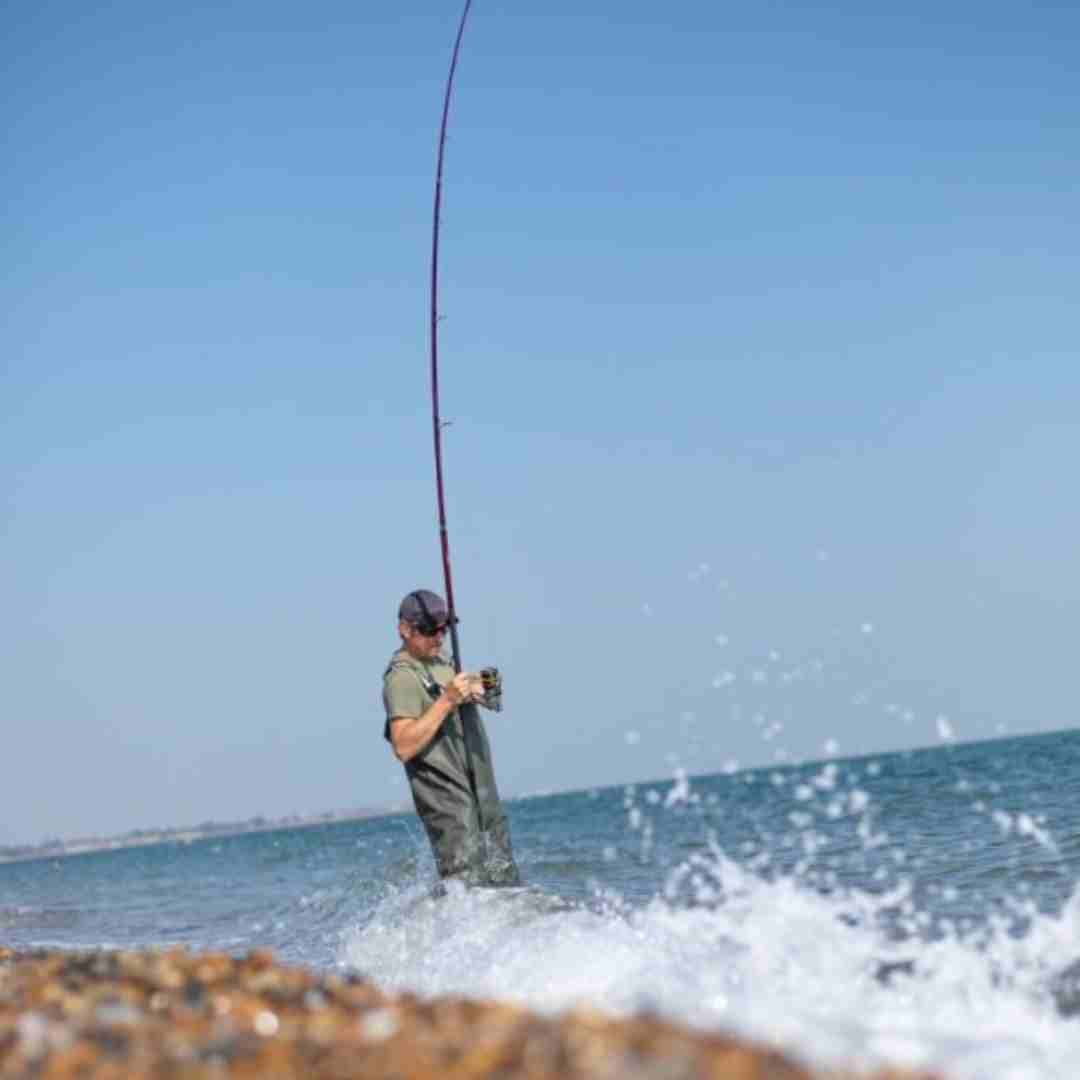
Credit: www.anglingdirect.co.uk
Frequently Asked Questions
What Is The Ideal Rod Length For Surf Fishing?
The ideal surf fishing rod length ranges from 9 to 12 feet. Longer rods help cast farther and control bigger fish in surf conditions. Choose based on your fishing spot, target species, and casting distance.
How Does Rod Length Affect Surf Fishing Casting?
Longer rods allow for longer, more powerful casts. They help you reach distant fish beyond breaking waves. Shorter rods offer better accuracy and control but shorter range.
Can I Use A Shorter Rod For Surf Fishing?
Yes, shorter rods (7 to 8 feet) can work in calm surf or small beaches. However, they limit casting distance and control in heavy surf conditions.
What Rod Length Suits Beginners In Surf Fishing?
Beginners should start with rods around 9 to 10 feet. They balance casting distance, control, and ease of use for learning surf fishing basics.
Conclusion
Choosing the right rod length helps you enjoy surf fishing more. Short rods work well for close shore fishing. Longer rods cast farther into the surf. Think about where you want to fish most. Also, consider your strength and comfort while casting.
A balanced rod length makes fishing easier and fun. Try different lengths if possible before buying. This way, you find the best fit for you. Happy fishing and tight lines!