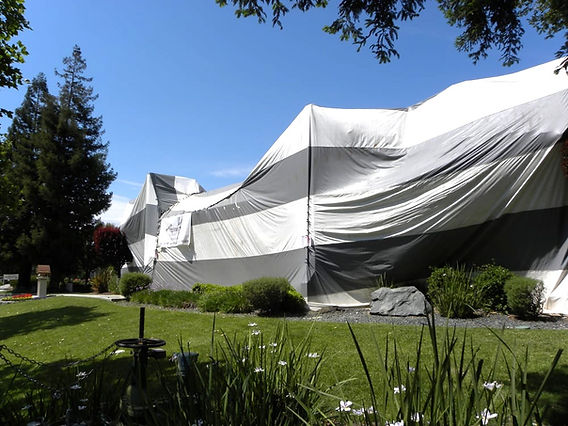
Your home is your sanctuary, but sometimes even the safest havens need a little extra protection. If you’re dealing with a termite problem, you might be considering tenting as a solution.
But let’s face it, the thought of tenting your home can be overwhelming. How do you prepare for such a big task? What steps should you take to ensure everything goes smoothly? In this guide, we’ll walk you through the essential steps to prepare for tenting for termites.
You’ll discover practical tips that will make the process less stressful and more efficient, ensuring that your home remains a safe and welcoming space. Ready to take control and protect your home? Let’s dive in and make sure you’re fully prepared for this important undertaking.
Signs Of Termite Infestation
Termites can cause serious damage to your home. Early detection helps stop the problem fast. Knowing the signs of termites is very important.
This guide shows common indicators and explains types of termites. Learn what to look for before you start tenting.
Common Indicators
Look closely for these signs that show termites are present in your home.
- Hollow-sounding wood when tapped
- Discarded wings near windows or doors
- Small mud tubes on walls or foundations
- Cracked or bubbling paint on wood surfaces
- Frass, which are termite droppings that look like sawdust
- Weak or damaged wood structures
Types Of Termites
There are different types of termites. Each type has unique habits and signs.
| Type | Description | Common Signs |
| Subterranean | Live underground and build mud tubes | Mud tubes on walls, hollow wood |
| Drywood | Live inside dry wood with no soil contact | Frass piles, damaged wood |
| Dampwood | Found in moist wood, often near leaks | Wet or soft wood, wood damage |
Credit: californiatermiteandpestcontrol.com
Choosing A Pest Control Service
Preparing your home for termite tenting starts with selecting the right pest control service. Picking a good company helps make the process smooth and effective.
It is important to research and ask the right questions before hiring experts. This ensures you get safe and thorough termite treatment.
Researching Companies
Look for companies with strong experience in termite tenting. Check online reviews and ratings to see what past customers say.
- Verify the company’s license and insurance
- Ask how long they have done termite tenting
- Check if they use safe and approved chemicals
- Look for guarantees or warranties on their service
- Compare prices and services from multiple companies
Questions To Ask Experts
Prepare a list of questions to ask when you contact pest control experts. Clear answers help you decide if they fit your needs.
| Question | Why It Matters |
| Are you licensed for termite tenting? | Shows they meet legal standards |
| What chemicals do you use? | Confirms safety for family and pets |
| How long does the process take? | Helps plan your schedule |
| What preparation is needed from me? | Prepares you for the day of tenting |
| Do you provide a warranty? | Ensures follow-up if termites return |
Preparing Your Home For Tenting
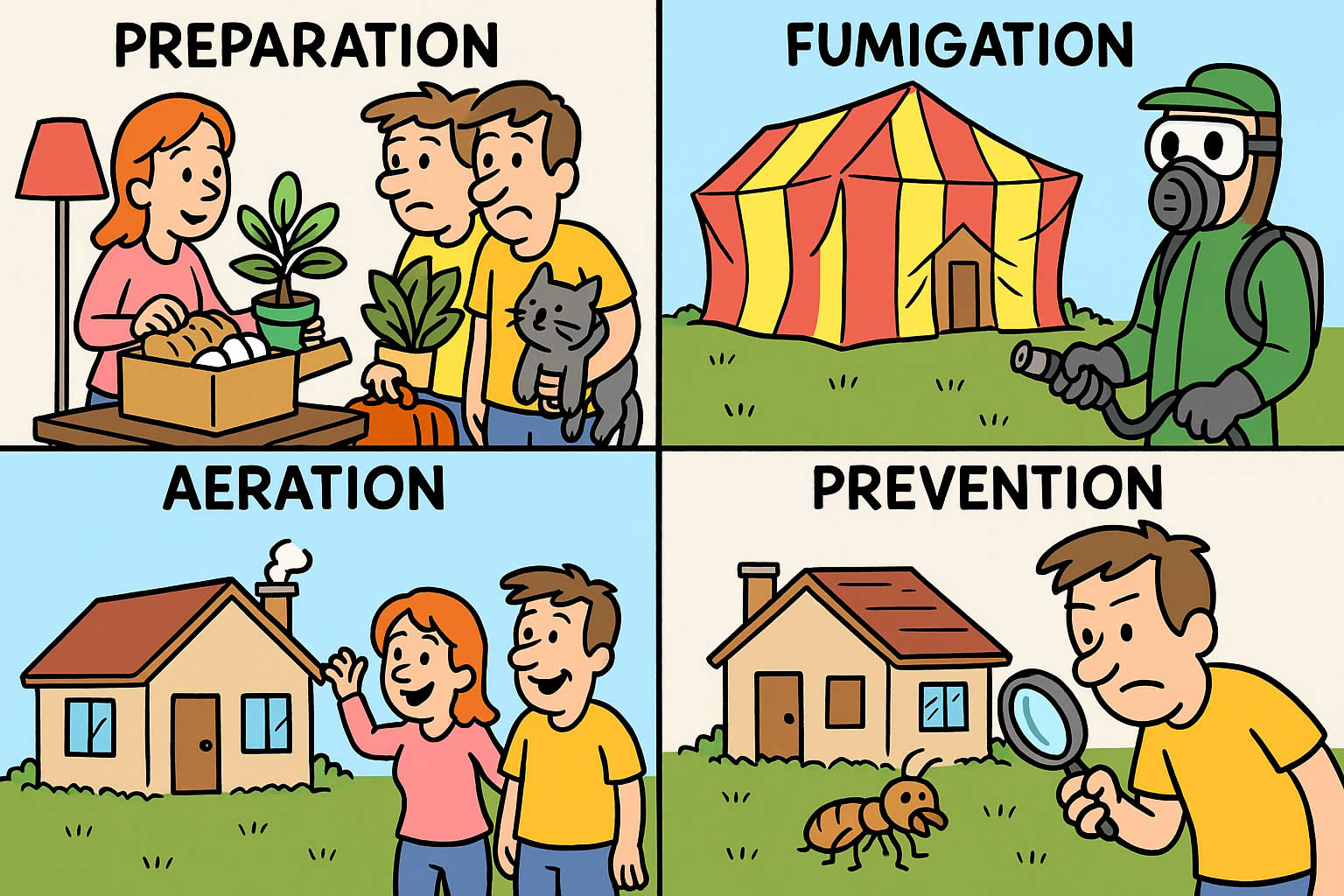
Tenting is a method to remove termites from your home. It uses strong chemicals that need careful preparation. You must get your home ready to keep your family safe.
This guide helps you prepare your home before the tenting process begins. Follow these steps to make the process smooth and safe.
Clearing The Area
Remove all outdoor items near your house before tenting. This includes furniture, toys, and plants. These items can get damaged or contaminated by chemicals.
Inside the house, clear floors and surfaces. Move furniture away from walls and open cabinets and drawers. This allows the chemicals to reach all areas.
- Take away outdoor furniture and decorations
- Move indoor furniture away from walls
- Open all cabinets and drawers
- Clear floors and remove rugs if needed
Protecting Valuables
Some items may get damaged during tenting. Protect valuables like papers, electronics, and artwork. Cover them with plastic or move them out of the house.
Remove pets’ belongings such as cages and toys. Chemicals can harm pets and damage their items.
- Cover or move important papers and documents
- Protect electronics by storing them safely
- Wrap artwork and collectibles with plastic
- Take pets’ items outside or store safely
Handling Food And Medicines
All food and medicines must be removed from the home. Chemicals used in tenting can contaminate them. Store these items in a safe place outside your home.
Throw away any open food or medicines that cannot be moved. Clean your fridge and cupboards before tenting starts.
- Remove all food from kitchen and pantry
- Take medicines and vitamins out of the house
- Discard any open or expired items
- Clean fridge and cupboards thoroughly

Credit: www.ecopestbermuda.com
During The Tenting Process
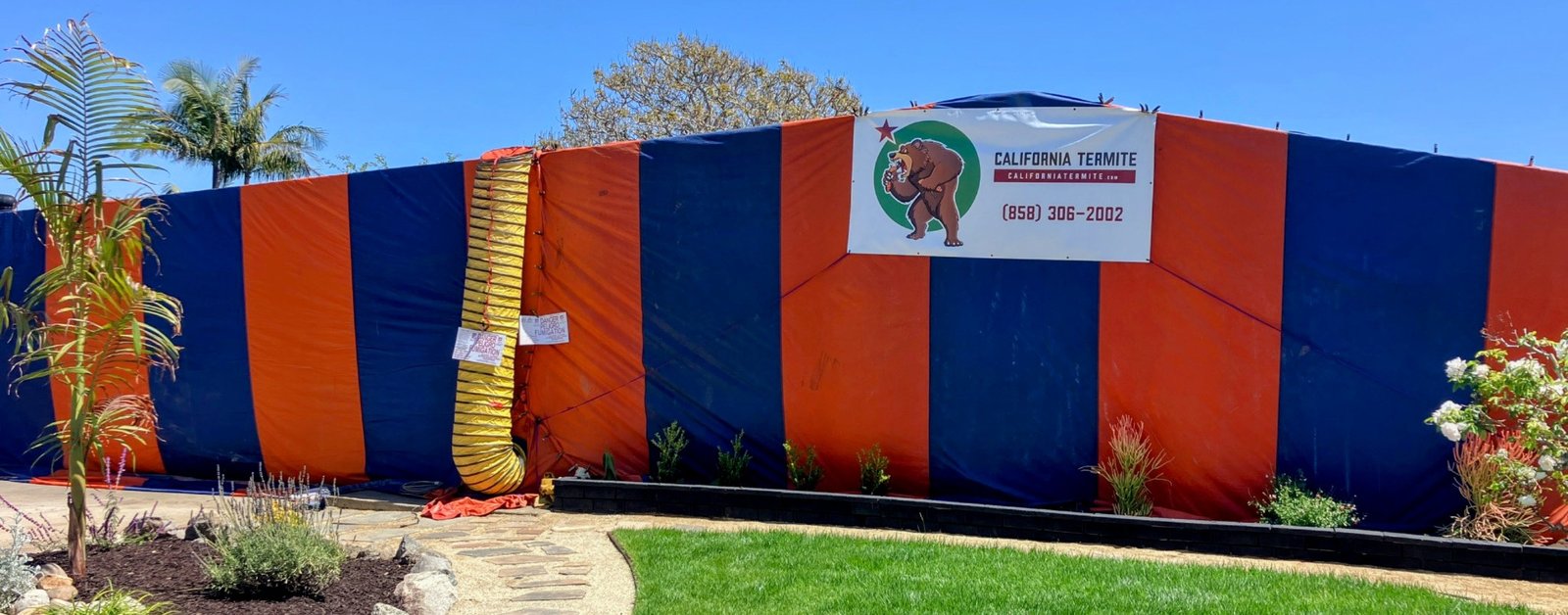
The tenting process is a key step in termite treatment. It involves covering your home with a large tent. This allows the professionals to use chemicals safely and effectively.
Understanding what happens during this time can help you stay safe and prepared. Let’s look at what to expect and important safety precautions.
What To Expect
The tenting process usually lasts several days. Pest control experts will seal your home and release gas to kill termites inside.
- Your home will be tightly covered with a large tent.
- The gas used is odorless and colorless but very strong.
- Professionals will monitor gas levels throughout the process.
- You must stay out of your home during the treatment.
- After treatment, the home will be aired out to remove any gas.
Safety Precautions
Safety is very important during tenting. Follow these rules to protect yourself and your family.
| Precaution | Details |
| Evacuate | Leave your home before tenting begins and stay out until it is safe. |
| Remove Pets | Take pets to a safe place as the gas is harmful to animals. |
| Seal Food | Store food in sealed containers or remove it from the home. |
| Turn Off Systems | Heating, cooling, and ventilation systems must be turned off. |
| Follow Instructions | Listen carefully to all guidelines from the pest control team. |
Post-tenting Care
After your home is tented for termites, caring for it properly is very important. This care helps keep your home safe and clean.
Good post-tenting habits protect your family and keep termites from coming back.
Ventilation And Cleaning
Once the tent is removed, open windows and doors to air out your home. This helps remove any leftover chemicals.
Cleaning your home is important but avoid using strong cleaners for a few days. Use gentle soap and water for floors and surfaces.
- Open all windows and doors for at least 2 hours
- Use fans to speed up ventilation
- Clean floors and counters with mild soap and water
- Avoid harsh chemicals for 3 days
- Wash bedding and clothes before use
Monitoring For Termites
Check your home regularly after tenting to catch any new termite signs early. Look for mud tubes, damaged wood, or small wings.
Early detection helps stop termites before they cause more damage.
- Inspect wooden parts of your home monthly
- Look for mud tubes or hollow sounding wood
- Watch for small wings near windows or doors
- Report any signs to a pest control expert quickly
Credit: www.howtopestcontrol.co.uk
Preventing Future Infestations
Tenting for termites clears current infestations in your home. You must take steps to stop new termites from coming back. Protecting your home keeps it safe and strong.
Regular care and checks help catch termites early. You can fix problems before they cause damage. Learn how to inspect your home and keep it termite-free.
Regular Inspections
Inspect your home for signs of termites every few months. Look for mud tubes, wood damage, and discarded wings. Early detection stops large problems.
- Check wooden parts of your house
- Look under sinks and around pipes
- Examine crawl spaces and basements
- Watch for tiny holes or cracked paint
- Hire a professional if unsure
Home Maintenance Tips
Keep your home dry and clean to prevent termites. Fix leaks and remove wood near your house. Termites love moist wood and hidden spots.
- Repair leaking pipes and faucets
- Clear leaves and wood debris from around the house
- Store firewood away from the home
- Keep gutters clean and working well
- Seal cracks in foundation and walls
Frequently Asked Questions
What Is Tenting For Termites And Why Is It Done?
Tenting for termites involves covering a home with a tarp to fumigate and eliminate termites. It’s done to protect the structure from damage. This method ensures thorough treatment, reaching all termite colonies inside the house effectively.
How Should I Prepare My Home Before Termite Tenting?
Remove all pets, plants, and food items from your home. Seal food and medications properly. Clear clutter and open cabinets for better fumigation. Follow professional guidelines to ensure safety and effective treatment.
How Long Does Termite Tenting Take To Complete?
Tenting usually takes 2 to 4 days. The fumigation process itself lasts about 24 to 48 hours. Additional time is needed for airing out the house safely before re-entry.
Can I Stay In My Home During Termite Tenting?
No, you must vacate your home during fumigation. The chemicals used are toxic and unsafe for humans and pets. Follow the pest control company’s instructions for when it’s safe to return.
Conclusion
Preparing for tenting against termites protects your home well. Clear all food and drinks to stay safe. Cover or remove plants and pets from the area. Follow the pest control team’s instructions carefully. Plan to stay away until the tent is removed.
Keep your home clean and dry after treatment. Regular checks help catch termites early next time. Taking these steps makes the process smooth and effective. Your home will stay strong and termite-free.