Hooking a fish requires more than just luck; it starts with knowing how to tie your hook properly. Imagine standing by a serene lake or on a rocking boat, ready to cast your line, only to miss that golden catch because of a poorly tied hook.
Frustrating, right? You don’t want to lose that trophy fish or have your line snap at the crucial moment. By the end of this article, you’ll have the skills to tie a fishing hook securely and confidently, ensuring you’re always ready for that thrilling tug on the line.
Let’s dive into the simple steps that will transform your fishing experience and make sure your hook stays where it belongs—firmly attached to your line.

Credit: www.wikihow.com
Choosing The Right Hook And Line
Choosing the right fishing hook and line is key for a good catch. The hook and line must work well together for strength and durability.
This guide covers different types of hooks, suitable fishing lines, and how to match their strengths properly.
Types Of Fishing Hooks
Fishing hooks come in many shapes and sizes. Each type fits specific fishing needs and fish species.
- J-Hooks: Classic shape, good for many fish types.
- Circle Hooks: Designed to hook fish in the corner of the mouth.
- Trebles: Three hooks joined, used for lures and fast fish.
- Bait Hooks: Made to hold live or soft bait securely.
- Siwash Hooks: Single hooks often used with artificial lures.
Selecting Suitable Fishing Line
Fishing lines vary by material and strength. Choosing the right line helps avoid breaks and improves casting.
| Line Type | Strength | Best Use |
| Monofilament | 4-20 lbs | General use, easy to handle |
| Fluorocarbon | 6-30 lbs | Clear water, low visibility |
| Braid | 10-80 lbs | Strong, good for heavy cover |
Matching Hook And Line Strength
Matching hook size and line strength prevents gear failure. Strong fish need stronger hooks and lines.
- Use smaller hooks with lighter lines for small fish.
- Use heavier lines with bigger hooks for large fish.
- Check hook and line ratings before fishing.
- Consider fish type and fishing environment.
Preparing The Line And Hook
Tying a fishing hook on the line starts with good preparation. Getting the line and hook ready helps the knot hold strong.
Proper preparation makes fishing easier and safer. Take time to prepare before tying the hook.
Cutting The Line To Length
Cut the fishing line to a length that is easy to work with. Usually, about 12 inches is enough to tie the knot.
Use sharp scissors or a line cutter to get a clean cut. A frayed line can weaken the knot.
Moistening The Line
Before tying, wet the line with water or saliva. This reduces friction and helps the knot slide tight without damaging the line.
Moistening the line makes the knot stronger and less likely to break when pulled.
Positioning The Hook
Hold the hook steady with the point facing away from you. Position the line near the hook eye for easy tying.
Keep the hook and line close together to make neat, tight loops. This helps the knot hold better on the hook.
Step-by-step Knot Techniques
Tying a fishing hook securely to your line is important for a good catch. Using the right knot keeps your hook from slipping.
This guide shows you how to tie three popular knots. Each knot is strong and easy to learn.
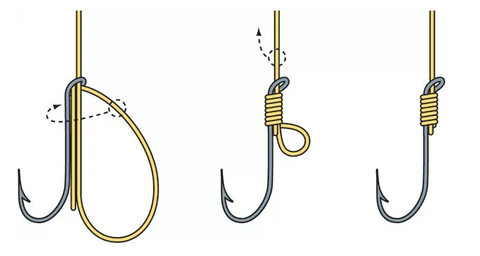
Improved Clinch Knot
The Improved Clinch Knot is popular for attaching hooks to the line. It is simple and holds well.
- Thread the line through the hook eye.
- Wrap the tag end around the standing line 5 times.
- Pass the tag end through the small loop near the eye.
- Then pass it through the big loop you just made.
- Moisten the knot and pull tight.
- Trim the excess tag end close to the knot.
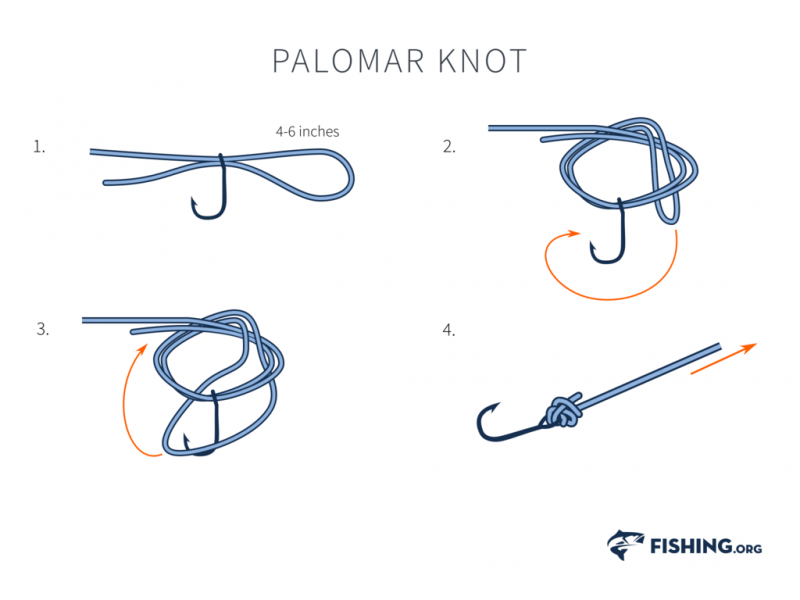
Palomar Knot
The Palomar Knot is strong and easy to tie. It works well with braided lines and monofilament.
- Double about 6 inches of line and pass it through the hook eye.
- Tie a loose overhand knot with the doubled line.
- Pass the hook through the loop of the overhand knot.
- Pull both the standing line and tag end to tighten.
- Trim the tag end close to the knot.
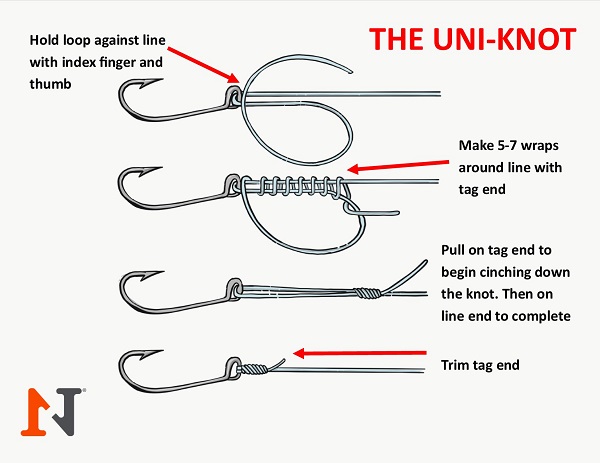
Uni Knot
The Uni Knot is versatile and easy to adjust. It works well for hooks, lures, and swivels.
| Step | Action |
|---|---|
| 1 | Pass the line through the hook eye and double back parallel. |
| 2 | Make a loop by laying the tag end over the doubled line. |
| 3 | Wrap the tag end around the doubled line 5 times. |
| 4 | Pull the tag end to tighten the coils against the eye. |
| 5 | Slide the knot down to the eye and pull both ends tight. |
| 6 | Trim the tag end close to the knot. |
Tips For Stronger Knots
Tying a fishing hook securely on your line is important for a good catch. Strong knots keep the hook from slipping off during fishing.
This guide shares tips to help you make stronger knots that hold tight and last longer.
Proper Tightening
After making the knot, pull the line slowly and evenly. Tighten it just right to avoid weakening the line.
- Wet the knot before pulling to reduce friction.
- Pull the tag end and main line at the same time.
- Do not pull too fast or hard to avoid breaking the line.
- Check that the knot sits neatly against the hook eye.
Avoiding Line Twists
Line twists weaken knots and cause tangles. Prevent twists to keep your knot strong and your fishing smooth.
| Cause | Effect | How to Avoid |
| Improper knot tying | Line twists | Use smooth, even wrapping when tying |
| Reeling against tension | Line twisting | Let the lure sink without reeling too fast |
| Using spinning reels | Line twist | Attach swivel to reduce twisting |
Testing Knot Strength
Test your knot after tying to ensure it will hold under pressure. This stops surprises while fishing.
- Hold the hook firmly.
- Pull the line slowly with steady force.
- Look for any slippage or loosening in the knot.
- If the knot slips, retie it carefully.
Common Mistakes To Avoid
Tying a fishing hook to the line seems simple. Still, many anglers make mistakes that cause lost fish or gear damage.
Knowing what to avoid helps keep your knot strong and fishing successful.
Overtightening The Knot
Tightening the knot too much can weaken the fishing line. It can cause small cuts or breakages.
When you pull the knot, stop as soon as it is snug and secure. Do not force it further.
- Overtightening damages the line fibers
- It reduces knot strength
- Leads to line breaking under stress
Using Damaged Line
Always check your fishing line before tying the hook. Damaged or old lines break easily.
Look for frays, cuts, or weak spots. Replace the line if you find any damage.
- Damaged line lowers knot strength
- It increases the chance of losing fish
- New line lasts longer and holds knots better
Incorrect Hook Attachment
Attaching the hook incorrectly causes it to slip or spin on the line. This weakens the connection.
Make sure the hook eye is threaded properly. The knot should sit tight against the hook eye without gaps.
- Wrong hook attachment lets the knot slide
- It can cause the hook to come loose
- Secure the hook eye tightly with the knot
Credit: medium.com
Maintaining Knots During Fishing
Tying a fishing hook securely is only the first step. Keeping the knot strong is key to catching fish.
Fishing can be tough on knots. Water, movement, and fish can weaken them over time.
Regular Knot Checks
Check your knots often while fishing. Look for any signs of wear or loosening.
Pay attention to fraying lines or slips in the knot. These can cause your hook to come loose.
- Inspect knots after catching a fish
- Check knots after casting
- Look for line damage near the knot
Re-tying When Necessary
If a knot looks weak, re-tie it right away. A fresh knot helps avoid losing fish.
Do not wait for the knot to fail. Re-tying is a quick way to stay ready.
- Cut off old knot completely
- Use the same knot style you trust
- Tighten knot firmly before fishing again
Storing Tied Hooks Safely
Store tied hooks in a safe place to keep knots intact. Avoid tangling or damage.
Use a tackle box or hook holder. Keep hooks dry to prevent line weakening.
- Place tied hooks in separate compartments
- Keep hooks away from sharp objects
- Check knots before packing and after storage
Credit: n1outdoors.com
Frequently Asked Questions
How Do You Securely Tie A Fishing Hook On The Line?
To securely tie a fishing hook, use the improved clinch knot. Thread the line through the hook eye, wrap it five times, and pass the tag end through the loop. Tighten firmly to ensure the hook stays in place during fishing.
What Is The Easiest Knot To Tie A Fishing Hook?
The improved clinch knot is the easiest and most reliable knot. It works well for various line types and hooks. Beginners can quickly learn it to ensure a strong connection that won’t slip or weaken while fishing.
Can I Use Any Fishing Line To Tie A Hook?
Yes, you can tie hooks with monofilament, fluorocarbon, or braided lines. However, knot strength varies by line type. Adjust your knot choice and technique for best results with each specific fishing line.
How Tight Should The Knot Be When Tying A Hook?
The knot should be tight enough to prevent slipping but not so tight it damages the line. Wet the line slightly before tightening to reduce friction and ensure a secure, durable knot.
Conclusion
Tying a fishing hook on a line is simple with practice. Choose the right knot and keep the line tight. Check your knot before casting to avoid losing fish. Practice a few times to feel confident. A strong knot helps you catch more fish.
Remember, patience and practice make fishing more fun. Try different knots to see what works best for you. Keep your gear ready and enjoy your fishing trips.