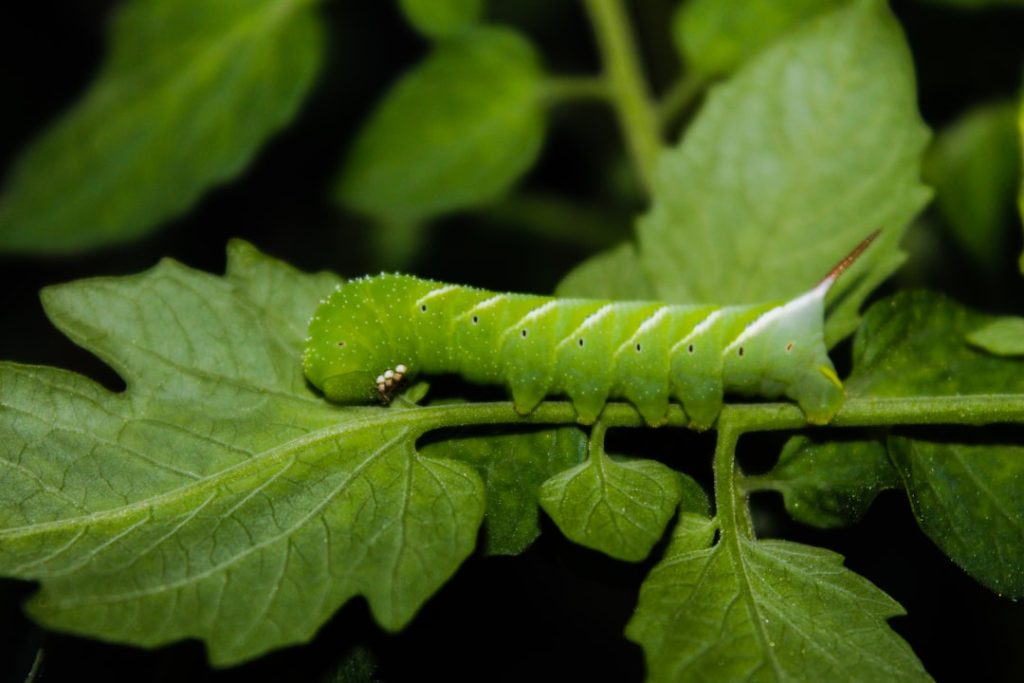
Have you ever noticed a swarm of tent caterpillars in your backyard and wondered if they’re a threat to your precious garden? You’re not alone.
Many people are concerned about these fuzzy creatures that seem to take over trees overnight. Understanding whether tent caterpillars are invasive is crucial, especially if you love maintaining a healthy, vibrant outdoor space. By the end of this article, you’ll know exactly what these critters are up to and whether they pose a risk to your beloved plants.
Curious to find out more? Keep reading to uncover the truth about tent caterpillars and how they might impact your garden sanctuary.
Tent Caterpillar Basics
Tent caterpillars are a type of moth larvae known for making silk tents in trees. They often gather in groups inside these tents.
People wonder if tent caterpillars are invasive because they can damage trees. Learning about them helps us understand their impact.
Species And Habitats
There are several species of tent caterpillars. The most common is the Eastern tent caterpillar, found in North America.
They live mostly in deciduous trees like cherry, apple, and wild plum. They build tents in branches to stay safe.
- Eastern tent caterpillar (Malacosoma americanum)
- Western tent caterpillar (Malacosoma californicum)
- Forest tent caterpillar (Malacosoma disstria)
Life Cycle And Behavior
Tent caterpillars start as eggs laid on tree branches. Eggs hatch in early spring when leaves grow.
The caterpillars feed on leaves and live together in silk tents. They grow fast and leave the tent to eat.
- Eggs hatch in spring
- Caterpillars make silk tents
- They feed on tree leaves
- Pupate into moths by early summer
Invasive Species Criteria
Tent caterpillars are often found in many regions. People ask if they are invasive species. Understanding what makes a species invasive helps answer this question.
This article looks at two key points: what makes an invasive species and how they impact local ecosystems.
What Makes An Invasive Species
An invasive species is one that moves to a new area and causes harm. It usually spreads quickly and competes with native species for resources.
- Arrives in a place where it did not live before
- Spreads fast and grows in large numbers
- Causes damage to the environment, economy, or human health
- Lacks natural predators in the new area
Impact On Local Ecosystems
Tent caterpillars eat leaves from many trees. This can affect the health of forests and farms. The damage can change how native plants and animals live.
| Effect | Description |
| Defoliation | Tent caterpillars strip leaves, weakening trees |
| Food Chain | Change in food availability for birds and insects |
| Forest Growth | Reduced tree growth due to leaf loss |
| Predator Increase | Some predators may increase due to more prey |
Are Tent Caterpillars Invasive?
Tent caterpillars are moth larvae that build silk tents in trees. People often wonder if they are invasive pests. The answer depends on where they live and their species.
Understanding if tent caterpillars are native or non-native helps us know how they affect local plants and ecosystems. This guide looks at their native status and regional differences.
Native Vs Non-native Status
Some tent caterpillar species are native to certain areas, while others are non-native. Native species have lived in an area for a long time and fit into the local ecosystem. Non-native species come from other places and can cause problems.
- Native tent caterpillars:Usually do not cause lasting damage. Natural predators keep their numbers balanced.
- Non-native tent caterpillars:May spread quickly and harm local trees. Lack of natural enemies can lead to outbreaks.
- Control methods:Are different depending on whether the species is native or invasive.
Regional Differences
| Region | Common Tent Caterpillar Species | Invasive Status | Impact on Trees |
|---|---|---|---|
| North America | Eastern Tent Caterpillar (Malacosoma americanum) | Native | Defoliates trees but usually not fatal |
| Europe | Forest Tent Caterpillar (Malacosoma disstria) | Native | Occasional outbreaks, trees often recover |
| Australia | Australian Tent Caterpillar (Antheraea spp.) | Mostly native | Can cause damage during large outbreaks |
| New Zealand | Non-native Tent Caterpillars | Invasive | Significant damage to native forests |
Ecological Impact Of Tent Caterpillars
Tent caterpillars are common insects found in many forests and gardens. They live in groups and build web-like tents in tree branches.
These caterpillars can change the environment around them. Their effects on trees and food chains are important to understand.
Effects On Trees And Plants
Tent caterpillars eat the leaves of many trees. This can harm the trees by reducing the leaves they need for food.
When caterpillars eat too many leaves, trees may grow slower or lose some branches. This weakens the tree over time.
- Defoliation reduces photosynthesis in trees
- Repeated attacks can cause tree stress and damage
- Young trees are more vulnerable to caterpillar feeding
- Some trees can recover if the damage is not severe
Role In Food Chains
Tent caterpillars serve as food for many animals. Birds, small mammals, and insects eat them to get energy.
They help support populations of these animals by providing a food source during spring and summer.
- Birds feed on caterpillars to feed their chicks
- Predators like wasps and spiders hunt tent caterpillars
- Caterpillars help keep the balance in forest ecosystems
Managing Tent Caterpillar Populations
Tent caterpillars can damage trees by eating leaves. Managing their numbers helps protect plants and trees.
There are natural ways and human methods to control tent caterpillars. Both help reduce their impact.
Natural Predators And Controls
Many animals eat tent caterpillars. Birds, wasps, and beetles are common predators. These natural enemies keep caterpillar numbers low.
Parasites also help control tent caterpillars. Some wasps lay eggs inside the caterpillars. The eggs hatch and eat the caterpillar from inside.
- Birds like robins and blue jays eat caterpillars
- Parasitic wasps reduce caterpillar populations
- Beetles hunt and feed on caterpillar eggs
- Fungal diseases can infect and kill caterpillars
Human Intervention Methods
People can remove tent caterpillar nests by hand. This stops caterpillars from growing and spreading.
Using insecticides is another option. It can reduce caterpillars but should be used carefully to avoid harming other insects.
- Remove nests with a stick or gloved hands
- Apply insecticidal soap or sprays to affected trees
- Trim branches to remove egg masses in early spring
- Use sticky bands on tree trunks to trap crawling caterpillars

Credit: www.earth.com
Common Myths About Tent Caterpillars
Tent caterpillars often cause concern for gardeners and homeowners. Many people believe these insects are harmful invaders that destroy trees.
This article clears up common myths about tent caterpillars. It explains what damage they really cause and their effects on the environment.
Misconceptions On Damage
Many think tent caterpillars kill trees by eating all the leaves. While they do eat leaves, the harm is usually less than people expect.
- Tent caterpillars rarely kill mature trees.
- Trees often grow new leaves after caterpillar feeding.
- Damage is usually short-term and not fatal.
- Heavy infestations can stress young or weak trees.
- Natural predators help control caterpillar populations.
True Environmental Effects
Tent caterpillars play a role in the ecosystem. They provide food for birds and other animals. Their presence is part of a natural balance.
| Effect | Description |
| Food Source | They feed birds, small mammals, and insects. |
| Tree Growth | Trees can recover quickly after leaf loss. |
| Population Control | Natural predators keep caterpillar numbers in check. |
| Forest Health | They help recycle nutrients by breaking down leaves. |
Future Outlook
Tent caterpillars are common insects in many regions. Their future impact depends on several factors.
Understanding their growth and spread helps us manage their presence better.
Climate Change Influence
Rising temperatures can change where tent caterpillars live. Warmer weather may allow them to survive in new areas.
Changes in rainfall and seasons affect their life cycle. This can increase their numbers in some regions.
Potential Spread And Control
Tent caterpillars may spread to new places through wind and movement of plants. This can cause more infestations.
Controlling them involves monitoring and natural predators. Removing egg masses and using safe insecticides also helps.
- Watch for early signs of infestation
- Encourage birds and insects that eat caterpillars
- Remove tents and egg clusters by hand
- Use eco-friendly pest control if needed
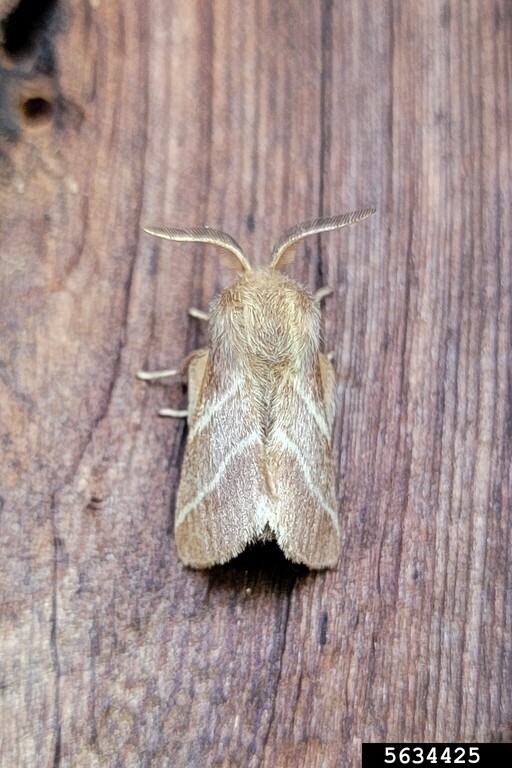
Credit: www.tn.gov

Credit: ca.news.yahoo.com
Frequently Asked Questions
Are Tent Caterpillars Considered Invasive Species?
Tent caterpillars are native to North America and not truly invasive. However, their outbreaks can cause significant defoliation, affecting tree health temporarily.
How Do Tent Caterpillars Spread To New Areas?
Tent caterpillars spread mainly through natural movement of larvae and adult moths. Human activities can also unintentionally transport egg masses on plants.
What Trees Do Tent Caterpillars Prefer To Infest?
Tent caterpillars mainly infest cherry, apple, and other fruit trees. They prefer deciduous trees with soft leaves for feeding and shelter.
Can Tent Caterpillars Cause Long-term Damage To Trees?
Usually, tent caterpillars cause only temporary defoliation. Healthy trees recover quickly, but repeated infestations can weaken trees over time.
Conclusion
Tent caterpillars can spread quickly and affect trees. They are not always invasive but can cause damage. Their presence may change the local environment and harm plants. Controlling them early helps protect your garden and trees. Watch for signs of their nests in spring.
Taking action prevents bigger problems later. Understanding these insects helps manage their impact wisely. Stay informed to keep your outdoor space healthy.