Have you ever noticed water pooling around your air conditioner or found yourself wondering why it’s not cooling your home as it should? These could be signs that something’s amiss with your air conditioner’s drip pan.
But where exactly is this elusive drip pan located? Understanding its position is crucial not only for troubleshooting but also for maintaining your AC’s efficiency. By the end of this article, you’ll discover the exact spot where your AC’s drip pan hides, ensuring you can keep your unit in top-notch condition.
Ready to dive into this essential yet often overlooked component of your air conditioner? Let’s find out!
Credit: www.walmart.com
Purpose Of The Drip Pan
The drip pan is a small but important part of an air conditioner. It collects water that forms during cooling.
This pan helps keep the area around the air conditioner dry and safe from water damage.
Role In Moisture Collection
The drip pan catches the moisture that drips from the air conditioner’s evaporator coil. This happens because cold air cools the warm air inside.
Without the drip pan, water would drip inside the house or on the unit, causing problems.
Preventing Water Damage
The drip pan stops water from leaking onto floors or walls. It protects your home from stains and mold.
It also helps the air conditioner work better by guiding water safely away.

Credit: northnjhvac.com
Common Locations Of The Drip Pan
The drip pan in an air conditioner collects water from condensation. It helps prevent water damage inside your home. Knowing where the drip pan is can help with maintenance.
Drip pans are placed where water is most likely to gather. These spots are usually near parts that cool the air. Let’s look at common drip pan locations.
Inside The Indoor Unit
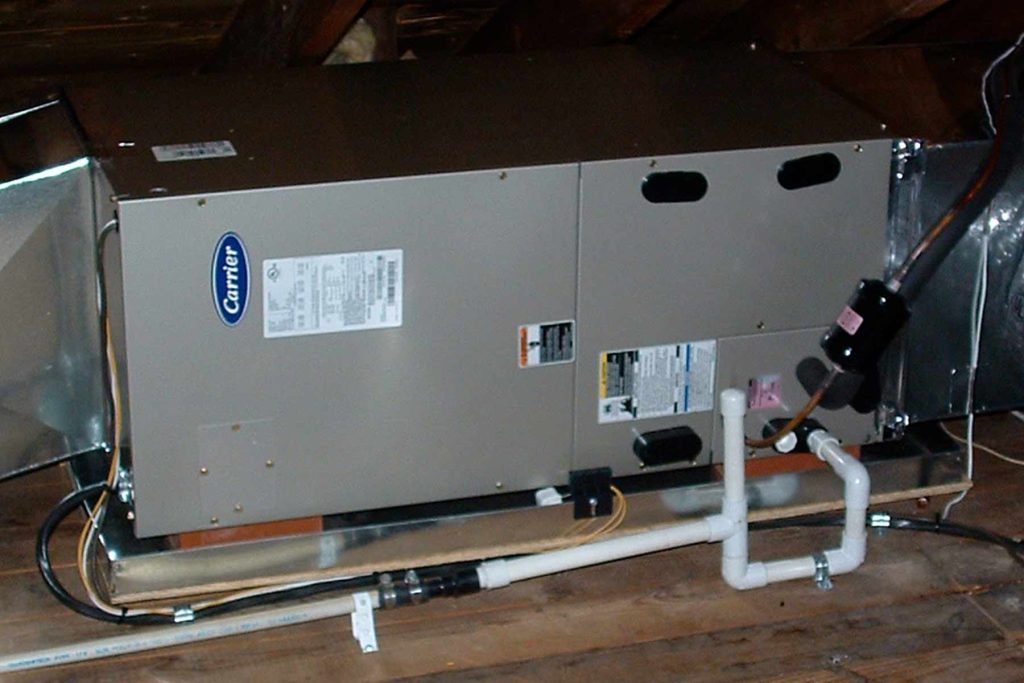
The drip pan is often inside the indoor unit of the air conditioner. This unit is found in your home, usually on a wall or ceiling. The pan catches water that drips from the cooling parts.
Inside the indoor unit, the drip pan is hidden but easy to access for cleaning. It sits below the parts that make the air cold.
Near The Evaporator Coil
The drip pan is placed near the evaporator coil in many air conditioners. The coil cools the air and causes moisture to form. The drip pan collects this moisture to stop leaks.
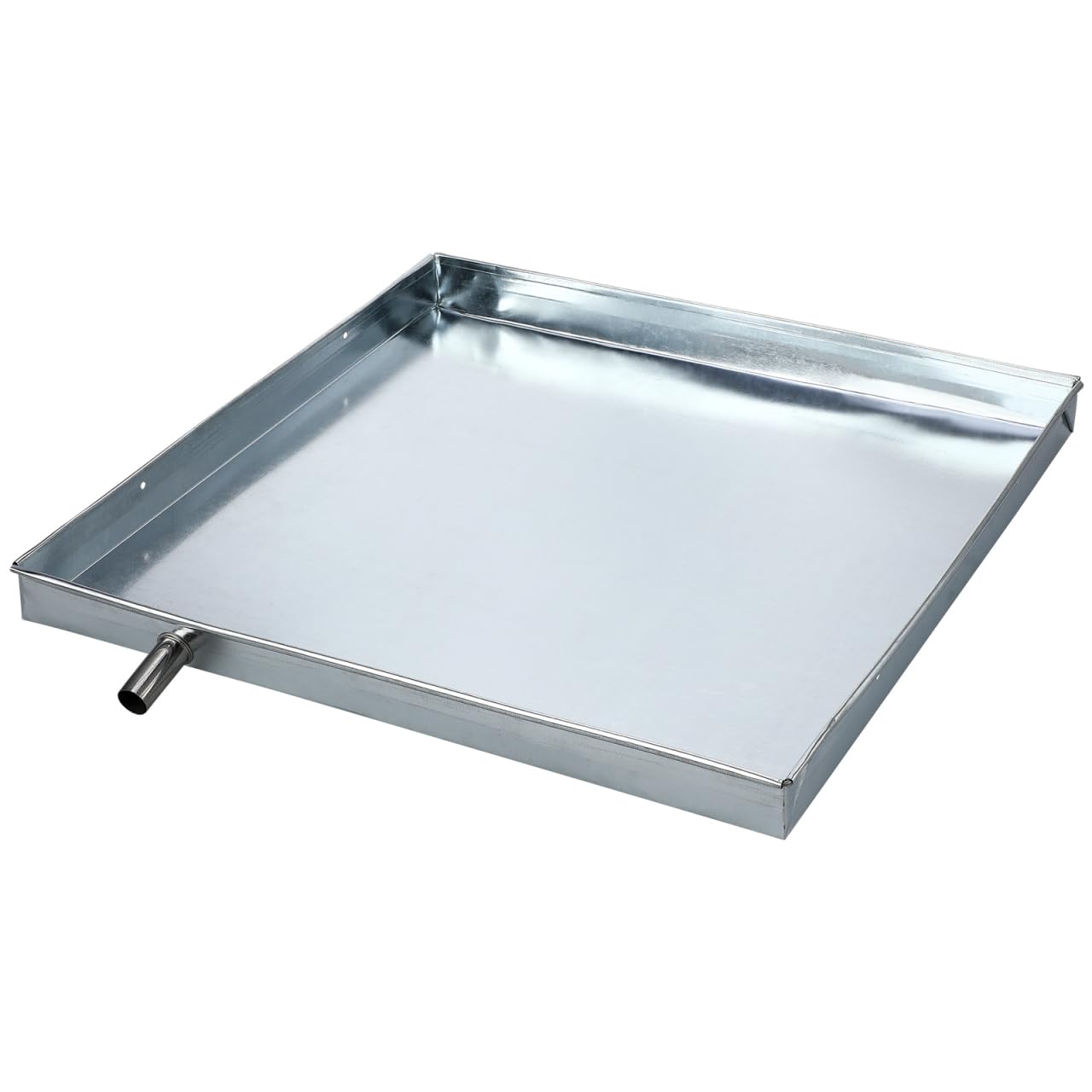
This pan is usually a flat tray right under the evaporator coil. It catches water before it can drip down inside the unit.
Below The Air Handler
The air handler moves air through the house and has a drip pan below it. This pan catches water if the indoor unit’s pan overflows. It acts as a backup to protect your home.
This location is common in central air systems. The drip pan here is larger and easier to see during inspections.
How To Access The Drip Pan
The drip pan on an air conditioner collects water that comes from condensation. It helps keep water from leaking inside your home. To clean or check the drip pan, you need to find and access it first.
Accessing the drip pan is simple if you know where to look. This guide shows two ways to find and reach the drip pan on most air conditioners.
Removing The Access Panel
Most air conditioners have an access panel on the front or side. Removing this panel lets you see inside the unit. You can check the drip pan and clean it if needed.
Use a screwdriver to remove screws holding the panel. Keep the screws safe to put the panel back later. After removing the panel, look for a shallow tray at the bottom. This is the drip pan.
- Turn off the air conditioner before starting
- Locate the access panel on the unit
- Use a screwdriver to remove screws
- Carefully take off the panel
- Find the drip pan at the bottom inside
Checking Underneath The Unit
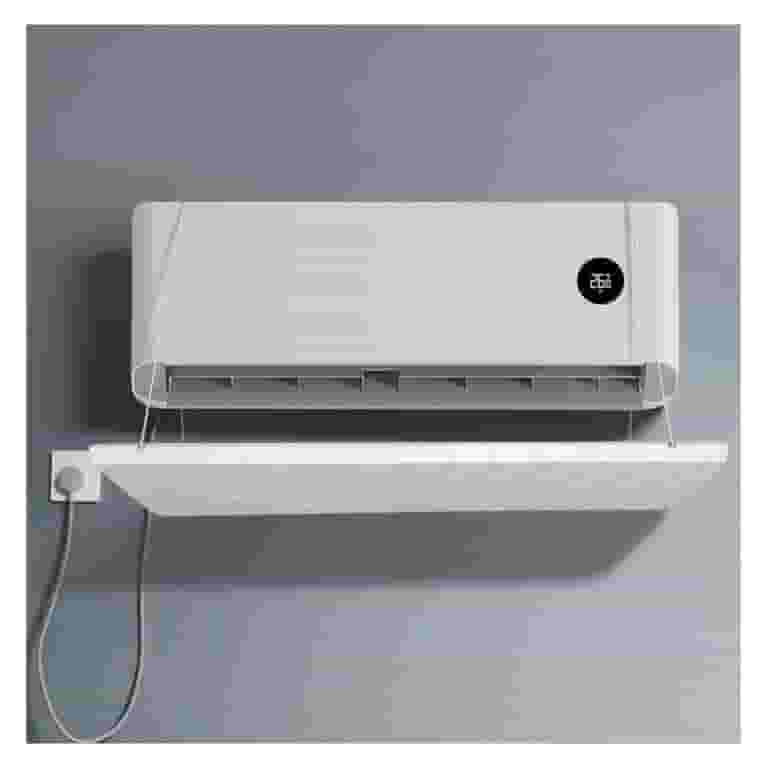
If your air conditioner is a window or wall unit, the drip pan may be underneath. You might need to look below the unit to find it. The pan catches water that drips out.
Stand in front of the air conditioner and look down. The drip pan is usually a plastic or metal tray. Make sure to check it for water or dirt. Clean it to keep your unit working well.
- Turn off and unplug the air conditioner
- Look below the unit from inside
- Find the drip pan catching water
- Remove any dirt or water from the pan
- Replace the unit or panel if needed
Credit: www.amazon.ca
Signs Of A Full Or Clogged Drip Pan
The drip pan on an air conditioner collects water from condensation. If it gets full or clogged, problems can start. Knowing the signs helps you fix issues early.
Check for water leaks, bad smells, and mold. These signs show the drip pan needs attention.
Water Leaks Around The Unit
If the drip pan is full or blocked, water can leak outside the unit. You may see puddles or wet spots near the air conditioner.
- Water pooling under the unit
- Dripping sounds near the air conditioner
- Wet stains on walls or floor close to the unit
Unpleasant Odors
A clogged drip pan can cause bad smells. Stagnant water grows bacteria and fungi that create odors. You may notice a musty or sour smell near the air conditioner.
Mold And Mildew Growth
Standing water in the drip pan can lead to mold and mildew. These fungi thrive in wet, dark places. Mold can spread and cause health problems.
| Sign | Description |
| Visible mold spots | Black, green, or white patches near or under the unit |
| Air quality issues | Increased allergy or breathing problems in the room |
| Sticky or slimy surface | The drip pan may feel slippery due to mold growth |
Maintenance Tips For The Drip Pan
The drip pan in an air conditioner collects water that comes from condensation. It helps keep the unit dry and prevents water damage.
Taking good care of the drip pan stops mold and leaks. Here are some tips to keep it clean and working well.
Regular Cleaning
Clean the drip pan often to stop dirt and mold from building up. Dirt blocks water flow and causes bad smells.
Use soap and water to wash the pan. Dry it well before putting it back.
- Turn off the air conditioner before cleaning
- Remove the drip pan carefully
- Use a soft brush to clean inside the pan
- Rinse with clean water and dry
- Put the pan back in place securely
Ensuring Proper Drainage
Make sure the drip pan drains water well. Standing water can cause leaks and damage your home.
Check the drain pipe for clogs and clear any blockages. Tilt the pan slightly if needed to help water flow out.
- Inspect the drain pipe regularly
- Clear debris from the pipe
- Check the pan’s angle to ensure water flows out
- Replace damaged pipes or pans quickly
Using Algaecides
Algaecides stop algae from growing in the drip pan. Algae can block water flow and cause smells.
Add a small amount of algaecide to the pan during cleaning. Use products made for air conditioners to avoid damage.
- Choose algaecides safe for AC units
- Follow the instructions on the product label
- Use algaecide during regular cleaning
- Do not use too much to protect the system
When To Call A Professional
The drip pan on your air conditioner collects water from condensation. It helps prevent water damage inside your home. Sometimes, the drip pan can cause problems that need expert help.
Knowing when to call a professional can save you time and prevent bigger issues. Here are some signs that you need a specialist.
Persistent Leaks
If water keeps leaking from the drip pan, it may be clogged or damaged. You might see water pooling near the air conditioner or dripping inside your home.
- Leaks that do not stop after cleaning
- Water stains on walls or ceilings near the unit
- Mold or mildew smell near the air conditioner
Complex Repairs
Some repairs are too hard or risky to do yourself. These include fixing cracks in the drip pan or replacing damaged parts of the air conditioner.
| Repair Type | Reason to Call a Professional |
|---|---|
| Cracked Drip Pan | Needs proper sealing or replacement |
| Clogged Drain Line | May require special tools to clear |
| Water Overflow | Could signal bigger system issues |
Routine Inspections
Regular checks help keep your air conditioner working well. Professionals can find small problems before they become serious.
- Check the drip pan for cracks or rust
- Clear the drain line to prevent blockages
- Inspect for signs of leaks or water damage
- Test the system’s overall performance
Frequently Asked Questions
Where Is The Drip Pan Located In An Air Conditioner?
The drip pan is beneath the evaporator coil inside the air handler. It collects condensation to prevent water damage.
Why Does The Air Conditioner Drip Pan Overflow?
Overflow happens when the pan clogs or the drain line is blocked. This causes water to back up and spill.
How To Access The Drip Pan In An Ac Unit?
Remove the front panel or service door of the indoor unit. This allows easy access to inspect or clean the drip pan.
Can A Damaged Drip Pan Cause Ac Problems?
Yes, a cracked or rusted drip pan can leak water. It may cause floor damage and reduce the AC’s efficiency.
Conclusion
The drip pan sits under the air conditioner’s evaporator coil. It catches water that forms from cooling the air. Keeping the pan clean stops water damage and mold growth. Check it regularly to avoid leaks and bad smells. Knowing its location helps you maintain your AC better.
Small steps can save costly repairs later. Stay aware of your drip pan’s role in your system. It keeps your home safe and your air conditioner working well. Simple care goes a long way.