Are you tired of hearing the scurrying sounds of unwanted guests in your home? If rats have taken up residence in your house, you’re not alone.
Many homeowners face this unsettling problem and wonder about the most effective way to deal with it. You might have heard about tenting a house as a solution, but does it really kill rats? This question is more than just a curiosity; it could be the key to reclaiming your home and peace of mind.
Before you invest time and money into this method, it’s crucial to understand what tenting involves and whether it’s the right choice for your situation. We’ll unravel the mystery behind tenting a house and its effectiveness against rats, providing you with the insights you need to make an informed decision. Stay with us as we explore this intriguing topic and discover if tenting could be the answer you’ve been searching for.
What Is Tent Fumigation
Tent fumigation is a method used to remove pests from a house. The entire building is covered with a large tent. Then, fumigants are released inside the tent to kill unwanted pests.
This process is often used to control insects, rodents, and other pests that live inside walls or hidden places. Tent fumigation can reach areas that normal sprays cannot.
How Tent Fumigation Works
The house is sealed tightly under a large tent. This keeps the fumigant gas inside the building. The gas spreads through every part of the house, reaching pests in all corners.
- The tent keeps the gas contained
- Fumigants penetrate walls and floors
- Pests breathe in the gas and die
- The gas is removed after a set time
Types Of Fumigants Used
Different chemicals are used as fumigants. Some common ones include sulfuryl fluoride and methyl bromide. These chemicals are toxic to pests but must be handled carefully.
| Fumigant | Common Use | Safety Notes |
| Sulfuryl Fluoride | Termites, cockroaches | Requires evacuation |
| Methyl Bromide | Broad pest control | Restricted use in some areas |
| Phosphine Gas | Stored product pests | Highly toxic, professional use only |
Safety Measures During Fumigation
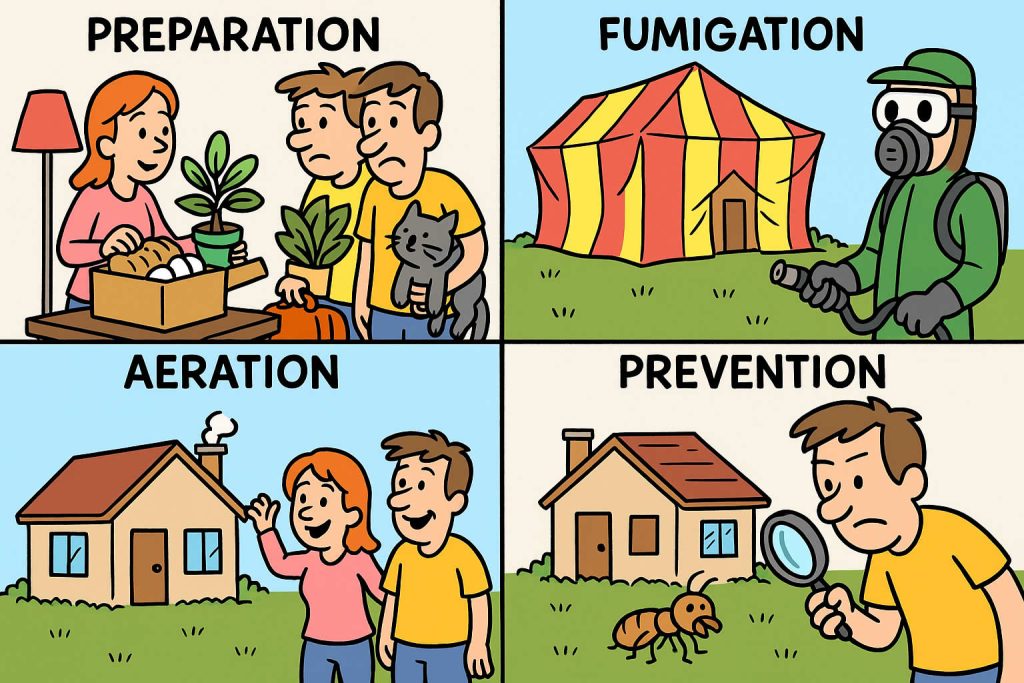
People must leave the house during fumigation. Pets and plants should also be removed. After fumigation, the house is aired out thoroughly to remove any gas.
- Evacuate all humans and animals
- Remove food and plants
- Seal the house with a tent
- Allow aeration before re-entry

Credit: horizonpestcontrol.in
How Tent Fumigation Affects Rats
Tent fumigation is a common method to control pests inside a house. It uses strong gases that fill the tented area. These gases can affect rats living in the house.
Understanding how tent fumigation works helps explain its effects on rats. This process aims to remove pests by cutting off their breathing and poisoning them.
How Fumigation Gas Works On Rats
The gas used in tent fumigation is poisonous to rats. It enters their lungs and bloodstream, stopping their ability to breathe. This causes quick death if they stay inside the tent.
Where Rats Hide During Fumigation
Rats often hide in walls, floors, and tight spaces. The fumigation gas can reach most of these spots. But some areas may have less gas, allowing some rats to survive.
Why Some Rats Survive Tent Fumigation
- Rats may find small gaps to escape gas
- Gas may not reach deep burrows or pipes
- Short fumigation time can leave rats unharmed
- Large rat populations might lower gas concentration
These factors explain why tenting alone may not kill all rats in a house.
Safety Measures During Tent Fumigation
| Measure | Purpose |
| Seal all openings | Prevent gas leaks |
| Keep tent sealed for hours | Ensure gas kills pests |
| Ventilate after fumigation | Clear toxic gas |
| Use protective gear | Protect workers |
Combining Tent Fumigation With Other Methods
Tent fumigation works best with traps and baits. These methods catch rats that survive gas. Cleaning and sealing entry points also help keep rats away.
Effectiveness Of Tenting For Rat Control
Tenting a house is a method used to control pest infestations. It involves covering the entire building with a tarp and filling the space with gas to kill pests inside. This technique is often used for insects but can it kill rats effectively?
Understanding how well tenting works against rats is important for choosing the right pest control method. Rats are tough and live in hidden spaces, so not all treatments work the same on them.
How Tenting Works Against Rats
Tenting fills a house with toxic gas to kill pests. The gas spreads to all parts of the home, including cracks and walls. This can kill rats that breathe the gas, but some may hide in places with less gas exposure.
Limitations Of Tenting For Rats
Rats can survive in hard-to-reach areas like underground burrows or inside walls. Gas may not reach these spaces in enough concentration. Rats can also hold their breath or move to safer places during treatment.
- Rats live deep inside walls and floors
- Gas may not reach all hiding spots
- Rats can hold their breath temporarily
- Eggs and young rats in nests may survive
Safety And Preparation For Tenting
Before tenting, all people and pets must leave the house. Food and plants need to be removed or sealed. Proper sealing of the tent is important to keep the gas inside and effective.
| Preparation Step | Purpose |
|---|---|
| Remove food and water | Prevent contamination |
| Seal the house tightly | Keep gas inside |
| Evacuate all living beings | Ensure safety |
| Inform neighbors | Avoid accidental exposure |
Tenting may not fully solve a rat problem. Other methods include traps, poisons, and sealing entry points. Combining treatments often gives better results.
- Use snap or electronic traps
- Apply rodent poisons carefully
- Seal holes and gaps in walls
- Keep areas clean and remove food sources

Credit: www.angi.com
Limitations Of Tent Fumigation
Tent fumigation is a common method to kill rats in homes. It uses toxic gas inside a sealed tent. The gas kills pests inside the tented area. Still, tent fumigation has many limits you should know.
This method does not always get rid of all rats. Some rats may hide or avoid the gas. Also, the process can be risky and costly. Below are key limits of tent fumigation for rats.
Incomplete Coverage Of Rat Hiding Spots
Rats live in many hidden places in a house. These include walls, attics, and basements. The gas may not reach all these spots. Rats in unreachable areas can survive and return.
Safety Risks During Fumigation
The chemicals used are very toxic to people and pets. The house must be empty during fumigation. Improper sealing or leaks can cause health hazards. Only trained professionals should do tent fumigation.
High Cost And Time Requirements
Tent fumigation costs more than other pest control methods. The process can take several days. It also requires preparation like removing plants and food items. This makes it less convenient for many homeowners.
Effects On Household Items And Environment
- Some furniture and electronics may get damaged by gas
- Plants and pets must be removed before fumigation
- Strong chemical smell can linger after treatment
- Environmental effects depend on the chemicals used
Not A Long-term Solution
Tent fumigation kills rats inside the tent only. It does not stop new rats from entering later. Homeowners need ongoing prevention like sealing entry points and cleaning. Without these steps, rats may come back.
Alternative Rat Control Methods
Tenting a house can kill rats, but it is not always practical. There are other ways to control rats safely and effectively.
Using alternative methods can help reduce rat problems without harmful chemicals or expensive treatments.
Traps And Baits
Traps catch rats alive or kill them quickly. Baits attract rats to poison or traps. Both help reduce rat numbers.
Place traps and baits where rats travel. Check them often and replace if needed.
- Snap traps kill rats instantly
- Live traps catch rats without harm
- Poison baits should be used with care
- Keep traps away from children and pets
Sanitation And Exclusion
Cleaning up food and garbage stops rats from finding food. This lowers their chance to stay.
Blocking holes and gaps keeps rats out. Seal openings in walls, doors, and windows.
- Store food in sealed containers
- Remove clutter and debris outside
- Fix holes bigger than a quarter
- Use metal or concrete to block entry
Professional Pest Services
Pest control experts know how to handle rat problems safely. They use special tools and treatments.
Professionals can inspect your home and create a plan to remove rats. They also help prevent future infestations.
Safety Considerations During Tenting
Tenting a house to kill rats uses strong chemicals. These chemicals can be dangerous if not handled well.
Safety is important for everyone during the tenting process. This includes the people living in the house and the workers doing the job.
Protecting Your Family And Pets
All people and pets must leave the house before tenting starts. The chemicals used can cause sickness or worse.
- Remove pets, including fish tanks, from the home.
- Store food and water outside the tented area.
- Keep children away from the treated home until it is safe.
Preparation Of The Home
Preparing the home properly helps keep everyone safe. It also makes the tenting more effective.
- Seal all openings and vents to keep chemicals inside.
- Remove or cover furniture and items that may absorb chemicals.
- Turn off all pilot lights and electrical devices.
Handling Chemicals Safely
Only trained professionals should handle the chemicals. They know how to use them safely.
| Safety Measure | Why It Matters |
| Wear protective gear | Prevents skin and eye contact |
| Use proper ventilation | Reduces inhalation risks |
| Follow label instructions | Ensures correct chemical use |
Post-tenting Safety Steps
The home must be aired out well after tenting. This removes chemical residue and protects returning occupants.
- Wait the recommended time before re-entry.
- Open all windows and doors to ventilate.
- Check for any remaining chemical odors or residues.
Cost And Preparation For Tent Fumigation
Tent fumigation is a way to get rid of rats inside a house. It uses gas inside a sealed tent to kill pests.
This process needs careful preparation and can cost different amounts based on the home size.
Cost Of Tent Fumigation
The price of tent fumigation depends on many things. The size of your house is one of the biggest factors.
Other factors are the location and the company you choose to do the job.
- Small houses usually cost less
- Larger homes need more gas and time
- Prices can range from a few hundred to over a thousand dollars
- Some companies may charge for extra services
Preparing Your Home For Tent Fumigation
You must prepare your home before tent fumigation. This helps the process work better and keeps your family safe.
Preparation steps include clearing food and plants from the house and yard.
- Remove all food and pet food
- Take out houseplants
- Cover or remove aquariums
- Open cabinets and drawers
- Inform neighbors about the fumigation
- Plan to stay away from home for a few days
What To Expect During Tent Fumigation
The house will be covered with a large tent to hold the fumigation gas inside.
The fumigation gas works to kill rats and other pests. The process usually takes 2 to 4 days.
- Technicians set up the tent carefully
- The house stays sealed during fumigation
- No one can enter the house during this time
- The house is aired out after fumigation
- Only enter after it is safe

Credit: www.angi.com
Frequently Asked Questions
Does Tenting A House Effectively Kill Rats?
Tenting a house primarily targets termites, not rats. It does not effectively kill rats inside the home. Rats require specific pest control methods like traps or rodenticides for elimination.
How Long Does Tenting Take To Affect Pests?
Tenting usually lasts 24 to 72 hours, depending on pest severity. It releases gases that kill insects but does not impact rodents like rats.
Can Rats Survive Tenting Fumigation?
Rats can survive tenting fumigation because gases used do not affect mammals. They often escape or hide in protected areas during the process.
What Methods Kill Rats In A House?
Effective rat control includes traps, bait stations, and rodenticides. Sealing entry points and maintaining cleanliness also prevent infestations.
Conclusion
Tenting a house can help kill rats by cutting off their air supply. It works best with professional pest control services. This method is fast and can clear infestations quickly. Still, rats may return if entry points stay open. Seal holes and keep your home clean to prevent rats.
Combining tenting with other steps gives better results. Stay alert and act early to protect your home. Tenting is a useful tool, but not the only solution.