Are you facing issues with your air conditioner and wondering how to recover refrigerant safely and efficiently? You’re not alone.
Many homeowners find themselves puzzled when it comes to handling refrigerant recovery. But worry not! In this guide, you’ll discover the straightforward steps you need to take to ensure your air conditioner functions smoothly and safely. By understanding these techniques, you not only protect your AC unit but also contribute to a healthier environment.
Stick around to learn how you can save time, energy, and money by mastering this essential skill. Let’s dive in and get your AC back to its optimal performance!

Credit: www.youtube.com
Refrigerant Recovery Basics
Refrigerant recovery is the process of removing refrigerant from an air conditioner safely. It helps keep the environment clean and protects people’s health.
This process uses special tools to collect refrigerant without releasing it into the air. Knowing how to recover refrigerant is important for technicians.
Why Recover Refrigerant
Recovering refrigerant prevents harmful gases from escaping into the atmosphere. These gases can damage the ozone layer and cause global warming.
It also allows technicians to reuse or recycle the refrigerant. This saves money and reduces waste from old air conditioners.
- Protects the environment
- Prevents health risks
- Saves money by reusing refrigerant
- Follows legal rules
Types Of Refrigerants
There are many types of refrigerants used in air conditioners. Each type has different effects on the environment and requires proper handling.
Common types include older refrigerants and newer eco-friendly options. Knowing the type helps with safe recovery and disposal.
- CFCs (Chlorofluorocarbons) – Harmful to ozone, mostly banned
- HCFCs (Hydrochlorofluorocarbons) – Less harmful but still restricted
- HFCs (Hydrofluorocarbons) – No ozone damage but high global warming
- Natural refrigerants – Such as CO2 and ammonia, safer options
Safety Precautions
Handling refrigerants requires care to avoid accidents and injuries. Use safety gear and follow proper steps during recovery.
Work in a well-ventilated area and check for leaks. Always use tools designed for refrigerant recovery to stop gas from escaping.
- Wear gloves and safety goggles
- Use a recovery machine and tank
- Check equipment for leaks before use
- Work in open or ventilated spaces
- Follow local laws and guidelines
Tools And Equipment Needed
Recovering refrigerant from an air conditioner requires the right tools. Using proper equipment keeps the process safe and effective.
This guide covers the main tools you need to recover refrigerant correctly and safely.
Recovery Machine
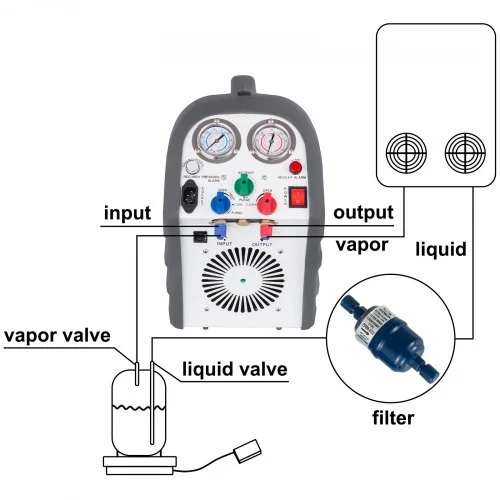
A recovery machine pulls refrigerant from the air conditioner system. It stores the refrigerant safely for reuse or disposal.
- Connects to the AC unit’s service ports
- Uses a pump to remove refrigerant
- Prevents leaks during transfer
- Has gauges to monitor pressure
Recovery Cylinders
Recovery cylinders hold the refrigerant after it leaves the air conditioner. They are designed to store the gas safely.
| Type | Purpose | Material | Labeling |
|---|---|---|---|
| Empty Cylinder | Collects recovered refrigerant | Steel or aluminum | Must be labeled for refrigerant type |
| Full Cylinder | Stores refrigerant until recycling or reuse | Durable and leak-proof | Marked as full and sealed |
Personal Protective Gear
Protective gear is essential for safety during refrigerant recovery. It helps prevent injury from gas exposure and equipment use.
- Safety goggles to protect eyes
- Gloves to avoid skin contact
- Long sleeves and pants for skin coverage
- Respirator mask if working in enclosed spaces
Preparing For Recovery
Recovering refrigerant from an air conditioner is a careful process. Proper preparation helps keep you safe and protects the environment.
Before starting, you need to prepare the system and tools. This guide shows what to do first.
Turn Off The Air Conditioner
Switch off the air conditioner at the main power source. This stops electricity from flowing to the unit.
Also, turn off the thermostat inside the house. This prevents the system from trying to run while you work.
Locate Service Ports
Service ports are where you connect recovery tools. Usually, there are two ports: one for low pressure and one for high pressure.
Find these ports on the outdoor unit. They look like small valves with caps you can unscrew.
- Low-pressure port is usually larger
- High-pressure port is smaller
- Both ports have threaded caps
Check For Leaks
Look for signs of refrigerant leaks before recovery. Leaks can be dangerous and cause refrigerant loss.
Use a leak detector or soap solution around connections and pipes. Bubbles or sensor alerts show leaks.
- Inspect pipe joints and fittings
- Check service ports for damage
- Listen for hissing sounds

Credit: www.achrnews.com
Step-by-step Recovery Process
Recovering refrigerant from an air conditioner helps protect the environment. This guide shows how to do it safely and correctly.
Follow each step carefully to avoid leaks and damage to the system or recovery machine.
Connect Recovery Machine
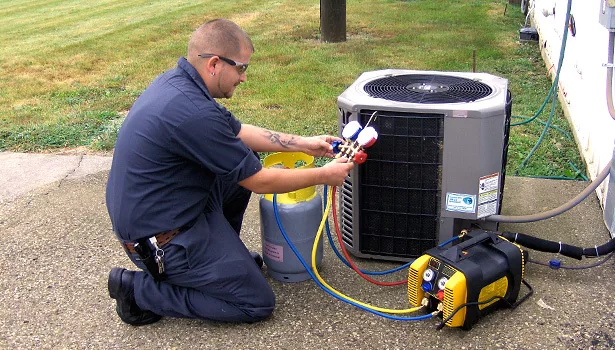
First, turn off the air conditioner and unplug it. Then, attach the recovery machine hoses to the service ports on the AC unit.
- Wear safety goggles and gloves before starting.
- Connect the low-pressure hose to the suction port.
- Connect the high-pressure hose to the discharge port.
- Attach the other ends of hoses to the recovery machine.
- Check all connections for tightness to avoid leaks.
Start Recovery
Turn on the recovery machine to begin pulling refrigerant from the AC system. Keep the machine running steadily during the process.
- Switch on the recovery machine power.
- Open the valves on the recovery machine.
- Open the service port valves on the AC unit.
- Let the machine draw refrigerant until the system pressure lowers.
- Watch for any unusual sounds or leaks.
Monitor Pressure And Temperature
Keep an eye on the pressure gauges and temperature readings. These tell you how much refrigerant remains and if the machine works well.
| Parameter | Normal Range | Action if Outside Range |
| Low Pressure Gauge | 0 to 5 psi | Check for leaks or blockages |
| High Pressure Gauge | 0 to 100 psi | Stop machine if too high |
| Recovery Tank Temperature | Below 120°F | Allow cooling time |
| Ambient Temperature | 50°F to 90°F | Move machine to cooler place |
Complete Recovery
Finish by closing all valves and turning off the recovery machine. Disconnect hoses carefully to avoid spills.
- Close service port valves on the AC unit.
- Close recovery machine valves.
- Turn off the recovery machine power.
- Release pressure from hoses safely.
- Disconnect hoses and store equipment properly.
Post-recovery Procedures
After you recover refrigerant from an air conditioner, you need to follow important steps. These steps ensure safety and prepare the system for future use.
Proper handling of equipment and refrigerant helps protect the environment and keeps the system in good condition.
Disconnect Equipment Safely
Turn off all equipment and power sources before disconnecting. This prevents accidents and protects the tools.
Use gloves and safety glasses to avoid contact with refrigerant or sharp parts.
- Switch off the recovery machine and air conditioner
- Release pressure slowly from hoses
- Disconnect hoses carefully to avoid leaks
- Store tools in a clean and dry place
Store Recovered Refrigerant
Keep the recovered refrigerant in approved containers that are clean and leak-free. Label containers clearly with the type of refrigerant.
Store containers in a cool, dry, and ventilated area away from heat or flames.
- Use containers designed for refrigerant storage
- Check containers for damage before use
- Seal containers tightly to avoid leaks
- Follow local laws for refrigerant storage
Inspect System For Repairs
After removing refrigerant, check the air conditioner for leaks or damage. Look at all parts including hoses, valves, and coils.
Fix any problems before refilling the system with refrigerant. This keeps the system safe and working well.
- Look for oil stains or corrosion
- Test for leaks using a leak detector
- Replace damaged or worn parts
- Clean coils and filters if needed
Common Issues And Troubleshooting
Recovering refrigerant from an air conditioner can sometimes be tricky. You might face problems that stop the process or make it slow.
Knowing common issues helps you fix them fast. This guide covers common problems and how to troubleshoot them.
Recovery Machine Not Operating
If the recovery machine does not start, check the power supply first. Make sure it is plugged in and the outlet works.
Inspect the machine’s fuse or circuit breaker. A blown fuse or tripped breaker can stop the machine from working.
- Check the power cord for damage
- Test the electrical outlet
- Replace blown fuses or reset breakers
- Ensure the machine’s power switch is on
Leaks During Recovery
Leaks cause refrigerant loss and can harm the environment. Look for oily spots or hissing sounds near connections.
Tighten all fittings and use leak detectors to find small leaks. Replace damaged hoses or seals to stop leaks.
- Inspect all hose connections
- Use soap solution to spot bubbles
- Use electronic leak detectors
- Replace worn or damaged parts
Slow Recovery Process
If refrigerant is recovering slowly, check the recovery machine’s filter and oil level. Dirty filters or low oil reduce speed.
Also, make sure the system pressure is correct. Low pressure means less refrigerant to recover, which slows the process.
- Clean or replace the machine’s filter
- Check and refill the oil level
- Verify system pressure with gauges
- Use the correct recovery method for refrigerant type
Legal And Environmental Considerations
Recovering refrigerant from an air conditioner is not only a technical task. It involves rules to protect the environment and public health. Understanding these laws helps avoid harm and fines.
Proper handling of refrigerants reduces pollution and prevents damage to the ozone layer. This guide covers key legal and environmental points to keep in mind.
Regulations On Refrigerant Handling
Many countries regulate how refrigerants must be handled during recovery. These rules aim to limit leaks and ensure safe storage. Certified technicians often must do the work.
- Use approved equipment for recovery
- Store recovered refrigerant in sealed containers
- Keep records of refrigerant amounts recovered
- Follow local laws for transport and transfer
- Train staff on proper refrigerant handling
Disposal And Recycling
Refrigerant disposal must prevent release into the air. Recycling helps reuse materials and reduces waste. Many regions have specific disposal and recycling programs.
| Method | Description | Benefits |
| Recycling | Cleaning and reusing refrigerant | Less pollution, cost savings |
| Destruction | Safe chemical breakdown of refrigerant | Prevents ozone damage |
| Landfill Disposal | Not allowed for refrigerants | Illegal and harmful |
Penalties For Non-compliance
Failing to follow refrigerant laws can lead to serious penalties. Authorities may impose fines, revoke licenses, or require cleanup actions.
- Monetary fines based on violation severity
- Suspension or loss of work permits
- Legal action for environmental damage
- Mandatory training or corrective measures
Credit: www.vevor.com
Frequently Asked Questions
How Do You Safely Recover Refrigerant From Ac?
Use approved recovery equipment and follow EPA guidelines. Wear protective gear. Avoid releasing refrigerant into the atmosphere. Connect the recovery machine to the AC system carefully. Store recovered refrigerant in approved cylinders for recycling or disposal.
What Tools Are Needed To Recover Ac Refrigerant?
You need a refrigerant recovery machine, recovery cylinder, manifold gauge set, and wrenches. Safety gear like gloves and goggles is essential. Proper tools ensure efficient and safe refrigerant extraction.
Why Is Refrigerant Recovery Important In Ac Servicing?
Recovering refrigerant prevents environmental harm and complies with legal regulations. It helps avoid ozone depletion and greenhouse gas emissions. Proper recovery also allows refrigerant reuse and reduces waste.
Can I Recover Refrigerant From My Ac At Home?
Recovering refrigerant requires specialized equipment and training. It is illegal to release refrigerants into the air. Hiring a certified HVAC technician is safer and ensures compliance with laws.
Conclusion
Recovering refrigerant from an air conditioner helps protect the environment. It saves money by reusing the refrigerant safely. Always follow safety steps to avoid harm. Use the right tools and work carefully. This process keeps your AC running well. Taking time to recover refrigerant is worth it.
Stay safe and protect the planet while fixing your unit.