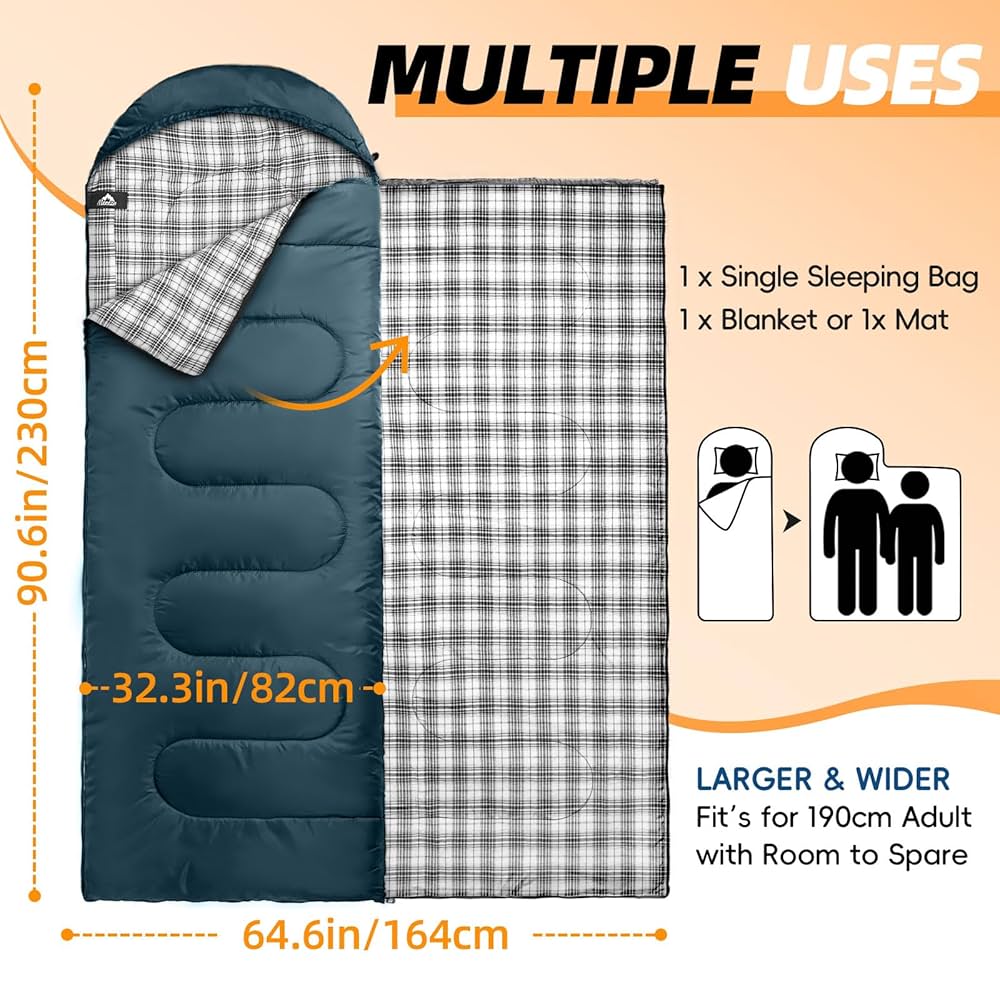
Have you ever wondered just how wide a sleeping bag needs to be for a comfortable night’s sleep under the stars? Choosing the right width is crucial for your outdoor comfort and rest.
Imagine tossing and turning all night because you’re confined in a too-narrow bag, or losing precious warmth because of excess space in a too-wide one. This isn’t just about numbers; it’s about your experience. Feeling snug and secure can make the difference between a restless night and a restful slumber.
So, how do you find the perfect fit for your next adventure? Stick around, and we’ll unravel the mystery of sleeping bag widths, helping you find the one that feels just right.

Credit: www.ebay.co.uk
Sleeping Bag Width Basics
Sleeping bag width affects comfort and warmth during sleep. Choosing the right width helps you rest better outdoors.
Width sizes vary to fit different body types and sleeping styles. Knowing these basics makes picking a bag easier.
Standard Widths Explained
Most sleeping bags come in standard widths. These widths range from narrow to wide to suit many users.
| Width Type | Approximate Width (inches) | Description |
| Regular | 20-25 | Fits most adults comfortably |
| Wide | 26-30 | For those who want extra room to move |
| Narrow | 18-20 | Designed for smaller or more compact sleepers |
Why Width Matters
The width of a sleeping bag affects heat retention and comfort. A bag too wide may lose heat, while one too narrow may feel tight.
- A wider bag offers more space to move but less warmth.
- A narrower bag traps heat better but can feel restrictive.
- Choose width based on sleeping style and weather conditions.
- Consider extra width if you sleep with gear or a partner.

Credit: www.amazon.ca
Types Of Sleeping Bags By Width
Sleeping bags come in different shapes and widths. The width affects comfort and warmth. Choosing the right width depends on your needs and sleeping style.
This guide covers three common types of sleeping bags by width: mummy bags, rectangular bags, and semi-rectangular bags.
Mummy Bags
Mummy bags are narrow and taper toward the feet. They fit snugly to keep heat inside. Their slim width reduces weight and bulk.
- Shoulder width is usually around 28 to 30 inches.
- Waist width narrows to about 20 to 24 inches.
- Foot width is the smallest, near 15 to 18 inches.
Rectangular Bags
Rectangular bags are wide and roomy. They offer more space to move inside. These bags are good for those who want extra comfort.
| Section | Approximate Width |
|---|---|
| Shoulders | 32 to 36 inches |
| Waist | 30 to 34 inches |
| Feet | 28 to 32 inches |
Semi-rectangular Bags
Semi-rectangular bags combine features of mummy and rectangular bags. They are wider than mummy bags but narrower than rectangular ones.
Common widths for semi-rectangular bags:
- Shoulders: 30 to 32 inches
- Waist: 26 to 30 inches
- Feet: 20 to 24 inches
Choosing The Right Width
Sleeping bags come in many widths. Choosing the right width helps you sleep well and stay warm.
A bag that is too tight feels uncomfortable. A bag that is too wide may not keep heat close.
Body Size Considerations
Your body size is the main factor for choosing bag width. Taller or wider people need more room.
Measure your shoulder width and hip width to find a sleeping bag that fits well.
- Shoulder width affects upper body fit
- Hip width affects lower body comfort
- Choose a bag with enough space but not too loose
Sleeping Position Impact
Your sleeping position changes how much space you need. Side sleepers need more room than back sleepers.
People who move a lot should pick wider bags to avoid feeling squeezed.
- Back sleepers can use narrower bags
- Side sleepers need wider bags for shoulders and hips
- Active sleepers benefit from extra width
Extra Space For Comfort
Adding extra space makes your sleep more comfortable. It lets you move and change position easily.
Too much extra space can reduce warmth. Find a balance between comfort and heat retention.
- Add 2-4 inches of width for comfort
- Try bags with adjustable features if possible
- Consider your climate and warmth needs
Width And Insulation Efficiency
The width of a sleeping bag affects how well it keeps you warm. A bag that is too wide lets heat escape. A bag that fits well holds heat better.
Insulation inside the bag works best when it is close to your body. Too much space reduces insulation efficiency. Choosing the right width is important.
Heat Retention
Heat retention depends on how snug the sleeping bag fits. A tighter fit traps warm air near your body. Loose bags allow cold air to move inside.
The insulation material also helps keep heat in. When the bag is wide, insulation can shift and lose warmth. A good fit keeps insulation in place.
- Snug fit improves heat retention
- Loose space lets heat escape
- Insulation works best when compressed slightly
Fit
The sleeping bag width should match your body size. Bags come in regular, wide, and extra wide sizes. Choose the size that fits your shoulders and hips.
A good fit means you can move without too much empty space. Avoid bags that are too tight or too loose. Both affect comfort and warmth.
- Measure shoulder width before buying
- Try the bag with your sleeping clothes
- Choose a size that fits your body shape
Avoiding Cold Spots
Cold spots happen when insulation moves or is missing. Wide sleeping bags can cause insulation to bunch up. This leaves areas without warmth.
Keeping the bag close to your body stops insulation from shifting. Check the bag for even insulation inside. Fix cold spots by adjusting your position or adding a liner.
- Choose a bag with well-distributed insulation
- Pick a width that fits your body closely
- Add an insulated liner for extra warmth
- Adjust your sleeping position to keep insulation in place
Special Width Options
Sleeping bags come in many widths to fit different body types. Some people need wider bags for comfort and warmth. Special width options help make sure everyone has a good night’s sleep outdoors.
This guide covers wide sleeping bags and sizes for children and youth. These options offer better fits beyond standard widths.
Wide Sleeping Bags
Wide sleeping bags are designed for people who want extra room. They help avoid feeling cramped and improve air circulation inside the bag. Wide bags can also fit clothing layers better.
- Most wide bags add 6 to 12 inches of width
- They are good for larger body types or side sleepers
- Wide bags may weigh a bit more than standard bags
- They come in different lengths and insulation types
Child And Youth Sizes
Sleeping bags for children and youth have special widths and lengths. Kids need bags that fit their smaller frames to stay warm and safe. Youth sizes also allow room for growth and comfort.
| Size | Width (inches) | Length (inches) | Age Range |
| Small Child | 18-20 | 48-52 | 3-6 years |
| Large Child | 20-22 | 54-58 | 7-10 years |
| Youth | 22-24 | 60-65 | 11-14 years |

Credit: gearjunkie.com
Measuring Your Sleeping Bag
Knowing the width of your sleeping bag helps you find the right fit. A good fit keeps you warm and comfortable at night.
Measuring your sleeping bag is simple. It ensures you choose the right size for your body and gear.
How To Measure Width
Lay your sleeping bag flat on a clean surface. Smooth out any wrinkles or folds before measuring.
Use a measuring tape to measure across the widest part of the sleeping bag. This is usually near the shoulders.
- Place the tape from one side edge to the other
- Keep the tape straight and flat
- Note the measurement in inches or centimeters
Comparing Measurements
Compare your sleeping bag width to your body size and sleeping style. Wider bags allow more movement but may lose heat.
Check product labels or guides to see standard width sizes. Use these to find a sleeping bag that fits well.
| Sleeping Bag Type | Typical Width |
|---|---|
| Regular | 28-32 inches (71-81 cm) |
| Wide | 33-36 inches (84-91 cm) |
| Extra Wide | 37+ inches (94+ cm) |
Adjusting Fit With Accessories
Sleeping bags come in different widths to fit various body sizes. Sometimes, you need extra tools to make the fit just right. Accessories can help you adjust the sleeping bag for better comfort and warmth.
Using the right accessories can change how the sleeping bag feels around your body. This helps you sleep better and stay cozy during cold nights.
Sleeping Bag Liners
Sleeping bag liners add an extra layer inside your bag. They can make the bag feel a bit snugger or more spacious depending on the liner’s thickness. Liners also help keep your sleeping bag clean.
You can choose liners made from silk, cotton, or fleece. Silk liners are thin and smooth, adding warmth without making the bag tight. Fleece liners are thicker and can reduce the bag’s inside space.
- Silk liners add warmth without bulk
- Cotton liners are soft but add some thickness
- Fleece liners make the bag warmer and a bit smaller inside
Compression Sacks And Their Effect
Compression sacks help pack your sleeping bag tightly. They reduce the bag’s size for easy carrying. But compressing can also change the bag’s shape and fit when you use it.
When you use a compression sack, the insulation inside the sleeping bag gets squished. This can make the bag feel narrower or less fluffy. Letting the bag fully expand before use helps restore its original width.
- Compression sacks make the bag smaller for travel
- Squeezing insulation can reduce warmth and width
- Always let the bag expand fully before sleeping
Common Width Mistakes To Avoid
Choosing the right width for a sleeping bag is important. Many people pick sizes that are too small or too large.
Both mistakes can cause discomfort and affect how well you sleep outdoors. Let’s look at common width issues.
Too Tight Vs Too Loose
A sleeping bag that is too tight limits your movement. It feels cramped and may cause discomfort during sleep.
On the other hand, a sleeping bag that is too loose lets cold air in. This can make you feel chilly and less cozy.
- Too tight: restricts movement and causes pressure points
- Too loose: allows cold air and reduces warmth
Impact On Sleep Quality
Width affects how well you rest. A tight bag can make you toss and turn all night.
A loose bag can cause temperature drops, waking you up feeling cold.
- Proper width keeps you comfortable and warm
- Good fit supports better sleep and energy
- Wrong width may cause poor rest and fatigue
Frequently Asked Questions
What Is The Standard Width Of A Sleeping Bag?
Most adult sleeping bags range from 28 to 36 inches wide. This size balances comfort and warmth. Wider bags offer more space but may lose heat faster. Choose width based on your body size and sleeping style for best comfort.
How Does Sleeping Bag Width Affect Warmth?
A narrower sleeping bag retains heat better by reducing air space. Wider bags allow more movement but can let warmth escape. Selecting the right width helps maintain body heat and improves sleep quality in cold conditions.
Can I Use A Wider Sleeping Bag For Couples?
Yes, double sleeping bags are designed wider, typically 54 to 60 inches. They offer enough space for two people to sleep comfortably. However, they may be bulkier and less heat-efficient than individual bags.
Are Sleeping Bag Widths Standardized Across Brands?
Sleeping bag widths vary slightly between brands but generally follow standard ranges. Always check product specifications for exact measurements. Comparing widths helps ensure you choose a bag that fits your needs comfortably.
Conclusion
Choosing the right sleeping bag width matters for comfort. A bag too narrow feels tight and hard to move. One too wide may lose heat and feel bulky. Consider your body size and sleeping style carefully. Most bags range from 20 to 30 inches wide.
Remember, a good fit helps you sleep warm and rest well. Take time to find the size that suits you best. Sleep better, wake up refreshed, ready for your next adventure.