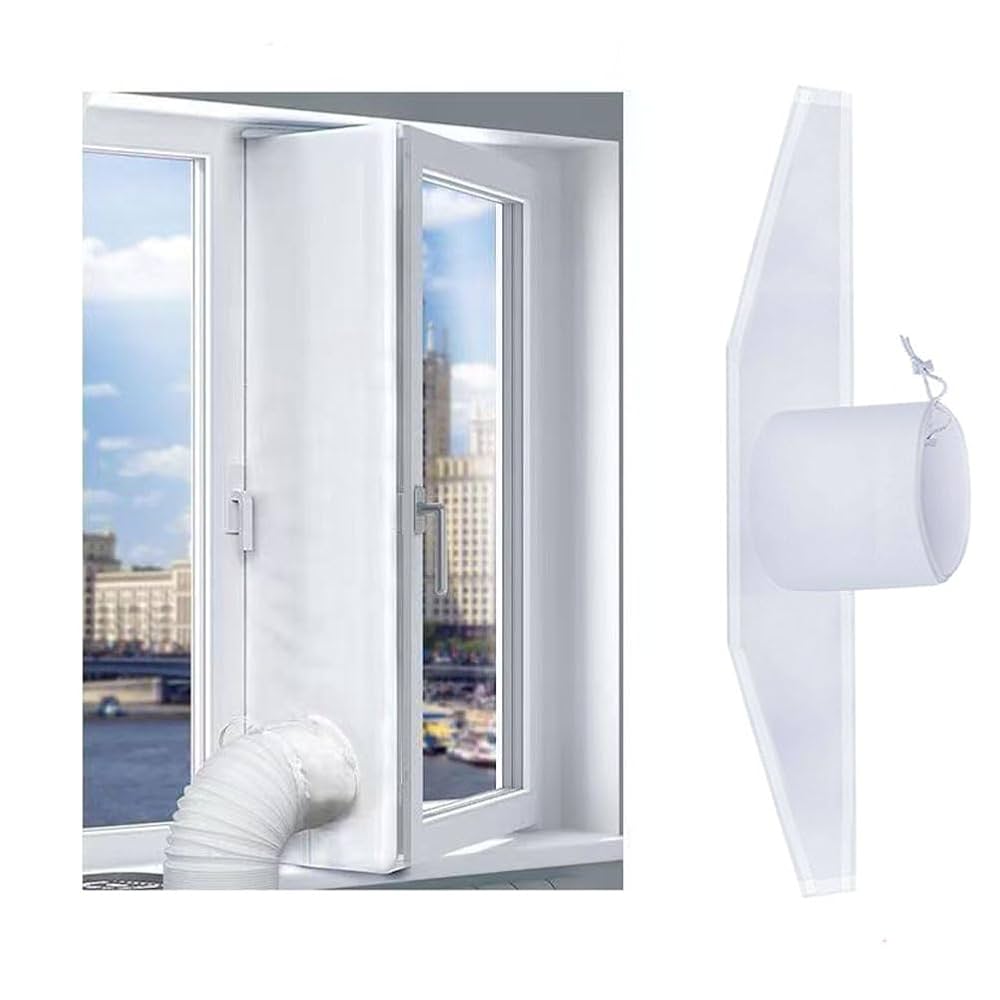
Are you tired of your air conditioner leaking cool air right out the window? Sealing your window air conditioner properly can make a big difference in keeping your room cool and your energy bills low.
If you’ve ever noticed drafts, water leaks, or strange noises around your AC unit, it’s time to fix the problem. You’ll learn simple, step-by-step ways to seal your window air conditioner like a pro. Keep reading to discover easy tips that save you money and make your home more comfortable all summer long.
Credit: www.temu.com
Choosing The Right Sealant
Sealing your window air conditioner helps keep cold air inside. It also stops hot air and dust from entering.
Choosing the right sealant is important. It must fit well and last through weather changes.
Types Of Sealants
There are several sealants you can use for window air conditioners. Each has its own benefits.
- Weatherstripping: Soft and easy to apply. Good for small gaps.
- Caulk: Stays firm when dry. Works well for cracks and edges.
- Foam Tape: Expands to fill larger gaps. Offers good insulation.
- Rubber Seals: Durable and water-resistant. Great for tight seals.
Factors To Consider
Pick a sealant that fits your window and air conditioner size. Check if it can handle sun and rain.
Also think about how easy it is to apply and remove. Some sealants dry fast, others take longer.
- Durability: Will it last through seasons?
- Flexibility: Can it handle window movement?
- Water Resistance: Will it stop leaks?
- Ease of Use: Can you apply it alone?
Where To Buy Sealants
You can buy sealants at hardware stores or home improvement shops. They have many options to choose from.
Online stores also offer a wide selection. Look for products that fit your needs and budget.
- Local hardware stores
- Large home improvement centers
- Online marketplaces
- Specialty sealant suppliers

Credit: www.temu.com
Preparing The Window And Ac Unit
Sealing your window air conditioner well keeps your room cool and saves energy. Before sealing, you must prepare the window and the AC unit carefully.
Proper preparation helps stop air leaks and prevents damage to the unit and window frame.
Cleaning The Surface
Clean the window sill, frame, and the AC unit edges where the seal will go. Dirt and dust can stop the seal from sticking well.
- Use a damp cloth to wipe away dust and dirt.
- Remove any sticky residue with a mild cleaner.
- Let all surfaces dry completely before sealing.
Measuring Gaps
Measure the spaces between the window and the AC unit. Accurate measurements help choose the right seal size and prevent air leaks.
| Gap Location | Measurement Needed |
| Top of AC unit | Width and height in inches |
| Sides of AC unit | Width in inches |
| Bottom of AC unit | Width in inches |
Removing Old Seals
Old seals may be worn or damaged. Remove them before applying a new seal to ensure a tight fit.
Follow these tips to remove old seals safely:
- Peel off old foam or weatherstripping gently.
- Use a plastic scraper to lift stubborn pieces.
- Clean the area after removing all old seal material.
Installing Weatherstripping
Sealing your window air conditioner stops cold air from escaping. Weatherstripping is an easy way to fill gaps around the unit. It helps keep your room cool and saves energy.
This guide explains how to install weatherstripping on your window AC. Follow these steps to create a tight seal and improve efficiency.
Types Of Weatherstripping
There are different types of weatherstripping you can use. Each type fits various window gaps and materials. Choose the one that works best for your air conditioner.
- Foam Tape:Soft and easy to apply. Good for small gaps.
- V-Seal:Shaped like a V, it folds to fit tight spaces.
- Rubber Strips:Durable and flexible. Works well on larger gaps.
- Felt:Cheap but less durable. Best for low-traffic areas.
Cutting And Fitting
Measure the gaps around your air conditioner before cutting. Cut the weatherstripping strips to fit each side precisely. Proper fitting stops air leaks better.
| Side of AC Unit | Measure Gap (inches) | Cut Length (inches) |
| Top | 0.5 | 12 |
| Bottom | 0.75 | 12 |
| Left | 0.5 | 14 |
| Right | 0.5 | 14 |
Securing The Strips
Attach the strips carefully to the window frame or AC edges. Use adhesive backing or extra glue for a strong hold. Check all corners to make sure no gaps remain.
- Clean the surface where you will apply the strips.
- Peel off the backing from the weatherstripping.
- Press the strip firmly along the gap edges.
- Use extra adhesive if the strip feels loose.
- Test the seal by closing the window and feeling for air leaks.
Using Foam Sealant And Caulk
Sealing your window air conditioner stops cool air from escaping. Foam sealant and caulk are good tools to close gaps. These materials keep your room cooler and save energy.
Use foam sealant for large gaps and caulk for small cracks. Both materials are easy to apply with some care and patience.
Applying Foam Sealant
Foam sealant expands to fill big holes around the air conditioner. It blocks air leaks well and adds insulation. Before using, clean the window frame and remove old sealants.
- Wear gloves and protective clothing
- Shake the foam can well
- Apply a thin line of foam along the gap
- Do not overfill; foam expands after application
- Let the foam expand and fill the space
- Trim excess foam with a knife after it dries
Using Caulk For Small Gaps
Caulk works best on narrow cracks and seams around the air conditioner. It seals tight and prevents drafts. Use a caulking gun for smooth application.
- Clean the area and remove loose debris
- Cut the caulk tube tip to the right size
- Apply steady pressure on the gun trigger
- Run a thin bead of caulk along the gap
- Smooth the caulk with a finger or tool
- Wipe away extra caulk quickly
Drying And Curing Times
| Material | Touch Dry Time | Full Cure Time |
|---|---|---|
| Foam Sealant | 15 to 30 minutes | 8 to 24 hours |
| Caulk | 20 to 40 minutes | 24 hours |
Do not disturb the seal before it cures. Keep the area dry and avoid touching the sealant. Proper curing ensures a strong, lasting seal.
Sealing The Sides And Top
Sealing the sides and top of a window air conditioner is important. It keeps cold air inside and hot air outside. This guide helps you seal these areas properly.
Good sealing also stops water and dust from entering your home. It makes your air conditioner work better and saves energy.
Filling Large Gaps
Large gaps around your air conditioner let air escape. Use foam sealant or weatherstripping to fill these spaces. Measure the gaps first to get the right amount of material.
- Clean the area around the gap.
- Apply expanding foam for big gaps.
- Use weatherstripping for smaller spaces.
- Let the foam dry completely before trimming.
- Check for any missed spots and fill again if needed.
Preventing Water Leakage
Water can leak through gaps and damage your window frame. Use a waterproof sealant along the top edge of the air conditioner. This stops rain from entering your home.
- Apply a bead of silicone sealant on the top edge.
- Check the sealant yearly and reapply if cracked.
- Make sure the air conditioner is slightly tilted outside.
- Use plastic or metal flashing if needed.
Ensuring Air Tightness
Air tightness stops warm air from entering and cold air from escaping. Use foam tape or weatherstripping around the sides and top to create a tight seal.
| Material | Best Use | Durability |
| Foam Tape | Small gaps and edges | 1-2 years |
| Weatherstripping | Medium gaps and window frame | 2-3 years |
| Expanding Foam | Large gaps | Long-lasting |
| Silicone Sealant | Waterproof sealing | 3-5 years |
Additional Insulation Techniques
Sealing your window air conditioner well keeps cold air inside. It stops warm air from coming in. Extra insulation helps save energy and keeps your room comfy.
Here are some easy ways to add more insulation around your air conditioner. These tips help block drafts and improve cooling.
Using Insulation Panels
Insulation panels fit around the air conditioner in the window. They fill gaps and stop air leaks. Foam or rigid panels work best for this job.
Cut the panels to size and place them snugly between the unit and window frame. This adds a strong barrier against hot air and dust.
- Measure the space around your air conditioner
- Choose foam or rigid insulation panels
- Cut panels to fit gaps tightly
- Secure panels with tape or fasteners
Temporary Window Covers
Temporary window covers block air leaks around your air conditioner. Plastic film covers are easy to use and remove. They create a seal that keeps warm air out.
Apply the plastic film over the window frame. Use a hairdryer to shrink the film and make it tight. This helps improve insulation during hot months.
- Clean the window frame before applying
- Attach plastic film with tape
- Shrink film with a hairdryer for tight fit
- Remove cover when not needed
Draft Stoppers
Draft stoppers block cold or hot air from slipping through cracks. They work well at the bottom of the air conditioner or window frame. You can buy or make draft stoppers easily.
Place the draft stopper along edges where air leaks appear. They reduce drafts and keep your room cooler without extra effort.
- Choose a draft stopper that fits your window size
- Put it at the bottom or sides of the air conditioner
- Check for new gaps and seal with more stoppers
- Replace worn draft stoppers regularly
Maintaining The Seal
Keeping the air conditioner sealed in the window stops air leaks. It helps the unit work well and saves energy. Regular care keeps the seal tight and strong.
Check the seal often and fix small problems before they grow. This guide shows ways to keep your air conditioner seal in good shape all year.
Regular Inspections
Look at the seal every month during the cooling season. Check for cracks, gaps, or soft spots. Clean dirt or dust from the edges to keep the seal tight.
- Inspect the foam or rubber seal for damage.
- Press gently along the seal to find air leaks.
- Clean the window frame and seal with a damp cloth.
- Make sure the air conditioner fits snugly in the window.
Replacing Worn Seals
Old seals lose their shape and stop working well. Replace damaged seals to keep the air conditioner efficient. Use weatherstripping or foam tape made for windows.
| Seal Type | Best Use | Durability |
| Foam Tape | Easy to install, fills gaps | 1-2 years |
| Rubber Weatherstripping | Lasts longer, flexible | 3-5 years |
| Vinyl Gasket | Strong seal for large gaps | 5+ years |
Seasonal Care Tips
Seal care changes with the seasons. Prepare your air conditioner and window seal for summer and winter to avoid damage and leaks.
- Before summer, clean the seal and check for damage.
- In winter, remove or cover the air conditioner to protect the seal from cold and moisture.
- Store removable seals in a dry place during off-season.
- Replace seals if they feel brittle or cracked after winter.

Credit: www.amazon.ca
Troubleshooting Common Issues
Sealing a window air conditioner is important to keep your room cool and save energy. Sometimes, problems can occur after sealing. These issues can cause air leaks, moisture build-up, or sealant damage.
Knowing how to fix these common problems helps keep your air conditioner working well. Here are some tips to handle the most frequent issues.
Air Leaks
Air leaks around the air conditioner let hot air inside. This makes the unit work harder and wastes energy. Air leaks happen if the seal is not tight or if gaps appear over time.
Check the edges and corners for gaps or cracks. Use weather stripping or foam sealant to close the leaks. Make sure the sealant fits well and covers all open spaces.
- Inspect the window frame and unit edges
- Use foam strips or caulk to seal gaps
- Replace damaged or old sealant
- Test for leaks by feeling air flow or using a candle flame
Condensation Problems
Condensation forms when warm air meets the cold surface of the air conditioner. This causes water drops to appear around the unit. Excess water can damage the window or wall.
Make sure the unit is tilted slightly outside. This lets water drain properly. Use a drip tray or towel to catch excess moisture. Check seals for gaps that let humid air in.
- Keep the air conditioner slightly tilted outside
- Clean the drainage holes regularly
- Use a drip pan to catch water
- Seal gaps to stop humid air from entering
Sealant Peeling
Sealant peeling happens when the material loses grip or gets old. This creates gaps that allow air and water to pass through. Peeling sealant lowers the efficiency of the air conditioner.
Remove old sealant carefully. Clean the surface before applying new sealant. Use weatherproof sealant designed for outdoor use. Check the seal regularly and replace if needed.
- Remove loose or peeling sealant gently
- Clean the area before resealing
- Apply weatherproof sealant evenly
- Inspect seals every season for damage
Frequently Asked Questions
How Do I Seal Gaps Around A Window Ac Unit?
Use weatherstripping foam or caulk to fill gaps around the AC. Ensure a tight fit to prevent air leaks and improve efficiency.
What Materials Are Best For Sealing Window Air Conditioners?
Weatherstripping, foam sealant, and insulating tape are ideal. These materials block drafts and keep cool air inside effectively.
Can Sealing A Window Ac Improve Energy Efficiency?
Yes, sealing stops warm air from entering and cool air from escaping. This reduces energy use and lowers utility bills.
How Often Should I Reseal My Window Ac Unit?
Check seals every season before use. Reseal if you notice air leaks or damaged insulation to maintain performance.
Conclusion
Sealing your window air conditioner can save energy. It keeps your home comfortable. Proper sealing prevents drafts and reduces energy bills. Use foam strips or insulation tape for best results. Check for gaps and seal them tightly. Regular maintenance ensures a longer lifespan for your unit.
A well-sealed air conditioner improves cooling efficiency. It also helps in keeping out dust and noise. Simple steps can lead to great comfort. Make your home energy-efficient with these easy tips. Enjoy a cooler, quieter space all summer long.