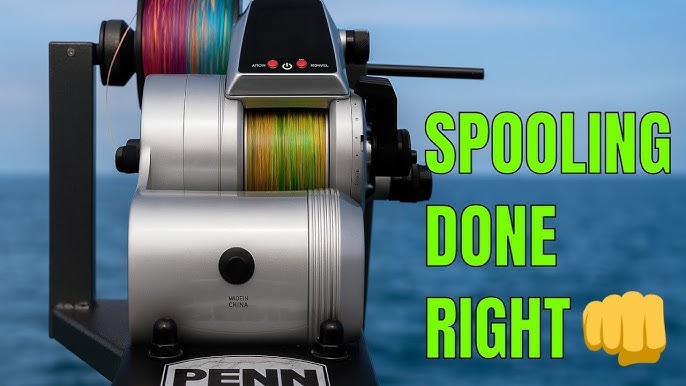
Are you tired of your fishing line snapping at the worst moments? Putting new fishing line on your reel might seem tricky, but it’s actually simpler than you think.
When you know the right steps, you’ll save time, avoid frustration, and fish with confidence every time you head out. In this guide, you’ll learn exactly how to replace your fishing line quickly and correctly, so you can focus on what really matters—catching more fish.
Keep reading, and let’s get your gear ready for your next big catch!
Choosing The Right Fishing Line
Choosing the right fishing line helps you catch fish better. It also protects your gear and makes fishing easier.
Different fishing lines suit different types of fishing. Knowing your options saves time and improves your results.
Types Of Fishing Line
There are three main types of fishing line: monofilament, fluorocarbon, and braided. Each type has special features for different fishing needs.
- Monofilament:Soft and stretchy, good for beginners and general use.
- Fluorocarbon:Nearly invisible in water, great for clear water fishing.
- Braided:Very strong and thin, best for heavy cover and deep water.
Line Strength And Thickness
Line strength is measured in pounds and tells how much weight the line can hold. Thickness affects casting and sensitivity.
Stronger lines are thicker but less flexible. Thinner lines cast better but may break easier.
| Line Strength (lbs) | Common Use | Line Thickness |
|---|---|---|
| 2-6 | Small fish like trout | Thin |
| 8-12 | Medium fish like bass | Medium |
| 15-30+ | Large fish like pike | Thick |
Matching Line To Fishing Style
Your fishing style affects the best line choice. Match the line to the type of water and fish you want to catch.
- Use light lines for small fish in clear water.
- Choose strong lines for heavy cover or big fish.
- Pick low-visibility lines for spooky fish in clear water.
- Select stretchy lines for bait fishing to absorb fish bites.

Credit: www.youtube.com
Preparing The Reel
Getting your fishing reel ready is important before adding new line. Proper preparation helps the line last longer and works smoothly.
This guide covers removing old line, cleaning the spool, and checking the reel parts.
Removing Old Line
Start by taking off the old fishing line from the reel spool. This clears space for the new line and avoids tangles.
- Cut the old line near the spool using scissors or clippers.
- Pull the remaining line off the spool by hand or by turning the reel handle slowly.
- Remove all leftover pieces to prevent jams.
Cleaning The Spool
Cleaning the spool removes dirt and salt that can damage the line or reel. Use a soft cloth and mild cleaner.
| Cleaning Item | Purpose |
| Soft cloth | Wipes dirt and dust |
| Mild soap solution | Removes grease and salt |
| Dry towel | Dries the spool after cleaning |
Inspecting The Reel Components
Check the reel parts for wear or damage. This helps avoid problems when you add new line.
- Look at the spool for cracks or dents.
- Check the bail arm for smooth movement.
- Inspect the drag system to ensure it works correctly.
- Examine the handle and gears for looseness or rust.
Setting Up The Spool
Putting new fishing line on your reel starts with setting up the spool. This step helps the line wind evenly and smoothly.
Follow these tips to prepare the spool correctly before you start winding the line.
Attaching The Line To The Spool
First, secure the new fishing line to the spool. This keeps the line from slipping while you wind it.
Use a simple knot like the arbor knot to tie the line around the spool.
- Pass the line around the spool
- Tie a tight knot to secure it
- Trim any extra line close to the knot
Maintaining Line Tension
Keep the line tight while winding to avoid loose coils. Loose coils can cause tangles or knots later.
You can hold the line between your fingers or use a cloth to keep steady tension.
- Hold the line firmly but don’t stretch it
- Keep tension steady throughout winding
- Check for slack often and adjust
Positioning The Spool Correctly
Place the spool so it spins the right way. This helps the line wind evenly on the reel.
Make sure the line comes off the spool in the same direction as the reel’s rotation.
- Set the spool horizontal or vertical as needed
- Match the spool rotation to the reel rotation
- Use a spool holder if available

Credit: www.youtube.com
Spooling The Line
Putting new fishing line on your reel is important for a smooth fishing experience. Spooling the line correctly prevents problems while fishing.
Focus on winding the line carefully, avoiding twists, and filling the spool properly for best results.
Winding Techniques
Use steady tension when winding the line onto the spool. Keep the line tight to avoid loose loops.
- Attach the line to the spool with a secure knot.
- Hold the line between your fingers to keep tension.
- Turn the reel handle slowly and evenly.
- Make sure the line lays flat and side by side on the spool.
- Stop spooling when the line reaches near the spool’s edge.
Avoiding Twists And Tangles
Line twists cause tangles and weak spots. To avoid twists, let the line come off the filler spool in the same direction it goes onto the reel.
Here are tips to reduce line twists:
- Use a line conditioner spray before spooling.
- Keep the filler spool free to spin while spooling.
- Do not let the line loop or slack during winding.
- Check for twists by letting some line off after spooling.
Filling The Spool Properly
Filling the spool too little or too full causes problems. The line should fill most of the spool but leave some space.
| Spool Fill Level | Effect |
| Too Low | Short casts, line tangles |
| Ideal (about 1/8 inch below rim) | Best casting distance and fewer tangles |
| Too High | Line slips off, tangles, spool damage |
Securing And Trimming The Line
Putting new fishing line on your reel needs care. Securing and trimming the line right helps your fishing work well.
This guide shows how to tie off, cut excess line, and test your setup for best results.
Tying The Line Off
After winding the new line onto the reel, you must tie it securely. This stops the line from slipping during use.
Use a strong knot like the Arbor knot to fasten the line to the spool.
- Pass the line around the spool.
- Make a simple overhand knot around the standing line.
- Tighten the knot firmly against the spool.
- Trim the tag end close to the knot.
Cutting Excess Line
After tying, cut off the extra line near the knot. This keeps the reel neat and stops tangles.
Use sharp scissors or a line cutter for a clean cut.
- Leave about 1/8 inch of tag end to avoid knot slipping.
- Trim slowly to avoid cutting the main line.
- Check for any loose strands and trim them.
Testing The Setup
Once the line is secured and trimmed, test the setup. This ensures the line holds under pressure.
Pull the line firmly and check for any slippage or weak knots.
- Wind the handle slowly to feel the tension.
- Pull the line sharply to test knot strength.
- Look for smooth line release and no snags.
Tips For Long-lasting Line Performance
Putting new fishing line on your reel is important for good fishing trips. Using the right care will help your line last longer. This saves money and improves your fishing experience.
Here are some easy tips to keep your fishing line in top shape. Follow these simple steps to get the best use from your line.
Storage Recommendations
Store your fishing line in a cool, dry place. Keep it away from sunlight and heat to avoid damage. Avoid storing line near chemicals or sharp objects.
- Keep line in sealed bags or containers
- Do not leave line exposed to direct sun
- Store reels with line in a dry area
- Avoid extreme temperatures during storage
Regular Maintenance
Check your fishing line often for dirt and damage. Clean it gently with a soft cloth if it looks dirty. This helps prevent line weakness and breaks.
Wind the line properly on the reel to avoid tangles and knots. Use a line conditioner spray sometimes to keep it smooth and strong.
- Inspect line before and after each fishing trip
- Remove dirt and salt with a soft cloth
- Rewind line evenly on the reel spool
- Use line conditioner for added protection
Signs To Replace The Line
Replace your fishing line if you see cracks, frays, or discoloration. Also, change it if the line feels weak or snaps easily. Old line loses strength and can fail during fishing.
- Visible cuts or frays on the line surface
- Line feels rough or brittle to touch
- Discolored or faded line
- Line breaks under normal tension
- Line has been used for many months

Credit: www.youtube.com
Frequently Asked Questions
How Do I Remove Old Fishing Line Safely?
Cut the old line near the spool. Unwind it slowly by hand or with a line spooler. Dispose of it properly to avoid tangles or injury.
What Tools Are Needed To Put New Fishing Line?
You need new fishing line, scissors, and optionally a line spooler. A spooler helps to wind the line evenly and prevents twists.
How Do I Attach New Line To The Reel?
Tie the line to the reel spool using an arbor knot. Pull tight to secure. Wind the line evenly onto the spool.
How Much Fishing Line Should I Put On The Reel?
Fill the spool to about 1/8 inch below the reel’s lip. Overfilling causes tangles, underfilling reduces casting distance.
Conclusion
Putting new fishing line on your reel can be simple. Just follow the steps. Remember to choose the right line for your fishing needs. Keep the line tight while spooling to avoid tangles later. Practice makes perfect, so don’t worry if it takes a few tries.
With time, this task will become second nature. Enjoy your fishing trips with a well-prepared reel. Happy fishing and tight lines!