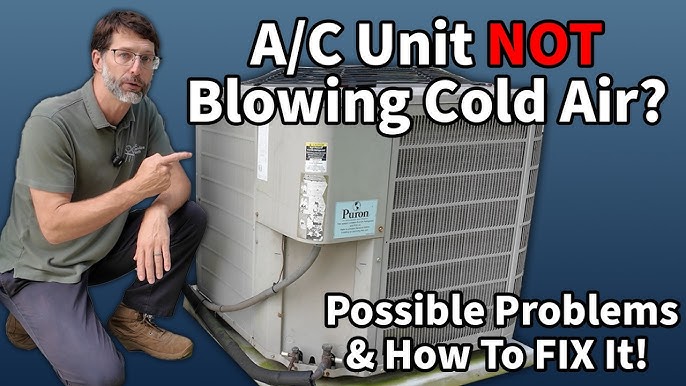
Is your air conditioner suddenly refusing to cool your home? You’re not alone, and it can be frustrating when the heat just won’t go away.
But before you panic or call for expensive repairs, there are simple steps you can take right now to diagnose and possibly fix the problem yourself. You’ll discover easy-to-follow tips that could save your day—and your wallet. Keep reading to find out exactly what to do if your air conditioner is not working.

Credit: www.ars.com
Check The Power Supply
When your air conditioner stops working, the first thing to check is the power supply. Without power, the unit cannot run or cool your space.
Look carefully at the electrical sources that feed your air conditioner. Sometimes, the problem is simple and easy to fix.
Inspect The Circuit Breaker
Check the circuit breaker panel in your home. A tripped breaker can cut power to your air conditioner.
- Find the breaker labeled for the air conditioner.
- See if the switch is in the “off” or middle position.
- If tripped, flip it fully to “off” then back to “on”.
- Wait a moment and test the air conditioner again.
Examine The Power Cord And Outlet
Look at the power cord for any signs of damage or wear. A broken cord can stop power flow.
| Check | What to Look For |
|---|---|
| Power Cord | Frays, cuts, or exposed wires |
| Outlet | Burn marks, loose fit, or no power |
| Plug | Securely plugged in and not loose |
If you find any damage, do not use the cord or outlet. Call a professional to fix or replace them safely.
Clean Or Replace Air Filters
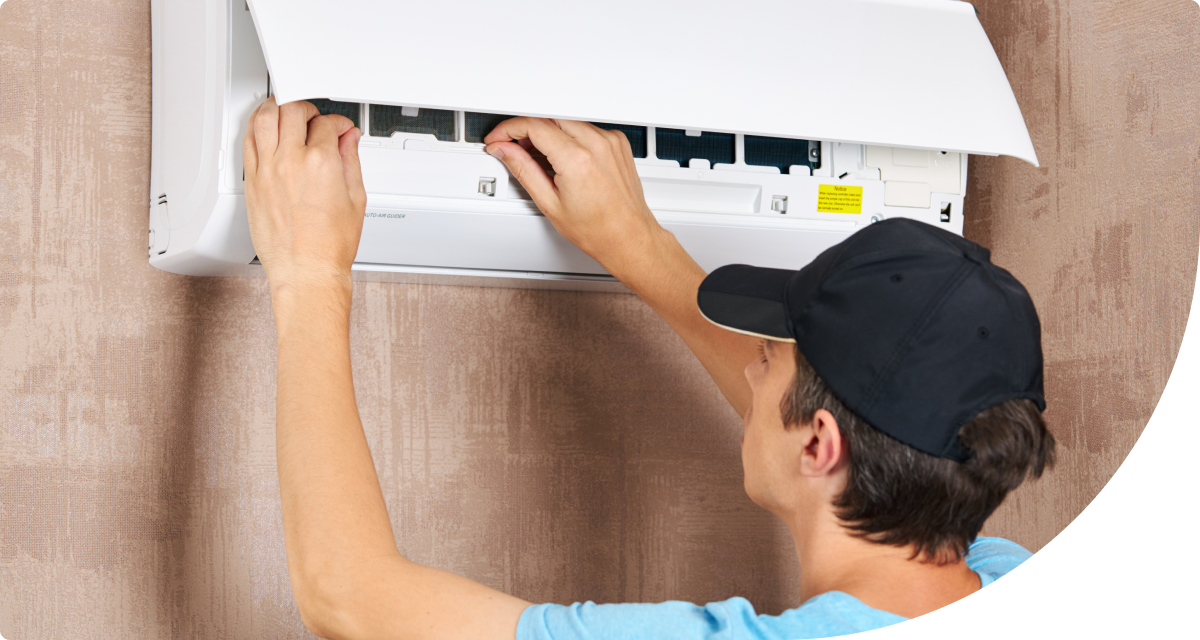
Air filters keep dust and dirt from entering your air conditioner. Clean or replace them often to keep your system running well.
Dirty filters block airflow and make your air conditioner work harder. This can cause it to stop working properly.
Signs Of Dirty Filters
Check your air filters if your air conditioner is not cooling well. Dirty filters often cause problems.
- Airflow feels weak or uneven
- Air smells dusty or musty
- Dust builds up on vents or furniture
- Air conditioner runs longer than usual
- Higher energy bills without more use
Look at the filter itself. If it looks gray or clogged, it needs cleaning or replacing.
Steps To Replace Filters
Turn off your air conditioner before you start. This keeps you safe and prevents damage.
Find the filter slot. It is usually near the air handler or return vent.
- Open the slot cover carefully
- Remove the old filter gently
- Check the size printed on the filter
- Buy a new filter that matches the size
- Insert the new filter with arrows pointing the right way
- Close the slot cover securely
- Turn the air conditioner back on
Replace filters every 1 to 3 months for best results. Clean filters help your air conditioner cool better and last longer.
Inspect The Thermostat Settings
If your air conditioner is not working, check the thermostat first. The thermostat controls the temperature and operation of your AC.
Sometimes wrong settings cause the unit to stop cooling. Inspecting the thermostat can fix simple issues quickly.
Verify Temperature Settings
Make sure the thermostat is set to a temperature lower than the room’s current temperature. If it is set too high, the AC will not turn on.
- Check if the thermostat mode is set to “Cool”
- Set the temperature at least 5 degrees below room temperature
- Confirm the fan setting is on “Auto” or “On” as needed
- Replace batteries if the thermostat has a battery compartment
Reset The Thermostat
Resetting the thermostat can clear errors or glitches. This may restore normal operation.
| Reset Method | Instructions |
| Power Cycle | Turn off the thermostat, wait 30 seconds, then turn it back on. |
| Factory Reset | Press and hold the reset button or follow the manual’s reset steps. |
| Disconnect Power | Switch off the AC power at the breaker for 1 minute, then restore power. |

Credit: medium.com
Examine The Outdoor Unit
Your air conditioner’s outdoor unit is key to its cooling power. Checking it can help find problems.
Look closely at the unit. Dirt or damage can stop it from working well.
Clear Debris Around The Unit
Leaves, grass, and dirt can block the outdoor unit. This stops air from flowing and cool air from forming.
- Remove leaves and branches near the unit
- Cut back plants at least two feet from the unit
- Keep the area clean and dry
- Check after storms for new debris
Check The Condenser Coils
The condenser coils help cool your home. Dirt on the coils lowers their power and can cause damage.
| Signs of Dirty Coils | What to Do |
| Coils look dark or dusty | Turn off power and gently clean with a soft brush |
| Reduced cooling performance | Check coils and clean if needed |
| Unit runs longer than usual | Inspect coils for dirt and clean |
Look For Ice Build-up
If your air conditioner is not cooling well, check for ice on the unit. Ice build-up can stop the system from working properly.
Ice usually forms on the coils or pipes. This can block airflow and damage the AC if not fixed quickly.
Causes Of Freezing
Ice forms when cold air mixes with moisture in the AC. This can happen for many reasons.
Common causes include low refrigerant, dirty filters, or poor airflow. Each problem makes the coils colder than normal.
- Low refrigerant levels reduce cooling pressure.
- Dirty air filters block airflow.
- Blocked vents or fans limit air movement.
- Thermostat issues cause the unit to run too long.
How To Thaw The Unit
To fix ice build-up, turn off the AC and let the ice melt. This can take several hours.
You can speed up thawing by using a fan or warm cloth. Never use sharp tools to remove ice.
- Switch off the air conditioner.
- Keep the fan running if possible.
- Use a warm cloth to gently melt ice.
- Check and clean air filters once ice is gone.
- Call a technician if freezing keeps happening.
Check The Drain Line
Your air conditioner has a drain line that removes water. This line can get blocked and stop water from draining.
If your AC is not cooling well or leaking water, the drain line might be the cause. Checking it can help fix the problem.
Identify Clogs
Look for signs of clogs in the drain line. A clog will stop water from flowing out properly.
You may see water pooling near the indoor unit or hear gurgling sounds. These are signs the drain line is blocked.
- Check for water leaks near the AC unit
- Listen for unusual noises from the drain line
- Inspect the drain line opening for dirt or debris
Flush The Drain Line
Flushing the drain line can clear minor clogs. Use water or a cleaning solution to push out dirt and mold.
Turn off your AC before flushing. Pour the cleaning liquid slowly into the drain line access point.
- Turn off the air conditioner
- Find the drain line access cap
- Pour a cup of white vinegar or bleach mixed with water
- Wait 30 minutes and then flush with water
- Check if water drains freely
Reset The Air Conditioner
If your air conditioner is not working, resetting it can often fix the problem. A reset clears errors and restarts the system.
Resetting is simple and can be done in a few easy steps. It may save you a service call.
Power Cycle The Unit
Power cycling means turning off the air conditioner completely and then turning it back on. This helps reset the system’s electronics.
First, switch off the AC unit using the main power switch or circuit breaker. Wait for about five minutes before turning it back on.
- Turn off the AC at the power source
- Wait 5 minutes to let it fully shut down
- Turn the power back on and check the unit
Use The Reset Button
Some air conditioners have a reset button. Pressing it can clear faults and restart the system.
Look for a small red or black button on the outdoor unit or near the power switch. Press and hold it for a few seconds.
- Find the reset button on the unit
- Press and hold the button for 3 to 5 seconds
- Release the button and wait for the unit to restart
When To Call A Professional
Your air conditioner may stop working for many reasons. Some problems are easy to fix yourself. Others need a professional’s help.
Knowing when to call a technician can save you time and money. It also keeps your home safe and cool.
Signs Of Major Issues
Some problems show that your air conditioner has a major issue. These signs mean you should call a professional quickly.
- The unit does not turn on at all
- Strange noises like grinding or banging
- Strong or bad smells coming from the AC
- Water leaking inside or outside the unit
- The air is not cooling even when running
- Unit turns on and off very often
Trying to fix these issues yourself can cause more damage. A trained technician knows how to find and fix the root cause.
Finding A Reliable Technician
Choose a technician with good reviews and experience. This helps ensure your AC gets proper care and repair.
Look for these qualities in a technician:
- Licensed and certified in HVAC work
- Positive customer feedback and ratings
- Clear pricing and no hidden fees
- Offers a warranty on repairs
- Responsive and professional communication
Ask friends or neighbors for recommendations. Check online reviews on trusted sites before making a decision.
Credit: www.ahs.com
Frequently Asked Questions
Why Is My Air Conditioner Not Cooling Properly?
Your air conditioner may not cool properly due to dirty filters, low refrigerant, or blocked vents. Check and clean filters first. Also, ensure vents are open and unobstructed. If the problem persists, consider professional maintenance to inspect refrigerant levels and system components.
How Can I Reset My Air Conditioner?
To reset your air conditioner, turn off the unit and unplug it. Wait for about 5 minutes. Plug it back in and turn it on. This simple reset can often fix minor electrical glitches and restore normal function.
What Should I Check If My Ac Won’t Turn On?
If your AC won’t turn on, check the thermostat settings, power supply, and circuit breaker. Ensure the thermostat is set to “cool” and the temperature is lower than the room. Reset breakers if tripped. Call a technician if the unit still doesn’t start.
When Should I Call A Professional For Ac Repair?
Call a professional if your AC has strange noises, leaks, or persistent cooling issues. Also, seek help if the unit frequently shuts off or the thermostat is unresponsive. Regular professional checkups can prevent major breakdowns and extend your AC’s lifespan.
Conclusion
Fixing an air conditioner can be simple. Start with basic checks. Ensure the power is on. Clean or replace dirty filters. Clear any debris from outside units. Listen for unusual noises. These might indicate internal issues. If problems persist, call a professional.
Regular maintenance prevents future breakdowns. It keeps your home cool and comfortable. Always address small issues early. This saves time and money. Stay cool and enjoy your summer!