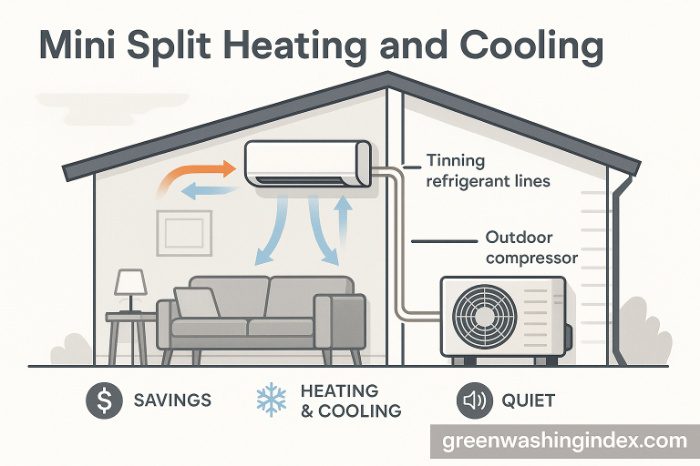
A typical residential split system air conditioner consists of several key parts working together to keep your home cool and comfortable. If you’ve ever wondered how this popular cooling system actually works, you’re in the right place.
Understanding these components can help you maintain your AC better and even spot problems early. Keep reading to discover what makes your air conditioner tick and why each part matters for your comfort.
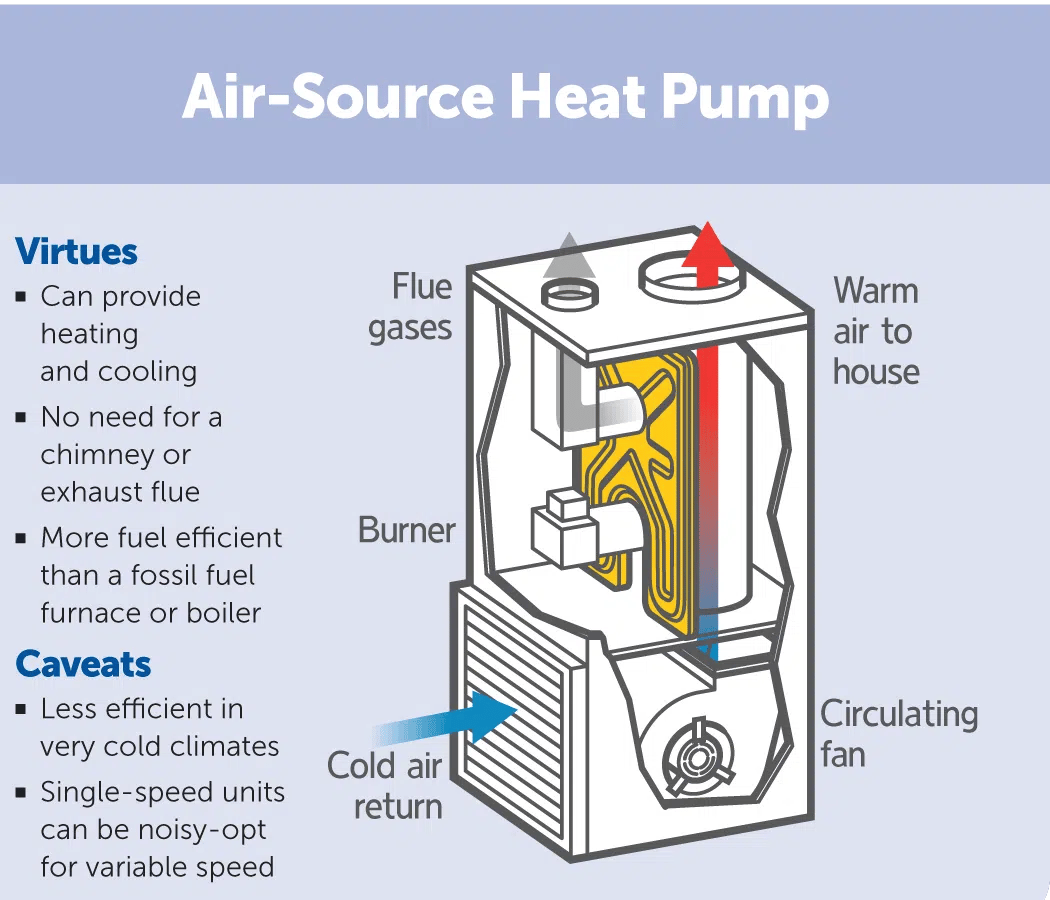
Credit: www.greenbuildermedia.com
Components Of A Split System Ac
A typical residential split system air conditioner has several key parts. These parts work together to cool your home efficiently.
Understanding these components helps with maintenance and troubleshooting.
Indoor Unit Features
The indoor unit is installed inside your home. It is responsible for blowing cool air into the rooms.
- Evaporator coil that cools the air
- Blower fan to circulate air
- Air filter to remove dust and particles
- Thermostat sensor for temperature control
- Drain pan and pipe for removing condensation
Outdoor Unit Features
The outdoor unit is placed outside the house. It expels heat absorbed from inside your home.
| Component | Function |
| Compressor | Compresses refrigerant to high pressure |
| Condenser coil | Releases heat from refrigerant to air |
| Cooling fan | Helps cool the condenser coil |
| Protective grille | Guards the fan and coil |
Refrigerant Lines And Connections
Refrigerant lines connect the indoor and outdoor units. They carry refrigerant to transfer heat.
Key parts of refrigerant lines:
- Liquid line: moves liquid refrigerant to the indoor unit
- Suction line: returns refrigerant gas to the outdoor unit
- Insulation: covers lines to prevent energy loss
- Connections: sealed joints to avoid leaks
How Split System Ac Works
A split system air conditioner cools your home using two main units. One unit is inside, and the other is outside. These parts work together to move heat from inside your home to outside.
This system uses a special liquid called refrigerant. The refrigerant moves through pipes between the two units. It absorbs heat inside and releases it outside.
Cooling Cycle Basics
The cooling cycle starts when warm air from your home passes over the indoor unit’s evaporator coil. The refrigerant inside the coil absorbs the heat from the air. This process cools the air, which then flows back into your rooms.
After absorbing heat, the refrigerant changes from liquid to gas. It then moves to the outdoor unit to release the heat outside. This cycle repeats to keep your home cool.
Role Of Compressor And Condenser
The compressor is in the outdoor unit. It pumps the refrigerant gas and increases its pressure. This step raises the temperature of the refrigerant, preparing it to release heat.
The condenser coil is also in the outdoor unit. It cools the hot refrigerant gas by releasing its heat to the outside air. When the refrigerant cools down, it changes back into a liquid.
- Compressor pumps and pressurizes refrigerant gas
- Condenser releases heat to the outside air
- Refrigerant changes from gas back to liquid
Heat Exchange Process
The heat exchange happens in two places: the evaporator coil inside and the condenser coil outside. Inside, the refrigerant absorbs heat from your home’s air. Outside, the heat moves from the refrigerant to the air.
This process moves heat outside and cools the air inside. Fans help by blowing air over the coils. This keeps the system working efficiently to cool your home.
- Indoor evaporator absorbs heat from inside air
- Outdoor condenser releases heat to outside air
- Fans improve air flow for better heat transfer
Energy Efficiency Factors
A typical residential split system air conditioner uses several features to save energy. These features help reduce electricity use and lower bills.
Understanding these factors can help you choose or maintain your air conditioner for better efficiency.
Inverter Technology
Inverter technology controls the speed of the compressor motor. It adjusts power to keep the room temperature steady.
This technology uses less energy than traditional air conditioners that turn on and off repeatedly.
- Reduces energy waste by running at variable speeds
- Maintains consistent temperature without frequent stops
- Extends the life of the compressor by avoiding sudden starts
Thermostat Control
The thermostat controls the temperature setting and signals the air conditioner to cool or stop.
Accurate thermostat control ensures the system only runs when needed, saving energy.
- Prevents overcooling of rooms
- Allows setting energy-saving temperatures
- Some models have programmable timers for better control
Insulation And Sealing
Good insulation and sealing keep cool air inside and warm air outside. This reduces the workload of the air conditioner.
Proper sealing prevents air leaks around doors and windows, improving energy efficiency.
- Insulate walls and ceilings to reduce heat gain
- Seal gaps in doors and windows to stop air leaks
- Use weather stripping to improve door sealing
Benefits Of Split System Ac
A split system air conditioner cools your home efficiently. It has two parts: an indoor unit and an outdoor unit.
This type of AC offers many advantages over other cooling options. It is quiet, saves space, and costs less to run.
Quiet Operation
Split system ACs run very quietly. The noisy compressor is outside, so indoor noise is low. This helps you relax and sleep better.
Space-saving Design
The indoor unit of a split system AC is compact and mounts on a wall. It takes little space and does not block windows or walkways.
- Mounts high on the wall
- Does not need floor space
- Leaves room for furniture and decor
- Easy to install in many room types
Cost-effectiveness
| Feature | Benefit |
| Energy Efficiency | Lower electricity bills |
| Easy Maintenance | Reduced repair costs |
| Durable Components | Longer lifespan |
| Targeted Cooling | Cool only used rooms |
Installation And Maintenance Tips
A typical residential split system air conditioner needs good care. Proper installation and regular maintenance keep it working well.
These tips help you get the most from your air conditioner. Follow simple steps to avoid problems and save money.
Proper Placement
Place the outdoor unit in a shaded, open space. Avoid direct sunlight and strong winds to improve efficiency.
Indoor units should be installed high on the wall. This allows cool air to spread evenly in the room.
- Keep the outdoor unit clear of debris and plants
- Allow at least 2 feet of space around the outdoor unit
- Avoid placing the indoor unit near heat sources
Regular Cleaning
Clean the filters of the indoor unit every month. Dirty filters reduce airflow and lower cooling power.
Wipe the outdoor unit to remove dust and leaves. Keep the coils clean to help the system cool better.
- Remove and wash filters with mild soap and water
- Check for blockages around the outdoor unit
- Dry all parts before reassembling
Professional Servicing
Have a technician service your air conditioner once a year. They check refrigerant levels and clean inside parts.
Professional care prevents major breakdowns and extends the unit’s life. Call experts if you hear strange noises or see leaks.
- Schedule annual check-ups with a licensed technician
- Ask for a full system inspection and cleaning
- Report any unusual smells or sounds immediately
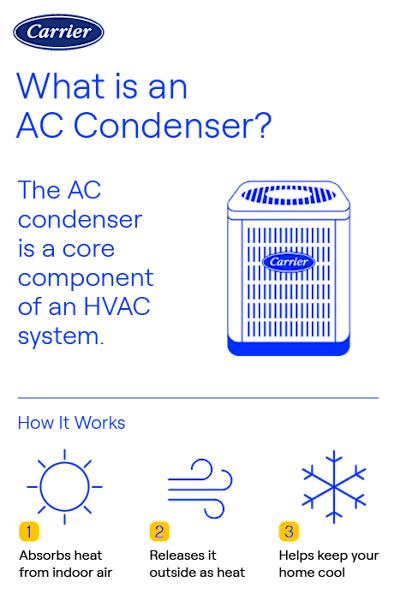
Credit: www.carrier.com
Common Issues And Troubleshooting
A typical residential split system air conditioner can face several common problems. These issues affect how well the unit cools your home.
Knowing how to spot and fix these problems helps keep your air conditioner running smoothly. This guide covers the main issues and ways to troubleshoot them.
Cooling Performance Problems
When the air conditioner does not cool properly, it can make your home uncomfortable. This problem can come from dirty filters, low refrigerant, or blocked vents.
Check the air filter first. If it is dirty, replace or clean it. Make sure the vents are open and clear of dust or objects.
- Dirty air filters reduce airflow and cooling
- Low refrigerant causes weak cooling power
- Blocked vents limit cold air circulation
- Thermostat issues may prevent correct cooling
Unusual Noises
Strange sounds from the air conditioner can mean a problem. Common noises include rattling, buzzing, or grinding sounds.
Rattling may come from loose parts or debris. Buzzing can signal electrical issues. Grinding often means worn-out motor parts.
- Rattling: Check for loose screws or debris
- Buzzing: Inspect electrical connections
- Grinding: Motor or fan may need repair
- Clicking: Faulty thermostat or relay
Leak Detection
Leaks in the air conditioner can cause water damage and reduce cooling. Leaks often happen in the refrigerant lines or drain pipes.
Look for wet spots near the indoor unit or outside compressor. Check the drain pan for cracks or clogs that block water flow.
- Wet spots near indoor or outdoor units
- Cracked or clogged drain pan or pipe
- Hissing sound may signal refrigerant leak
- Low refrigerant reduces cooling efficiency

Credit: www.carrier.com
Frequently Asked Questions
What Components Make Up A Residential Split System Air Conditioner?
A typical residential split system air conditioner includes an indoor unit, outdoor unit, refrigerant lines, and a thermostat. The indoor unit contains the evaporator coil and fan. The outdoor unit houses the compressor and condenser coil. These parts work together to cool indoor air efficiently.
How Does A Split System Air Conditioner Work?
The indoor unit absorbs heat from the room air using the evaporator coil. The refrigerant carries this heat to the outdoor unit. The outdoor unit releases the heat outside through the condenser coil. This cycle keeps the indoor air cool and comfortable.
What Is The Role Of The Compressor In A Split System?
The compressor in the outdoor unit compresses the refrigerant gas, raising its temperature and pressure. This process enables the refrigerant to release heat when it reaches the condenser coil. The compressor is essential for the cooling cycle and system efficiency.
Why Is The Thermostat Important In A Split Air Conditioner?
The thermostat controls the temperature setting and operation of the air conditioner. It signals the system to turn on or off based on room temperature. This helps maintain desired comfort levels and saves energy by preventing overcooling.
Conclusion
Understanding a typical residential split system air conditioner is crucial. It consists of indoor and outdoor units. Each plays a vital role in cooling. The indoor unit manages air distribution. The outdoor unit houses the compressor. Together, they ensure efficient cooling.
Regular maintenance keeps them functioning well. Check filters and clean coils often. This extends your unit’s life. Efficient cooling saves energy and money. Keep your home comfortable with proper care. Enjoy a well-cooled space all summer. It’s worth the effort.