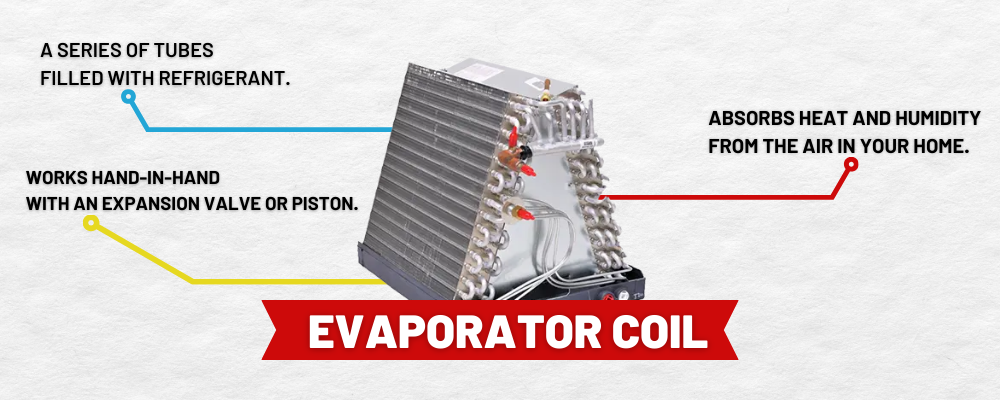
Have you ever wondered what an air conditioner coil looks like and why it’s so important for keeping your home cool? If you’re like most people, you probably don’t give it much thought—until your AC stops working properly.
Understanding what this small but powerful part looks like can help you spot problems early and keep your system running smoothly. You’ll discover exactly what an air conditioner coil looks like, how it works, and why it matters to your comfort and energy bills.
Keep reading to learn the secrets behind this hidden hero in your AC unit.

Credit: www.shutterstock.com
Air Conditioner Coil Basics
An air conditioner coil is a key part of the cooling system. It helps remove heat from inside your home. The coil looks like a thin tube wrapped in metal fins.
Coils come in different types and materials. These affect how well the air conditioner works. Knowing the basics helps you understand how your AC cools the air.
Types Of Ac Coils
There are two main types of air conditioner coils. Each one has a specific job in the cooling process. Understanding these types helps you spot them in your unit.
- Evaporator Coil:This coil absorbs heat from inside your home. It cools the air by evaporating the refrigerant inside the coil.
- Condenser Coil:This coil releases heat outside. It cools the refrigerant by condensing it back into liquid form.
Coil Materials
Coils are made from different metals. The material affects how well the coil conducts heat and lasts over time.
| Material | Advantages | Disadvantages |
| Copper | Good heat conductor, easy to repair | More expensive, can corrode |
| Aluminum | Lightweight, less expensive | Less durable, harder to repair |
| Coated Aluminum | Resistant to corrosion, longer life | Higher cost than plain aluminum |
Appearance Of Evaporator Coils
Evaporator coils are key parts of an air conditioner. They help cool the air inside your home. Knowing what they look like helps with maintenance and repair.
These coils are usually metal and shaped to allow air to pass over them easily. They look simple but work hard to keep your space cool.
Shape And Structure
Evaporator coils have a thin, tube-like shape. They are made of copper or aluminum. These tubes are bent into long loops or coils.
The coils are wrapped with thin metal fins. These fins increase surface area to absorb heat better. The whole structure looks like a flat or round grid.
- Thin tubes shaped in loops or coils
- Made of copper or aluminum
- Covered with thin metal fins
- Flat or round grid-like appearance
Common Locations
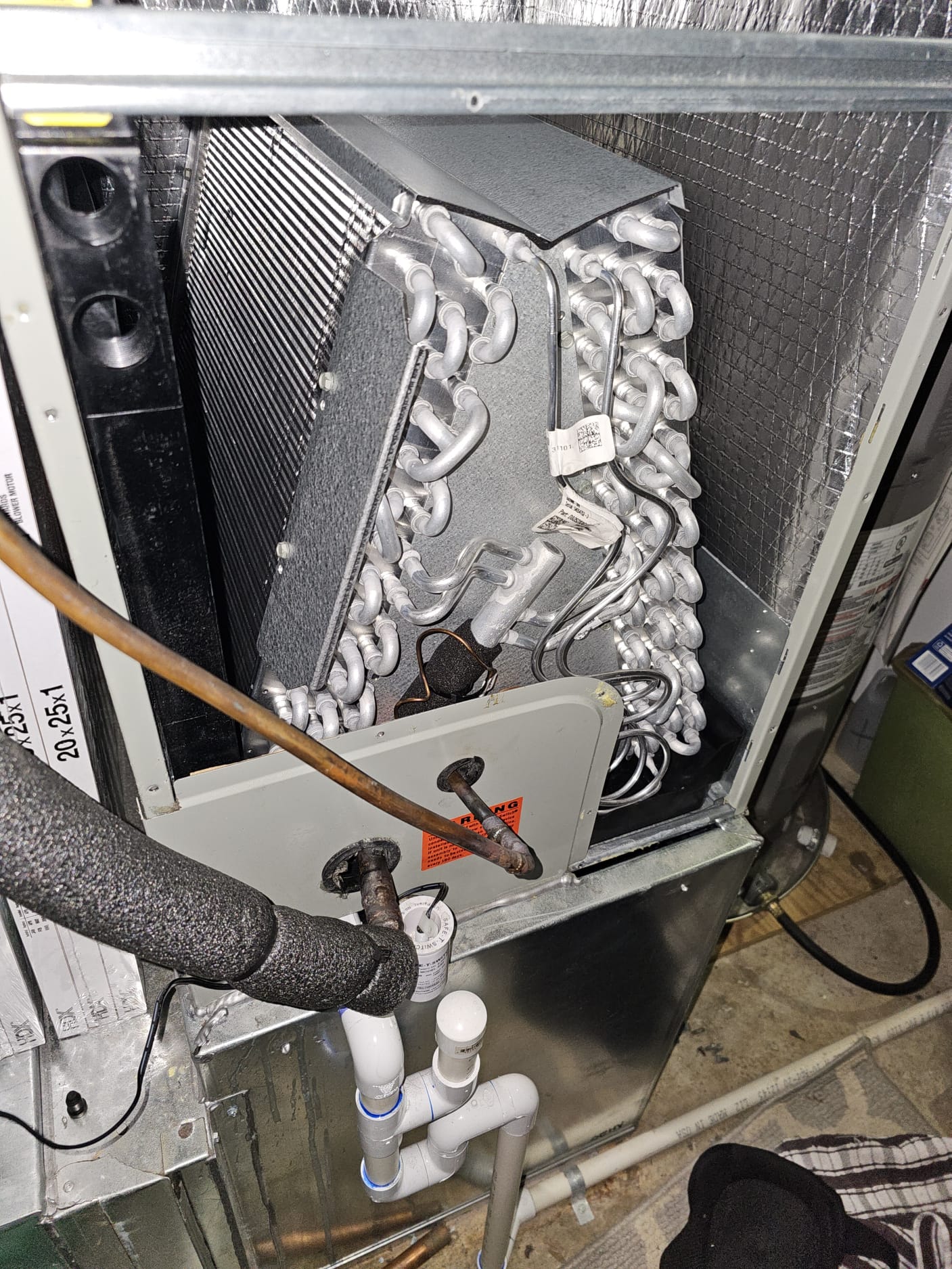
Evaporator coils are inside your air conditioner unit. They often sit near the air handler or inside the furnace.
You can find them behind the air filter or inside the indoor unit’s cabinet. Proper location helps them cool air before it moves through vents.
- Inside the air handler unit
- Near or inside the furnace
- Behind the air filter
- Inside the indoor unit cabinet
Appearance Of Condenser Coils
Condenser coils are an important part of an air conditioner. They help cool the hot gas coming from the compressor. These coils have a unique look that helps them work well.
The appearance of condenser coils can tell you a lot about their design and how they fit into the unit. Understanding this can help with maintenance and repairs.
Design And Layout
Condenser coils usually look like thin metal tubes bent into a set shape. These tubes are wrapped with thin metal fins. The fins help move heat away from the coils quickly.
The coils are often arranged in rows or grids. This layout increases the surface area. More surface area means better heat exchange and faster cooling.
- Thin copper or aluminum tubes form the coil
- Metal fins surround the tubes to increase surface area
- Coils arranged in rows or grids for efficient cooling
Placement In Units
Condenser coils are placed outside the building in the outdoor unit. This location helps them release heat into the air. The coils sit behind a protective metal grille.
The outdoor unit has a fan that blows air over the coils. This air flow helps cool the hot refrigerant inside the coils. The placement and airflow work together to keep the system efficient.
- Located in the outdoor unit of the air conditioner
- Protected by a metal grille to prevent damage
- Fan blows air over the coils for cooling
Credit: icebergcooling.com
Coil Components And Features
An air conditioner coil is a key part of the cooling system. It helps move heat from inside your home to the outside. The coil has different parts that work together for this process.
Understanding the coil’s components can help you know how your air conditioner works. The main parts include fins, tubes, and protective coatings.
Fins And Tubes
The coil uses fins and tubes to move heat efficiently. Tubes carry the refrigerant, which absorbs heat inside the home. Fins are thin metal pieces that surround the tubes. They help spread heat from the tubes to the air.
- Tubes:Usually made of copper or aluminum for good heat transfer.
- Fins:Made of thin aluminum sheets to increase surface area.
- Function:Fins speed up cooling by helping air flow over the tubes.
- Design:The fins are closely spaced to maximize heat exchange.
Protective Coatings
Protective coatings cover the coil to stop damage from dirt, moisture, and corrosion. These coatings extend the coil’s life and keep it working well. They also make cleaning easier.
| Coating Type | Purpose |
| Epoxy | Prevents rust and corrosion |
| Polymer | Protects from dirt and dust buildup |
| Hydrophilic | Helps water drain for better efficiency |
Visual Signs Of Coil Issues
Air conditioner coils are essential for cooling your home. They look like thin metal tubes wrapped in fins. These parts can show clear signs if they have problems.
Spotting coil issues early helps keep your AC working well. Below are common visual signs to watch for.
Dirt And Debris Buildup
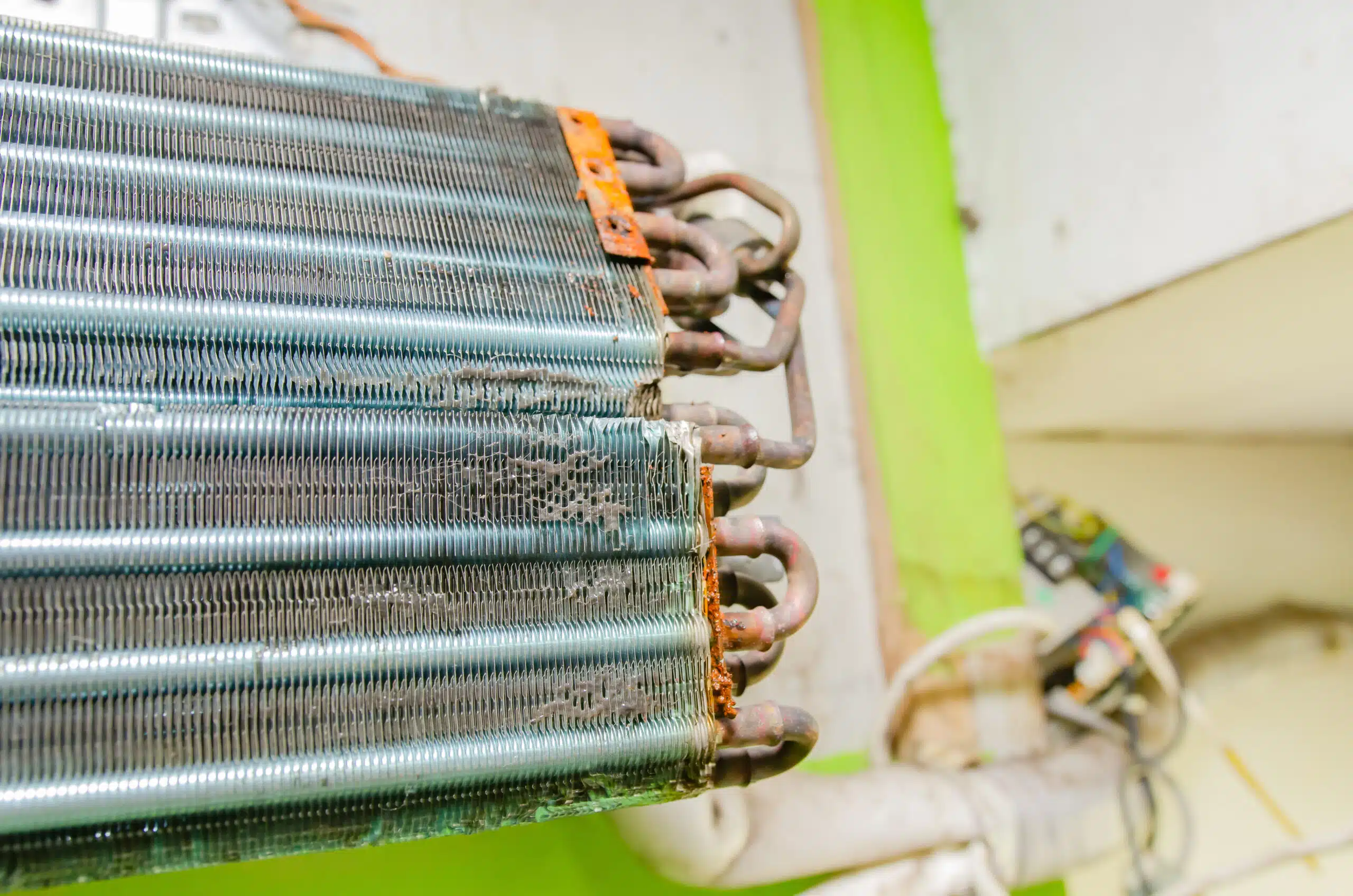
Coils often collect dirt, dust, and leaves from the air. This buildup blocks airflow and reduces cooling. You can usually see dark layers on the coil surface.
- Dust and dirt cover the metal fins
- Leaves or grass stuck between coils
- Sticky substances or mold growth
- Visible clogging in tight coil spaces
Corrosion And Damage
Coils made of metal can rust or corrode over time. This damage hurts the coil’s ability to cool your air. Corrosion looks like discoloration or rough patches on the coil.
| Corrosion Sign | What It Looks Like |
| Rust | Reddish-brown spots on metal fins |
| Metal Flaking | Small pieces breaking off the coil |
| Discoloration | Green or white powdery stains |
| Dents or Bends | Visible damage from impact or wear |
Credit: www.logan-inc.com
Cleaning And Maintenance Tips
Air conditioner coils are key parts that help cool your home. They look like thin metal tubes with small fins around them. Dirt and dust can build up on these coils over time.
Cleaning and maintaining the coils helps the air conditioner work better and last longer. It also saves energy and keeps the air fresh.
Safe Cleaning Methods
Turn off the power before cleaning the coils. Use a soft brush or cloth to remove loose dirt gently. Avoid bending the fins as they are delicate.
Use a no-rinse coil cleaner spray for deeper cleaning. Spray it evenly on the coils and let it drip off. Do not use high-pressure water as it can damage the coils.
- Switch off power to the unit
- Use a soft brush or cloth
- Apply coil cleaner spray evenly
- Do not bend the coil fins
- Avoid using strong water jets
Preventive Care
Check the coils regularly for dust and debris. Replace or clean air filters every 1 to 3 months. This reduces dirt buildup on the coils.
Keep plants and grass away from the outdoor unit. Clear leaves and debris around the unit to improve airflow. Schedule professional inspections once a year.
- Inspect coils monthly for dirt
- Clean or change air filters regularly
- Keep area around outdoor unit clear
- Trim plants and grass near the unit
- Have a professional check the system yearly
Frequently Asked Questions
What Does An Air Conditioner Coil Look Like?
An air conditioner coil typically looks like a thin metal tube or series of tubes. It is often arranged in a grid or serpentine shape with fins. The coil is made of copper or aluminum to help transfer heat efficiently.
What Are The Types Of Air Conditioner Coils?
There are two main types: evaporator coils and condenser coils. Evaporator coils absorb heat inside the home. Condenser coils release heat outside. Both types are essential for the cooling process.
How Can I Identify A Damaged Ac Coil?
Look for visible signs like bent fins, corrosion, or leaks. A damaged coil may cause reduced cooling efficiency. Regular inspection helps catch problems early and maintain your AC’s performance.
Why Is The Coil Important In An Air Conditioner?
The coil transfers heat to cool your home. Without it, the AC cannot absorb or release heat effectively. This makes the coil a vital component for proper air conditioning operation.
Conclusion
Understanding air conditioner coils is essential. These coils play a vital role. They help cool your space efficiently. Dirty coils can reduce performance. Regular maintenance is important to keep them clean. Look for coils in the indoor and outdoor units.
They usually appear as metal tubes or fins. Recognizing them helps in proper care. Clean coils ensure better cooling and energy savings. Next time, check your coils for dirt. A little attention goes a long way. Keep your air conditioner running smoothly.
Enjoy a comfortable home without any hassle.