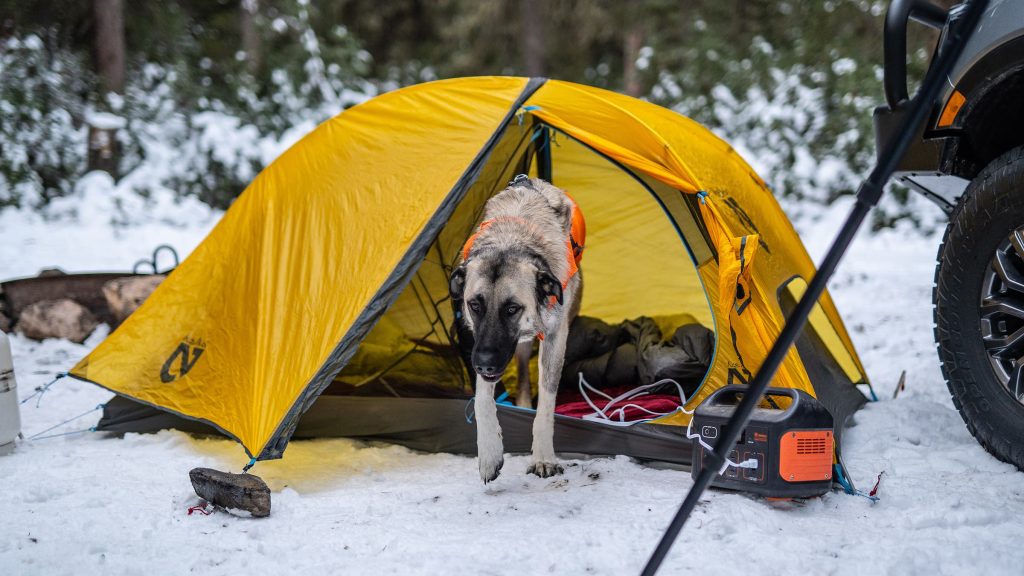
When you’re camping, staying warm inside your tent can make all the difference between a great night and a cold, uncomfortable one. But how do you safely heat a tent without risking fire or harmful fumes?
You want to enjoy the cozy warmth without any danger. You’ll discover simple and effective ways to heat your tent safely. Keep reading to learn tips that protect you and your gear while keeping the chill away. Your comfort and safety come first—let’s get started!
Credit: www.battlbox.com
Choosing The Right Heater
Heating a tent safely is important for comfort and health. Picking the right heater helps avoid accidents. This guide explains what to look for in a tent heater.
Different heaters suit different tents and camping styles. Knowing types, fuel options, and heater placement keeps you safe and warm.
Types Of Tent Heaters
Tent heaters come in various types. Some use electricity, while others burn fuel. Each type has pros and cons for camping.
- Electric Heaters:Easy to use with power supply. No fumes but need electricity access.
- Propane Heaters:Portable and warm quickly. Must use outside or with ventilation.
- Wood Stoves:Use wood fuel and give steady heat. Require space and careful setup.
Fuel Options And Safety
Fuel choice affects heater safety and convenience. Some fuels burn cleanly, others produce fumes. Always follow safety rules with fuel use.
| Fuel Type | Pros | Cons |
| Electricity | Clean, safe indoors | Needs power source |
| Propane | Portable, heats fast | Produces carbon monoxide |
| Wood | Natural, steady heat | Requires ventilation, smoke |
| Butane | Compact, easy to use | Less heat output, ventilation needed |
Portable Vs. Fixed Heaters
Heaters can be portable or fixed in place. Portable heaters move easily but need careful handling. Fixed heaters stay put but need installation.
- Portable Heaters:Good for small tents and quick heat. Must be stable and used with caution.
- Fixed Heaters:Installed securely for larger tents. Provide constant heat but less flexible.
Credit: www.battlbox.com
Preparing Your Tent
Heating a tent can keep you warm during cold weather. You must prepare your tent carefully to stay safe.
Proper preparation helps prevent accidents and keeps the air fresh inside your tent.
Ventilation Needs
A tent needs good airflow when you use a heater. This stops carbon monoxide buildup and keeps the air clean.
Open vents or windows slightly to allow fresh air in. Check vents often to make sure air moves well.
- Leave a small window or door open
- Use tents with built-in vents if possible
- Do not block airflow with gear or walls
Tent Material Considerations
Check what your tent is made of before heating. Some materials catch fire easily or melt from heat.
Use tents made from fire-resistant or heat-safe fabrics to reduce risk. Avoid placing heaters near thin walls.
- Look for tents labeled fire-retardant
- Keep heaters away from nylon or polyester walls
- Use heat shields if needed to protect the tent
Setting Up Heater Safely
Place your heater on a flat, stable surface inside the tent. Make sure it will not tip over easily.
Keep heaters away from sleeping bags, gear, and tent walls. Use heaters designed for indoor or tent use only.
- Use a carbon monoxide detector inside the tent
- Turn off heater before sleeping or leaving
- Follow all instructions for your heater model
Safe Heating Practices
Heating a tent safely is important for comfort and health. Using the right methods can prevent accidents and injuries. Always follow safety tips when warming your tent.
Many heating devices can be risky if not used carefully. Learn how to keep a safe distance, watch carbon monoxide levels, and avoid fire hazards.
Maintaining Distance
Keep heating devices away from tent walls and flammable materials. This reduces the chance of fire. Make sure there is enough space around heaters for air to flow.
- Place heaters at least three feet from fabric and gear.
- Do not block exits or walkways with heaters.
- Use heat-resistant mats under heaters if needed.
- Keep children and pets away from heaters.
Monitoring Carbon Monoxide Levels
Carbon monoxide is a deadly gas that heaters can produce. Always use a carbon monoxide detector inside your tent. Check it regularly to ensure it works.
| Safety Tip | Reason |
| Use a battery-powered CO detector | Alerts you to dangerous gas levels |
| Ventilate your tent | Prevents gas build-up |
| Never leave heaters unattended | Reduces risk of carbon monoxide poisoning |
| Choose heaters made for indoor use | Lower carbon monoxide emissions |
Avoiding Fire Hazards
Fire risks rise when using heaters inside tents. Follow safety rules to stop fires before they start. Keep fire safety gear nearby.
- Do not use open flames or gas stoves inside the tent.
- Keep flammable liquids away from heaters.
- Have a fire extinguisher or bucket of water close by.
- Turn off heaters before sleeping or leaving.
Alternative Heating Methods
Keeping warm in a tent is important for comfort and safety. Using safe heating methods helps avoid risks like fire or carbon monoxide poisoning.
This guide covers some simple ways to heat your tent without using open flames or electrical heaters.
Using Hot Water Bottles
Hot water bottles are a safe and effective way to add warmth inside your tent. They provide steady heat without any flames or electricity.
- Fill the bottle with hot but not boiling water.
- Seal it tightly to avoid leaks.
- Place it inside your sleeping bag or near your feet.
- Use a cover or wrap the bottle in a cloth to prevent burns.
Insulating Your Tent
Insulation helps keep the warm air inside your tent and blocks cold from outside. You can use many materials to add insulation safely.
| Insulation Type | Benefits | Notes |
| Foam Pads | Keeps cold from ground | Place under sleeping area |
| Reflective Blankets | Reflects body heat back | Lay on floor or walls |
| Extra Tent Footprint | Blocks cold and moisture | Use under tent |
| Cloth or Tarp Layers | Adds wind barrier | Secure tightly outside tent |
Warm Clothing And Bedding
Wearing the right clothes and using warm bedding helps you stay warm without extra heat sources.
- Wear layers of clothing made from wool or synthetic fibers.
- Use insulated sleeping bags rated for low temperatures.
- Add fleece liners or blankets inside your sleeping bag.
- Wear a hat and socks to reduce heat loss.
- Change into dry clothes before sleeping.
Emergency Precautions
Heating a tent safely requires careful planning and quick response to emergencies. Knowing what to do can protect you and others from harm.
Below are key emergency precautions to keep in mind while heating your tent.
First Aid For Burns
If you or someone else gets burned, act quickly to reduce damage. Cool the burn with cold water for at least 10 minutes. Avoid using ice directly on the skin.
- Remove tight clothing or jewelry near the burn.
- Cover the burn with a clean, non-stick bandage or cloth.
- Do not break blisters or apply creams without medical advice.
- Seek medical help for serious burns or if the burn is large.
Handling Heater Malfunctions
Heaters can stop working or become unsafe. Knowing how to handle these problems can prevent accidents inside your tent.
| Problem | Action |
| Heater stops working | Turn off and unplug the heater. Check the fuel or power source. |
| Strange smells or smoke | Turn off heater immediately. Ventilate the tent and move outside. |
| Heater tipping over | Pick it up carefully and place it on a flat, stable surface. |
| Fuel leak | Stop using the heater. Evacuate the tent and fix the leak before use. |
Emergency Exit Plans
In case of fire or gas leak, you must leave the tent fast and safely. Plan your exit routes before heating the tent.
- Know all tent doors and windows that open easily.
- Keep pathways clear and free from gear or obstacles.
- Practice quick exits with everyone in your group.
- Have a meeting spot outside the tent to check all members.
- Keep a flashlight or emergency light near each exit.
Credit: www.jackery.com
Frequently Asked Questions
How Can I Heat A Tent Safely Without Risks?
Use a tent heater designed for indoor use. Ensure proper ventilation and keep flammable items away from the heat source. Always follow the manufacturer’s safety instructions to prevent carbon monoxide poisoning and fire hazards.
What Are The Best Heaters For Warming A Tent?
Propane, electric, and catalytic heaters are popular for tents. Choose heaters with safety features like automatic shut-off. Electric heaters require a power source, while propane heaters need ventilation to avoid gas buildup.
How Do I Prevent Carbon Monoxide In A Heated Tent?
Always ventilate your tent by cracking a window or door. Use carbon monoxide detectors inside the tent. Never use fuel-burning heaters in airtight spaces to avoid dangerous gas accumulation.
Can I Use A Campfire To Heat My Tent Safely?
No, using a campfire inside or too close to a tent is unsafe. It poses fire risks and carbon monoxide dangers. Keep campfires outside and at a safe distance from your tent.
Conclusion
Staying warm in a tent is important for comfort and safety. Choose the right heater to suit your needs. Keep it away from flammable materials. Ensure proper ventilation to avoid harmful fumes. Always follow the manufacturer’s instructions. Never leave a heater unattended.
Consider using extra blankets or a sleeping bag. Layering your clothing helps trap heat. Enjoy your camping experience with warmth and peace of mind. Safety first ensures a memorable adventure. Stay cozy and secure.