Have you ever noticed your car’s air conditioner acting up on a hot day? It’s frustrating when you’re counting on cool air, but something just isn’t working right.
You might not realize it, but a bad alternator could be the sneaky culprit behind your AC problems. If you want to understand how your car’s electrical system affects the air conditioner, and what signs to watch for, keep reading.
This simple insight could save you from a costly repair and keep your ride comfortable all summer long.

Credit: bashisautoelectrics.com.au
Role Of Alternator In A Vehicle
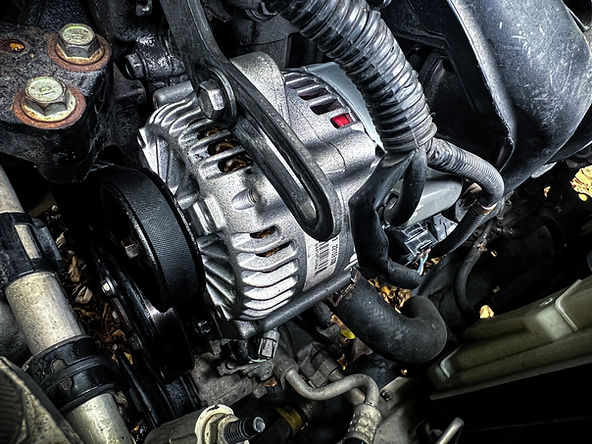
The alternator is a key part of a vehicle’s electrical system. It keeps the battery charged and powers the car’s electrical parts.
If the alternator fails, many systems can stop working, including the air conditioner. Understanding its role helps explain why.
Alternator Basics
The alternator is a device that creates electricity while the engine runs. It uses a belt connected to the engine to spin a rotor inside a coil.
- It converts mechanical energy to electrical energy.
- It charges the battery during driving.
- It supplies power to electrical devices in the car.
How Alternator Powers Electrical Systems
The alternator sends power to the battery and all electrical parts. This includes lights, radio, and air conditioning.
| Electrical System | Powered By Alternator |
| Battery | Yes |
| Headlights | Yes |
| Air Conditioner | Yes |
| Radio | Yes |

Credit: www.davidsrepair.com
How The Air Conditioner Works
An air conditioner cools the air inside your home or car. It moves heat from inside to outside. This keeps the room or car cold and comfortable.
The system uses several parts working together. Each part plays a role in cooling the air effectively and efficiently.
Key Components Of A/c System
The air conditioner has many parts. Each one helps change warm air into cool air. Here are the main parts:
- Compressor:Pressurizes the refrigerant and moves it through the system.
- Condenser:Releases heat from the refrigerant to the outside air.
- Evaporator:Absorbs heat from inside air, cooling it down.
- Expansion Valve:Controls the flow of refrigerant to the evaporator.
- Refrigerant:A liquid that changes to gas and back to move heat.
Electrical Needs Of The A/c
The air conditioner needs electricity to run its parts. The alternator in a vehicle provides this power. If the alternator fails, the A/C may stop working.
| Component | Electrical Role |
|---|---|
| Compressor Clutch | Needs power to engage and start the cooling cycle |
| Blower Motor | Runs the fan that moves air through the vents |
| Control Module | Manages the A/C settings and operation |
| Alternator | Supplies electrical power to all A/C components |
Symptoms Of A Failing Alternator
A bad alternator can cause many car problems. One important issue is how it affects the air conditioner.
When the alternator fails, it can stop the air conditioner from working well. Let’s look at some signs.
Signs Inside The Cabin
You may notice the air conditioner blowing warm air or not cooling enough. The fan speed can also drop.
Lights on the dashboard may flicker or dim. The car’s electrical systems inside can behave oddly.
- Weak or no cold air from the vents
- Dashboard lights flickering or dimming
- Electrical accessories working poorly
Impact On Engine Performance
A failing alternator causes low battery power. This makes the engine run rough or stall sometimes.
The air conditioner needs power from the alternator. If power drops, the engine may struggle to keep running.
- Engine runs unevenly or stalls
- Reduced power when air conditioner is on
- Strange noises from the engine area

Credit: needmechanic.com
Link Between Alternator And Air Conditioner
The alternator is a key part of your car’s electrical system. It keeps the battery charged and powers electrical parts.
The air conditioner needs electricity to work. A bad alternator can cause A/C problems in your vehicle.
Power Supply To A/c Components
The A/C system relies on electrical power to run parts like the compressor and fans. The alternator supplies this power.
- The alternator charges the car battery.
- The battery powers the A/C controls and sensors.
- The compressor clutch needs electricity to engage.
- Cooling fans run on electrical power from the alternator.
Why A/c May Fail With Bad Alternator
A weak alternator may not provide enough power to A/C parts. This causes the system to work poorly or stop.
| Symptom | Cause | Effect on A/C |
| Dim lights when A/C is on | Low alternator output | Reduced compressor power |
| Battery warning light | Alternator failure | A/C may shut off to save power |
| Weak air flow | Insufficient power to fans | Less cooling inside car |
| Engine stalls with A/C on | Alternator can’t keep battery charged | Complete A/C and engine failure |
Diagnosing Alternator Issues Affecting A/c
A bad alternator can cause problems with your car’s air conditioner. The A/C needs steady power to work well. If the alternator fails, the A/C might not cool properly or stop working.
To find out if the alternator is causing A/C trouble, you can test the voltage output and inspect the electrical connections. These checks help you spot issues early.
Testing Voltage Output
Use a multimeter to measure the alternator’s voltage. The car should be running during this test. A good alternator usually gives about 13.5 to 14.5 volts.
- Turn on the car engine.
- Set the multimeter to DC voltage mode.
- Place the red probe on the battery positive terminal.
- Place the black probe on the battery negative terminal.
- Check the reading on the multimeter.
If the voltage is below 13 volts or above 15 volts, the alternator may be faulty. Low or unstable voltage can cause the A/C compressor to stop working.
Inspecting A/c Electrical Connections
Loose or corroded electrical connections can stop the A/C from working. Check wires, fuses, and plugs related to the A/C system. Clean and tighten any damaged parts.
| Component | What to Check | Signs of Issue |
| Wiring Harness | Look for frayed or broken wires | Intermittent A/C power |
| Fuses | Check for blown fuses | A/C does not turn on |
| Connectors | Ensure tight and clean connections | Weak or no A/C output |
Repair Options And Costs
A bad alternator can cause problems with your car’s air conditioner. It may not get enough power to work well. Fixing the alternator can help the A/C work properly again.
There are two main choices: repair the alternator or replace it. Each option has different costs and benefits. Understanding these can help you decide what to do.
Alternator Repair Vs Replacement
Repairing an alternator usually costs less than replacing it. Repairs fix parts like brushes or bearings. This can bring your alternator back to life.
Replacing an alternator means installing a new or rebuilt unit. It costs more but lasts longer. Replacement is better if the alternator is very old or badly damaged.
- Repair costs range from $100 to $300
- Replacement costs range from $300 to $600
- Repair takes less time than replacement
- Replacement offers a longer warranty
Fixing A/c Problems Related To Alternator
The alternator powers the car’s electrical parts, including the A/C system. A bad alternator can cause weak A/C or no cold air.
Fixing the alternator often fixes the A/C issues. You may also need to check the A/C compressor and belts. These parts work together to cool your car.
- Test the alternator output with a voltmeter
- Replace or repair the alternator if output is low
- Inspect A/C compressor for damage
- Check belts for wear or looseness
- Recharge the A/C refrigerant if needed
Preventive Tips For Alternator And A/c Health
A bad alternator can cause problems with your car’s air conditioner. The alternator powers many electrical parts, including the A/C system.
Keeping both the alternator and air conditioner in good shape helps your car run smoothly and stays comfortable.
Regular Maintenance Checks
Check your alternator and A/C system regularly. Early checks help find problems before they get worse.
Look for signs like dimming lights, weak A/C cooling, or strange noises from the alternator.
- Inspect belts and wiring for wear or damage
- Test the battery and alternator voltage
- Check A/C refrigerant levels and compressor function
- Listen for unusual sounds from the alternator or A/C
Avoiding Electrical Overloads
Electrical overloads put extra stress on the alternator and A/C system. Avoid using too many devices at once.
Turn off unused electronics and keep wiring clean and tight. This helps prevent failures and keeps your A/C cool.
- Limit power use when the engine is idling
- Do not add high-power devices without checking alternator capacity
- Fix any faulty wiring or loose connections quickly
- Use fuses to protect circuits from overload
Frequently Asked Questions
Can A Bad Alternator Cause Ac To Stop Working?
Yes, a bad alternator can cause the AC to stop working. It fails to supply enough power to the AC compressor and electrical system, leading to AC malfunction.
How Does Alternator Affect Car Air Conditioning?
The alternator powers the car’s electrical components, including the AC system. If it weakens, the AC may lose power or stop cooling effectively.
What Are Signs Of Alternator Affecting Ac?
Signs include dimming lights, weak AC cooling, battery warning light, and unusual noises. These indicate the alternator struggles to support the AC’s electrical demand.
Can Alternator Replacement Fix Ac Issues?
Replacing a faulty alternator often restores proper AC function. It ensures the AC compressor and electrical system receive adequate power to operate efficiently.
Conclusion
A faulty alternator can impact your car’s air conditioner. It may not provide enough power, leading to weak cooling. This can make driving uncomfortable on hot days. Regular checks can help identify issues early. Fixing the alternator ensures smooth air conditioner operation.
This improves your driving experience significantly. Remember, vehicle maintenance is crucial. It helps avoid unexpected problems. Keeping your car in good shape keeps you comfortable and safe. Always prioritize regular servicing for reliable performance.