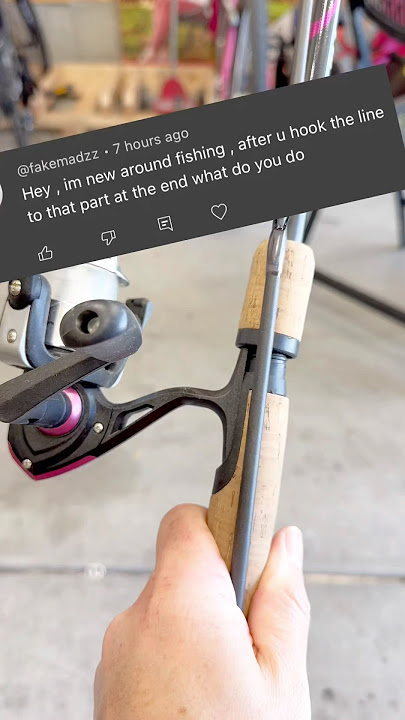
Are you ready to get your fishing gear ready but don’t know how to install fishing line properly? You’re not alone, and the good news is it’s easier than you think.
The right setup can make a huge difference in your fishing experience—helping you cast farther, catch more, and avoid frustrating tangles. In this guide, you’ll learn simple, step-by-step instructions that anyone can follow. By the end, you’ll feel confident and ready to hit the water with your line perfectly installed.
Keep reading, and let’s get you fishing like a pro!
Choosing The Right Fishing Line
Choosing the right fishing line is important for a good fishing experience. The right line helps catch fish and avoid breakage.
You need to think about the type of fishing, the strength of the line, and its thickness before you buy.
Types Of Fishing Lines
There are three main types of fishing lines: monofilament, fluorocarbon, and braided lines. Each type has special features for different fishing needs.
- Monofilament:A single strand of nylon, easy to handle and stretch.
- Fluorocarbon:Less visible in water, sinks faster, and is more abrasion resistant.
- Braided:Made of woven fibers, very strong and thin with no stretch.
Matching Line To Fishing Style
Pick a line that fits your fishing method. Light lines work for small fish and clear water. Strong lines fit big fish and rough conditions.
- Use monofilament for beginners and general fishing.
- Choose fluorocarbon for clear water and cautious fish.
- Try braided lines for heavy cover or deep water fishing.
Line Strength And Thickness
Line strength is measured in pounds, showing how much weight it can hold. Thickness affects casting distance and visibility in water.
| Line Type | Common Strength (lbs) | Typical Thickness (mm) |
|---|---|---|
| Monofilament | 6–12 | 0.20–0.35 |
| Fluorocarbon | 8–15 | 0.18–0.30 |
| Braided | 15–50 | 0.10–0.25 |

Credit: www.youtube.com
Gathering Necessary Tools
Before you start installing fishing line, gather all the tools you need. Having the right tools makes the job easier and faster.
This guide covers the main tools to prepare your fishing line installation.
Fishing Reel And Rod
Your fishing reel and rod are the main parts for installing the line. Choose a reel that fits your rod well.
Check that the reel is clean and in good condition. This helps the line wind smoothly and reduces tangles.
Scissors And Line Clippers
Sharp scissors or line clippers are important for cutting the fishing line cleanly. Dull tools can fray the line ends.
Use scissors or clippers designed for fishing line to get a neat cut. This helps tie knots better.
Additional Accessories
Extra tools help make installing the line easier and more efficient. Some useful accessories include:
- Line conditioner to keep the line flexible
- Spooler to hold the line spool steady
- Needle-nose pliers for tightening knots
- Small towel to clean hands and reel
Preparing The Reel
Before you install a new fishing line, you need to prepare the reel. This helps the line work well and last longer.
Cleaning the reel and removing the old line keeps everything smooth. Follow these steps to get your reel ready.
Removing Old Line
Start by taking off the old fishing line from the spool. This makes space for the new line and stops tangles.
Cut the old line close to the spool. Pull the line off slowly until the spool is clear.
Cleaning The Spool
After removing the old line, clean the spool to remove dirt and salt. This helps the line stay strong and slide well.
Use a soft cloth and warm water to wipe the spool. Let it dry completely before adding new line.

Credit: sportfishinghub.medium.com
Attaching The Line To The Spool
Attaching the fishing line to the spool is the first step to prepare your reel. A strong connection keeps the line from slipping during casting or reeling.
Using the right knot and securing the line properly ensures smooth fishing. Let’s look at how to tie the arbor knot and secure the line.
Tying The Arbor Knot
The arbor knot is the best knot to attach the line to the spool. It holds tight and is easy to tie.
To tie the arbor knot, wrap the line around the spool and tie a simple overhand knot. Then tie a second overhand knot further down the line.
- Wrap line around spool.
- Tie an overhand knot close to spool.
- Tie another overhand knot a few inches away.
- Pull both knots tight against the spool.
- Trim any extra line ends.
Securing The Line
After tying the knot, pull the line tight. Make sure it sits firmly on the spool without slipping.
Keep some tension on the line as you start winding it onto the spool. This helps the line stay secure and neat.
- Pull line tight to remove slack.
- Start winding line slowly onto spool.
- Keep steady tension while winding.
- Fill spool evenly without gaps.
- Stop when spool is nearly full.
Spooling The Line
Spooling fishing line correctly is important for good fishing. It helps avoid problems while casting or reeling in fish.
This guide covers key tips on keeping tension, spreading the line, and stopping twists and tangles.
Maintaining Proper Tension
Keeping the right tension on the line during spooling stops loose loops. Loose line can cause tangles and knots later.
- Attach the line to the reel spool securely.
- Hold the line tightly between your fingers.
- Have a partner hold the spool or place it under a heavy object.
- Reel slowly while keeping pressure on the line.
- Check often to keep the line tight and smooth on the spool.
Evenly Distributing The Line
Spreading the line evenly on the spool helps prevent bunching. It also lets you cast farther and easier.
| Tip | How to Do It |
| Move the line guide | Slide it back and forth while reeling |
| Control the speed | Reel at a steady, medium pace |
| Watch the spool | Stop if line piles up in one spot |
| Adjust line tension | Keep steady pressure on the line |
Avoiding Twists And Tangles
Twists and tangles cause line breakage and poor casting. Avoid them by following these tips.
- Let the line spool off the filler spool in the same direction as the reel spool.
- Use a swivel if your line tends to twist.
- Check for knots before spooling.
- Keep the line straight and avoid sharp bends.
- Replace old or damaged line regularly.
Finishing The Installation
Installing fishing line correctly is important for a smooth fishing experience. Finishing the setup carefully ensures your line works well on the water.
This guide covers three key steps: cutting the line, threading it through rod guides, and testing the setup.
Cutting The Line
Use sharp scissors or a line cutter to get a clean cut. Avoid frayed ends because they can cause tangles or weak spots.
- Measure the length needed with some extra for tying knots.
- Cut the line straight across for a smooth end.
- Check the cut end for any damage or fraying.
Threading Through Rod Guides
Pass the fishing line through each guide on the rod, starting from the tip to the reel. Make sure the line runs smoothly without twists.
| Rod Guide Position | Action |
|---|---|
| Tip Guide | Insert line carefully to avoid damage |
| Middle Guides | Thread line through each one in order |
| Reel Guide | Secure line firmly to the reel spool |
Testing The Setup
Once the line is threaded and tied, test the setup before fishing. This helps spot any issues early.
- Pull the line gently to check knot strength.
- Turn the reel handle to see if the line moves smoothly.
- Look for any snags or rough spots along the rod guides.
- Adjust the tension if the line feels too loose or tight.
Tips For Line Maintenance
Keeping your fishing line in good shape helps you catch more fish. Proper maintenance stops breaks and tangles.
Simple care steps keep your line strong and ready for fishing trips.
Regular Inspections
Check your fishing line before and after each use. Look for frays, cuts, or weak spots.
Damaged areas can cause line breaks and lost fish. Replace or cut out these sections quickly.
- Run your fingers along the line to feel for rough spots
- Look closely for color changes or cracks
- Check knots and connections for tightness
Replacing Old Line
Fishing line loses strength over time. Replace it after several uses or if it looks worn.
Old line can snap easily and cause lost catches. Use fresh line for better performance.
- Change line every season or sooner if damaged
- Remove old line fully before adding new line
- Use the right type and weight for your fishing needs
Storage Recommendations
Store your fishing line in a cool, dry place to keep it strong. Avoid sunlight and heat.
Proper storage stops the line from weakening or getting tangled over time.
- Keep line spools in sealed containers or bags
- Avoid storing line near chemicals or sharp objects
- Check stored line before use to ensure quality

Credit: m.youtube.com
Frequently Asked Questions
How Do I Choose The Right Fishing Line?
Choose fishing line based on your target fish and fishing style. Consider line strength, material, and stretch. Monofilament suits beginners; braided lines offer strength; fluorocarbon is nearly invisible underwater. Match line weight to your rod for optimal performance and control.
What Is The Best Way To Spool Fishing Line?
Attach the line spool to a stable surface. Thread the line through the rod guides starting from the tip. Tie a secure knot to the reel spool. Wind the line evenly under moderate tension to avoid tangles and ensure smooth casting.
How Often Should I Replace Fishing Line?
Replace fishing line after every few fishing trips or when it shows wear. Look for frays, nicks, or discoloration. Old line loses strength and sensitivity, increasing the risk of losing fish. Regular replacement ensures better fishing performance and durability.
Can I Use Any Fishing Line On Any Reel?
Not all fishing lines suit every reel type. Spinning reels work best with monofilament or fluorocarbon lines. Baitcasting reels handle braided lines well. Check your reel specifications and match the line type and weight for optimal function and longevity.
Conclusion
Installing fishing line is simple with the right steps. Take your time and follow each part carefully. Check the line for knots and tightness before fishing. Practice makes the process easier and faster. Soon, you will feel confident handling your fishing gear.
Enjoy your time by the water and catch more fish. Keep your gear ready and replace the line when needed. Fishing becomes more fun with proper preparation. Give it a try and see the difference yourself.