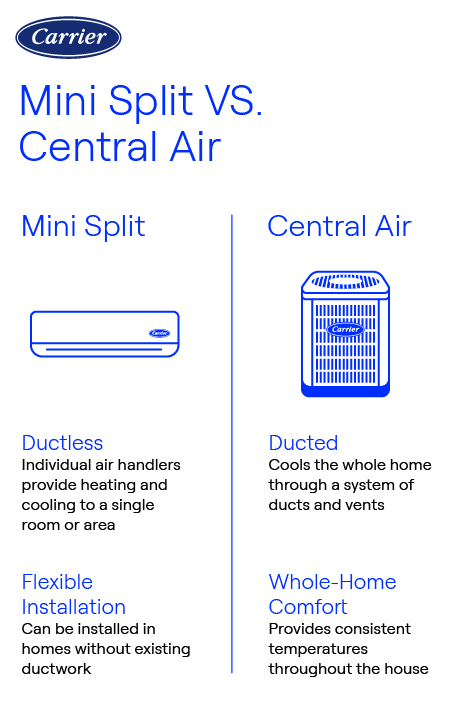
Are you tired of dealing with bulky air conditioners that take up space and make your room look cluttered? Imagine having a cooling system that’s powerful, quiet, and doesn’t steal your room’s style.
That’s exactly what a split system air conditioner offers. If you want to keep your home comfortable without the hassle, understanding how this system works can change the way you think about cooling. Ready to discover how a split system air conditioner can improve your comfort and save you money?
Keep reading to find out everything you need to know.
How Split System Ac Works
A split system air conditioner cools a room by moving heat outside. It has two main parts: an indoor unit and an outdoor unit.
These parts work together to keep your home comfortable in hot weather.
Indoor Unit Functions
The indoor unit blows cool air into your room. It has a fan and an evaporator coil.
The fan pulls warm air from the room and passes it over the cold evaporator coil. This cools the air before it returns to the room.
- Draws warm air inside
- Cools air using the evaporator coil
- Circulates cool air back into the room
- Contains filters to clean the air
Outdoor Unit Roles
The outdoor unit releases heat from your home to the outside air. It has a compressor and a condenser coil.
The compressor pumps refrigerant through the system. The condenser coil helps to remove heat from the refrigerant.
- Compresses and pumps refrigerant
- Releases heat outside using the condenser coil
- Contains a fan to cool the condenser coil
Refrigerant Cycle Basics
The refrigerant moves between the indoor and outdoor units. It carries heat out of your home.
The refrigerant changes from liquid to gas and back. This change helps it absorb and release heat.
- Refrigerant absorbs heat inside as it evaporates
- It travels to the outdoor unit as a gas
- Releases heat outside as it condenses back to liquid
- Cycles continuously to cool your home
Types Of Split System Ac
A split system air conditioner has two main parts: an indoor unit and an outdoor unit. These work together to cool or heat your home efficiently.
There are different types of split system ACs, each designed for specific needs and spaces. Understanding these types helps you choose the right system.
Single Split Systems
Single split systems have one indoor unit connected to one outdoor unit. They are ideal for cooling or heating one room or area.
This type is simple to install and cost-effective for small spaces like bedrooms or offices.
- One indoor unit per outdoor unit
- Best for single rooms
- Easy installation and maintenance
Multi Split Systems
Multi split systems connect several indoor units to one outdoor unit. They cool or heat multiple rooms independently.
This system saves space outside and offers flexible control for each indoor unit.
- One outdoor unit with multiple indoor units
- Separate control in each room
- Good for larger homes or offices
Ductless Mini-split Options
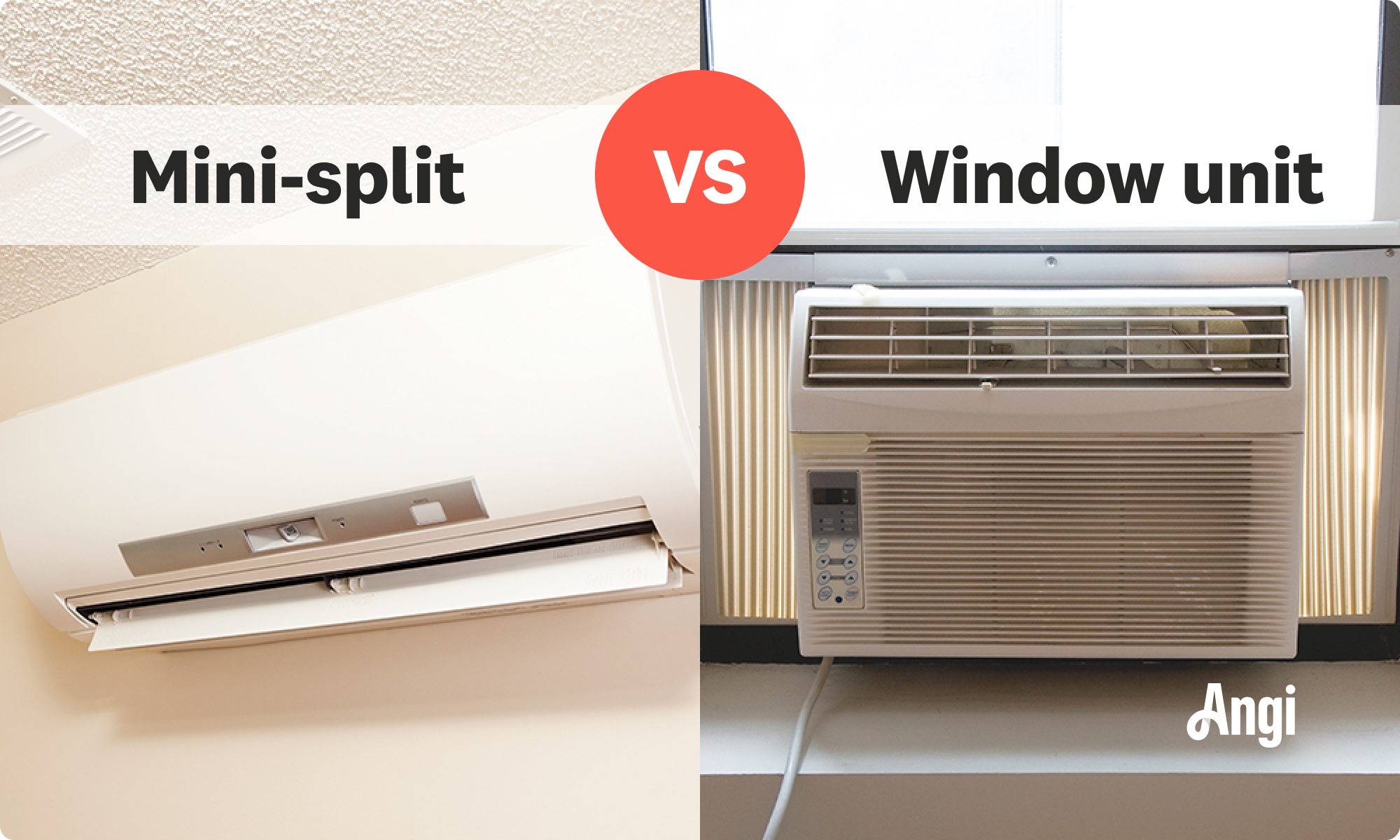
Ductless mini-splits are a type of split system without ducts. They deliver air directly to each room through the indoor unit.
These systems save energy and are easy to install in homes without existing ductwork.
- No ductwork needed
- Energy efficient
- Ideal for older buildings or additions
Benefits Of Split System Ac
A split system air conditioner has two parts: an indoor unit and an outdoor unit. This design helps cool or heat your room efficiently.
Many people choose split system ACs because they offer several advantages. These benefits make them a popular choice for homes and offices.
Energy Efficiency
Split system ACs use less energy than traditional air conditioners. They cool rooms without wasting power.
These systems often have inverter technology. This feature adjusts power use based on the room temperature.
- Lower electricity bills
- Reduced environmental impact
- Better control over room temperature
Quiet Operation
Split system air conditioners work quietly indoors. The noisy parts stay outside, so you can enjoy peace inside.
This quiet operation makes split ACs great for bedrooms, offices, and study rooms. You can focus or sleep without noise disturbance.
- Indoor unit produces low sound
- Outdoor unit noise is far from living areas
- Comfortable environment without loud fans
Easy Installation
Split system ACs are easier to install than some other types. They need only a small hole for pipes and wires.
You do not need big ducts or extra space. This makes them suitable for many building types and rooms.
- Simple wall mounting for indoor unit
- Outdoor unit placed outside on a stand or wall
- Less disruption during setup
Choosing The Right Split System
Split system air conditioners are popular for cooling and heating homes. Picking the right one is important for comfort and savings.
Consider factors like size, features, and budget before buying a split system air conditioner.
Sizing And Capacity
Choose a split system that matches your room size. Too small will not cool well. Too large wastes energy.
- Measure the room area in square feet or meters.
- Check the BTU rating of the air conditioner.
- Match BTU to room size for efficient cooling.
- Consider ceiling height and insulation quality.
- Ask a professional if unsure about the right size.
Feature Comparison
Different split systems have various features. Look for functions that suit your needs.
| Feature | Description | Benefit |
| Inverter Technology | Adjusts compressor speed | Saves energy and keeps temperature steady |
| Air Purification | Filters dust and allergens | Improves indoor air quality |
| Smart Controls | Remote or app control | Convenient operation |
| Dehumidification | Removes excess moisture | Creates more comfortable air |
Budget Considerations
Set a budget before shopping. Split systems vary in price and running costs.
Here are some tips to manage costs:
- Compare initial purchase prices.
- Check energy efficiency ratings.
- Consider installation and maintenance fees.
- Look for models with longer warranties.
Installation Tips
Installing a split system air conditioner needs careful planning. Proper setup ensures good performance and long life.
This guide covers key points about indoor unit placement, outdoor unit setup, and choosing between professional or DIY installation.
Placement Of Indoor Unit
Choose a spot away from direct sunlight and heat sources. The unit should allow air to flow freely without obstacles.
- Mount the unit high on a wall for better air circulation.
- Avoid placing it near windows or doors to reduce energy loss.
- Ensure the unit is easy to reach for cleaning and maintenance.
- Keep it away from electronics to prevent interference.
Outdoor Unit Setup
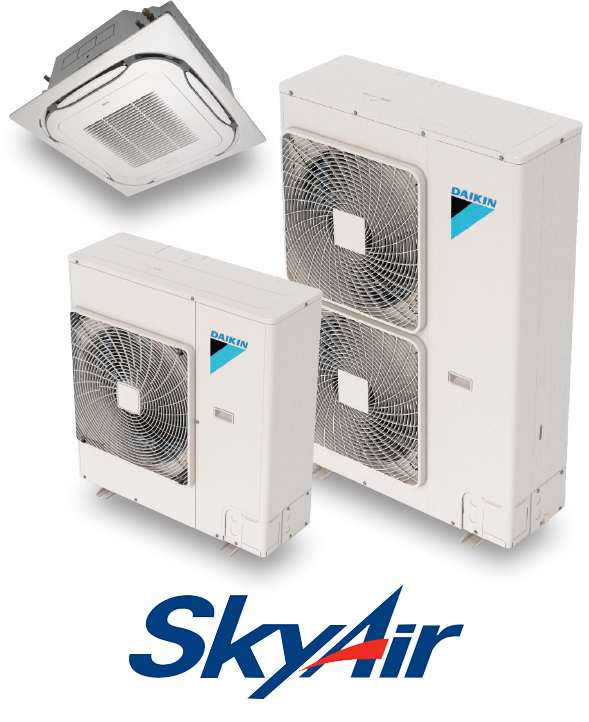
The outdoor unit should be on a flat, stable surface. It needs space around for good airflow and easy service access.
| Requirement | Reason |
| Level ground | Prevents water pooling and unit damage |
| Clear space (at least 2 feet) | Ensures proper air circulation |
| Shaded area | Keeps the unit cooler and improves efficiency |
| Away from heavy dust or debris | Reduces clogging and maintenance |
Professional Vs Diy
Deciding between professional installation and DIY depends on skills, tools, and safety concerns.
- Professional:Experts handle electrical and refrigerant tasks safely.
- DIY:May save money but risks improper setup and warranty loss.
- Incorrect installation can cause leaks, poor cooling, or damage.
- Check local regulations; some require licensed installers.
Credit: daikincomfort.com
Maintenance And Care
Split system air conditioners need regular care to work well. Keeping them clean and checked helps avoid problems.
This guide covers three key areas to keep your system running smoothly and efficiently.
Cleaning Filters
Filters trap dust and dirt from the air. Dirty filters reduce air flow and make the system work harder.
- Turn off the unit before cleaning.
- Remove the filters carefully from the indoor unit.
- Wash filters with warm water and mild soap.
- Let them dry completely before placing them back.
- Clean filters every two weeks during heavy use.
Checking Refrigerant Levels
Refrigerant cools the air inside your home. Low levels can cause poor cooling and damage the compressor.
Checking refrigerant needs special tools and is best done by a professional technician.
Seasonal Maintenance
| Task | Details |
| Clean Outdoor Unit | Remove leaves and debris from the unit. |
| Inspect Electrical Connections | Check wires and terminals for wear or damage. |
| Check Drainage | Ensure drain pipes are clear to avoid water damage. |
| Test Thermostat | Make sure it reads and controls temperature correctly. |
| Professional Service | Schedule a full inspection before summer and winter. |
Common Issues And Solutions
Split system air conditioners often face some common problems. These issues can affect comfort and efficiency. Knowing the causes helps in fixing them quickly.
This guide covers poor cooling, strange noises, and water leaks. Each section explains causes and practical solutions.
Poor Cooling Performance
Poor cooling happens when the air conditioner does not lower the room temperature enough. Dirt buildup and wrong settings often cause this.
- Dirty air filters block airflow. Clean or replace filters regularly.
- Low refrigerant levels reduce cooling power. Call a technician to refill.
- Blocked outdoor unit prevents heat release. Remove debris around it.
- Thermostat settings may be incorrect. Set temperature lower for better cooling.
Unusual Noises
Strange sounds from the air conditioner can signal mechanical issues or loose parts. Early attention prevents bigger damage.
| Noise Type | Possible Cause | Solution |
| Rattling | Loose screws or panels | Tighten screws and check panels |
| Hissing | Refrigerant leak | Hire a technician for repair |
| Clicking | Faulty fan motor | Inspect and replace motor if needed |
| Banging | Debris hitting fan blades | Clear debris and clean fan |
Water Leakage
Water leaks inside or outside the unit can cause damage. Usually, clogged drains or frozen coils are the cause.
Common causes and fixes for water leaks:
- Clogged drain pipe: Clear the blockage to allow water flow.
- Frozen evaporator coil: Turn off the unit to thaw and check airflow.
- Improper installation: Ensure correct unit tilt to drain water properly.
- Damaged drain pan: Replace if cracked or rusted.
Credit: www.angi.com
Energy Saving Tips
Split system air conditioners cool rooms efficiently. Saving energy helps lower bills and reduces waste. Simple changes can make a big difference.
Follow these tips to get the most from your air conditioner. Keep your home cool without using too much power.
Optimal Temperature Settings
Setting the right temperature uses less energy. Keep your air conditioner at a comfortable level that is not too cold. A good range is between 24°C and 26°C (75°F to 78°F).
- Avoid setting the temperature below 24°C to save power.
- Use fans to help spread cool air evenly.
- Close windows and doors to keep cool air inside.
Using Timers And Sensors
Timers and sensors help control when the air conditioner runs. Use them to avoid cooling empty rooms. This saves energy and extends your unit’s life.
| Feature | Benefit |
| Timer | Turns off AC after set time |
| Motion Sensor | Detects room use and adjusts cooling |
| Temperature Sensor | Keeps room at set temperature |
Regular Maintenance Benefits
Keeping your air conditioner clean saves energy. Dust and dirt make the unit work harder. Regular checks keep it running well.
- Clean or replace air filters monthly.
- Clear debris around outdoor units.
- Check for leaks in ductwork.
- Schedule professional servicing yearly.

Credit: www.pioneerminisplit.com
Frequently Asked Questions
What Is A Split System Air Conditioner?
A split system air conditioner has two main parts: an indoor unit and an outdoor unit. It cools indoor spaces efficiently by transferring heat outside. This system is quiet, energy-saving, and ideal for homes without ductwork.
How Does A Split System Air Conditioner Work?
The indoor unit absorbs heat from the room and sends it to the outdoor unit. The outdoor unit releases this heat outside. Refrigerant flows between both units to cool the indoor air effectively.
What Are The Benefits Of Split System Acs?
Split system ACs provide quiet operation, energy efficiency, and easy installation. They allow temperature control in individual rooms. These systems improve air quality and save space without ductwork.
Are Split System Air Conditioners Energy Efficient?
Yes, split system air conditioners use advanced technology to reduce energy consumption. Their inverter compressors adjust speed to maintain temperature. This results in lower electricity bills and a smaller carbon footprint.
Conclusion
A split system air conditioner offers comfort and efficiency. It cools your space effectively. Installation is straightforward, without major modifications. It suits homes and offices alike. With quiet operation, it enhances your environment. Maintenance is simple, ensuring longevity. Energy efficiency saves on electricity bills.
Different models fit various needs and budgets. Choosing the right system is important. Consider room size and cooling needs. Expert advice can guide your decision. Enjoy a comfortable and cool living space. A split system is a smart choice for many.