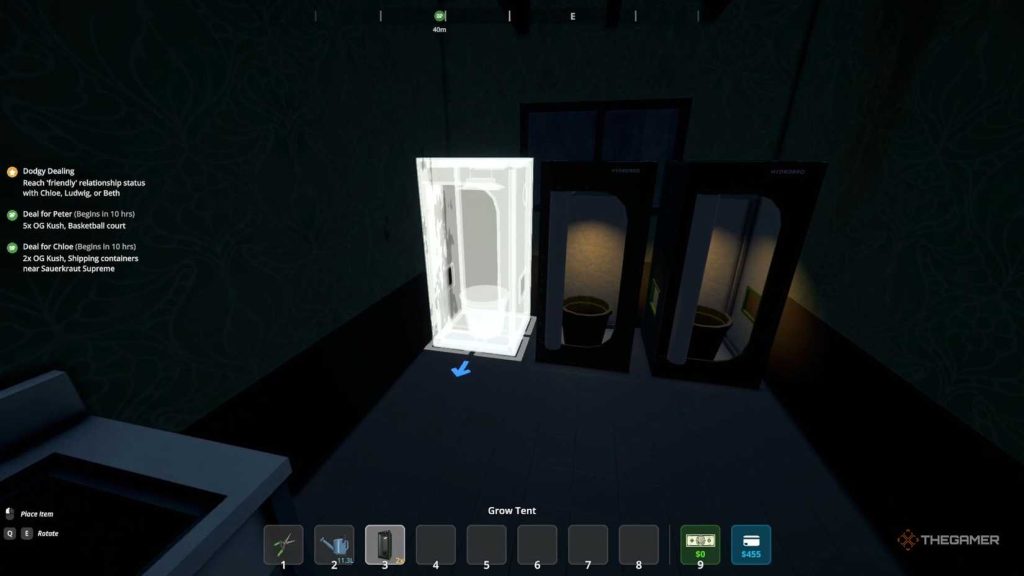
Are you wondering if you can sell grow tents in Schedule 1? If you’re planning to start or expand your business, this question is crucial.
Understanding the rules around grow tents can save you from legal trouble and help you make smart decisions. You’ll get clear answers and practical advice to guide your next move. Keep reading to find out what you need to know before selling grow tents in Schedule 1.
Credit: www.thegamer.com
Schedule 1 Controlled Substances
Schedule 1 controlled substances are drugs or chemicals with high abuse potential. They have no accepted medical use in the United States.
These substances are strictly regulated by law. Selling items related to these drugs can have legal consequences.
Definition And Examples
Schedule 1 drugs are substances that the government classifies as illegal to use or sell. They have a high risk of addiction and no medical benefits.
- Examples include heroin, LSD, and ecstasy (MDMA)
- Marijuana is also classified as Schedule 1 under federal law
- These drugs are not allowed for medical prescription
Legal Implications
Selling grow tents specifically for Schedule 1 drug cultivation can lead to legal trouble. Authorities may view these tents as drug paraphernalia.
Laws vary by state, but federal law prohibits aiding illegal drug production. You could face fines or criminal charges if found guilty.
- Possession of grow tents with intent to grow Schedule 1 drugs is illegal
- Business owners must avoid promoting illegal use
- Consult legal advice before selling grow tents in sensitive areas
Credit: www.thegamer.com
Grow Tents And Their Uses
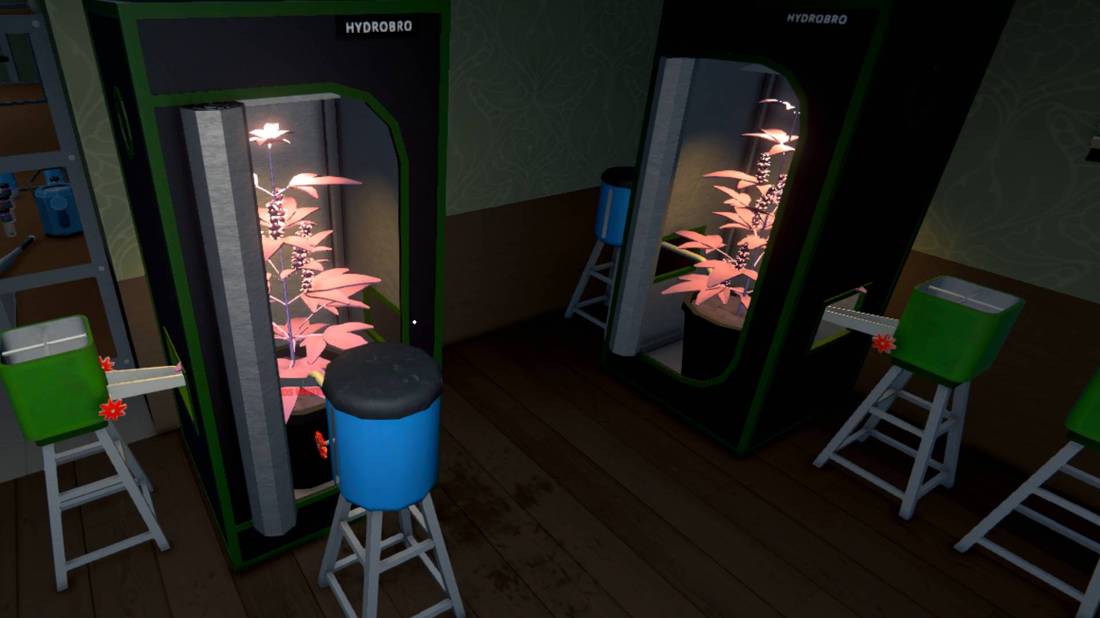
Grow tents are portable enclosures designed to create a controlled environment for plants. They help control light, temperature, and humidity. This makes growing plants indoors easier and more efficient.
People use grow tents for many types of plants. They are popular for small spaces and for plants that need special care. Understanding their uses is important when discussing legal concerns.
Common Applications
Grow tents serve many purposes beyond growing traditional plants. They allow users to control conditions to optimize growth. Here are some common applications:
- Growing vegetables like tomatoes and peppers indoors
- Cultivating herbs for cooking and medicinal use
- Starting seedlings before planting outdoors
- Protecting sensitive plants from pests and cold weather
- Researching plant growth in controlled settings
Association With Controlled Substances
Grow tents are often linked to the cultivation of controlled substances. This association affects their sale and use in some areas. Laws may vary depending on local regulations.
| Factor | Details |
| Legal Status | Varies by region and type of plant grown |
| Usage | May be legal for legal plants, illegal for banned substances |
| Sale Restrictions | Some places limit selling grow tents if used for illegal crops |
| Precautions | Buyers should understand local laws before purchasing |
Legal Status Of Selling Grow Tents
Grow tents are popular tools for indoor gardening. They help control light and environment for plants. But selling grow tents can be tricky in some areas.
This topic looks at the legal rules for selling grow tents. It focuses on federal laws and state differences.
Federal Regulations
At the federal level, grow tents are not illegal to sell. They are considered gardening equipment. But federal law restricts items used mainly for illegal drug production.
- Grow tents themselves are legal to sell nationwide.
- Sellers must avoid promoting tents for illegal use.
- Supplying grow tents with instructions for illegal growing can cause legal issues.
- Federal agencies watch sales closely if tents are linked to controlled substances.
State-level Variations
States have different rules about grow tents. Some states are strict due to drug laws, while others have relaxed rules.
| State | Legal Status | Notes |
| California | Legal | Allowed for general gardening use |
| Texas | Restricted | Sales monitored to prevent illegal growing |
| New York | Legal | No special restrictions on grow tents |
| Florida | Conditional | Legal if not sold for illegal use |
Risks And Penalties
Selling grow tents in areas where Schedule 1 drugs are controlled carries serious risks. These risks come from the association of grow tents with illegal drug cultivation.
Law enforcement agencies watch closely for items that help produce or hide illegal drugs. Selling grow tents in these areas may lead to harsh penalties.
Potential Legal Consequences
Grow tents can be seen as tools for illegal drug production. This view can cause legal trouble for sellers.
Penalties may include fines, license loss, or criminal charges. The severity depends on local laws and evidence of intent.
- Fines for selling equipment linked to illegal drug use
- Revoking business licenses
- Criminal charges for aiding illegal activities
- Seizure of inventory and property
Cases And Precedents
Courts have ruled against sellers who provide grow tents for illegal purposes. These cases show the risks involved.
Some rulings found sellers guilty when evidence showed tents were used for growing Schedule 1 drugs. Courts often consider intent and knowledge.
- Convictions based on evidence of drug cultivation
- Penalties increased if sellers knew the tents’ use
- Legal actions even without direct drug possession
- Cases influencing stricter regulations on grow tent sales
Compliance Strategies For Sellers
Selling grow tents listed in Schedule 1 requires careful legal compliance. Sellers must understand rules to avoid penalties.
This guide covers key compliance strategies for lawful selling and marketing of Schedule 1 grow tents.
Due Diligence Practices
Sellers must verify products and buyers to meet legal standards. Proper checks reduce risk of unlawful use.
- Confirm grow tents meet all local regulations and restrictions.
- Screen buyers for lawful intentions and proper permits.
- Keep detailed records of sales and customer information.
- Train staff on compliance policies and reporting obligations.
- Stay updated on changes in Schedule 1 regulations.
Clear Marketing Guidelines
Marketing grow tents must avoid references to illegal uses or Schedule 1 substances. Clear guidelines protect sellers.
| Marketing Element | Recommended Practice |
| Product Description | Focus on general horticulture or hydroponics only |
| Advertising Channels | Use platforms that enforce compliance policies |
| Visuals | Avoid images implying illegal cultivation |
| Claims | Do not mention Schedule 1 substances or illegal use |
| Customer Communication | Clarify legal intended uses when asked |

Credit: www.thegamer.com
Future Legal Trends
Grow tents are used mainly for indoor plant growing. Their sale can be affected by drug laws in different places.
Schedule 1 laws control substances that are illegal to grow or sell. This affects selling items linked to those substances.
Evolving Legislation
Many governments are changing how they treat controlled substances. Some are moving to allow medical or recreational use.
These changes can impact the rules for selling grow tents. Laws may become less strict as legalization spreads.
- Some states remove plants from Schedule 1
- New rules may allow selling grow tents freely
- Licenses might be required for some sales
Impact Of Legalization Movements
Legalization movements push for reform of drug laws. This can lead to more freedom in selling related equipment.
As more places legalize plants once banned, grow tents become less linked to illegal activity.
- Grow tents may be sold openly in legal areas
- Retailers need to follow local laws carefully
- Market may grow with more legal users
Frequently Asked Questions
Can Grow Tents Be Legally Sold Under Schedule 1?
Selling grow tents under Schedule 1 depends on local laws. Some regions restrict sales due to their association with illegal cultivation. Check your area’s regulations before selling to ensure compliance and avoid legal issues related to controlled substances.
What Restrictions Apply To Grow Tent Sales In Schedule 1?
Restrictions often include licensing, age limits, and intended use verification. Sellers may need to prove tents are for legal horticulture. Violating these rules can result in fines or criminal charges, so understanding local Schedule 1 regulations is crucial.
Are Grow Tents Considered Drug Paraphernalia In Schedule 1?
Grow tents can be classified as drug paraphernalia if linked to illegal drug production. This classification varies by jurisdiction. Sellers should clarify the legal status to avoid unintentional violations of Schedule 1 paraphernalia laws.
How To Legally Market Grow Tents In Schedule 1 Areas?
Market grow tents emphasizing legal uses, such as gardening or hydroponics. Avoid promoting them for illegal cultivation. Transparency and adherence to advertising laws help maintain compliance in Schedule 1 regions.
Conclusion
Selling grow tents in Schedule 1 areas involves careful planning. Know the local laws before proceeding. Compliance ensures smooth business operations. Educate yourself on legal obligations. This knowledge prevents future issues. Engage with legal experts for guidance. They offer valuable insights.
Understanding these aspects builds trust with customers. It also enhances your business reputation. Keep updated on changes in regulations. This proactive approach benefits your business. Selling responsibly is key. Always prioritize legality and ethics. This ensures long-term success. Your commitment to compliance pays off.