Are you tired of your fishing line not casting far enough or your bait not sinking properly? Knowing how to put weight and hook on your fishing line can make all the difference between a frustrating day and a successful catch.
In this guide, you’ll learn simple, effective steps to set up your line just right. Whether you’re a beginner or want to improve your technique, mastering this skill will boost your confidence and your results. Keep reading to discover the easy tricks that can transform your fishing experience.

Credit: mysterytacklebox.com
Choosing The Right Weight
Adding weight to your fishing line helps your bait sink to the right depth. Choosing the right weight is important for a good fishing experience. The correct weight keeps your bait steady and reaches the fish better.
Too little weight may not sink your bait well. Too much weight can scare fish away or make casting hard. Let’s look at how to pick the best weight for fishing.
Types Of Fishing Weights
Fishing weights come in many shapes and sizes. Each type works better for different fishing styles and water types. Knowing these types helps you choose the right one.
- Sinker:Round or egg-shaped, sinks bait quickly.
- Split Shot:Small round weight clamped to line for light sink.
- Bullet Weight:Shaped like a bullet, slides through weeds easily.
- Pyramid Weight:Shaped like a pyramid, holds well in currents.
- Bank Sinkers:Long and thin, used for deep water fishing.
Selecting Weight Based On Water Conditions
Water depth, speed, and clarity affect the weight you use. Heavier weights work well in fast or deep water. Lighter weights suit calm or shallow water.
- Use heavier weights in rivers with strong currents.
- Light weights work best in still lakes or ponds.
- Clear water may need lighter weights to avoid spooking fish.
- In deep water, heavier weights help reach the bottom.
Matching Weight To Fishing Technique
Your fishing method affects the weight choice. Some techniques need light weights for natural bait movement. Others need heavy weights to reach deep fish.
- Float fishing uses light weights to keep bait near the surface.
- Bottom fishing needs heavier weights to hold bait on the floor.
- Jigging requires medium weights for quick movement.
- Fishing in heavy cover uses bullet weights to slide through weeds.
Credit: greatdaysoutdoors.com
Picking The Best Hook
Choosing the right fishing hook is important for a good catch. The hook must fit the fishing line and the type of fish you want.
This guide explains how to pick hooks by size, style, material, and target species.
Hook Sizes And Styles
Hooks come in many sizes and shapes. Size affects how well the hook holds the fish.
- Smaller hooks suit small fish and delicate bait.
- Larger hooks are for big fish and strong bait.
- Circle hooks reduce fish injury and improve catch rates.
- J-hooks work well for many fishing styles.
- Treble hooks have three points for better hooking.
Material And Strength Considerations
Hooks are made from different metals and coatings. This affects strength and rust resistance.
| Material | Strength | Rust Resistance |
| High-carbon steel | Strong | Moderate |
| Stainless steel | Moderate | High |
| Alloy hooks | Varies | Good |
| Coated hooks | Strong | Very high |
Hook Selection For Target Species
Different fish need different hooks. Match hook size and style to the fish you want.
- Small fish like panfish: use small hooks size 8 to 12.
- Medium fish like bass: use hooks size 2 to 6.
- Large fish like catfish: use strong large hooks size 1 to 4/0.
- Saltwater species: choose corrosion-resistant hooks.
Attaching The Weight To The Line
Putting weight on your fishing line helps your bait sink to the right depth. It also improves casting distance and stability.
Choosing the correct way to attach the weight makes your fishing more effective. This guide explains how to do it properly.
Sliding Vs Fixed Weights
Sliding weights move freely along the line. Fixed weights stay in one spot and do not slide.
Sliding weights let fish take the bait without feeling the weight. Fixed weights give more control over the bait’s position.
- Sliding weights use a small bead and a stopper knot.
- Fixed weights tie directly to the line or use a clip.
- Choose sliding weights for natural bait movement.
- Use fixed weights for strong currents or heavy bait.
Proper Placement On The Line
Place weights at the right spot to get the best fishing results. Too close or too far from the hook can reduce bites.
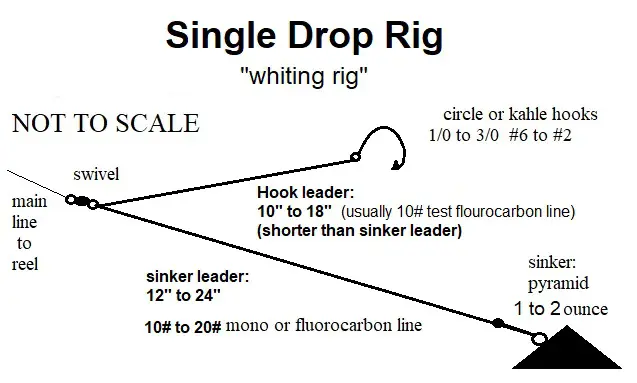
Generally, the weight sits 6 to 12 inches above the hook. This helps the bait move naturally while sinking.
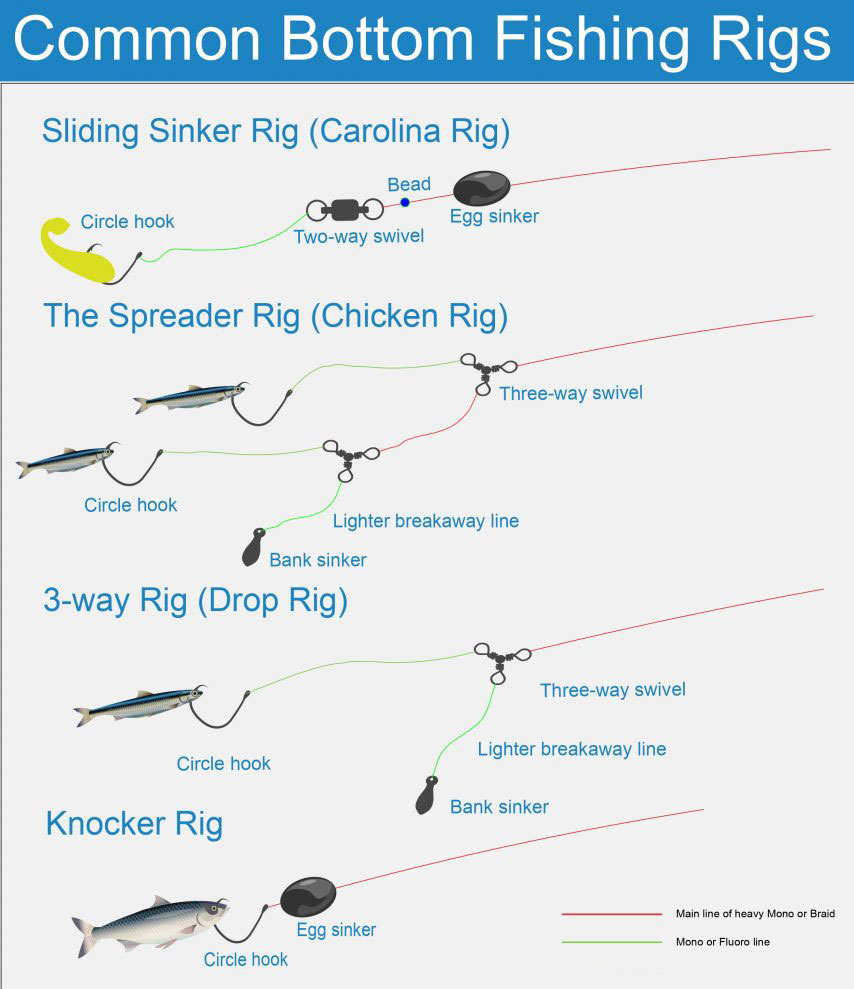
- For bottom fishing, place the weight just above the hook.
- For mid-water fishing, place the weight farther from the hook.
- Adjust placement based on water depth and current.
Securing Weights To Prevent Slippage
Make sure weights do not slide when you want them fixed. Slipping weights can spoil your fishing setup.
Tie strong knots or use small rubber stoppers to keep weights in place. Check them regularly during fishing.
- Use a clinch knot or Palomar knot to tie weights.
- Add a small rubber stopper above sliding weights.
- Test the line tension to avoid slipping.
- Replace worn knots and stoppers often.
Tying Hooks To The Line
Tying hooks to your fishing line is an important skill. A good knot keeps your hook secure and helps catch fish.
This guide explains popular knots, step-by-step tying, and ways to make knots strong and reliable.
Popular Knot Techniques
There are many knots for attaching hooks to lines. Some knots work better with certain line types or fishing styles.
- Improved Clinch Knot: Simple and strong, good for most fishing lines.
- Palomar Knot: Very strong and easy to tie, works well with braided lines.
- Snell Knot: Ties the hook directly to the line, good for live bait.
- Uni Knot: Versatile and reliable, works with all line types.
Step-by-step Knot Tying
Follow these steps to tie the Improved Clinch Knot, a popular choice for many anglers.
- Thread the line through the hook eye.
- Wrap the tag end around the standing line five to seven times.
- Pass the tag end through the small loop near the hook eye.
- Then pass it through the big loop created.
- Moisten the knot with water or saliva.
- Pull the tag end and standing line slowly to tighten the knot.
- Trim the excess tag end close to the knot.
Ensuring Knot Strength And Reliability
| Tip | Reason |
| Use the right knot for your line type | Knot holds better and does not slip |
| Moisten the knot before tightening | Reduces friction and prevents line damage |
| Pull knots tight slowly and evenly | Ensures the knot sets firmly |
| Trim tag ends but leave a small bit | Prevents knot from slipping loose |
| Check knots often during fishing | Detects and fixes weak spots early |
Combining Weight And Hook Setup
Putting weight and a hook on your fishing line needs care. The right setup helps you cast better and catch fish more easily.
This guide shows how to balance weight and hook, adjust for spots, and fix common problems.
Balancing Weight And Hook For Casting
Use the right weight to help your hook reach the right depth. Too much weight makes casting hard. Too little weight means the hook won’t sink well.
- Choose a weight that matches your rod strength.
- Pick a hook size that fits the bait and fish.
- Keep the weight close to the hook for better control.
- Test your cast to see if the line flows smoothly.
Adjusting Setup For Different Fishing Spots
Different spots need different setups. Deeper water may need heavier weights. Shallow spots may need light weights for gentle casting.
| Fishing Spot | Recommended Weight | Hook Size |
| Shallow stream | 1/8 oz | Size 10 |
| Deep lake | 1/2 oz | Size 6 |
| Weedy pond | 1/4 oz | Size 8 |
Troubleshooting Common Issues
Sometimes the setup does not work well. You may cast poorly or lose fish. Check these common problems and fixes.
- Line tangles:Use lighter weight or change knot style.
- Hook misses fish:Try a smaller hook or adjust bait size.
- Weight too heavy:Switch to lighter sinkers for better casting.
- Weight too light:Add split shot weights for deeper fishing.
Expert Tips For Better Fishing
Knowing how to put weight and hook on your fishing line can improve your catch rate. It helps your bait reach the right depth and stay stable in water.
This guide shares simple tips to set up your tackle correctly and fish better in different conditions.
Maintaining Your Tackle
Keep your fishing gear in good shape to avoid problems on the water. Check your line, hooks, and weights before each trip.
- Inspect hooks for rust or damage and replace if needed
- Use the right size weight to match your fishing spot
- Keep your line clean and free from knots
- Store tackle in a dry place to prevent corrosion
Adapting To Weather And Water Changes
Weather and water conditions affect how fish behave. Adjust your setup to match these changes.
| Condition | Weight Choice | Hook Size |
| Calm water, sunny | Light weights (1-3 grams) | Small hooks (size 8-12) |
| Windy or strong current | Heavier weights (5-10 grams) | Medium hooks (size 4-8) |
| Cold water | Moderate weights (3-5 grams) | Smaller hooks (size 8-10) |
| Warm water | Light to moderate weights | Larger hooks (size 2-6) |
Improving Casting Accuracy
Correctly placing weight and hook helps you cast better. Balance your line for smooth and precise throws.
Try this setup tip for better casting:
- Attach the weight about 12 to 18 inches above the hook
- Use a swivel to prevent line twisting
- Choose a weight that matches your rod and line strength
- Practice casting in an open area to feel the balance

Credit: mysterytacklebox.com
Frequently Asked Questions
How To Attach Weight To Fishing Line?
To attach weight to a fishing line, first, choose the right size sinker. Thread the line through the sinker’s hole. Secure it by tying a knot, such as the improved clinch knot. Ensure the weight is placed above the hook to maintain proper bait presentation.
What Is The Best Knot For Fishing Hooks?
The improved clinch knot is widely recommended for fishing hooks. It’s strong and reliable, ensuring your hook remains secure. To tie it, pass the line through the hook eye, make five turns around the line, and pass the end through the loop near the eye, then back through the big loop.
Where Should Weight Be Placed On Fishing Line?
Place the weight about 12 to 18 inches above the hook. This positioning allows the bait to move naturally in the water. It helps prevent tangling and ensures better lure presentation, increasing your chances of attracting fish effectively.
Why Use A Swivel For Fishing Line?
A swivel prevents line twisting, especially when using spinning lures. It allows the lure to move freely without twisting the main line. This ensures smoother casting and reeling, reducing the risk of line tangles and improving fishing efficiency.
Conclusion
Putting weight and hook on your fishing line is simple and important. Choose the right weight for the water and fish you want. Attach the weight carefully, so it stays in place. Then, tie the hook firmly to avoid losing fish.
Practicing these steps helps you fish better every time. Try different weights and hooks to see what works best. Fishing becomes more fun and successful with these easy tips. Keep learning and enjoy your time by the water!