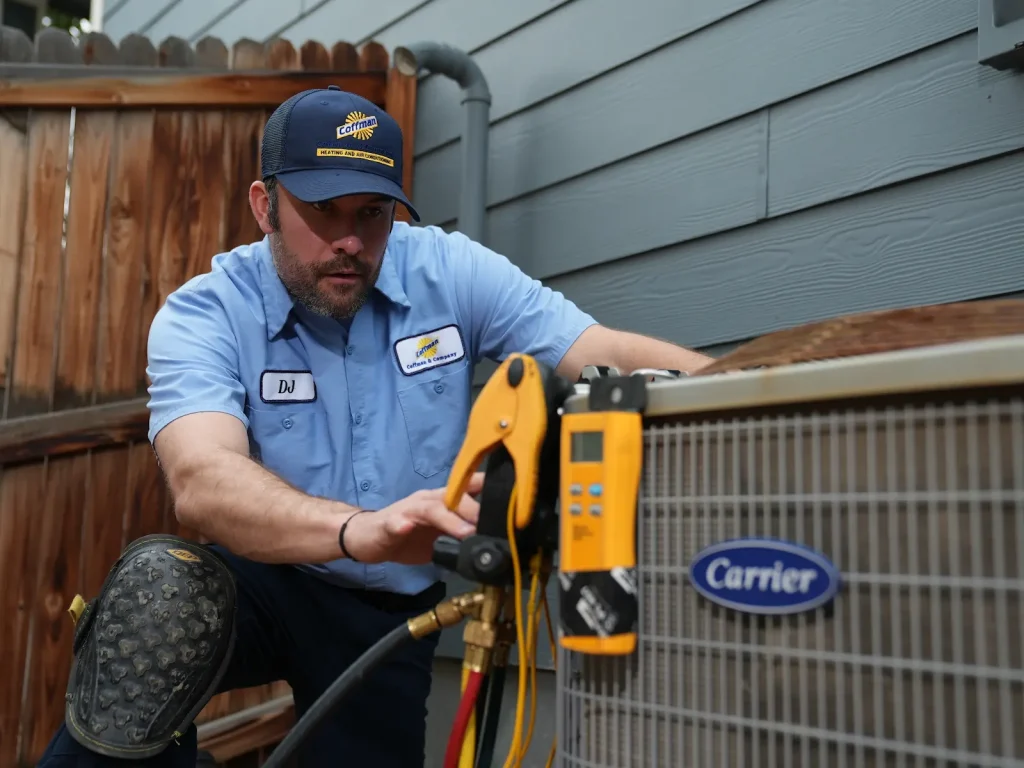
Have you ever wondered why your air conditioner sometimes struggles to keep your home cool or suddenly starts making strange noises? The answer might lie in a simple but often overlooked service: an air conditioner tune up.
This quick check-up can boost your AC’s performance, save you money on energy bills, and help avoid costly breakdowns during the hottest days. If you want your air conditioner to work smoothly and efficiently when you need it most, understanding what an air conditioner tune up involves is the first step.
Keep reading to discover how this small investment can make a big difference for your comfort and wallet.

Credit: jonasenergy.com
Benefits Of Regular Tune Ups
An air conditioner tune up helps keep your system running well. It checks for problems and cleans parts.
Regular tune ups can save money and extend the life of your air conditioner.
Improved Efficiency
Tune ups ensure your air conditioner uses energy wisely. Clean filters and coils help the system cool better.
- Removes dirt that blocks airflow
- Checks refrigerant levels for best cooling
- Tightens electrical connections
- Tests thermostat accuracy
Lower Energy Bills
When your system runs efficiently, it uses less power. This cuts down your monthly electricity costs.
| Before Tune Up | After Tune Up |
| High energy use | Reduced energy use |
| Higher bills | Lower bills |
| Frequent breakdowns | Fewer repairs |
Extended Equipment Lifespan
Regular tune ups keep parts working well. This stops early breakdowns and helps your air conditioner last longer.
Ignoring tune ups can cause bigger problems. Fixing small issues early protects your investment.

Credit: actionac.net
Signs Your Ac Needs A Tune Up
Your air conditioner works hard to keep your home cool. Over time, it can lose efficiency.
A tune up helps fix small problems before they get worse. Watch for these signs to know when to act.
Unusual Noises
Strange sounds from your AC mean it needs attention. You might hear banging, grinding, or squealing.
- Banging sounds can mean loose parts.
- Grinding noises often show worn-out motor bearings.
- Squealing may signal a slipping belt.
Weak Airflow
If air does not flow strongly from vents, your system may have a problem. Clogged filters or blocked ducts are common causes.
| Cause | Effect on Airflow |
|---|---|
| Dirty Air Filter | Reduces air speed and quality |
| Blocked Ducts | Prevents air from reaching rooms |
| Fan Issues | Weak or no air movement |
Inconsistent Cooling
Your home should feel evenly cool. If some rooms are hot or cold, your AC may need a tune up.
- Thermostat problems can cause uneven cooling.
- Low refrigerant levels reduce cooling power.
- Dirty coils make it hard to cool air.
Key Components Checked During Tune Up
An air conditioner tune up keeps your system running well. It helps find small problems early. This saves you from bigger repairs later.
Technicians check several parts during a tune up. These checks improve the AC’s efficiency and lifespan.
Air Filters And Coils
Air filters catch dust and dirt. Clean filters help air flow better. Dirty filters reduce cooling and increase energy use.
- Inspect filters for dirt and damage
- Clean or replace filters if needed
- Check evaporator and condenser coils for dirt buildup
- Clean coils to improve heat exchange
Refrigerant Levels
Refrigerant moves heat out of your home. Low refrigerant means poor cooling. It may also cause the system to freeze.
| Check Item | Why It Matters | Action |
| Refrigerant Level | Ensures proper cooling | Add refrigerant if low |
| Leaks | Prevents loss of refrigerant | Repair leaks if found |
Electrical Connections
Strong electrical connections keep your AC safe. Loose or damaged wires can cause failure or fire risk.
- Inspect wiring for wear or damage
- Tighten loose connections
- Test capacitors and contactors
- Replace faulty electrical parts
Diy Maintenance Tips
An air conditioner tune up helps your system run better and last longer. You can do some simple maintenance yourself. These tips keep your AC working well between professional checkups.
Doing regular care prevents big problems. It also saves energy and lowers your bills. Learn easy ways to keep your AC clean and efficient.
Cleaning Or Replacing Filters
Dirty filters block airflow and reduce cooling. Check your filter every month during hot seasons. Clean or replace it if it looks dusty or clogged.
Use the right filter type for your unit. A clean filter helps your AC cool better and saves energy.
- Turn off the AC before removing the filter
- Vacuum or wash reusable filters gently
- Replace disposable filters with the same size
- Put the filter back in the correct direction
Clearing Debris Around Unit
Outdoor units need space to work well. Leaves, grass, and dirt can block airflow and cause overheating. Keep the area around your unit clear.
Remove plants and objects at least two feet away. Clean the fins gently with a soft brush to avoid damage.
- Turn off power to the outdoor unit
- Pick up leaves, sticks, and trash nearby
- Trim plants and bushes around the unit
- Check for nests or animal debris
- Use a garden hose to rinse dirt off fins carefully
Checking Thermostat Settings
The thermostat controls your AC’s temperature. Make sure it is set correctly and working well. A wrong setting wastes energy and makes rooms uncomfortable.
Check the batteries if it is battery powered. Clean the thermostat face and keep it away from direct sunlight or heat sources.
- Set temperature to a comfortable level (around 75°F)
- Use programmable settings to save energy
- Replace old or faulty thermostats for better control
- Keep thermostat away from lamps, TVs, or vents
When To Call A Professional
Regular air conditioner tune ups keep your system running well. Some tasks are easy to do alone. Others need a professional’s help. Knowing when to call a pro can save you money and trouble.
Some problems require special skills or tools. A trained technician can handle complex repairs, refrigerant work, and annual inspections safely and correctly.
Complex Repairs
If your air conditioner makes strange noises or stops cooling, call a professional. Complex repairs need expert knowledge. Trying to fix these yourself can cause more damage.
- Broken compressor or fan motor
- Electrical issues or wiring problems
- Leaks in the ductwork
- Unusual smells or burning odors
- Frequent system shutdowns
Refrigerant Handling
Refrigerants keep your AC cool but need special care. Only licensed technicians can add or remove refrigerant safely. This protects the environment and follows the law.
| Task | Why a Pro Is Needed |
| Checking refrigerant levels | Requires special gauges and training |
| Refilling refrigerant | Must avoid leaks and overfilling |
| Recovering refrigerant | Protects environment and meets rules |
Annual Inspections
Scheduling a yearly inspection helps catch problems early. Professionals check all parts and clean the system. This keeps your AC efficient and reliable.
Annual inspection tasks include:
- Testing thermostat and controls
- Cleaning coils and filters
- Checking electrical connections
- Inspecting drainage and condensate lines
- Measuring airflow and system pressure

Credit: www.garyair.com
Cost Savings From Tune Ups
An air conditioner tune up keeps your unit running well. It helps save money on energy and repairs.
Regular tune ups prevent big problems and make your AC last longer. This lowers overall costs.
Reduced Repair Expenses
Tune ups find small issues before they become big. Fixing small problems costs less than major repairs.
Regular maintenance stops parts from breaking down suddenly. This lowers emergency repair bills.
- Check and clean filters and coils
- Tighten electrical connections
- Lubricate moving parts
- Inspect refrigerant levels
Energy Efficiency Gains
A well-tuned AC uses less electricity to cool your home. This reduces your energy bills.
Cleaning and adjusting parts help the AC run smoothly. This means it does not work too hard.
- Clean filters improve airflow
- Proper refrigerant levels boost cooling
- Calibrated thermostat avoids overuse
Avoiding Early Replacement
Tune ups extend the life of your air conditioner. They delay the need to buy a new unit.
Keeping parts in good shape prevents breakdowns. This saves money on expensive replacements.
Frequently Asked Questions
What Is An Air Conditioner Tune Up?
An air conditioner tune up is a maintenance check to ensure efficient cooling. It includes cleaning, inspection, and minor repairs. This helps prevent breakdowns, improves performance, and extends the unit’s lifespan.
How Often Should I Schedule An Ac Tune Up?
You should schedule an AC tune up once a year, preferably before summer. Annual maintenance keeps your system running smoothly and reduces energy costs.
What Does An Ac Tune Up Include?
An AC tune up includes cleaning filters, checking refrigerant levels, inspecting electrical components, and testing system performance. It also involves lubricating moving parts and tightening connections.
Why Is An Ac Tune Up Important?
An AC tune up improves energy efficiency, prevents costly repairs, and prolongs the system’s life. It ensures your unit cools effectively and maintains indoor air quality.
Conclusion
Regular air conditioner tune-ups ensure efficient cooling. They extend the unit’s lifespan, reducing unexpected breakdowns. Saving on energy bills becomes easier with a well-maintained system. Clean filters and components improve air quality, benefiting health. Professional checks catch small issues early, preventing costly repairs.
Peace of mind comes with knowing your unit is in top shape. A simple tune-up can make summer days more comfortable. Keep your air conditioner ready for the heat. Prioritize regular maintenance for a hassle-free experience. Enjoy cool air without worry.
Schedule your tune-up today for lasting comfort.