
Have you ever wondered if your air conditioner could be putting your health at risk without you even knowing? Carbon monoxide is a silent danger that many people worry about in their homes, but does your air conditioner have anything to do with it?
Understanding the connection between your cooling system and carbon monoxide could be crucial for your safety. Keep reading to uncover the truth and learn how to protect yourself and your loved ones from hidden hazards in your home.
How Air Conditioners Work
Air conditioners cool indoor spaces by removing heat from the air. They use a cycle to absorb heat and release it outside.
This process makes the air inside feel cooler and more comfortable during hot weather.
Types Of Air Conditioners
There are several types of air conditioners for different needs. Each type works in a unique way to cool rooms.
- Window Air Conditioners: Installed in windows, good for cooling single rooms.
- Split Air Conditioners: Have indoor and outdoor units, cool larger areas quietly.
- Portable Air Conditioners: Moveable units that can cool different rooms as needed.
- Central Air Conditioners: Cool entire buildings through duct systems.
Cooling Mechanism Explained
Air conditioners use a refrigerant to absorb heat from inside the room. The refrigerant changes from liquid to gas and back.
The system has four main parts: compressor, condenser, expansion valve, and evaporator. These parts work together to move heat out.
- The compressor squeezes refrigerant gas, raising its temperature.
- The condenser releases heat from the refrigerant to the outside air.
- The expansion valve cools the refrigerant, turning it into a liquid.
- The evaporator absorbs heat from inside air, cooling it before sending it back.
Credit: www.carrier.com
Sources Of Carbon Monoxide
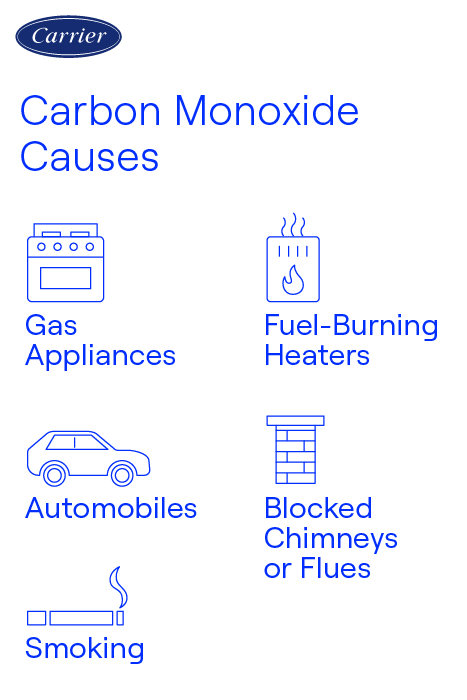
Carbon monoxide is a dangerous gas you cannot see or smell. It comes from burning fuels like gas, oil, and wood. Many sources in homes can produce this gas.
Knowing where carbon monoxide comes from helps keep your home safe. Some appliances and tools can release this gas if not used well.
Common Household Emitters
Many everyday items in your home can release carbon monoxide. These include heating and cooking devices. If these items do not burn fuel properly, they produce the gas.
- Gas stoves and ovens
- Fireplaces and wood stoves
- Portable generators used indoors
- Gas or charcoal grills used inside
- Clothes dryers that burn gas
Fuel-burning Appliances
Fuel-burning appliances use natural gas, propane, or oil to work. They can produce carbon monoxide if they are broken or not vented right. This includes heaters and water heaters.
- Gas furnaces and boilers
- Water heaters fueled by gas or oil
- Space heaters that burn fuel
- Clothes dryers using gas
- Fireplaces that burn wood or gas
Do Air Conditioners Produce Carbon Monoxide?
Many people wonder if air conditioners can produce carbon monoxide. This concern is common because carbon monoxide is a dangerous gas. It is important to understand how air conditioners work to answer this question clearly.
Air conditioners cool indoor air by removing heat and humidity. They use different power sources, which affects if they produce carbon monoxide or not.
Electric Vs Gas-powered Units
Electric air conditioners do not produce carbon monoxide. They run on electricity and do not burn fuel. Gas-powered units, like some heaters or older models, burn fuel and can produce carbon monoxide.
- Electric air conditioners use electric compressors.
- Gas-powered units burn natural gas or propane.
- Burning fuel releases carbon monoxide if not vented properly.
- Electric units are safer in terms of carbon monoxide risks.
Potential Risks And Misconceptions
Some people think their air conditioner causes carbon monoxide poisoning. This usually happens when they confuse air conditioners with gas heaters or furnaces. Proper maintenance and ventilation are key to safety.
| Appliance Type | Carbon Monoxide Risk | Reason |
| Electric Air Conditioner | None | No combustion process |
| Gas-Powered Heater | Possible | Burns fuel producing CO |
| Furnace | Possible | Needs proper venting |

Credit: www.dreo.com
Signs Of Carbon Monoxide Exposure
Carbon monoxide is a harmful gas that you cannot see or smell. Air conditioners usually do not produce this gas. Still, if your system uses gas or fuel, it could leak carbon monoxide.
Knowing the signs of carbon monoxide exposure helps keep your family safe. Look for health symptoms and ways to detect this gas at home.
Health Symptoms To Watch For
Carbon monoxide can cause many health problems. Symptoms often look like the flu but get worse over time. Watch for these signs if you suspect exposure.
- Headache that won’t go away
- Dizziness or feeling weak
- Nausea or vomiting
- Confusion or trouble thinking clearly
- Shortness of breath or chest pain
- Loss of consciousness in severe cases
If anyone in your home feels sick and you suspect carbon monoxide, get fresh air immediately. Seek medical help right away.
Home Detection Methods
Detecting carbon monoxide in your home is important. You cannot see or smell it, so use special tools and check for signs.
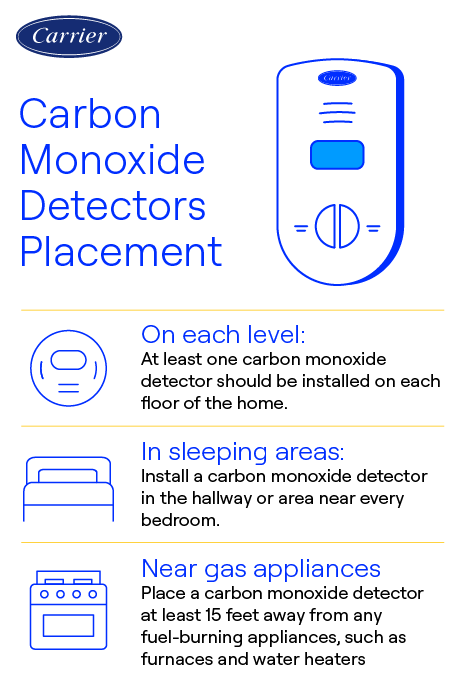
- Install carbon monoxide detectors on every floor
- Test detectors monthly to ensure they work well
- Replace batteries in detectors at least once a year
- Keep vents and chimneys clear of blockages
- Have heating systems inspected yearly by a professional
These steps help protect your home from hidden carbon monoxide leaks. Always respond quickly if alarms sound.
Preventing Carbon Monoxide Risks
Carbon monoxide is a dangerous gas that can cause health problems or death. Air conditioners usually do not produce carbon monoxide. Still, poor maintenance or faulty installation can increase risks.
Taking simple steps can keep your home safe from carbon monoxide exposure. Learn how to maintain and install your air conditioner safely and use detectors properly.
Proper Maintenance Tips
Regular maintenance helps your air conditioner work well and prevents carbon monoxide leaks. Clean and inspect the unit often to avoid problems.
- Check and clean filters every month.
- Inspect vents and ducts for blockages.
- Schedule professional servicing yearly.
- Replace worn parts promptly.
- Keep the area around the unit clear.
Installation Best Practices
Proper installation reduces carbon monoxide risks. Follow safety rules and use certified installers to ensure correct setup.
| Installation Step | Safety Tip |
| Ventilation | Ensure vents direct gases outside. |
| Location | Keep unit away from living areas. |
| Sealing | Seal all gas connections tightly. |
| Inspection | Have a professional check before use. |
| Compliance | Follow local building codes. |
Using Co Detectors
Carbon monoxide detectors warn you if gas builds up indoors. Install detectors near sleeping areas and check batteries often.
- Place detectors on every floor of your home.
- Test detectors monthly to ensure they work.
- Replace batteries twice a year.
- Replace the detector every 5 to 7 years.
- Follow manufacturer instructions carefully.
Emergency Steps For Co Exposure
Carbon monoxide (CO) is a dangerous gas that can come from some air conditioners. It is invisible and has no smell. If you think you or someone else is breathing CO, act fast.
Knowing what to do right away can save lives. Follow these emergency steps carefully.
Immediate Actions
If you suspect carbon monoxide exposure, leave the area immediately. Get fresh air by going outside or to a well-ventilated place.
Do not try to find the source of the gas yourself. Call for help from a safe location.
- Move everyone to fresh air at once
- Open windows and doors if safe to do so
- Do not re-enter the building until it is cleared
- If someone is unconscious, do not move them unless necessary
When To Call For Help
Call emergency services if anyone shows signs of carbon monoxide poisoning. Symptoms include headache, dizziness, nausea, or confusion.
Even mild symptoms require medical attention. Inform the responders about the possible carbon monoxide exposure.
- Call 911 or your local emergency number immediately
- Tell them about the CO exposure and symptoms
- Follow their instructions carefully
- Seek medical help for everyone exposed, even if symptoms are mild
Myths About Air Conditioners And Co
Many people worry that air conditioners can cause carbon monoxide (CO) poisoning. This is a common myth that causes unnecessary fear. Understanding the truth helps keep your home safe and comfortable.
This article looks at common false claims about air conditioners and CO. It also shares expert opinions to clear up confusion.
Debunking False Claims
Some false claims say air conditioners produce carbon monoxide. This is not true. Air conditioners cool air but do not burn fuel. Carbon monoxide is made when fuel burns without enough oxygen.
- Air conditioners use electricity, not gas or fuel.
- They do not produce any combustion gases.
- CO comes from heating systems that burn fuel, like gas furnaces.
- If you smell gas or suspect CO, check your heating system, not your AC.
Expert Opinions
Experts agree that air conditioners are safe from carbon monoxide risks. They explain that CO risks come from appliances that burn fuel indoors without proper ventilation.
| Expert | Opinion |
| Dr. Jane Smith, Environmental Health | “Air conditioners do not emit carbon monoxide.” |
| John Lee, HVAC Specialist | “CO risks come from gas heaters, not cooling units.” |
| Health Department | “Regular maintenance of fuel-burning appliances prevents CO leaks.” |
Credit: www.carrier.com
Frequently Asked Questions
Can Air Conditioners Emit Carbon Monoxide?
Air conditioners do not emit carbon monoxide. They operate using electricity, not combustion, which is the main source of carbon monoxide. However, if an air conditioner is part of a heating, ventilation, and air conditioning (HVAC) system, ensure the heating component is properly maintained to prevent carbon monoxide leaks.
Why Are Air Conditioners Safe From Carbon Monoxide?
Air conditioners are safe from carbon monoxide because they don’t burn fuel. They use refrigerants to cool air, eliminating combustion-related risks. Proper installation and maintenance ensure they operate safely without any risk of carbon monoxide exposure in your home or office environment.
Can A Malfunctioning Ac Cause Health Issues?
While ACs don’t produce carbon monoxide, a malfunctioning unit can lead to other health issues. Poor maintenance can cause mold growth or refrigerant leaks, which can affect indoor air quality. Regular servicing helps maintain a healthy environment and prevents potential health risks associated with air conditioners.
How Can I Ensure My Ac Is Safe?
To ensure your AC is safe, perform regular maintenance and cleaning. Schedule professional inspections to check for potential issues, like refrigerant leaks or mold growth. Ensure proper installation and keep the surrounding area clean. This helps maintain optimal performance and a safe indoor environment.
Conclusion
Air conditioners do not produce carbon monoxide by themselves. Carbon monoxide comes from fuel-burning appliances, not electric cooling units. Still, proper maintenance is key for all home systems. Regular checks keep your home safe and air fresh. Stay aware of signs like strange smells or headaches.
Always use detectors to catch harmful gases early. Safe homes start with smart habits and good care.