
If you’re thinking about cooling your home efficiently, understanding central air conditioners is key. You want a system that keeps your space comfortable without driving up energy bills.
But how do you choose the right one? What makes central air conditioners different from other cooling options? This guide will give you clear answers and practical tips to help you make the best decision for your home and your budget.
Keep reading—your perfect cooling solution might be simpler than you think.
How Central Air Conditioners Work
Central air conditioners cool your whole home with one system. They move warm air out and bring cool air inside.
Understanding how these systems work helps you keep your home comfortable all year long.
Basic Components
A central air conditioner has several key parts. Each part plays a role in cooling your home efficiently.
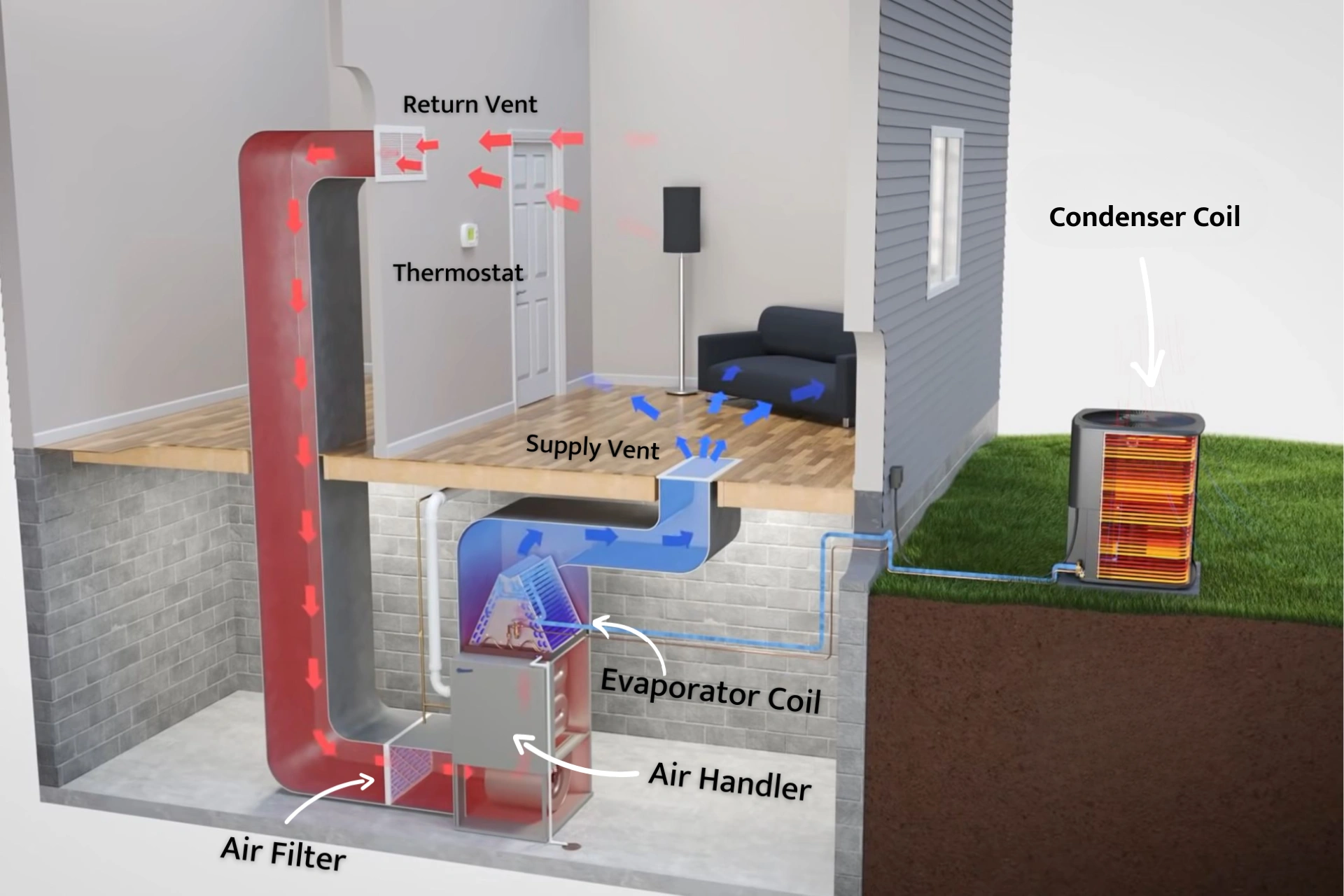
- Compressor:Pumps refrigerant through the system.
- Condenser Coil:Releases heat outside your home.
- Evaporator Coil:Absorbs heat from inside air.
- Air Handler:Moves cooled air through ducts.
- Thermostat:Controls the temperature setting.
Cooling Process
The system cools your home by moving heat from inside to outside. This process uses a special fluid called refrigerant.
| Step | What Happens |
| 1 | Warm air inside your home passes over the evaporator coil. |
| 2 | The refrigerant in the coil absorbs heat from the air. |
| 3 | The cooled air is blown back into your rooms. |
| 4 | The heated refrigerant moves to the compressor outside. |
| 5 | The compressor pumps the refrigerant to the condenser coil. |
| 6 | The condenser coil releases heat into the outside air. |
| 7 | The cooled refrigerant returns to the evaporator coil to repeat the cycle. |
Air Distribution
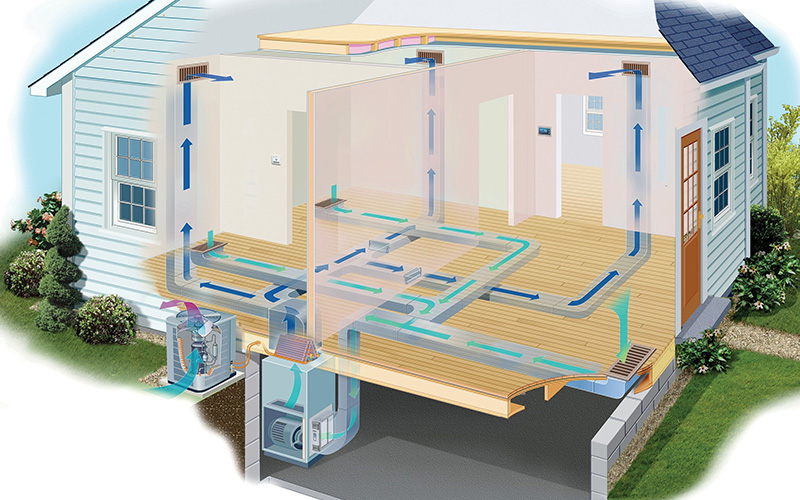
The air handler pushes cooled air through ducts to every room. It also pulls warm air back to the system to cool again.
Here is how air moves in your home:
- The air handler blows cooled air through vents.
- Warm air returns through return ducts to the air handler.
- The cycle repeats to keep air fresh and cool.
Benefits Of Central Air Conditioning
Central air conditioners cool your entire home evenly. They keep the temperature steady and comfortable. Many people prefer them for large spaces and whole-house comfort.
These systems offer more than just cool air. They improve air quality and use energy smartly. Understanding their benefits can help you decide if they fit your needs.
Energy Efficiency
Central air conditioners use less energy than many window units. They cool the whole house using one system. This lowers electricity bills and helps the environment.
- Use a single thermostat to control temperature
- Run more efficiently with modern technology
- Reduce energy waste with sealed ducts
- Allow programmable settings for better control
Improved Air Quality
Central air systems filter the air better than window units. They remove dust, pollen, and other allergens. This helps people with allergies breathe easier.
| Filter Type | Benefit |
| High-Efficiency Particulate Air (HEPA) | Traps tiny particles |
| Activated Carbon | Removes odors and gases |
| Electrostatic Filters | Captures dust and pollen |
Consistent Cooling
Central air conditioners cool every room evenly. They stop hot spots in your home. This gives a steady, comfortable temperature all day long.
Key features that ensure consistent cooling include:
- One main unit that serves the whole house
- Even air flow through ducts
- Smart thermostats that keep temperature steady
Choosing The Right System
Central air conditioners keep your home cool and comfortable. Picking the right system helps save energy and money. It also ensures the unit works well for your space.
This guide covers important points about sizing, types, and energy ratings. Use it to make a smart choice for your central AC system.
Sizing Your Unit
Choosing the right size for your air conditioner is key. A unit too small will not cool well. A unit too large will waste energy and cost more.
- Measure your home’s square footage.
- Consider insulation and window size.
- Think about the climate in your area.
- Use a sizing calculator or ask a professional.
Types Of Central Ac
There are different types of central air conditioners. Each works in a slightly different way and fits different needs.
- Split Systems:Most common, with indoor and outdoor units.
- Packaged Systems:All parts in one outdoor unit, good for small spaces.
- Ductless Mini-Splits:No ducts needed, good for homes without existing ductwork.
Energy Ratings
Energy ratings tell you how efficient a central AC unit is. Higher ratings mean lower energy use and costs.
| Rating | Meaning | Typical Range |
|---|---|---|
| SEER (Seasonal Energy Efficiency Ratio) | Measures cooling efficiency over a season | 13 to 21+ |
| ENERGY STAR | Certified high efficiency by EPA standards | Meets or exceeds 15 SEER |
Installation Considerations
Installing a central air conditioner needs careful planning. It affects your home comfort and energy use. Knowing what to expect helps make the process smoother.
This guide covers key installation topics like hiring a professional, ductwork needs, and legal permits.
Professional Vs Diy
Choosing between a professional or doing it yourself depends on skill and tools. Central AC installation is complex and requires knowledge of electrical and HVAC systems.
- Professionals have training and experience.
- They can handle wiring, refrigerant, and system setup safely.
- DIY may save money but risks mistakes and safety issues.
- Incorrect installation can reduce efficiency and cause damage.
Ductwork Requirements
Ducts carry cool air from the AC to rooms. Proper ductwork is essential for good airflow and energy savings.
| Type | Description | Considerations |
| Existing Ducts | Reuse old ducts if in good condition. | Check for leaks or damage before installation. |
| New Ducts | Install new ducts for better air flow. | Plan layout to cover all rooms evenly. |
| No Ducts | Consider ductless mini-split system instead. | Avoids duct installation but may cost more. |
Permits And Regulations
Local laws often require permits for central AC installation. These rules ensure safety and code compliance.
- Check with your city or county office before starting.
- Permits may require inspections during and after installation.
- Failing to get permits can lead to fines or forced removal.
- Licensed professionals usually handle permits for you.
Maintenance Tips
Central air conditioners need regular care to work well. Simple maintenance can keep your system cool and efficient.
Following easy steps helps prevent breakdowns and saves energy. Keep your air conditioner in top shape all year.
Filter Replacement
Replacing filters is key to good air flow and clean air. Dirty filters make your system work harder and use more energy.
Check filters every month during peak season. Change them at least every three months for best results.
- Use the correct filter size
- Choose filters with proper rating
- Mark your calendar to remember replacements
Cleaning Coils
Coils collect dust and dirt over time. Dirty coils reduce cooling power and increase costs.
Clean the evaporator and condenser coils once a year. Use a soft brush or coil cleaner for best results.
- Turn off power before cleaning coils
- Remove debris from coil surfaces
- Check for coil damage during cleaning
Regular Inspections
Inspections catch small problems before they grow. Look for leaks, strange noises, and weak airflow.
Schedule a professional checkup every year. This helps keep your system safe and efficient.
- Check refrigerant levels
- Inspect electrical connections
- Test thermostat accuracy
- Clean drain lines to prevent clogs

Credit: www.furnaceprices.ca
Common Problems And Solutions
Central air conditioners keep your home cool during hot days. Sometimes, they face issues that affect their work. Knowing common problems helps you fix them fast.
Below are some usual problems and ways to solve them. This guide helps you understand what to check and how to act.
Unusual Noises
Strange sounds from your air conditioner mean something is wrong. Noises like banging, rattling, or squealing need attention. They can come from loose parts or worn-out components.
- Banging can mean a loose fan blade or motor issue.
- Rattling often shows debris or loose screws inside.
- Squealing usually points to a worn belt or motor bearing problem.
- Hissing could signal refrigerant leaks or pressure issues.
Turn off the unit before checking noises. Tighten screws and clean debris if safe. Call a professional for motor or belt problems.
Weak Airflow
Weak airflow means less cool air in your home. This issue can make rooms uncomfortable and raise energy bills.
| Cause | Solution |
| Dirty Air Filter | Replace or clean the filter every 1-3 months |
| Blocked Vents | Clear furniture or objects blocking airflow |
| Damaged Ducts | Seal leaks and fix damaged ducts |
| Faulty Blower Motor | Hire a technician to repair or replace the motor |
Refrigerant Leaks
Refrigerant leaks reduce cooling and can harm the environment. Signs include ice on coils and warm air from vents.
- Look for oily spots on pipes or connections.
- Check for a drop in cooling performance.
- Listen for hissing sounds near the unit.
- Do not try to fix leaks yourself.
- Call a certified technician to find and repair leaks.
Energy Saving Strategies
Central air conditioners use a lot of energy. Saving energy helps lower bills and protects the planet. Small changes can make a big difference.
Here are some easy ways to use less energy with your air conditioner. Focus on your thermostat, fans, and sealing your home well.
Thermostat Settings
Setting your thermostat right saves energy. Keep it higher when you are not home. Use a programmable thermostat to adjust temperature automatically.
- Set thermostat to 78°F (26°C) when home
- Raise temperature by 7-10°F (4-6°C) when away
- Use a timer or smart thermostat to control cooling
- Avoid setting the temperature too low for quick cooling
Using Fans
Fans help cool your home without using much energy. They move air and make you feel cooler. Use fans with your air conditioner to save power.
| Fan Type | Best Use |
| Ceiling Fan | Circulates air in rooms |
| Portable Fan | Directs air to cool specific areas |
| Exhaust Fan | Removes hot air from kitchens or bathrooms |
Sealing Your Home
Sealing leaks stops cold air from escaping. It keeps hot air out. This lowers the work your air conditioner does and saves energy.
- Check windows and doors for gaps
- Use weather stripping and caulk to seal leaks
- Insulate your attic and walls properly
- Keep vents and ducts sealed and clean
Credit: northtarrantac.com
Cost Factors To Consider
Central air conditioners have many costs you should think about. These costs affect your budget and long-term savings.
Knowing these factors helps you plan better before buying or installing a system.
Initial Investment
The first cost is the price of the air conditioner unit itself. This includes the size and brand you choose.
Installation also adds to the initial cost. It covers labor and any extra parts needed for your home.
- Unit size affects price—larger units cost more
- Energy-efficient models usually cost more upfront
- Installation can vary depending on home complexity
- Extra parts like ducts or thermostats add to cost
Operating Expenses
Operating costs are the expenses to run your air conditioner. Electricity is the main part of this cost.
Regular maintenance also helps your system run smoothly and keeps costs lower over time.
- Electricity bills rise with longer use
- Energy-efficient units use less power
- Filter changes and tune-ups keep system efficient
- Some systems may need special cleaning or care
Repair Costs
Repairs happen when parts break or stop working well. These costs can vary widely.
Keeping your system well maintained can reduce how often repairs are needed.
- Common repairs include fixing leaks and replacing compressors
- Older systems may need more frequent repairs
- Warranty may cover some repair costs
- Unexpected repairs can increase yearly expenses
Credit: vernonairconditioning.com
Frequently Asked Questions
What Is A Central Air Conditioner?
A central air conditioner cools your entire home using a system of ducts. It removes heat and humidity for better comfort and air quality.
How Does Central Air Conditioning Work?
Central AC uses a compressor to circulate refrigerant. It absorbs heat from inside and releases it outdoors, cooling your home efficiently.
What Are The Benefits Of Central Air Conditioning?
Central AC provides consistent cooling throughout your home. It improves air quality, reduces humidity, and operates quietly compared to window units.
How Often Should Central Ac Be Serviced?
Service your central air conditioner at least once a year. Regular maintenance ensures efficiency, extends lifespan, and prevents costly breakdowns.
Conclusion
Understanding central air conditioners helps make better choices for your home. They offer comfort and efficiency. Regular maintenance extends their lifespan. Consider size and energy efficiency when buying. Choose the right model for your needs. It saves on energy bills.
Proper installation is crucial. It ensures the system works well. Keep filters clean for better air quality. Simple steps lead to long-lasting comfort. Make informed decisions and enjoy cool, fresh air. Your home deserves the best climate control. Stay cool and comfortable.