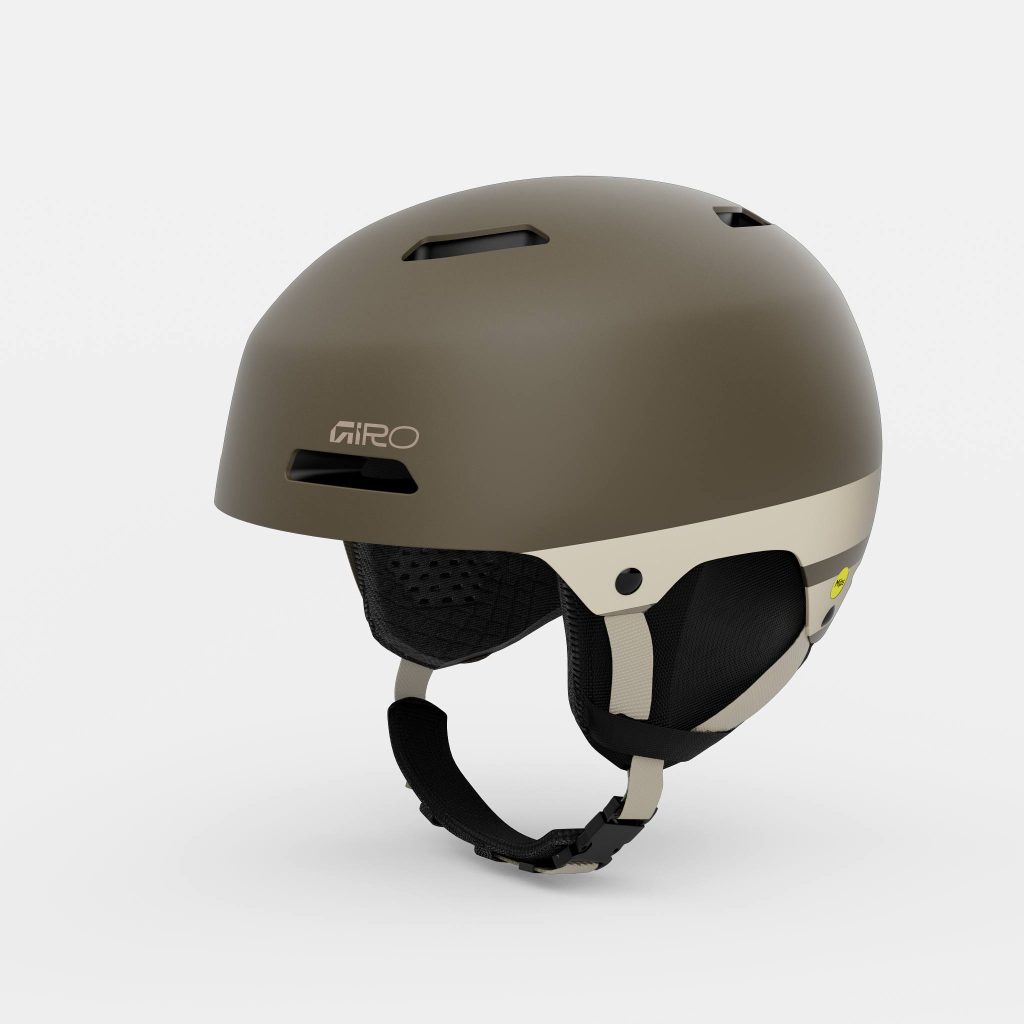
Are you wondering if your bike helmet can double as a skiing helmet? It’s a smart question because both activities need head protection, and you might want to save time or money.
But before you hit the slopes with your bike helmet, there are important things you should know. Using the wrong helmet can put your safety at risk, and that’s the last thing you want. Keep reading to discover the key differences between bike and ski helmets, and find out if your helmet really has what it takes to keep you safe on the snow.
Helmet Types For Sports
Helmets protect your head during sports activities. Different sports need different helmet types. Using the right helmet keeps you safe.
This article explains the differences between bike and ski helmets. It covers their design features to help you understand why each is unique.
Differences Between Bike And Ski Helmets
Bike and ski helmets look similar but serve different purposes. Ski helmets keep you warm and protect from cold weather. Bike helmets focus on ventilation and light weight.
- Ski helmets have insulation for cold protection.
- Bike helmets have many vents for airflow.
- Ski helmets cover more of the back and sides of the head.
- Bike helmets are designed to be lighter for long rides.
- Ski helmets often include ear covers.
Design Features Of Bike Helmets
Bike helmets focus on safety and comfort during cycling. They have special designs to keep the head cool and protected.
| Feature | Description |
| Ventilation | Many large vents allow airflow to cool the head |
| Weight | Light materials reduce fatigue during long rides |
| Shape | Compact shape fits well on the head and reduces wind resistance |
| Protection | Strong outer shell with foam inside to absorb impacts |
| Straps | Adjustable straps keep the helmet secure |
Design Features Of Ski Helmets
Ski helmets protect from cold and impacts on snowy slopes. Their design helps keep warmth and offers strong protection.
- Thicker insulation to keep the head warm
- Fewer vents to block cold air
- Ear covers for added warmth and protection
- Stronger outer shell to handle hard impacts
- Adjustable fit systems for comfort with ski goggles
Safety Standards To Consider
Using a helmet is important for safety in sports like biking and skiing. Each sport has special rules for helmets. These rules help protect your head better.
Choosing the right helmet means checking its safety certifications. These show if the helmet meets the needed protection levels for that sport.
Certifications For Bike Helmets
Bike helmets must pass tests that focus on protecting against impacts from falls or crashes. They also check how well the helmet stays on your head.
- CPSC (Consumer Product Safety Commission) – Required in the USA for bike helmets
- EN 1078 – European standard for bike helmets
- ASTM F1447 – Standard for recreational bike helmets
Certifications For Ski Helmets
Ski helmets are tested to protect against cold and high-speed impacts. They also check how well the helmet handles multiple impacts.
- ASTM F2040 – Standard for snow sports helmets in the USA
- EN 1077 – European standard for alpine skiing helmets
- CE Mark – Shows helmet meets European health and safety standards
Why Standards Matter
Standards make sure helmets protect your head well in different sports. They test how helmets handle impacts and fit.
Using a helmet without the right certification can be risky. It may not protect you properly during skiing or biking accidents.
Risks Of Using Bike Helmets For Skiing
Using a bike helmet for skiing might seem like a good idea. Both protect your head during falls. Still, they are made for different sports with different dangers.
It is important to know the risks before choosing a bike helmet for skiing. The gear may not keep you safe in cold, fast conditions on snow.
Impact Protection Differences
Bike helmets are designed to protect against impacts on hard surfaces like pavement. Ski helmets protect against impacts on snow and ice, which have different forces.
- Bike helmets use foam that crushes on one impact only.
- Ski helmets often have thicker padding for multiple impacts.
- Different tests measure impact protection for each sport.
- Bike helmets may not protect well in cold, high-speed crashes.
Temperature And Weather Resistance
Bike helmets are made for warmer weather. Ski helmets are built to handle cold, snow, and moisture.
| Feature | Bike Helmet | Ski Helmet |
| Temperature Suitability | Warm to mild | Cold and freezing |
| Ventilation | Many vents for airflow | Fewer vents to keep warmth |
| Water Resistance | Low resistance to snow | Designed to resist snow and moisture |
| Insulation | Minimal insulation | Insulated lining for warmth |
Fit And Coverage Concerns
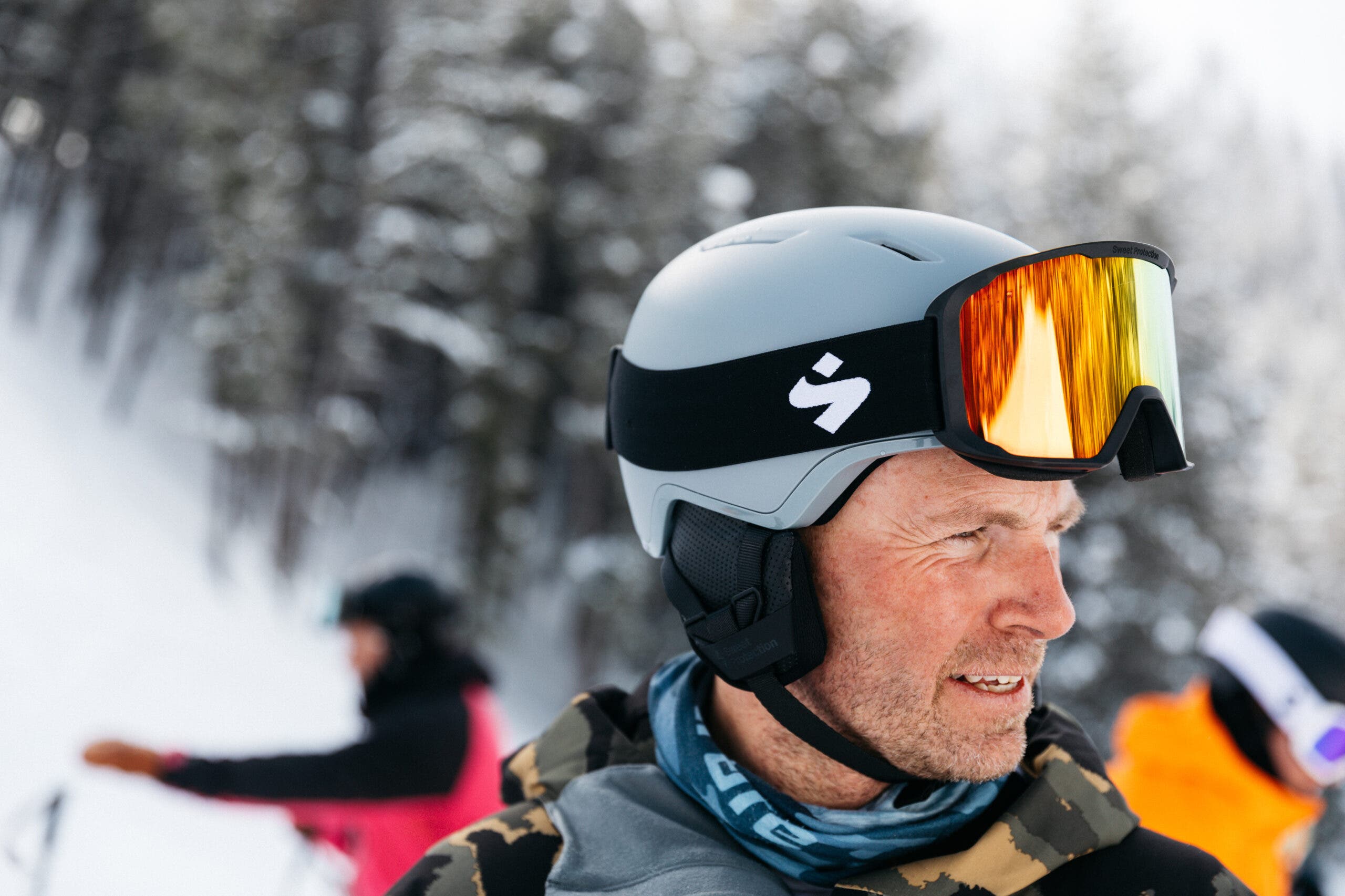
Bike helmets fit differently than ski helmets. Ski helmets cover more areas to protect against falls on snow and ice.
- Bike helmets often sit higher on the head.
- Ski helmets cover the back of the head and ears better.
- Straps and padding differ to keep helmet stable in snowy conditions.
- Improper fit can reduce protection during skiing accidents.
Credit: www.skimag.com
When Bike Helmets Might Work
Many people wonder if a bike helmet can be used for skiing. Ski helmets and bike helmets have different designs and safety standards. Still, there are some cases where a bike helmet might work for skiing.
It is important to know when a bike helmet could be okay to wear on the slopes. You should also understand its limits to stay safe.
Short, Low-risk Skiing Sessions
If you plan to ski for a short time on easy slopes, a bike helmet might be okay. Low-risk skiing means less chance of falling or hitting hard objects.
Bike helmets can provide some protection during light skiing. They are better than no helmet at all in these situations.
Emergency Situations
Sometimes you may not have a ski helmet available. In an emergency, using a bike helmet can offer some head protection. It is better to wear a bike helmet than to ski without any helmet.
Bike helmets can help reduce injury risk if you fall or hit your head during urgent ski trips.
Limitations To Keep In Mind
Bike helmets do not protect against cold and impacts the same way ski helmets do. They often lack ear coverage and insulation. Ski helmets are made for colder weather and harder impacts.
Using a bike helmet for skiing has risks. It may not meet ski safety standards. Avoid high-speed skiing or difficult slopes with a bike helmet.
Choosing The Right Ski Helmet
Choosing the right helmet is key to staying safe on the slopes. Not all helmets fit every sport or head shape. Skiing needs a helmet designed to handle cold, speed, and impact.
Many wonder if a bike helmet can work for skiing. While some parts are similar, ski helmets have special features made for winter sports. Let’s explore what to look for in a ski helmet.
Key Features To Look For
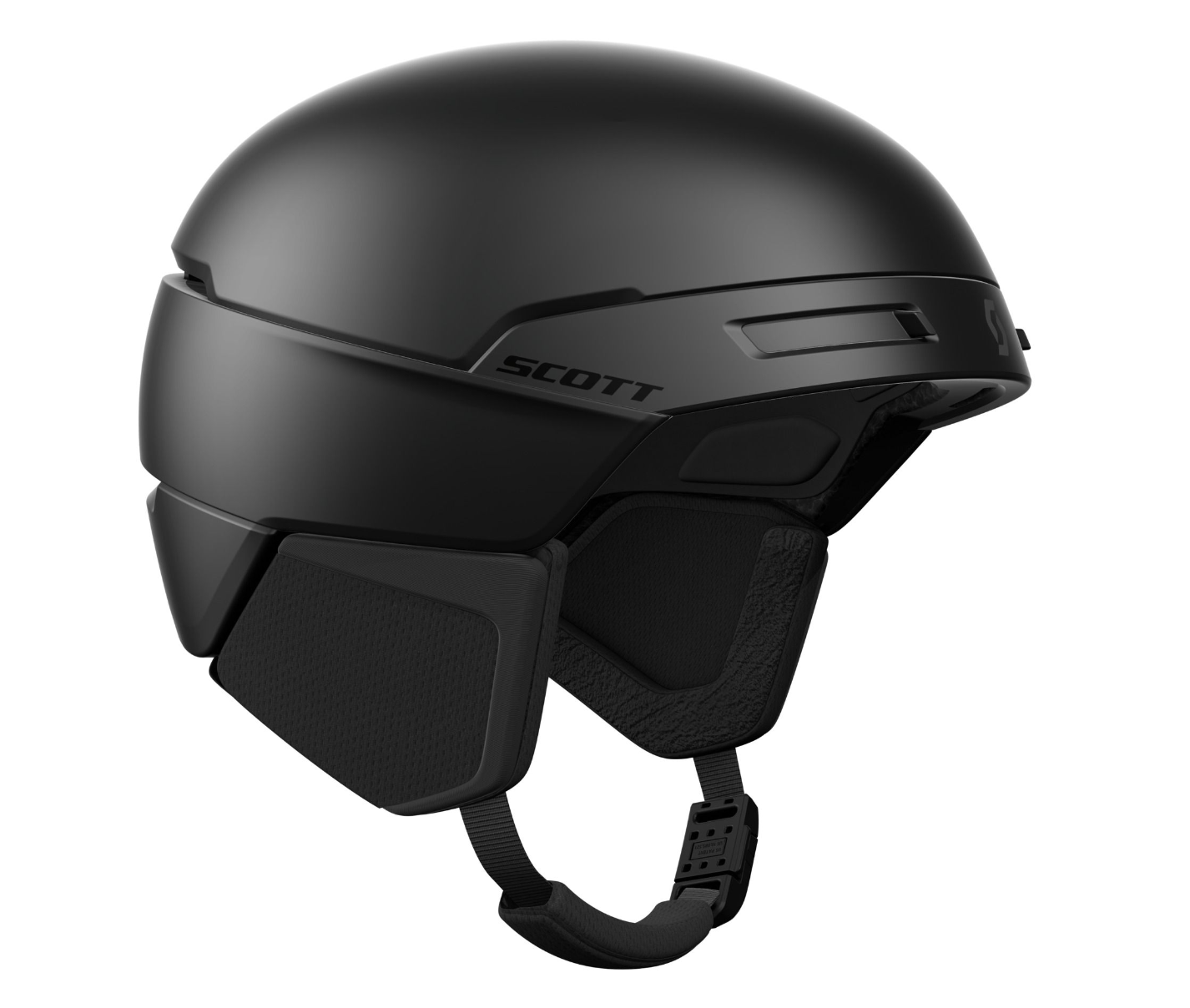
Ski helmets have features that protect against cold and hard impacts. Look for these key points when choosing a helmet for skiing:
- Hard outer shell to resist impacts and scratches
- Insulated lining to keep your head warm
- Ventilation system to control temperature
- Goggle clip or strap holder for convenience
- Certification that meets winter sport safety standards
Proper Fit And Comfort
A helmet that fits well protects better and feels more comfortable. Check the fit before buying. It should be snug but not tight. Make sure it stays in place when you move.
| Fit Aspect | What to Check |
| Size | Measure head circumference and compare to size chart |
| Straps | Adjust straps so helmet sits low on the forehead |
| Padding | Look for removable and washable liners |
| Weight | Choose a light helmet for less neck strain |
Additional Safety Enhancements
Some ski helmets come with extra safety features that add protection and comfort. Think about these when picking your helmet:
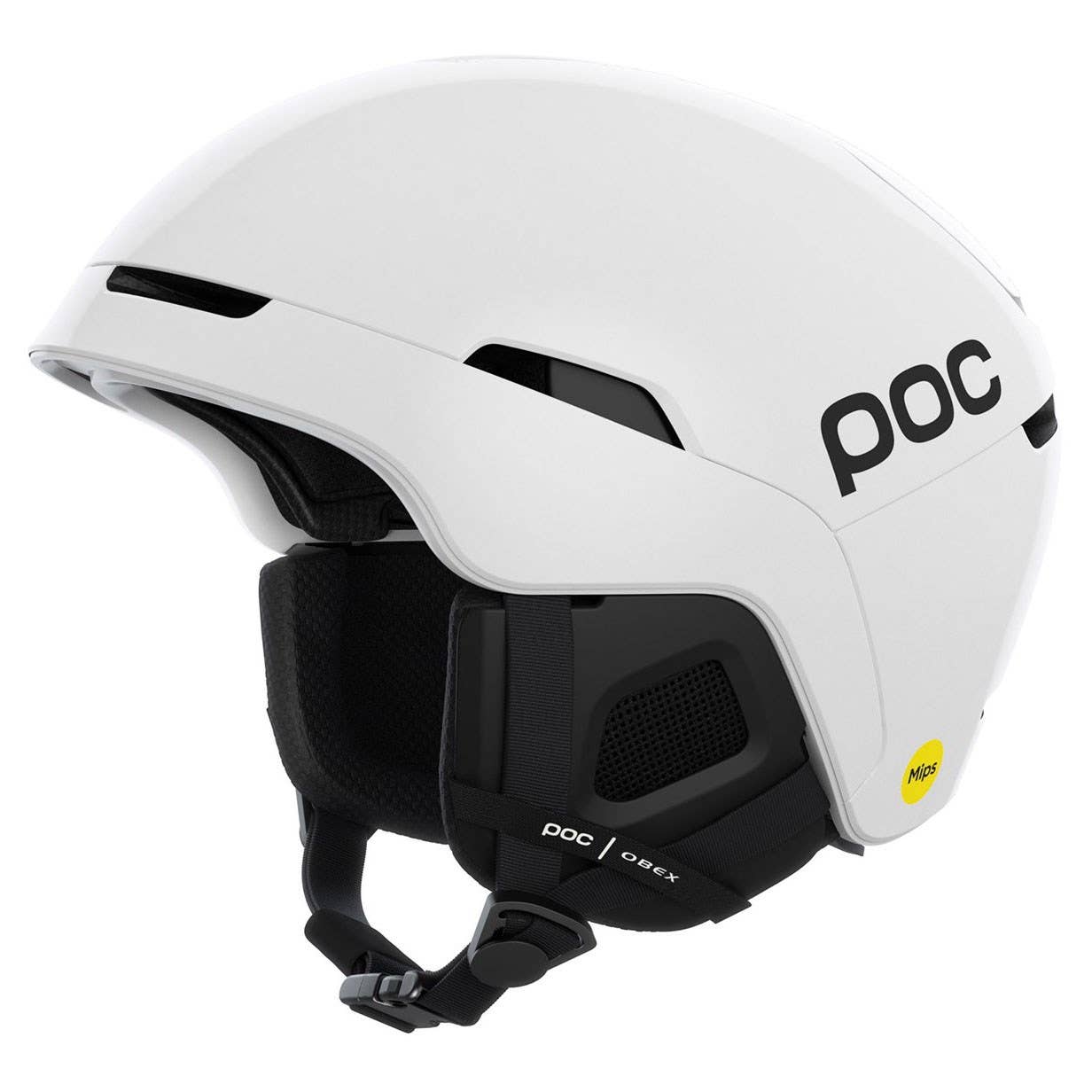
- MIPS technology to reduce rotational forces in crashes
- Adjustable ventilation to prevent fogging and overheating
- Audio system compatibility for listening to music or calls
- Reflective elements for visibility in low light
- Emergency release cheek pads for quick helmet removal
Credit: www.powder.com
Tips For Helmet Care And Maintenance
Keeping your helmet in good shape is important for safety. Proper care helps your helmet last longer. It also keeps it clean and comfortable to wear.
This guide covers cleaning, storing, and replacing your helmet. Follow these tips to protect your head on every ride or ski.
Cleaning Your Helmet
Clean your helmet regularly to remove dirt and sweat. Use mild soap and warm water. Avoid harsh chemicals that can damage the helmet’s materials.
- Remove any removable pads or liners and wash them separately.
- Use a soft cloth or sponge to wipe the shell and inner foam gently.
- Let the helmet air dry completely before using or storing.
- Never use a washing machine or dryer.
Storage Recommendations
Store your helmet in a cool, dry place. Avoid areas with direct sunlight or high heat. These can weaken the helmet’s materials.
| Storage Tip | Reason |
|---|---|
| Keep away from chemicals | Prevents material damage |
| Use a helmet bag | Protects from scratches and dust |
| Store on a flat surface | Maintains helmet shape |
| Avoid hanging by straps | Prevents strap damage |
When To Replace Your Helmet
Helmets lose protection after impact or over time. Check your helmet often for cracks or dents. Replace it immediately if you notice damage.
- Replace helmet every 3 to 5 years, even without damage.
- Replace after any hard fall or crash.
- Check manufacturer’s guidelines for specific advice.
- Replace if straps or padding are worn out.
Credit: www.powder.com
Frequently Asked Questions
Can I Wear A Bike Helmet For Skiing Safely?
Bike helmets differ from ski helmets in design and protection. They lack insulation and impact protection for snow sports. Using a bike helmet for skiing is not recommended due to safety risks and comfort issues.
What Are The Differences Between Bike And Ski Helmets?
Ski helmets provide insulation, ear coverage, and are designed for cold impacts. Bike helmets focus on ventilation and lighter impacts. These differences make ski helmets safer and more comfortable for winter sports.
Will A Bike Helmet Protect Me In A Skiing Accident?
Bike helmets protect against certain impacts but not cold weather hazards or high-speed collisions on snow. Ski helmets meet specific standards for skiing crashes, making them a better choice for protection.
Can I Use A Bike Helmet In Cold Ski Conditions?
Bike helmets lack insulation and ear protection, leading to cold discomfort and potential frostbite. Ski helmets keep your head warm and shielded from harsh winter conditions.
Conclusion
Choosing the right helmet is crucial for safety. Bike helmets and ski helmets have different designs and functions. Ski helmets provide better protection against cold and impact on slopes. Using the correct helmet reduces injury risk. Always prioritize safety while skiing.
Consult experts or professionals for best advice. Investing in a ski helmet is wise for winter sports. It offers specialized protection. Stay safe and enjoy your skiing adventures!