Is your air conditioner dripping water when it shouldn’t be? You might be wondering why this is happening and if it means there’s a bigger problem.
Water leaks from your AC can cause damage, raise your energy bills, and make your home uncomfortable. But don’t worry—you’re about to learn exactly what makes an air conditioner leak water. Understanding the reasons behind this common issue will help you fix it faster and keep your AC running smoothly.
Keep reading to find out what could be causing your unit to leak and how you can stop it before it gets worse.
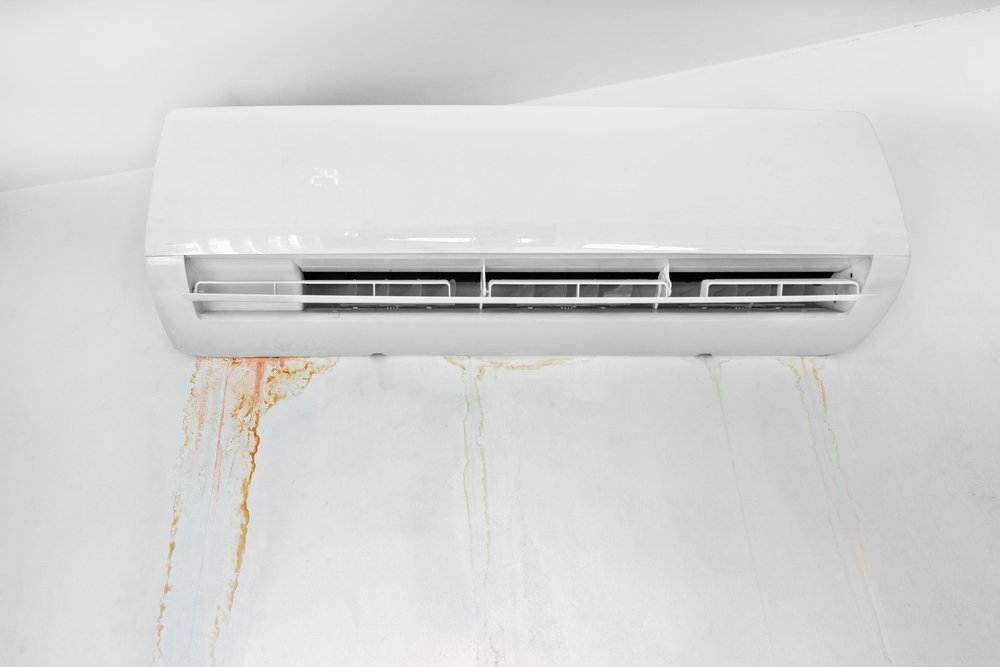
Credit: www.austingsmechanical.com
Common Causes Of Ac Water Leaks
Air conditioners sometimes leak water, which can cause damage to your home. Knowing the common causes helps you fix leaks quickly.
Water leaks happen because of problems inside the AC system. Below are the main reasons for these leaks.
Clogged Drain Line
The drain line carries water out of the air conditioner. Dirt and debris can block this line. When blocked, water builds up and leaks inside.
Regular cleaning of the drain line stops these blockages and prevents leaks.
Damaged Or Rusted Drain Pan
The drain pan collects water from the AC. Over time, the pan can rust or get damaged. This lets water drip where it should not.
Check the drain pan often to catch any cracks or rust early.
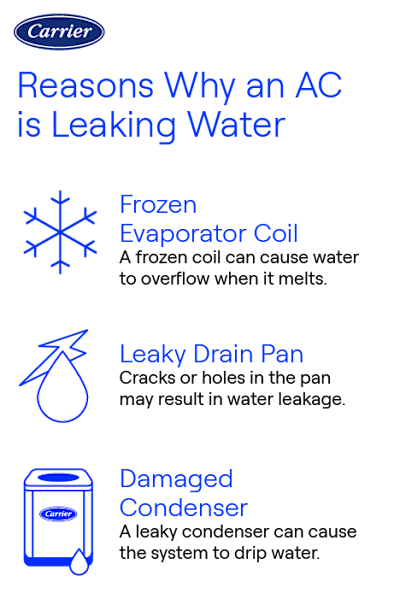
Frozen Evaporator Coil
The evaporator coil cools the air. If it freezes, melting ice turns into extra water. This water can leak from the AC unit.
Freezing happens when airflow is low or refrigerant is low. Fixing these stops the coil from freezing.
Improper Installation
If an AC is not installed right, water may not drain properly. Pipes or drains can be angled wrong. This causes water to leak inside.
Good installation ensures all parts fit and drain water correctly.
Low Refrigerant Levels
Refrigerant helps cool the air. Low refrigerant makes the evaporator coil too cold. This leads to ice build-up and water leaks when it melts.
Checking refrigerant levels and fixing leaks keeps the AC working well.
Effects Of Water Leaks On Ac Performance
Water leaks in an air conditioner can cause many problems. They affect how well the AC cools your home.
Leaks can also raise electricity bills and cause damage around the unit. It is important to understand these effects.
Reduced Cooling Efficiency
Water leaks often mean the AC is not working properly. The unit may struggle to cool the air.
When water leaks, it can block airflow or freeze parts inside the AC. This lowers the cooling power.
Increased Energy Consumption
Leaking water forces the AC to work harder to cool your space. This uses more electricity than normal.
Higher energy use leads to bigger utility bills. Fixing leaks helps save money and energy.
Potential Mold Growth
Water leaks create damp areas around the AC. These wet spots are perfect for mold to grow.
Mold can cause health problems like allergies and breathing issues. It also smells bad and spreads quickly.
Damage To Surrounding Areas
Leaking water can harm walls, floors, and furniture near the AC. Water stains and warps materials.
Over time, water damage can lead to costly repairs and weaken home structures.
How To Detect Ac Water Leaks Early
Water leaking from your air conditioner can cause damage to your home. Catching leaks early helps avoid costly repairs. Watch for signs that your AC is leaking water.
Knowing what to look for can keep your system running well and your home safe from water damage.
Signs Of Moisture Around The Unit
Check the area around your AC unit for damp spots or puddles. Moisture near the base or on nearby walls can mean a leak.
- Look for water stains on walls or floors near the unit.
- Feel for wetness on the unit’s drain pan.
- Notice any mold or mildew smells around the AC.
- Watch for dripping water or constant puddles.
Unusual Odors Or Sounds
Strange smells or noises may signal water leaks inside the AC. A musty smell often means mold due to moisture.
| Odor or Sound | Possible Cause |
| Musty smell | Mold growth from water leaks |
| Hissing or dripping noise | Water dripping or refrigerant leak |
| Gurgling sound | Clogged or leaking drain pipe |
Frequent Cycling Of The Ac
If your AC turns on and off often, it may have water issues. Leaks can cause the system to work harder and cycle frequently.
- Check for short cooling cycles that last only a few minutes.
- Listen for the compressor turning on and off repeatedly.
- Notice if the AC does not cool the room evenly.
Inspection Tips For Homeowners
Follow these tips to inspect your AC for leaks:
- Turn off the AC power before inspecting.
- Look at the drain pan under the indoor unit for cracks or rust.
- Clear the drain line with a wet/dry vacuum to remove clogs.
- Check insulation around refrigerant lines for wet spots.
- Schedule professional maintenance yearly to catch hidden leaks.

Credit: honorservices.com
Preventive Measures To Avoid Leaks
Air conditioners can leak water if they are not properly maintained. Leaks cause damage and reduce cooling efficiency.
Taking preventive steps helps keep your AC working well and stops water leaks from happening.
Regular Maintenance And Cleaning
Clean your air conditioner regularly to avoid water leaks. Dirt and dust can block parts and cause water buildup.
Check the filters and coils every month. Clean or replace filters to keep air flowing smoothly.
Checking And Clearing Drain Lines
Drain lines carry water out of the AC. If they get blocked, water can leak inside the house.
Inspect the drain lines often. Clear any clogs using a vacuum or a pipe cleaner to keep water flowing freely.
Ensuring Proper Installation
Correct installation helps prevent leaks. The AC should be level so water drains properly.
Make sure the drain pan fits well and the pipes are tight. Poor installation leads to water escape.
Monitoring Refrigerant Levels
Low refrigerant causes the coils to freeze. When ice melts, it can cause water leaks.
Check refrigerant levels regularly. Refill or fix leaks in the refrigerant system to avoid freezing.
When To Call A Professional
Water leaking from an air conditioner can cause damage and discomfort. Some leaks are easy to fix, but others need expert help.
Knowing when to call a professional can save you time and prevent more problems.
Complex Repairs And Replacements
Some air conditioner parts are hard to fix or replace. Problems with the drain pan or clogged drain lines may need special tools.
If the unit’s parts are broken or worn out, it is best to call a technician. They can properly repair or replace parts without causing more damage.
Handling Refrigerant Issues
Refrigerant leaks cause water to drip and reduce cooling. Only trained professionals should handle refrigerants.
Incorrect handling can harm the environment and your health. A technician can fix leaks and refill refrigerant safely.
Safety Concerns
Water leaks may cause electrical hazards. Wet parts can lead to shorts or fires.
Calling a professional protects you from injury and prevents further damage to your home.
Choosing The Right Technician
Find a technician with experience in air conditioner repairs. Check for licenses and good reviews.
- Ask about their training and certifications
- Look for clear pricing and service guarantees
- Choose someone who offers quick and reliable service

Credit: www.youtube.com
Frequently Asked Questions
Why Does My Air Conditioner Leak Water Inside?
Water leaks inside when the drain line clogs or the drip pan cracks. Poor insulation can also cause condensation to drip indoors.
How Can Clogged Drain Lines Cause Ac Water Leaks?
Clogged drain lines block water flow from the evaporator coil. This causes water to back up and leak inside the house.
Can Dirty Air Filters Cause An Ac To Leak Water?
Yes, dirty filters restrict airflow, causing the evaporator coil to freeze. When it melts, excess water can overflow and leak.
Is A Frozen Evaporator Coil Responsible For Water Leaks?
A frozen coil melts and creates excess water. This overflow can leak if the drain system is blocked or damaged.
Conclusion
Understanding why air conditioners leak water is crucial. Regular maintenance prevents issues. Check for clogged drains and frozen coils. Clean filters often. A little prevention goes a long way. Keep your unit efficient and leak-free. Notice any unusual signs? Address them promptly.
Professional help can ensure everything runs smoothly. A well-maintained air conditioner provides comfort. It also saves money and energy. Remember, a little care today keeps problems away. Stay cool and worry-free. Your air conditioner will thank you.