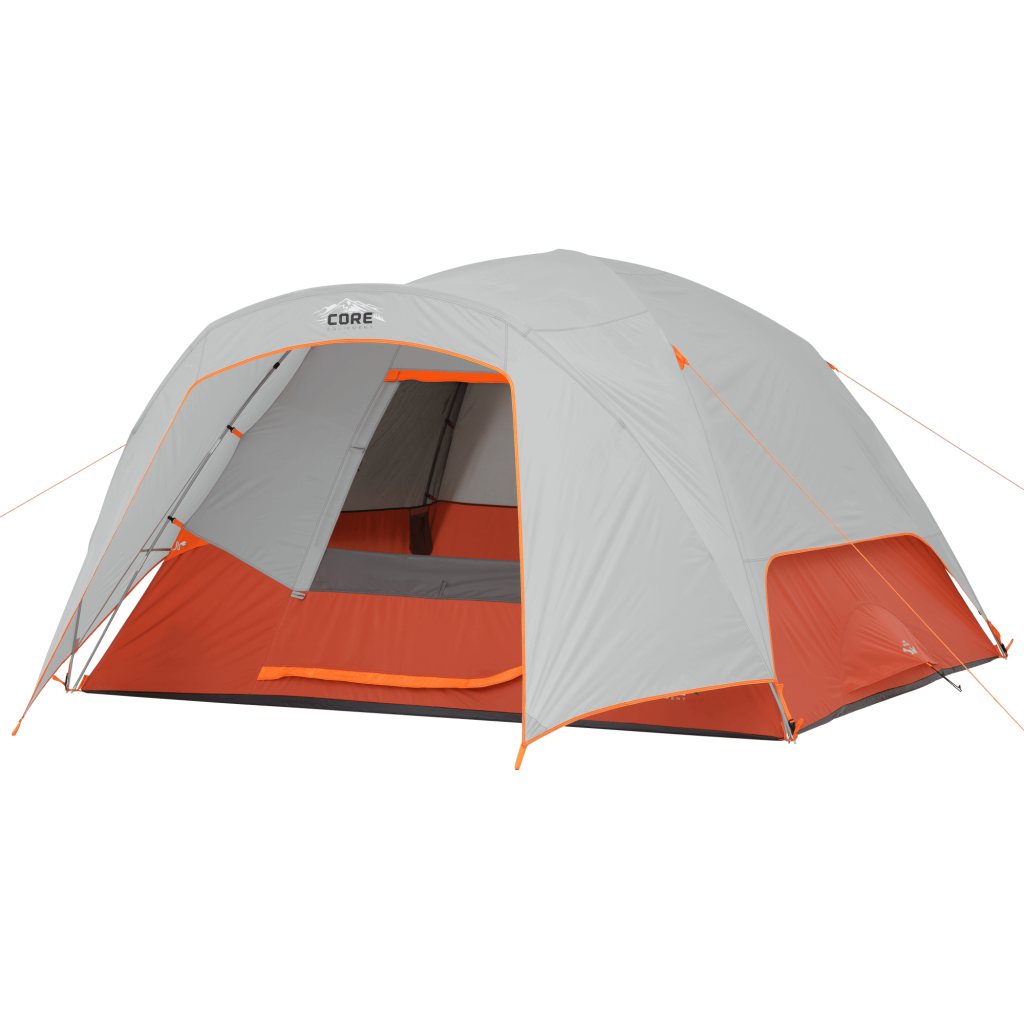
Have you ever struggled with where to store your muddy boots or gear while camping? A tent vestibule might be the simple solution you didn’t know you needed.
This small, often overlooked part of a tent can change the way you camp by giving you extra space and protection. If you want to keep your tent clean and organized, and enjoy more comfort during your outdoor trips, understanding what a tent vestibule is will make a big difference.
Keep reading to discover how this handy feature can improve your camping experience.
Tent Vestibule Basics
A tent vestibule is an extra space attached to the main tent. It acts as a small covered area outside the tent’s sleeping space.
This space helps keep gear dry and provides shelter from wind and rain before entering the tent.
Definition And Purpose
A vestibule is a porch-like area usually found at the tent’s entrance. It offers weather protection and storage space.
- Protects gear from rain and dirt
- Provides extra shelter outside the sleeping area
- Keeps tent interior cleaner and less cluttered
- Allows users to remove wet clothes or shoes
Common Designs
Vestibules come in different shapes and sizes. Some are simple awnings, while others are fully enclosed spaces.
- Awnings:Small roof extensions over the door
- Half Vestibules:Cover gear on one or two sides
- Full Vestibules:Enclosed areas with walls and doors
Materials Used
| Material | Properties | Common Use |
|---|---|---|
| Ripstop Nylon | Lightweight, durable, water-resistant | Most common for backpacking tents |
| Polyester | Strong, UV resistant, quick drying | Used in many 3-season tents |
| Silicone-coated Fabric | Highly waterproof and tear-resistant | High-end tents and vestibules |
| Polyurethane Coating | Waterproof but heavier | Budget tents and vestibules |
Benefits For Campers
A tent vestibule adds extra space and protection outside the main tent area. Campers enjoy more comfort and convenience with this feature.
This space helps campers store gear, stay dry, and keep their privacy during trips.
Extra Storage Space
A vestibule offers a covered area outside the tent to store items. This keeps the tent interior less cluttered and more comfortable.
- Store backpacks and shoes
- Keep cooking gear dry
- Protect wet clothes from the sleeping area
- Easy access to frequently used items
Weather Protection
The vestibule shields campers from rain, wind, and sun. It acts as a barrier before entering the tent.
| Weather Condition | Vestibule Benefit |
| Rain | Prevents water from entering the tent |
| Wind | Reduces wind impact on tent door |
| Sun | Provides shaded area for gear or rest |
Enhanced Privacy
A vestibule creates a small private space outside the tent’s main room. Campers can change clothes or relax without being seen.
- Use the vestibule as a changing area
- Store personal items out of sight
- Close vestibule flap when needed
Setting Up A Vestibule
A tent vestibule adds extra covered space outside your tent. It keeps gear dry and offers shade. Setting it up properly helps you enjoy your camping trip more.
Follow simple tips to attach, choose the best site, and care for your vestibule. This guide explains the key points for a good setup.
Attachment Methods
Attach the vestibule using clips, zippers, or Velcro strips. Each tent model may use one or more methods. Make sure the connection is tight to prevent wind from entering.
- Use clips to hook the vestibule to tent poles.
- Zip the vestibule to the tent door frame for a secure fit.
- Fasten Velcro strips to hold loose edges.
- Check all attachments before bad weather arrives.
Site Selection Tips
| Tip | Reason |
| Choose flat ground | Prevents water pooling under vestibule |
| Place away from strong wind | Reduces risk of damage |
| Clear debris | Protects fabric from tears |
| Orient vestibule entrance downhill | Keeps rain out |
Maintenance And Care
Keep your vestibule clean and dry. Proper care extends its life and keeps it ready for your next trip.
- Shake off dirt and leaves after use.
- Allow the vestibule to dry before packing it away.
- Store in a cool, dry place to avoid mold.
- Repair small tears quickly with patch kits.
Choosing The Right Vestibule
A tent vestibule adds extra space and protection to your shelter. It helps keep gear dry and offers a sheltered entry. Picking the right vestibule is key for comfort and convenience.
Consider your tent size, weight limits, and budget before buying a vestibule. These factors guide you to the best choice for your needs.
Size And Compatibility
Measure your tent’s door and frame before selecting a vestibule. The vestibule should fit snugly without gaps. A poor fit can let rain and wind inside.
- Check the vestibule’s dimensions against your tent’s door size.
- Look for vestibules designed for your tent model.
- Consider extra space for gear storage.
- Confirm attachment points match your tent’s design.
Weight Considerations
Choose a vestibule weight that matches your trip type. Lightweight options suit backpacking. Heavier vestibules offer more durability for car camping.
| Vestibule Type | Weight Range | Best Use |
| Ultralight | Under 1 pound | Backpacking |
| Standard | 1 to 3 pounds | Hiking and camping |
| Heavy-duty | Over 3 pounds | Car camping |
Budget Options
Vestibules come in many price ranges. Set a budget to narrow your choices. Cheaper options may use lighter fabrics or fewer features.
Here are budget tips to consider:
- Look for sales or discounts on vestibules.
- Consider used gear in good condition.
- Check if the vestibule fits your tent before buying.
- Balance cost with durability for long-term use.
Vestibules Vs. Other Shelter Additions
A tent vestibule is an extra covered space attached to the tent entrance. It offers shelter for gear or a place to sit outside the main tent area.
Other shelter additions include awnings, porches, and rain flaps. Each has different uses and designs. Understanding these helps you choose the best option for your needs.
Awnings
Awnings are extensions that provide shade or rain protection outside the tent. They often attach above the door or windows and create a covered outdoor area.
- Provide shade from sun
- Protect from light rain
- Usually open on sides
- Good for sitting or cooking outside
Porches
Porches are enclosed or semi-enclosed areas at the tent entrance. They add extra living space and protect from wind, bugs, and rain.
| Feature | Vestibule | Porch |
| Enclosed Space | Partial | Mostly enclosed |
| Purpose | Gear storage and shelter | Extra living space |
| Protection | Rain and wind shield | Better wind and bug protection |
| Size | Small to medium | Medium to large |
Rain Flaps
Rain flaps are strips of waterproof fabric along the tent edges. They stop rain from entering under the tent and keep the inside dry.
- Do not create extra space
- Focus on water protection
- Usually fixed to tent base
- Work well with vestibules or porches

Credit: www.thewarmingstore.com
Popular Tent Vestibule Brands
A tent vestibule adds extra space outside your tent. It protects gear and keeps you dry. Many brands offer quality vestibules for different tents.
Choosing a good vestibule depends on durability, size, and ease of setup. This guide covers popular brands and their features.
Top Manufacturers
Some manufacturers lead the market with reliable tent vestibules. They design vestibules to fit well and resist harsh weather.
- MSR: Known for strong, lightweight vestibules matching their tents.
- REI Co-op: Offers affordable and durable vestibules for many tents.
- Big Agnes: Focuses on easy-to-use vestibules with good ventilation.
- Hilleberg: Creates vestibules with high-quality materials for long trips.
Customer Favorites
Customers pick vestibules for comfort and protection. Here are top choices based on reviews and ratings.
| Brand | Vestibule Model | Key Feature |
| MSR | AC Vestibule | Lightweight and roomy |
| REI Co-op | Kingdom Vestibule | Easy setup with durable fabric |
| Big Agnes | Fly Creek HV Vestibule | Good ventilation and storage |
| Hilleberg | Allak Vestibule | Strong, weatherproof design |
Innovative Features
Some vestibules have unique features that improve camping comfort. These include easy attachment systems and extra storage options.
- Quick clip systems for fast setup
- Waterproof fabrics that keep gear dry
- Mesh panels for airflow and bug protection
- Extra pockets for organizing small items
- Adjustable flaps to block wind and rain
Vestibule Tips For Different Climates
A tent vestibule is a covered area outside your tent’s main door. It helps keep gear dry and offers extra space. Using a vestibule correctly changes with the weather and climate.
Here are some tips on how to use a tent vestibule in cold, hot, and rainy conditions. These ideas help you stay comfortable and protect your gear.
Cold Weather Uses
In cold weather, a vestibule blocks wind and adds warmth. It acts as a buffer zone to stop cold air from entering the tent.
- Store wet boots and gear in the vestibule to keep the tent dry.
- Use the vestibule to cook with a portable stove, but keep it ventilated.
- Place a windbreak around the vestibule to reduce chill.
- Keep a small heater outside the tent near the vestibule if safe.
Hot Weather Strategies
In hot weather, a vestibule offers shade and extra airflow. It helps keep the tent cooler by reducing direct sun on the tent door.
| Strategy | Benefit |
| Use light-colored vestibule cover | Reflects sunlight and lowers heat |
| Keep vestibule open on sides | Improves air circulation |
| Store gear under vestibule | Keeps items out of sun |
| Set up seating in vestibule | Provides shaded outdoor space |
Rainy Season Advantages
During rain, the vestibule keeps water out of the tent. It creates a dry area for gear and shoes.
Use these tips for rainy weather:
- Keep the vestibule taut to prevent water pooling.
- Store wet clothes and boots in the vestibule to avoid dampness inside.
- Use waterproof mats inside the vestibule for extra protection.
- Close the vestibule sides as much as possible to block wind-driven rain.

Credit: www.sierra.com

Credit: www.gearx.com
Frequently Asked Questions
What Is The Primary Purpose Of A Tent Vestibule?
A tent vestibule provides extra covered space outside the main tent. It protects gear from rain and dirt. It also offers a sheltered entryway, enhancing comfort and storage during camping.
How Does A Tent Vestibule Improve Camping Experience?
A tent vestibule keeps your tent interior clean and dry. It creates a barrier against weather elements. This extra space allows safe storage and a comfortable outdoor area for shoes or cooking gear.
Can All Tents Have Vestibules Attached?
Not all tents come with vestibules. Some models include built-in vestibules, while others offer detachable options. Check your tent’s design or manufacturer specifications to see if a vestibule can be added.
Are Tent Vestibules Suitable For All Weather Conditions?
Tent vestibules help in mild to moderate weather. They protect against rain, wind, and debris. However, in extreme weather, their effectiveness depends on quality and proper setup.
Conclusion
Tent vestibules are valuable for outdoor enthusiasts. They offer extra storage space. Keep gear dry and organized. A must-have for camping adventures. They enhance comfort and convenience. A little extra room makes a big difference. Choosing the right tent with a vestibule can improve your experience.
Think about your needs and preferences. Consider the size, weight, and design. A well-chosen vestibule adds value to your camping gear. Ideal for those who love the outdoors. Enjoy more organized and comfortable trips. Happy camping!