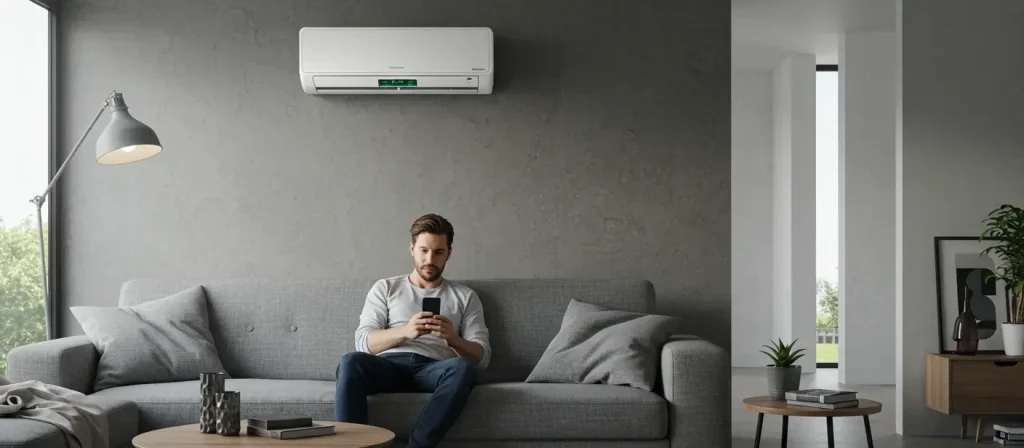
If you or someone you care about has asthma, you know how important it is to keep the air you breathe clean and comfortable. But have you ever wondered if using an air conditioner helps or harms your asthma?
You might be surprised to learn that the answer isn’t as simple as you think. You’ll discover how air conditioners can affect your breathing, what risks to watch out for, and how to use your AC in a way that supports your health.
Keep reading to find out if an air conditioner is really good for asthma—and how to make it work for you.
How Air Conditioners Affect Asthma
Air conditioners can change the air quality inside homes. They affect asthma in different ways. Some effects are helpful, while others can cause problems.
This article explains how air conditioners impact asthma symptoms and what to watch out for.
Cooling And Humidity Control
Air conditioners lower room temperature. They also reduce humidity. This helps stop mold and dust mites from growing. These allergens often worsen asthma.
Dry air can ease breathing for some people with asthma. It can make the air feel fresher and cleaner.
Air Filtration And Allergens
Many air conditioners have filters. These filters catch dust, pollen, and pet dander. Clean filters can improve air quality and reduce asthma triggers.
- Regularly clean or replace filters to keep air clean
- Avoid using old or broken units that may spread dust
- Use units with HEPA filters if possible
- Keep windows closed when the AC is running to reduce outdoor allergens
Potential Risks Of Air Conditioners
Air conditioners can also cause problems for asthma. Poor maintenance can lead to mold growth inside the unit. This mold spreads spores that trigger asthma attacks.
Cold air from the AC can irritate airways in some people. This can cause coughing or wheezing.
| Risk | How it Affects Asthma |
| Mold inside AC | Triggers allergic reactions and attacks |
| Dirty filters | Circulate dust and allergens |
| Very cold air | Can irritate airways and cause symptoms |
| Dry air | Might dry out airways and cause discomfort |
Tips For Using Air Conditioners Safely
- Clean or replace AC filters every 1-3 months
- Have the unit serviced regularly to prevent mold
- Set temperature to a comfortable level, not too cold
- Use a humidifier if the air feels too dry
- Keep rooms well ventilated when possible
Benefits Of Using Air Conditioners For Asthma
Air conditioners can help people with asthma breathe easier indoors. They improve air quality and comfort by managing temperature and air flow.
Using an air conditioner properly can reduce asthma triggers in your home. This helps lower the chance of asthma attacks and breathing problems.
Reducing Indoor Allergens
Air conditioners trap and remove dust, pollen, and pet dander from the air. This lowers the amount of allergens that can irritate asthma symptoms.
- Filters capture airborne particles
- Closed windows stop outdoor allergens from entering
- Air circulation helps prevent dust buildup
Controlling Humidity Levels
High humidity makes it harder to breathe and can worsen asthma. Air conditioners reduce moisture in the air to keep humidity at safe levels.
| Humidity Level | Effect on Asthma |
| Below 30% | Too dry, may irritate airways |
| 30% to 50% | Ideal for asthma control |
| Above 50% | Encourages mold and dust mites |
Filtering Airborne Pollutants
Air conditioners use filters that catch pollutants like smoke and chemicals. Cleaner air helps prevent asthma flare-ups and keeps lungs healthy.
- Smoke particles
- Dust and dirt
- Pet dander
- Pollen
Potential Risks Of Air Conditioners For Asthma
Air conditioners can help cool the air during hot days. But for people with asthma, they might cause some problems. It is important to know the risks.
Some air conditioners can make asthma symptoms worse. This happens if the unit is not clean or if the air becomes dry. Let’s look at the main risks.
Mold And Bacteria Growth
Air conditioners can trap moisture inside. This moisture creates a good place for mold and bacteria to grow. Breathing in these can trigger asthma attacks.
Mold spores and bacteria spread through the air when the AC runs. This can cause coughing, wheezing, and other asthma symptoms.
- Mold grows on wet filters and inside the unit
- Bacteria can multiply in stagnant water
- Dirty vents spread allergens and germs
Dry Air And Irritation
Air conditioners remove humidity from the air. Too much dryness can irritate the nose and throat. This can make asthma symptoms worse.
Dry air can also cause the airways to tighten. This makes it harder to breathe for people with asthma.
- Dry air causes itchy and dry throat
- It can lead to coughing and chest tightness
- May increase the risk of asthma flare-ups
Poor Maintenance Issues
Not cleaning or servicing an air conditioner often causes problems. Dust and dirt build up inside the unit. This makes the air dirty and can worsen asthma.
Filters and vents that are clogged reduce air quality. Poor maintenance can spread allergens and irritants in the home.
- Dirty filters trap dust and pollen
- Clogged vents reduce airflow and air quality
- Regular cleaning helps prevent asthma triggers

Credit: www.canpharm.com
Choosing The Right Air Conditioner
Air conditioners help control indoor temperature and air quality. Choosing the right type can improve comfort for asthma patients.
This guide covers suitable types, important features, and energy efficiency tips to consider.
Types Suitable For Asthma Patients
Asthma patients need air conditioners that reduce dust, allergens, and humidity. Some types work better than others.
- Split AC units with good filters prevent dust from entering.
- Window ACs with washable filters are easy to maintain.
- Portable ACs can be moved to different rooms but need regular cleaning.
- Ductless mini-split systems avoid spreading dust through vents.
Features To Look For
Choosing an air conditioner with the right features helps reduce asthma triggers indoors.
| Feature | Benefit for Asthma |
| HEPA or High-Quality Filters | Trap small particles and allergens |
| Dehumidifier Function | Controls humidity, lowering mold risk |
| Easy-to-Clean Filters | Prevents dust buildup and bacteria |
| Quiet Operation | Reduces noise stress that can trigger symptoms |
Energy Efficiency Considerations
Energy-efficient air conditioners save power and maintain steady indoor air quality.
- Look for units with ENERGY STAR certification.
- Choose models with inverter technology for stable cooling.
- Check the SEER rating; higher values mean better efficiency.
- Regular maintenance keeps the unit running efficiently.
Tips For Using Air Conditioners Safely With Asthma
Air conditioners can help people with asthma by keeping the air cool and reducing humidity. Using them safely is important to avoid problems.
Following simple tips can keep your air conditioner safe and improve air quality for asthma sufferers.
Regular Cleaning And Maintenance
Dirty air conditioners can spread dust and allergens. Clean the filters often to keep the air fresh.
Check and service your air conditioner regularly to avoid mold and bacteria growth.
- Clean or replace filters every 1-3 months
- Wipe down vents and surfaces
- Schedule professional maintenance yearly
- Keep the unit dry to prevent mold
Maintaining Proper Humidity
High humidity can make asthma worse by helping mold and dust mites grow. Air conditioners help control humidity well.
Keep indoor humidity between 30% and 50% for comfort and safety.
- Use a humidifier or dehumidifier if needed
- Check humidity levels with a hygrometer
- Avoid very dry or very damp air
Monitoring Air Quality
Good air quality helps reduce asthma symptoms. Air conditioners can filter out some allergens but not all.
Check air quality inside your home often and use extra filters or air purifiers if needed.
- Use air filters designed for allergens
- Open windows on low-pollen days
- Avoid smoke and strong smells indoors
- Keep pets clean and groomed

Credit: 1stchoiceplumbingheatingandairconditioning.com
Alternatives To Air Conditioning For Asthma Relief
Air conditioners help cool the air but can sometimes irritate asthma. Dust and mold in AC units may trigger asthma symptoms. There are other ways to keep air clean and comfortable.
These alternatives can improve air quality and reduce asthma problems. Using the right method helps you breathe easier without relying on AC.
Air Purifiers
Air purifiers clean the air by removing dust, pollen, and smoke. They use filters like HEPA to trap tiny particles that cause asthma.
Using an air purifier in your bedroom or living room can reduce allergens and improve breathing. Make sure to choose one with a true HEPA filter for best results.
- Removes allergens from the air
- Reduces asthma triggers indoors
- Works quietly without cooling the air
Natural Ventilation
Opening windows and doors lets fresh air flow inside your home. This helps reduce indoor pollution and keeps air from becoming stale.
Cross-ventilation, where air enters from one side and leaves from another, cools your home naturally. Use screens to keep bugs out while airing your rooms.
- Improves air circulation without machines
- Reduces indoor humidity and odors
- Helps control dust and allergens
Dehumidifiers
Dehumidifiers lower the moisture in the air. High humidity can cause mold and dust mites, which worsen asthma symptoms.
Using a dehumidifier keeps your home dry and less inviting for allergens. It works well in damp areas like basements or bathrooms.
- Reduces mold and dust mite growth
- Helps keep indoor air dry and clean
- Supports easier breathing for asthma sufferers

Credit: globalcoolair.com.au
Frequently Asked Questions
Can Air Conditioners Help Reduce Asthma Symptoms?
Yes, air conditioners can reduce asthma symptoms by filtering pollen, dust, and pollutants. They also lower indoor humidity, preventing mold growth, a common asthma trigger. Proper maintenance is essential to avoid mold or bacteria buildup inside the unit.
Does Air Conditioning Worsen Asthma Conditions?
Air conditioning may worsen asthma if not cleaned regularly. Dirty filters can circulate allergens and irritants. Using a clean, well-maintained air conditioner helps maintain good air quality and prevents asthma flare-ups.
How Often Should Ac Filters Be Cleaned For Asthma?
For asthma, AC filters should be cleaned or replaced every 1 to 3 months. Frequent cleaning ensures removal of dust, pollen, and other allergens, improving indoor air quality and reducing asthma triggers effectively.
Can Air Conditioners Cause Dry Air Affecting Asthma?
Yes, air conditioners can create dry indoor air, which may irritate airways in asthma patients. Using a humidifier alongside the AC can help maintain comfortable humidity levels and reduce irritation.
Conclusion
Air conditioners can help manage asthma. They reduce humidity and filter air. Clean air is crucial for asthma sufferers. Dust and allergens decrease with a good system. Regular maintenance is essential. Dirty filters can worsen symptoms. Choose the right unit for your space.
Consider energy efficiency. Asthma relief needs a holistic approach. Consult your doctor for personalized advice. Balance air conditioning with other asthma management strategies. Comfort and health go hand in hand. Stay informed and breathe easier.