Are you wondering if a window air conditioner is the right choice for keeping your space cool without driving up your energy bills? You’re not alone.
Many people ask whether these units are truly energy efficient or just a quick fix that costs more in the long run. Understanding how window air conditioners use energy can help you make smarter decisions for your comfort and your wallet.
Keep reading to discover the facts that could save you money and boost your home’s energy efficiency.

Credit: www.theelectriciansco.com
How Window Air Conditioners Work
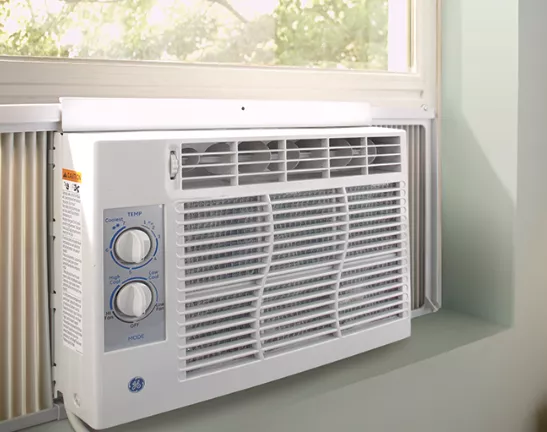
Window air conditioners cool rooms by moving heat from inside to outside. They use a simple process to keep your space comfortable.
This type of air conditioner fits into a window or wall opening. It works by pulling warm air, cooling it, and then sending the heat outside.
Basic Components Of A Window Air Conditioner
Window units have several parts that work together to cool the air effectively.
- Evaporator coil inside the room
- Condenser coil outside the room
- Compressor to move refrigerant
- Fan to blow air over coils
- Thermostat to control temperature
Cooling Process Explained
The air conditioner uses a special liquid called refrigerant. It absorbs heat from inside and moves it outside.
| Step | Action |
| 1 | Warm air from the room blows over the evaporator coil. |
| 2 | Refrigerant inside the coil absorbs the heat. |
| 3 | The compressor pumps the heated refrigerant to the condenser coil outside. |
| 4 | The heat releases into the outside air. |
| 5 | Cooled refrigerant returns to the evaporator coil to repeat the cycle. |
Air Circulation Inside The Room
The fan pushes cool air from the evaporator coil into the room. This lowers the room temperature step by step.
Window air conditioners balance cooling and ventilation. Some models also bring fresh air from outside for better airflow.
Credit: www.forbes.com
Energy Efficiency Ratings To Know
Window air conditioners use energy ratings to show how efficient they are. These ratings help you find models that save electricity and lower bills.
Understanding these ratings makes it easier to compare different units before buying.
Seer And Eer Explained
SEER stands for Seasonal Energy Efficiency Ratio. It measures cooling efficiency over a season. The higher the SEER, the less energy the unit uses.
EER means Energy Efficiency Ratio. It shows efficiency at a specific outdoor temperature. A higher EER means better performance in hot weather.
- SEER measures long-term efficiency
- EER measures efficiency at a fixed temperature
- Both ratings help compare energy use
Energy Star Certification
Energy Star is a label for efficient products. Window air conditioners with this label use less energy than standard models.
Choosing Energy Star units helps reduce electricity costs and environmental impact.
- Meets strict energy efficiency guidelines
- Reduces power use and saves money
- Supports eco-friendly choices
Comparing Window Units With Other Ac Types
Window air conditioners cool single rooms by fitting into a window space. They differ from other AC systems in size, cost, and energy use. Understanding these differences helps choose the best option for your needs.
This guide compares window units with central air conditioning and portable air conditioners. It focuses on energy efficiency and practical use.
Window Vs. Central Air Conditioning
Central air conditioning cools entire buildings by circulating cool air through ducts. It uses one large system instead of multiple small units.
| Feature | Window AC | Central AC |
|---|---|---|
| Energy Efficiency | Good for small spaces, uses less power for one room | Efficient for whole house but uses more power overall |
| Installation | Easy to install in windows | Needs professional installation and ductwork |
| Cost | Lower initial cost | Higher upfront and maintenance costs |
| Cooling Area | One room or small area | Whole house or large spaces |
| Maintenance | Simple and low cost | Requires regular professional service |
Window units use energy only for the room cooled. Central AC runs continuously to cool many rooms. This can mean higher energy bills with central systems.
Window Vs. Portable Air Conditioners
Portable air conditioners are movable and do not need window installation. They use a hose to vent hot air outside.
- Window AC:Fixed in one window, stable cooling, generally more efficient.
- Portable AC:Easy to move between rooms, less efficient due to venting hose leaks.
- Noise:Portable units can be louder because the whole unit is inside the room.
- Energy Use:Window units often use less energy to cool the same space.
Choosing between these depends on your space and energy goals. Window units usually save more energy if you want to cool a single room.
Factors Affecting Energy Efficiency
Window air conditioners use electricity to cool rooms. Their energy efficiency depends on many things. Knowing these factors helps save power and money.
Some main factors include the size of the unit, how well it is installed, and how it is maintained.
Unit Size And Room Size
Choosing the right size air conditioner for your room is key. A unit too small will work hard and waste energy. A unit too large cools too fast and uses more power.
Match the air conditioner’s cooling capacity to your room size. This keeps the unit running efficiently and saves energy.
- Small rooms need smaller units
- Large rooms need bigger units
- Check the unit’s BTU rating for size guidance
Installation Quality
How you install the window air conditioner affects its energy use. Poor installation causes air leaks and reduces cooling.
Make sure the unit fits tightly in the window. Seal gaps with weatherstripping or foam. Keep the outdoor side free from dirt and blockages.
- Seal all gaps around the unit
- Keep outdoor coils clean and clear
- Install at the right height for airflow
Maintenance Practices
Regular maintenance helps window air conditioners run smoothly and save energy. Dirty filters and coils make the unit work harder.
Clean or replace filters monthly during use. Check and clean coils and fins. Remove any dust or debris around the unit.
- Clean filters every month
- Clear dust from coils and fins
- Check for proper drainage to avoid water build-up
Tips To Maximize Efficiency
Window air conditioners can save energy if used wisely. Small changes help lower your power bills. Let’s look at ways to get the best from your unit.
Following simple tips will keep your room cool without using extra energy. It also helps your air conditioner last longer.
Proper Placement
Place your window air conditioner in a shaded spot. Avoid direct sunlight to keep it from working too hard. Make sure the unit is level and has clear airflow around it.
- Do not block the air vents
- Keep curtains or blinds closed during hot hours
- Install on a sturdy window to prevent vibrations
- Ensure outdoor part is free from dust and leaves
Using Timers And Thermostats
Timers and thermostats control when and how your air conditioner runs. Use them to cool rooms only when needed. This avoids wasting energy on empty spaces.
| Tip | Benefit |
| Set timer to turn off at night | Save energy when you sleep |
| Use thermostat to keep steady temperature | Prevent overcooling |
| Adjust settings based on room use | Cool only occupied areas |
Sealing And Insulating
Seal gaps around your air conditioner to stop cool air from escaping. Add insulation to windows and walls to keep heat out. This lowers the load on your AC.
- Use weatherstripping or foam sealant around the unit
- Install insulating curtains or blinds
- Check for cracks in window frames and walls
- Close doors and windows in cooled rooms
Common Myths About Window Acs
Many people have wrong ideas about window air conditioners. These myths often stop people from choosing them. It is important to know the facts about their energy efficiency.
This article clears up some common myths. Learning the truth helps you make smart choices for cooling your home.
Myth 1: Window Acs Use Too Much Electricity
Some think window air conditioners waste a lot of energy. Actually, many models are designed to use electricity efficiently. They cool small rooms well without raising your electric bill too much.
Myth 2: Window Acs Are Noisy
People say window ACs make loud noises. Modern units have improved technology that reduces noise. You may hear a soft hum, but it is not very disturbing.
Myth 3: Window Acs Do Not Cool Rooms Evenly
Many believe these units cool only the area near the window. A well-placed window AC can spread cool air throughout a small room. Fans can help distribute air more evenly.
Myth 4: Window Acs Are Hard To Install
Some worry that installing a window AC is difficult. Most units come with clear instructions and mounting kits. You can install them yourself or hire a technician for quick setup.
Myth 5: Window Acs Are Not Energy Efficient
This myth is very common but not true. Many window AC models have high energy efficiency ratings. Look for units with ENERGY STAR labels to save power and money.
- Energy efficiency depends on the model and size.
- Proper sealing around the unit prevents air leaks.
- Regular cleaning keeps the AC running efficiently.
- Use timers or thermostats to control cooling time.

Credit: www.amazon.ca
Frequently Asked Questions
Are Window Air Conditioners Energy Efficient Compared To Central Ac?
Window air conditioners are generally more energy efficient for cooling single rooms. They use less power than central ACs, which cool entire homes. However, efficiency varies by model and size, so choosing an ENERGY STAR rated unit is best for energy savings.
How Does Energy Efficiency Of Window Acs Affect Electricity Bills?
Energy-efficient window ACs consume less electricity, lowering your energy bills. Using a unit with a high Seasonal Energy Efficiency Ratio (SEER) ensures better performance. Proper maintenance, like cleaning filters, also improves efficiency and reduces costs.
What Features Improve A Window Air Conditioner’s Energy Efficiency?
Features like ENERGY STAR certification, programmable thermostats, and energy-saving modes enhance efficiency. Proper sizing for your room prevents overworking the unit. Additionally, insulated window seals reduce air leaks, helping the AC cool more effectively.
Can Window Air Conditioners Save Energy In Small Spaces?
Yes, window air conditioners are ideal for small spaces. They cool only the room they are in, avoiding wasted energy on unoccupied areas. This targeted cooling helps save energy and reduces overall electricity consumption.
Conclusion
Choosing an energy-efficient window air conditioner saves money and the planet. These units work efficiently with careful use. Proper maintenance ensures longer life and better performance. Regular cleaning and filter checks are essential. Investing in a modern model can reduce energy bills.
Look for the Energy Star label for assurance. These units offer comfort without high energy costs. They fit well in different spaces, providing cool air when needed. With smart use and care, window air conditioners remain a wise choice. Enjoy a cooler home while being kind to your wallet and the environment.