When you shop for an air conditioner, you might see the term “BTU” and wonder what it really means. Understanding BTU is key to choosing the right air conditioner for your space.
If you pick a unit with too few BTUs, your room won’t cool properly. Too many, and you’ll waste energy and money. This article will help you unlock the meaning of BTU and show you how it affects your comfort and your wallet.
Keep reading to make sure you get the perfect air conditioner for your needs.
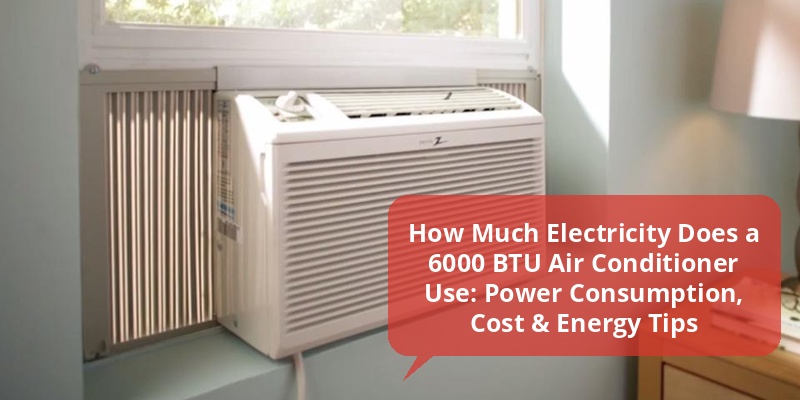
Credit: northnjhvac.com
Btu Basics
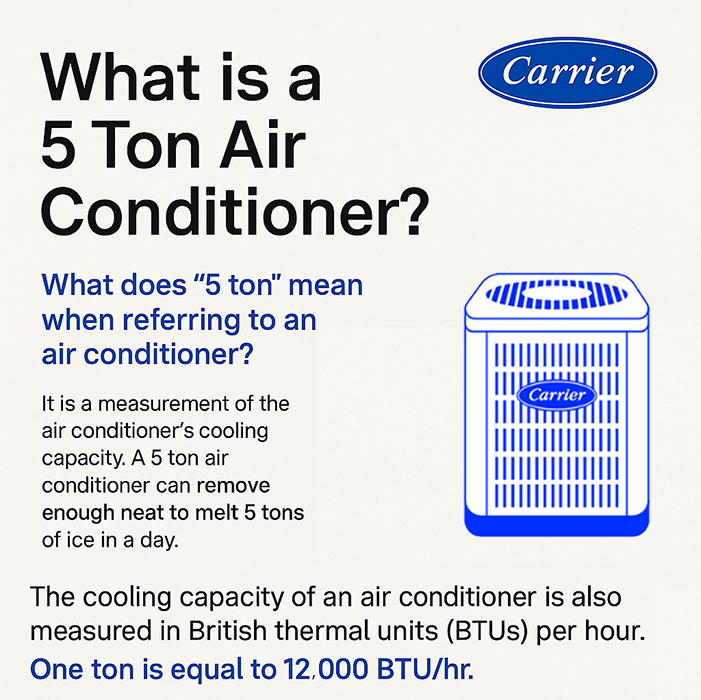
BTU stands for British Thermal Unit. It measures energy, especially heat. This unit helps us understand air conditioner power.
Knowing about BTU helps you pick the right air conditioner. It shows how much heat the unit can remove from a room.
What Btu Measures
BTU measures the amount of heat energy needed to raise one pound of water by one degree Fahrenheit. For air conditioners, it shows how much heat the unit can remove from the air.
- BTU measures heat energy
- It shows cooling capacity of air conditioners
- Higher BTU means more cooling power
- Helps match air conditioner size to room size
Btu And Cooling Power
BTU number tells you how strong an air conditioner is. It shows how much heat the AC removes from a room in one hour.
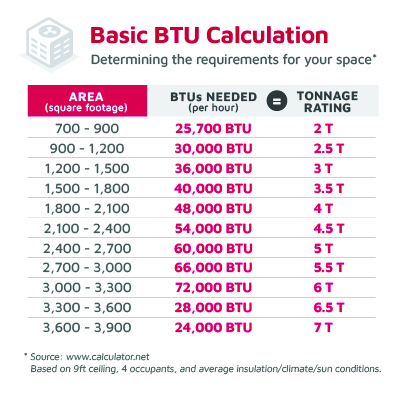
| BTU Rating | Recommended Room Size (Square Feet) |
| 5,000 | 100 to 150 |
| 8,000 | 150 to 250 |
| 10,000 | 250 to 350 |
| 12,000 | 350 to 450 |
| 14,000 | 450 to 550 |
Credit: www.carrier.com
Choosing The Right Btu
BTU stands for British Thermal Unit. It measures the cooling power of an air conditioner.
Choosing the right BTU helps keep a room comfortable and saves energy.
Room Size And Btu Needs
Room size is the main factor to decide the BTU needed. Bigger rooms need more cooling power.
| Room Size (sq ft) | Recommended BTU |
| 100 – 300 | 5,000 – 6,000 |
| 300 – 500 | 7,000 – 8,000 |
| 500 – 800 | 10,000 – 12,000 |
| 800 – 1,200 | 14,000 – 18,000 |
| 1,200 – 1,500 | 20,000 – 22,000 |
Factors Affecting Btu Requirements
Other things affect how many BTUs you need. These include sunlight, number of people, and appliances.
- Direct sunlight warms the room and needs more BTUs.
- More people generate heat, raising BTU needs.
- Appliances like computers or ovens add heat to the space.
- High ceilings increase the volume to cool.
- Good insulation lowers the BTU needed.
Btu And Energy Efficiency
BTU stands for British Thermal Unit. It measures how much heat an air conditioner can remove from a room. The higher the BTU, the more powerful the air conditioner is.
Energy efficiency shows how well an air conditioner uses electricity. A unit with good energy efficiency cools the room without using too much power.
Btu Vs. Energy Consumption
BTU tells you the cooling power, not the energy used. A high BTU means more cooling but can use more electricity. Small rooms need fewer BTUs to save energy.
Choosing the right BTU size helps reduce energy bills. Too big or too small units waste power. Proper BTU size cools efficiently without extra energy use.
Energy Star Ratings And Btu
Energy Star is a label for energy-efficient products. Air conditioners with this label use less electricity for the same BTU rating. This helps lower energy bills.
Look for the Energy Star rating when buying an air conditioner. It shows the unit meets strict energy efficiency rules. This helps save money and protect the environment.
Credit: www.herzindagi.com
Common Btu Ratings For Ac Units
BTU stands for British Thermal Unit. It measures an air conditioner’s cooling power. Different rooms need different BTU ratings to cool well.
Choosing the right BTU helps save energy and keeps your room comfortable. Below are common BTU sizes for various room types.
Small Room Units
Small rooms need air conditioners with lower BTU ratings. These units cool spaces like bedrooms or small offices effectively.
- 5,000 to 6,000 BTU for rooms up to 150 square feet
- 7,000 to 8,000 BTU for rooms between 150 and 250 square feet
- Units in this range use less energy and fit well in compact spaces
Medium And Large Room Units
Medium and large rooms need more powerful units. These air conditioners handle bigger spaces to maintain cool air.
| Room Size | BTU Range |
|---|---|
| 250 to 350 square feet | 9,000 to 10,000 BTU |
| 350 to 450 square feet | 11,000 to 12,000 BTU |
| 450 to 550 square feet | 13,000 to 15,000 BTU |
Impact Of Incorrect Btu Size
BTU stands for British Thermal Unit. It measures how much heat an air conditioner can remove from a room. Choosing the right BTU size is very important. If the BTU is not correct, the air conditioner will not work well.
This article explains what happens if the BTU size is too low or too high. Understanding these effects can help you pick the right air conditioner for your space.
Too Low Btu Effects
An air conditioner with too low BTU cannot cool your room properly. It will run longer and use more energy. The room stays warm and uncomfortable.
- The air conditioner runs nonstop but the room stays hot.
- High electricity bills due to constant running.
- More wear and tear on the unit, causing breakdowns.
- Humidity levels stay high, making the air feel sticky.
Too High Btu Effects
An air conditioner with too high BTU cools the room too fast. It turns on and off many times. This short cycling can cause problems.
| Issue | Explanation |
| Short Cycling | Turns on and off too often, wasting energy |
| Uneven Cooling | Room feels cold in some spots and warm in others |
| High Humidity | Does not run long enough to remove moisture properly |
| Wear on Parts | Frequent starts shorten air conditioner life |
Btu And Ac Maintenance
BTU means British Thermal Unit. It measures how much heat an air conditioner can remove. The higher the BTU, the more cooling power the AC has.
Knowing your AC’s BTU helps keep your home comfortable. Proper maintenance keeps your AC running efficiently and saves energy.
Maintaining Cooling Efficiency
Regular care keeps your air conditioner working well. Clean filters and coils help the AC cool better and use less power.
- Replace or clean air filters every month or two.
- Clear debris from around the outdoor unit.
- Check the coolant level and refill if needed.
- Inspect and clean the evaporator and condenser coils.
- Keep vents open and unblocked inside your home.
When To Upgrade Your Ac Unit
Older AC units may lose cooling power and use more energy. Watch for signs that your BTU rating no longer meets your needs.
| Sign | Reason to Upgrade |
| Frequent repairs | Costly to fix often |
| High energy bills | Unit uses more power than before |
| Poor cooling | BTU rating too low for your space |
| Old age | Units over 10-15 years lose efficiency |
Frequently Asked Questions
What Does Btu Mean On An Air Conditioner?
BTU stands for British Thermal Unit. It measures the cooling power of an air conditioner. Higher BTUs mean more cooling capacity.
How Does Btu Affect Air Conditioner Performance?
BTU determines how much heat an AC can remove per hour. Correct BTU ensures efficient cooling without wasting energy.
What Btu Size Is Right For My Room?
Choose BTU based on room size. Small rooms need 5,000-8,000 BTU. Larger rooms require 10,000-14,000 BTU for effective cooling.
Can Wrong Btu Size Harm My Air Conditioner?
Yes. Too low BTU cools inefficiently. Too high BTU causes short cycling, wasting energy and reducing comfort.
Conclusion
Understanding BTU helps in choosing the right air conditioner. It measures cooling power effectively. A higher BTU means more cooling capacity. Balance is key. Too high or too low BTU can affect efficiency. Consider room size and insulation. These factors impact your choice.
Always check BTU before purchasing. This ensures comfort and energy efficiency. With this knowledge, make an informed decision. Enjoy a cooler, comfortable home.