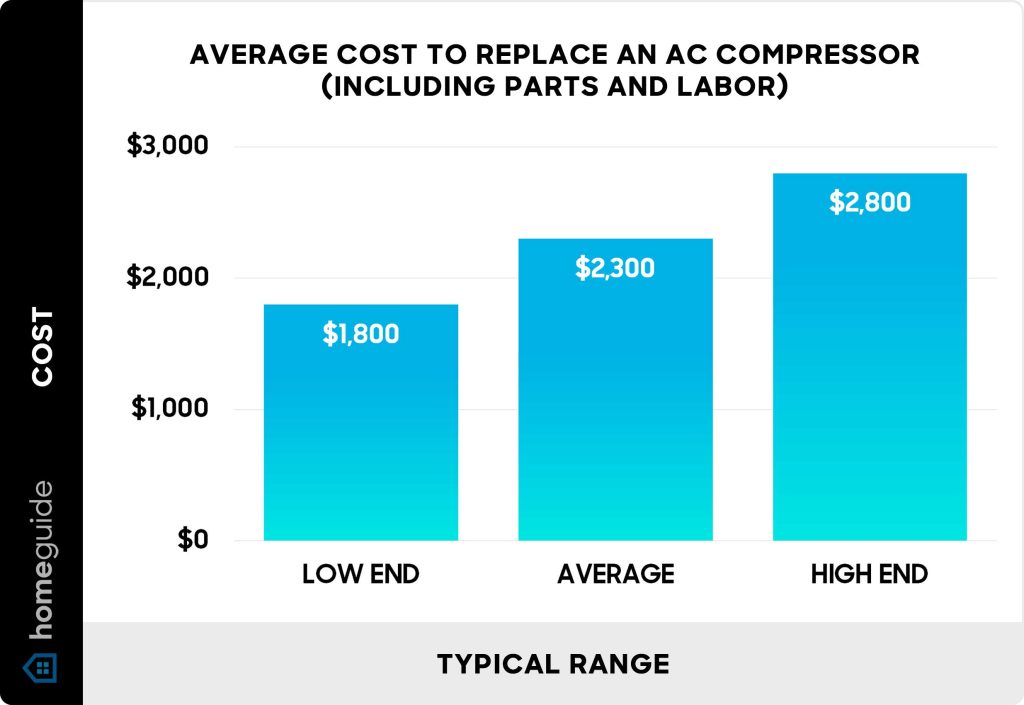
Are you wondering how much it will cost to replace your air conditioner? Whether your old unit is breaking down or you want a more energy-efficient model, knowing the price beforehand can save you from surprises.
Replacing an air conditioner isn’t just about the upfront cost—it affects your comfort, energy bills, and even your home’s value. You’ll discover the real expenses behind a new air conditioner, what factors influence the price, and how to get the best deal for your budget.
Keep reading to make a smart choice that keeps you cool without burning a hole in your wallet.
Factors Affecting Ac Replacement Cost
Replacing an air conditioner involves many cost factors. Understanding these can help you plan your budget well.
Costs vary based on the unit, installation, and other important details. Let’s explore what affects the price.
Unit Size And Capacity
The size of the air conditioner affects how much it costs. Bigger units cool larger areas but cost more.
Capacity is measured in tons or BTUs. Choosing the right capacity prevents higher energy bills and system strain.
Type Of Air Conditioner
There are different types of AC units. Each type has a different price range and installation needs.
- Central Air Conditioners
- Window Units
- Split Systems
- Portable Air Conditioners
Energy Efficiency Ratings
Energy-efficient models cost more upfront but save money on electricity. Ratings like SEER show efficiency.
| Rating Type | Meaning | Cost Effect |
| SEER | Seasonal Energy Efficiency Ratio | Higher rating means higher price |
| EER | Energy Efficiency Ratio | Better efficiency adds to cost |
| Energy Star | Certified Efficient | May have rebates but higher initial cost |
Installation Complexity
Installing an AC can be simple or complex. Factors like ductwork and electrical upgrades affect labor costs.
Complex installations take more time and require more skills, increasing the overall price.
Location And Climate
Where you live affects AC costs. Hotter areas may need stronger units and more frequent servicing.
Costs may increase due to:
- Local labor rates
- Permit fees
- Climate demands on the AC unit
- Accessibility of your home
Additional Features And Upgrades
Extra features raise the cost. Options like smart thermostats, air purifiers, and noise reduction add value.
- Wi-Fi controlled thermostats
- Advanced air filtration
- Variable speed compressors
- Extended warranties
Average Price Ranges In 2025
Replacing an air conditioner can vary widely in cost. The type and size of the unit affect the price. This guide shows average costs for 2025.
We cover central air conditioners, ductless mini-splits, window units, and portable air conditioners. Each has different price ranges and factors.
Central Air Conditioner Costs
Central air conditioners are common in many homes. They cool the entire house through ducts. Prices depend on unit size and installation complexity.
| Unit Size (Tons) | Price Range (Including Installation) |
| 1.5 | $3,000 – $4,000 |
| 2.0 | $3,500 – $5,000 |
| 2.5 | $4,000 – $6,000 |
| 3.0 | $4,500 – $7,000 |
Ductless Mini-split Prices
Ductless mini-splits cool individual rooms. They do not need ductwork. Installation costs are usually lower than central systems.
- Single-zone systems: $2,000 – $3,500
- Multi-zone systems: $4,000 – $8,000
- Installation is easier and faster
- Energy efficiency can reduce bills
Window Unit Expenses
Window air conditioners are affordable and easy to install. They cool one room at a time. Prices depend on cooling power and brand.
| Cooling Capacity (BTU) | Price Range |
| 5,000 – 6,000 | $150 – $300 |
| 8,000 – 10,000 | $250 – $400 |
| 12,000 – 14,000 | $350 – $600 |
Portable Air Conditioner Costs
Portable air conditioners are movable units that cool small spaces. They require no installation. Prices vary by size and features.
- Small units: $200 – $400
- Medium units: $400 – $600
- Large units: $600 – $900
- Good for temporary or rental use
Installation Cost Breakdown
Replacing an air conditioner involves several cost factors. These costs depend on the work required during installation.
Understanding each part helps you plan your budget better. Here is a breakdown of the main cost areas.
Labor Charges
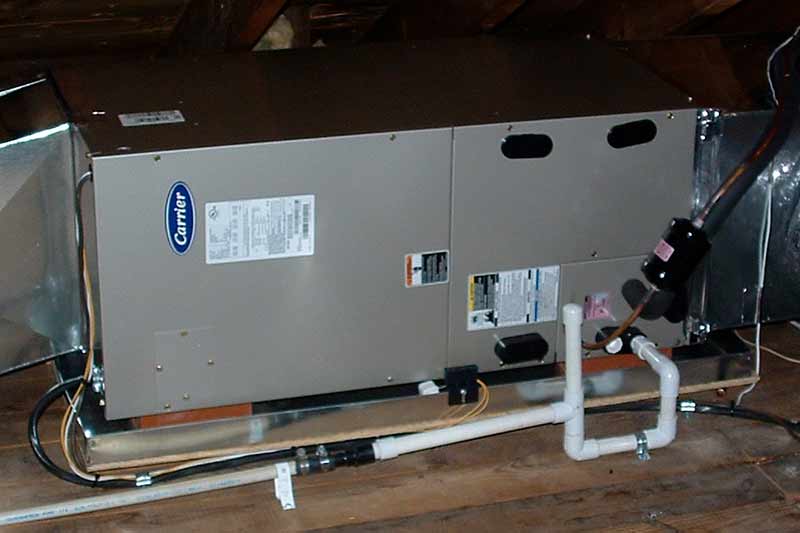
Labor charges cover the work done by technicians. This includes removing the old unit and fitting the new one.
- Hourly rates vary by location and company
- Typical labor time ranges from 4 to 8 hours
- Complex installations may cost more
Ductwork Modifications
Modifying or adding ductwork may be needed for a proper fit. This work increases the installation cost.
| Type of Work | Estimated Cost |
| Minor duct repairs | $200 – $500 |
| Adding new ducts | $500 – $1,500 |
| Full duct replacement | $1,000 – $3,000 |
Electrical Work
Electrical upgrades may be required for new AC units. A licensed electrician handles wiring and connections.
- Install new circuit breakers
- Update wiring to meet safety codes
- Add disconnect switches near the unit
Permits And Inspections
Permits ensure the work meets local rules. Inspections confirm the installation is safe and correct.
Permit and inspection costs vary:
- Permit fees: $50 – $200
- Inspection fees: $100 – $300
These fees depend on your city or county regulations.
Credit: homeguide.com
Hidden And Extra Expenses
Replacing an air conditioner costs more than just the unit price. Many hidden and extra expenses add up during the process.
Knowing these costs helps you plan your budget better. This guide covers common extra expenses to expect.
Old Unit Removal
Removing your old air conditioner may require extra fees. This depends on the size and location of the unit.
- Labor charges for disconnecting and detaching the old unit
- Possible need for special equipment for hard-to-reach units
- Time taken to remove and prepare the area for installation
Disposal Fees
Disposing of your old air conditioner often costs extra. Some units contain harmful materials that require special handling.
| Disposal Type | Possible Cost Range |
|---|---|
| Standard unit disposal | $20 – $50 |
| Refrigerant removal and recycling | $50 – $150 |
| Hazardous waste fees | $100 – $200 |
Warranty And Maintenance Plans
New air conditioners often come with optional warranty or maintenance plans. These add to the initial cost but protect your investment.
- Extended warranty coverage for parts and labor
- Regular maintenance visits to keep the unit efficient
- Priority service in case of breakdowns
Unexpected Repairs
Sometimes, repairs are needed during installation. These costs are hard to predict but can increase your total price.
Common unexpected repairs include:
- Fixing damaged ductwork
- Replacing old wiring
- Upgrading the electrical panel
It is wise to set aside extra funds for these possible repairs.
Tips To Save On Ac Replacement
Replacing an air conditioner can be costly. You can save money by planning ahead. Knowing some tips helps reduce the overall cost.
This guide covers ways to save on AC replacement. It includes discounts, rebates, contractor choices, and installation options.
Seasonal Discounts And Promotions
Many companies offer discounts during certain times of the year. Buying your AC in the off-season can lower the price. Look for holiday sales or end-of-summer deals.
Promotions may include free installation or reduced labor fees. Check local retailers and HVAC companies regularly for offers.
- Shop in fall or winter for lower prices
- Watch for holiday or clearance sales
- Ask about package deals or free services
Energy-efficient Rebates
Many utility companies give rebates for energy-saving AC units. These rebates reduce the upfront cost. Choose a unit with a high SEER rating to qualify.
Check your local energy providers for rebate programs. Applying for rebates can cut hundreds off your bill.
- Look for ENERGY STAR certified units
- Contact your utility company for rebate details
- Submit rebate forms promptly after purchase
Choosing The Right Contractor
Picking the right contractor saves money and prevents problems. Get multiple quotes to compare prices. Check reviews and licenses before hiring.
A skilled contractor installs the unit correctly. This avoids future repair costs. Ask for warranties on parts and labor.
- Request at least three quotes
- Check contractor credentials and reviews
- Confirm warranty coverage
Diy Vs Professional Installation
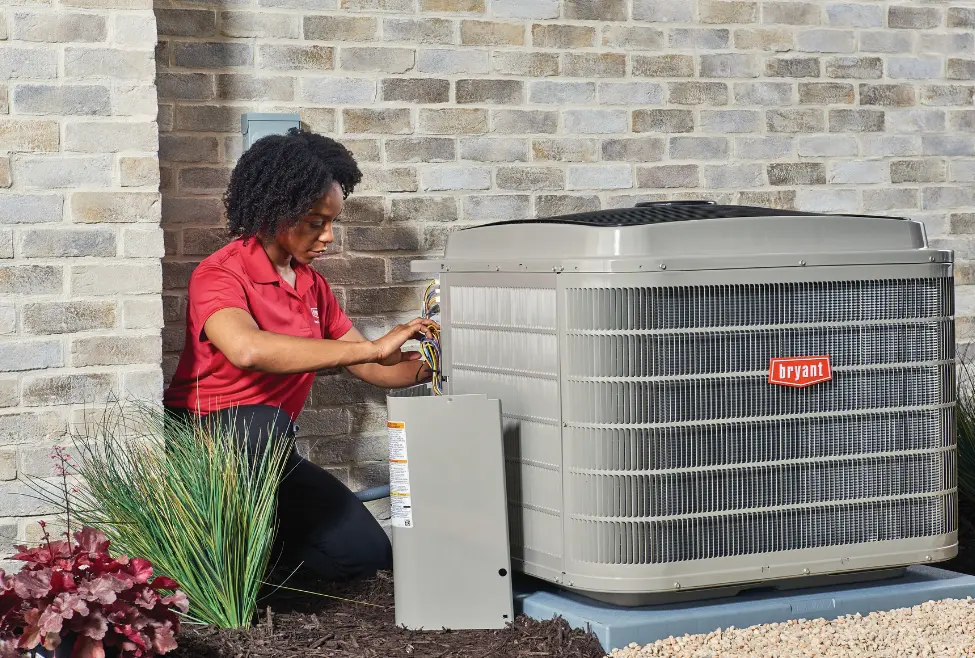
Installing an AC yourself might seem cheaper. But mistakes can cause damage and higher costs later. Professionals have the tools and experience to install safely.
Consider your skills before deciding. A professional installation usually saves money in the long run by avoiding errors.
- DIY saves labor costs but risks errors
- Professional installation ensures safety and warranty
- Check local laws for licensing requirements
Credit: www.lochardplumbingheatingandcooling.com
When To Replace Vs Repair
Deciding whether to replace or repair your air conditioner depends on many factors. Understanding these can save you money and keep your home comfortable.
This guide helps you spot signs of AC failure and compare costs to make the right choice.
Signs Of Ac Failure
Knowing the warning signs helps you act before your AC stops working completely.
- Strange noises like rattling or buzzing
- Weak or no cool air coming from vents
- Higher energy bills without more usage
- Frequent need to turn the system on and off
- Water leaks around the unit
Cost Comparison Analysis
| Option | Average Cost | Expected Lifespan | Energy Efficiency |
| Repair | $150 – $600 | 1 – 3 years | Lower |
| Replacement | $3,000 – $7,000 | 10 – 15 years | Higher |
Repair may cost less now but replacement saves money long term with better efficiency and fewer repairs.
Long-term Benefits Of Replacement
Replacing your AC offers benefits that go beyond just cooling your home.
- Lower monthly energy bills
- Improved air quality with newer filters
- Fewer breakdowns and repair calls
- Warranty coverage for parts and labor
- Better control with modern thermostats

Credit: www.nerdwallet.com
Frequently Asked Questions
How Much Does Air Conditioner Replacement Cost?
The cost to replace an air conditioner typically ranges between $3,000 to $7,000. This includes the unit and installation fees. Prices can vary based on the system’s size, efficiency, and brand. Always get multiple quotes from licensed contractors to ensure a fair price.
What Factors Influence Ac Replacement Cost?
Several factors affect the cost, including the AC unit’s size, brand, and efficiency. Installation complexity and regional labor rates also play a role. Additionally, any necessary ductwork repairs can increase the cost. It’s essential to consider energy efficiency for long-term savings.
Is It Cheaper To Repair Or Replace An Ac?
If your AC is over 10 years old and needs frequent repairs, replacement is often more cost-effective. New units offer better energy efficiency, which can save on utility bills. Consult with a professional to evaluate your unit’s condition and make an informed decision.
How Long Does Ac Replacement Take?
Replacing an air conditioner typically takes one to two days. This timeframe includes removing the old unit and installing the new one. Additional time may be needed for ductwork or electrical updates. Scheduling with a professional ensures a seamless and efficient process.
Conclusion
Replacing an air conditioner costs vary by size and brand. Choosing the right unit saves energy and money. Installation fees depend on your home’s setup. Planning your budget helps avoid surprises later. Regular maintenance keeps your system running longer. Think about efficiency and warranty when buying.
A good air conditioner improves comfort and air quality. Take time to compare prices and services. This way, you get the best value for your money. Stay cool without breaking the bank. Simple steps lead to smart choices.