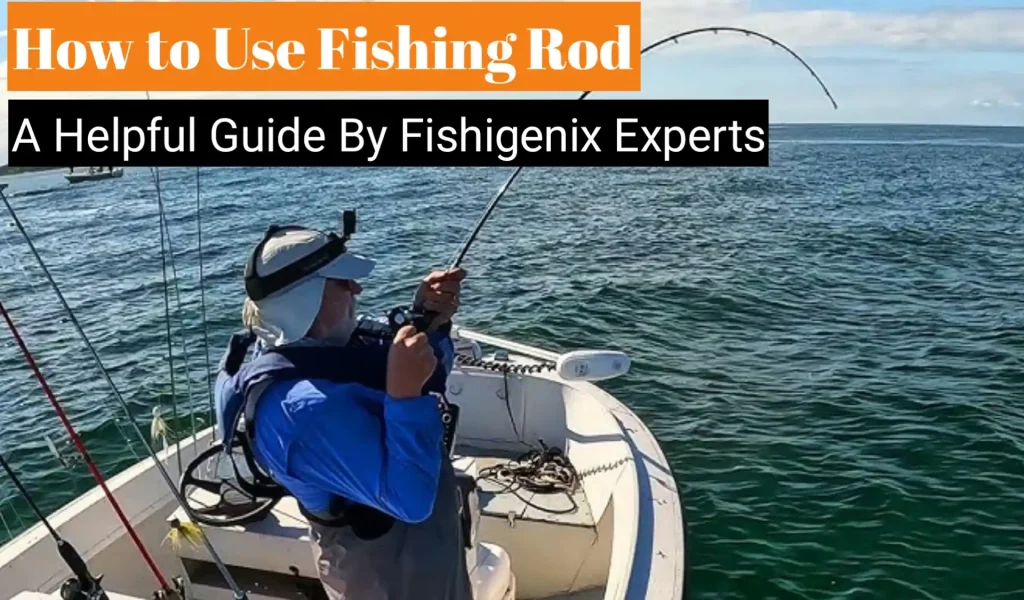
Have you ever wondered how to work a fishing rod like a pro? Whether you’re a complete beginner or just need a quick refresher, mastering this simple skill can make your fishing trips more fun and successful.
Imagine feeling the excitement as you cast your line smoothly and wait for that thrilling tug. This guide will walk you through every step, making it easy for you to get started and enjoy fishing right away. Ready to catch your first big one?
Let’s dive in!

Credit: fishgenix.com
Choosing The Right Rod
Choosing the right fishing rod is key to a good fishing experience. The right rod helps you catch fish easier and makes fishing more fun.
This guide will help you understand the types of rods, how to match rods to fish, and the materials used in rods.
Types Of Fishing Rods
There are many types of fishing rods. Each type works best for certain fishing styles and locations.
- Spinning Rods: Good for beginners and light fishing.
- Baitcasting Rods: Great for accuracy and strong fish.
- Fly Rods: Used for fly fishing in rivers and streams.
- Trolling Rods: Made for fishing from a moving boat.
- Surf Rods: Designed for casting far from the shore.
Matching Rod To Fish Species
Different fish need different rods. Use a rod that fits the size and strength of the fish you want to catch.
| Fish Species | Rod Length | Rod Power |
| Trout | 6 to 7 feet | Light |
| Bass | 6 to 7 feet | Medium |
| Catfish | 7 to 8 feet | Heavy |
| Salmon | 8 to 10 feet | Medium to Heavy |
Rod Materials And Durability
Fishing rods come in different materials. Each material affects the rod’s strength and how long it lasts.
| Material | Strength | Durability | Weight |
|---|---|---|---|
| Fiberglass | Strong | Very durable | Heavy |
| Graphite | Very strong | Less durable | Light |
| Composite | Strong | Durable | Medium |
Essential Fishing Gear
Fishing needs the right gear to be fun and safe. Good tools help you catch fish easier.
Learn about reels, lines, and accessories. Each part plays a key role in fishing success.
Selecting The Proper Reel
Choose a reel that fits your fishing style. Spinning reels work well for beginners.
Baitcasting reels give more control but need practice. Make sure the reel matches your rod.
Fishing Line Options
| Line Type | Strength | Best Use |
| Monofilament | 6-12 lbs | General fishing, easy to handle |
| Fluorocarbon | 8-20 lbs | Clear water, less visible |
| Braid | 15-50 lbs | Heavy cover, strong and thin |
Pick a line based on fish type and water conditions. Line strength should match your reel.
Must-have Accessories
- Hooks of various sizes
- Sinkers to weigh down bait
- Bobbers to see bites
- Pliers for hook removal
- Tackle box to keep gear organized
Keep these tools ready for quick fixes. Accessories make fishing easier and more fun.
Setting Up Your Rod
Setting up your fishing rod correctly is important for a good fishing experience. It helps you cast better and catch fish more easily.
Follow these steps to prepare your rod before you start fishing. This guide covers assembling, spooling, and attaching hooks.
Assembling The Rod And Reel
Begin by connecting the rod pieces firmly. Most rods come in two or more sections that fit together.
Attach the reel to the rod’s reel seat. Tighten the reel seat so the reel stays in place during fishing.
- Match rod sections by size and shape
- Insert sections until snug, avoid forcing
- Place reel foot into reel seat
- Turn reel seat collar to secure reel
Spooling The Line Correctly
Spooling the fishing line on your reel is key to smooth casting. Use the right type and strength of line for your fishing.
Keep tension on the line as you spool it to avoid tangles and loose loops. Fill the spool evenly but do not overfill.
- Attach the line to the reel spool with an arbor knot
- Hold the line tight while turning the reel handle
- Fill the spool to about 1/8 inch below the rim
- Check for twists and remove any loops
Attaching Hooks And Baits
Choose a hook size that fits the fish you want to catch. Tie the hook to the line with a strong knot.
Add bait to your hook. Live bait or artificial lures work well depending on your target fish.
- Tie a knot like improved clinch to secure the hook
- Check knot tightness before casting
- Attach bait so it stays on the hook firmly
- Use fresh bait for better results

Credit: fishingbooker.com
Casting Techniques
Using a fishing rod well starts with good casting techniques. Casting helps you place the bait where fish are likely to bite.
This guide explains basic casting methods, ways to improve accuracy and distance, and how to avoid common mistakes.
Basic Casting Methods
There are simple ways to cast a fishing rod. One common way is the overhead cast. This method uses a smooth motion to throw the line forward.
Another popular method is the sidearm cast. It sends the line out with a sideways swing. It works well in windy places or tight spaces.
- Overhead cast: lift the rod high and pull it forward smoothly
- Sidearm cast: swing the rod sideways for a lower, faster cast
- Underhand cast: used for short distances with a gentle throw
Improving Accuracy And Distance
Good aim helps place bait near fish. Keep your eyes on the spot where you want to cast. Use a steady and smooth motion.
To cast farther, use a longer, faster rod motion. Let the line flow freely at the right time. Practice will make your cast longer and straighter.
- Focus on the target area before casting
- Use a smooth and steady rod movement
- Release the line at the right moment
- Practice regularly to build muscle memory
Avoiding Common Casting Errors
Many beginners make mistakes that hurt their casting. One common error is releasing the line too early or too late. This causes poor distance and tangles.
Another error is using jerky movements. This can scare fish and cause the line to tangle. Make your cast smooth and controlled.
- Do not release the line too soon or too late
- Avoid sudden or jerky rod movements
- Check your reel and line for tangles before casting
- Practice casting in open areas to reduce errors
Fishing Strategies For Beginners
Fishing is a fun way to enjoy nature and relax. Using the right strategies helps you catch more fish.
This guide explains simple tips to improve your fishing skills. Learn to read water, pick the best time, and use bait well.
Reading Water And Fish Behavior
Fish like certain water spots. Look for places with rocks, plants, or slow currents. These spots often have more fish.
Watch how the water moves. Fish hide near edges or under shade. They come out to feed when the water is calm.
- Look for ripples or small waves
- Check near underwater plants and rocks
- Notice where the water changes speed
- Observe if birds or insects are near the water
Choosing The Right Time To Fish
Fish are active at certain times of the day. Early morning and late evening are usually best. Fish feed more in low light.
Weather affects fish too. Overcast days can bring more bites. Avoid fishing in very bright sun or heavy rain.
- Fish early morning or late evening
- Try cloudy or slightly rainy days
- Avoid fishing in strong sunlight
- Check local weather before you go
Using Bait And Lures Effectively
Choose bait that fish like in your area. Live bait works well for many fish types. Lures can mimic small fish or insects.
Cast your bait near spots where fish hide. Move your lure slowly to attract attention. Change bait if fish are not biting.
- Use worms, minnows, or insects for live bait
- Pick lure colors that match local fish food
- Cast near rocks, plants, or drop-offs
- Vary lure speed to find what works
Handling Catches
Handling your catch correctly keeps the fish safe and improves your fishing experience. It helps you avoid lost fish and injuries. Learn simple ways to manage your catches after they bite.
This guide covers three key parts: setting the hook, reeling in fish safely, and proper fish handling and release.
Setting The Hook
When a fish bites, you need to set the hook quickly to catch it. Pull the rod firmly but smoothly to embed the hook in the fish’s mouth. Avoid jerking the rod too hard or too fast.
- Feel the bite or pull on the line.
- Lift the rod tip firmly but smoothly.
- Keep the line tight after setting the hook.
- Prepare to reel in once the hook is set.
Reeling In Fish Safely
Reeling the fish in carefully prevents the line from breaking. Keep steady pressure on the fish while reeling. Let the fish tire itself out before pulling it closer.
- Use smooth and steady reeling motions.
- Keep the rod tip up to reduce line slack.
- Let the fish run if it pulls hard, then reel when it tires.
- Avoid yanking the rod to prevent snapping the line.
Proper Fish Handling And Release
Handle fish carefully to protect their health and your safety. Wet your hands before touching fish to keep their skin moist. Remove the hook gently and release the fish quickly if you plan to let it go.
| Action | Reason |
| Wet hands before handling | Protects fish’s slime coat |
| Use pliers to remove hooks | Prevents injury to fish and angler |
| Support fish’s body when lifting | Reduces stress on fish |
| Release fish gently back into water | Increases chances of survival |
Maintenance Tips
Keeping your fishing rod in good shape helps it last longer and work better. Simple care can prevent damage and save money.
Follow these easy tips to clean, store, and fix common problems with your rod and reel.
Cleaning Your Rod And Reel
After fishing, rinse your rod and reel with fresh water. Use a soft cloth to wipe off dirt and salt. Avoid harsh chemicals that can damage parts.
- Remove the reel from the rod before cleaning.
- Use mild soap and water for stubborn dirt.
- Dry all parts completely to stop rust.
- Lubricate reel gears with oil after drying.
Storage Best Practices
Store your fishing rod and reel in a dry place. Keep them away from direct sunlight and heat to avoid damage.
| Storage Tip | Reason |
|---|---|
| Hang the rod vertically | Prevents bending and warping |
| Keep reel loosened | Stops spring damage |
| Use rod sleeves | Protects from dust and scratches |
| Store in a cool, dry area | Prevents rust and mildew |
Troubleshooting Common Issues
If your rod or reel does not work well, check these points. Fixing small problems early stops bigger damage.
- Line tangles: Remove knots and check line condition.
- Reel drag slips: Adjust the drag knob and clean the drag system.
- Rod guides loose: Tighten or replace damaged guides.
- Reel won’t turn smoothly: Clean and oil reel parts.

Credit: fishingbooker.com
Frequently Asked Questions
How Do I Choose The Right Fishing Rod?
Choose a rod based on your fishing type, target fish, and location. Consider rod length, power, and action for best results.
What Is The Proper Way To Hold A Fishing Rod?
Hold the rod with your dominant hand near the reel. Keep a firm but relaxed grip for better control and comfort.
How Do I Cast A Fishing Rod Effectively?
Use a smooth, controlled motion. Pull the rod back, then flick it forward, releasing the line at the right moment.
When Should I Set The Hook While Fishing?
Set the hook when you feel a strong tug or pull. Quickly lift the rod to secure the fish.
Conclusion
Mastering the fishing rod takes practice. Start with the basics. Practice casting techniques regularly. Feel the line’s tension for better control. Patience is key. Fishing offers relaxation and joy. Enjoy the experience and learn as you go. Experiment with different rods.
Different waters may require adjustments. Ask experienced anglers for tips. Share your experiences. Every fishing trip teaches something new. The more you fish, the better you get. Remember to stay safe. Respect the environment and the waters. Happy fishing, and enjoy each catch!