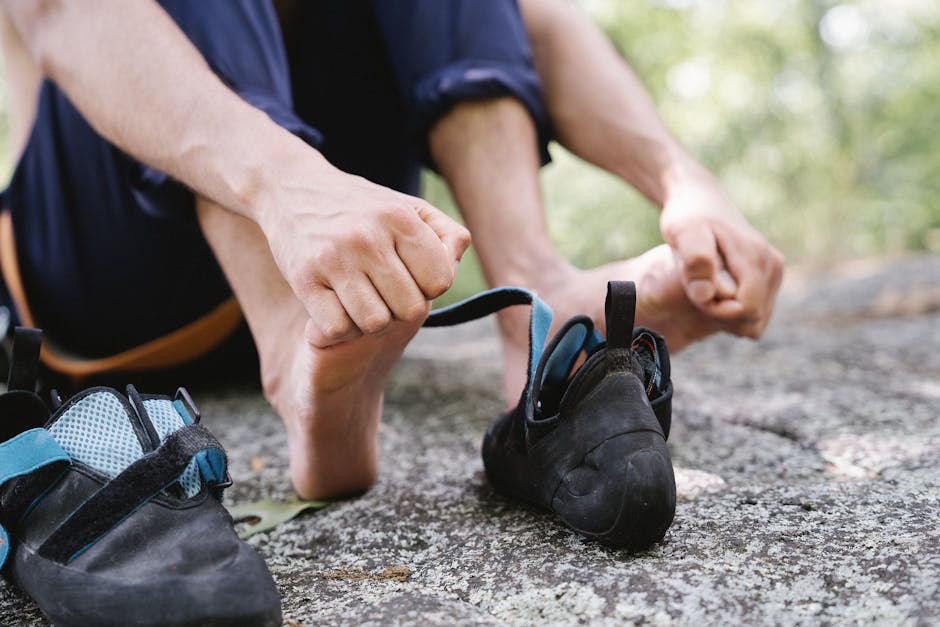
Are you wondering if your rock climbing shoes are supposed to feel tight? It’s a question many climbers ask, especially when they’re choosing the right fit.
Wearing shoes that are too loose can make climbing harder, but shoes that are too tight can hurt your feet. Finding the perfect balance is key to climbing comfortably and confidently. Keep reading to discover why the right fit matters and how to know if your climbing shoes are just right for you.
Purpose Of Tight Shoes
Rock climbing shoes are designed to fit snugly on your feet. They feel tight compared to regular shoes. This tightness helps climbers perform better on tricky surfaces.
Wearing tight shoes is not about pain but about control and precision. The fit affects how well you can climb and keep your balance.
Enhancing Grip And Control
Tight climbing shoes keep your feet close to the shoe’s surface. This helps you grip small edges and holds on the rock. A loose shoe can slip, making climbing unsafe.
- Tight shoes improve toe power on tiny footholds.
- They allow better sensitivity to feel the rock.
- Snug fit reduces slipping inside the shoe.
- Good grip helps balance and prevents falls.
Reducing Foot Movement
When shoes fit tightly, your foot does not move inside. This stops blisters and hot spots. It also helps you push off holds with more force.
| Foot Movement | Effect of Tight Shoes |
|---|---|
| Minimal | Better precision and comfort |
| Loose | Blisters and less control |
Impact On Performance
Tight shoes help climbers make sharp moves and hold difficult positions. They increase foot strength and reduce wasted energy. This leads to better climbs and fewer slips.
Signs Of Proper Fit
Rock climbing shoes need to fit well for safety and performance. The right fit is snug but not painful. Knowing the signs helps you pick the best shoes.
Focus on comfort, toe position, and heel fit. These areas show if the shoes match your feet well. Proper fit improves climbing ability and reduces injuries.
Comfort Vs. Tightness
Shoes should feel tight but not hurt. A tight fit prevents slipping inside the shoe. Comfort means no sharp pain or numbness.
- The shoe should press gently on the foot.
- Discomfort is normal, but pain is not.
- Feet should not go numb or tingle.
- Long wear should not cause blisters or sores.
Toe Position And Pressure
Toes should lie flat and not curl. The shoe must hold the toes firmly. This helps with balance and control on small holds.
| Toe Fit | Ideal Feeling |
| Flat toes | Toes lie flat without bending |
| Pressure | Even pressure on all toes |
| Space | No extra space for toes to move |
Heel Fit And Security
The heel should fit snugly without slipping. A loose heel can cause instability. The shoe’s heel cup holds the foot during climbs.
- Heel should not lift when walking.
- Heel cup should feel tight but not painful.
- Shoes with padded heels improve comfort.
- Secure heels help with precision on small footholds.
Risks Of Overly Tight Shoes
Rock climbing shoes should fit snugly but not cause pain. Many climbers wear shoes too tight to improve grip.
Wearing shoes that are too tight can harm your feet and affect your climbing. It is important to know the risks.
Foot Pain And Discomfort
Tight shoes press on your toes and sides of your feet. This pressure causes pain and numbness.
Pain can distract you during climbs and reduce your performance. It may also lead to blisters and bruises.
- Sharp pain in toes or arch
- Numbness or tingling in feet
- Blisters and calluses from friction
Long-term Foot Health Issues
Shoes that are too tight can cause lasting damage. They change the shape of your feet over time.
Common problems include bunions, hammertoes, and nerve damage. These issues may need medical care.
- Bunions: painful bumps on the side of the big toe
- Hammertoes: toes bent in a claw-like shape
- Nerve damage causing long-term numbness
Impact On Climbing Technique
Overly tight shoes can change how you use your feet. You may avoid using the toes properly.
This can reduce your balance and control on the wall. You might also tire faster during climbs.
- Reduced toe sensitivity and grip
- Poor foot placement on small holds
- Increased foot fatigue and cramps

Credit: www.reddit.com
Choosing The Right Size
Rock climbing shoes should fit snugly but not cause pain. The right size helps you climb safely and comfortably.
Shoe size can vary between brands and styles. You need to try different options to find your best fit.
Trying Different Brands
Each brand uses a different shape and size scale. Shoes from one brand may feel tight while another feels loose.
Test shoes from several brands to see which fits your feet best. Don’t buy shoes from only one brand.
- Brands have unique sizing and shapes
- Try many brands to find comfort
- Fit can vary even in the same size
Considering Foot Shape
Your foot shape affects how shoes fit. Some shoes suit wide feet, others fit narrow feet better.
Know your foot width, arch height, and toe length. Pick shoes that match these features to avoid pain.
- Wide feet need wider shoe models
- High arches need good arch support
- Long toes need enough toe space
Testing Shoes Before Purchase
Try shoes on and wear them for a few minutes. Walk around and feel if they stay tight but not painful.
Check if your toes can move slightly but not slide. The heel should fit snugly without slipping.
- Shoes should feel snug but not pinch
- Toes can touch but not cramp
- Heels should not slip when walking
- Wear the shoes for several minutes
Breaking In Climbing Shoes
Rock climbing shoes need to fit snugly for good performance. They often feel tight at first.
Breaking them in helps improve comfort without losing fit and support.
Gradual Use For Comfort
Wear your climbing shoes for short sessions at the start. This helps your feet adjust slowly.
- Use shoes for 30 minutes to 1 hour at first
- Increase wear time by 30 minutes every day
- Try climbing on easier routes to reduce foot stress
- Take breaks if your feet feel too tight or sore
Stretching Techniques
Some stretching methods can make shoes more comfortable faster. Do these carefully to avoid damage.
| Stretching Method | Description | Tips |
| Using a Shoe Stretcher | Insert device to widen shoe | Stretch slowly, check fit often |
| Heat Stretching | Warm shoes with a hairdryer then wear | Use low heat, avoid melting materials |
| Wet Stretching | Wear damp shoes for short time | Dry feet to prevent blisters |
Maintaining Shoe Condition
Keep your climbing shoes in good shape to keep comfort and performance high.
Follow these tips:
- Air shoes after climbing to dry sweat
- Store in a cool, dry place
- Clean soles regularly for better grip
- Check for worn areas and repair if needed

Credit: www.reddit.com
Expert Tips For Fit
Rock climbing shoes need to fit well for safety and performance. They should feel snug but not cause pain.
Finding the right balance helps you climb better and avoid injuries.
Listening To Your Body
Your feet send signals when shoes are too tight or too loose. Pay attention to these signs.
Sharp pain or numbness means the shoes are too tight. Mild pressure is okay for control.
- Stop if you feel sharp pain
- Check for numbness or tingling
- Comfort helps you climb longer
Balancing Tightness And Comfort
Shoes should be tight enough to hold your foot firmly. This stops slipping inside the shoe.
At the same time, avoid soreness or bruising. Your feet need some comfort to move well.
- Try shoes on with climbing socks or barefoot
- Check tightness at toes and heel
- Wear shoes around the house briefly to test
When To Replace Shoes
Climbing shoes wear out and lose fit over time. Replace them if they become too loose.
Look for worn soles, stretched materials, or holes. These reduce grip and safety.
- Soles worn thin or smooth
- Material stretched or torn
- Fit feels loose or unstable

Credit: www.reddit.com
Frequently Asked Questions
Are Rock Climbing Shoes Supposed To Be Tight?
Yes, climbing shoes should fit snugly to enhance control and sensitivity. However, they shouldn’t cause severe pain or cut off circulation.
How Tight Is Too Tight For Climbing Shoes?
Shoes are too tight if they cause numbness, intense pain, or bruising. A snug fit with slight discomfort is ideal for performance.
Why Do Climbers Wear Tight Shoes?
Tight shoes improve grip and precision on small footholds. They enhance foot sensitivity, allowing climbers to feel the rock better.
Can Tight Climbing Shoes Cause Foot Problems?
Wearing overly tight shoes frequently may lead to blisters, calluses, or nerve issues. Proper fit and breaks reduce these risks.
Conclusion
Finding the right fit for climbing shoes is crucial. Tight shoes enhance performance and grip. But don’t compromise comfort for tightness. Balance is key. Try different brands and sizes. Your feet should feel snug, not painful. A little discomfort is normal.
But pain is not. Listen to your feet. They know best. Break shoes in gradually. This helps adjust fit and reduces pain. Enjoy climbing with the right shoes. Safe and happy climbing to you!