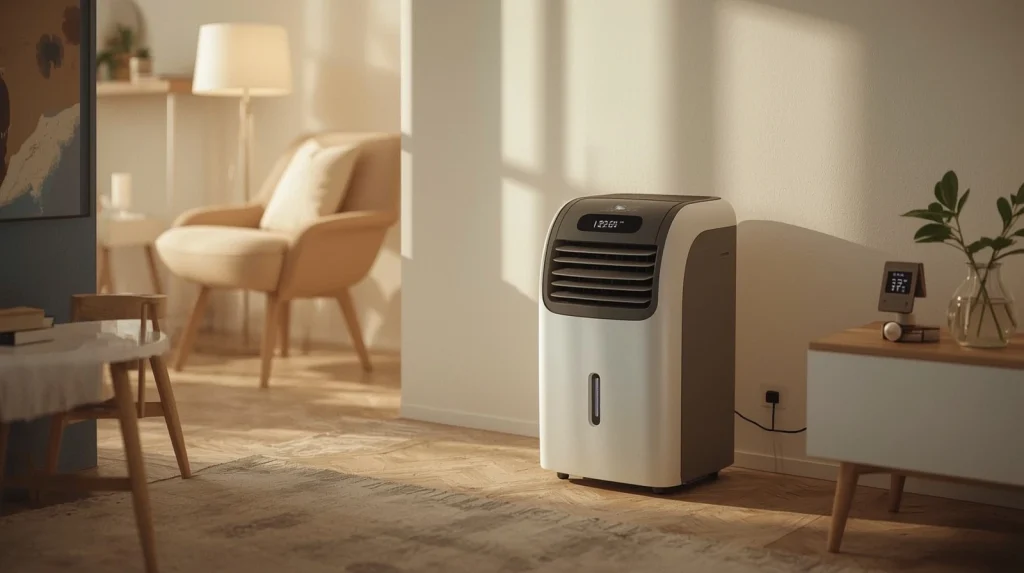
Are you wondering how much electricity your portable air conditioner uses? Knowing the wattage can help you save money and avoid surprise energy bills.
Whether you want to cool a small room or keep your space comfortable during hot days, understanding your unit’s power consumption is key. You’ll discover clear answers and simple tips to manage your portable air conditioner’s energy use. Keep reading to find out exactly how much wattage your cooling device needs and how you can use it smartly.
Credit: www.jackery.com
Portable Ac Wattage Basics
Portable air conditioners cool rooms without permanent installation. They use electricity to run compressors and fans. Understanding their power use helps manage energy bills.
This guide explains typical wattage ranges and what affects power consumption in portable AC units.
Typical Wattage Range
Portable air conditioners usually use between 800 and 1500 watts. The size of the unit and cooling capacity affect the wattage.
| Unit Size (BTU) | Approximate Wattage |
| 8,000 BTU | 800 – 900 W |
| 10,000 BTU | 1,000 – 1,100 W |
| 12,000 BTU | 1,200 – 1,400 W |
| 14,000 BTU | 1,300 – 1,500 W |
Factors Affecting Power Use
Several factors change how much electricity a portable AC uses. These include room size, temperature settings, and unit efficiency.
- Room Size: Larger rooms need more cooling power.
- Thermostat Setting: Lower temperatures increase power use.
- Insulation Quality: Poor insulation leads to higher energy use.
- Fan Speed: Higher speeds use more electricity.
- Unit Age: Older units may be less efficient.
Energy Efficiency Ratings
Portable air conditioners use different amounts of electricity. Energy efficiency ratings help you understand how much power the unit uses. These ratings show how well the air conditioner cools compared to the energy it consumes.
Knowing energy efficiency ratings helps you save money on electricity bills. It also helps you choose a unit that is better for the environment.
Understanding Eer And Seer
EER stands for Energy Efficiency Ratio. It measures how many BTUs of cooling a unit provides per watt of electricity used. A higher EER means the air conditioner uses less energy.
SEER means Seasonal Energy Efficiency Ratio. It shows the average efficiency over a cooling season. SEER is often used for central air systems but can help compare portable units too.
- EER = BTUs cooling ÷ watts used
- Higher EER means better energy use
- SEER shows seasonal efficiency average
- Both ratings help compare models
Choosing Energy Star Models
Energy Star models meet strict energy efficiency rules set by the government. They use less electricity than standard units. Choosing these models lowers your electric bills and reduces energy waste.
Energy Star portable air conditioners often have higher EER ratings. They also have features that save power, like smart thermostats and timers.
- Save money with lower energy use
- Help protect the environment
- Get better cooling performance
- Use features that reduce waste
Comparing Portable Ac To Other Cooling Options
Portable air conditioners use electricity to cool rooms. They offer flexible cooling for different spaces. It is useful to compare their power use with other cooling devices.
This helps you choose the best option for your energy needs and comfort.
Window Units Vs Portable Ac
Window AC units are installed in a window. They cool a room by pushing hot air outside. Portable ACs also push hot air out but use a hose for this.
Window units usually use less electricity than portable ACs. This is because portable units need extra power for the hose and fan.
- Window units: around 500 to 1500 watts
- Portable ACs: around 700 to 2000 watts
- Portable units are less efficient but more movable
Fans And Evaporative Coolers
Fans use very little electricity. They do not cool air but move it around to help sweat evaporate.
Evaporative coolers, also called swamp coolers, use water to cool air. They use more power than fans but less than air conditioners.
- Fans: 10 to 100 watts
- Evaporative coolers: 100 to 300 watts
- Portable ACs: much higher power use but stronger cooling
Credit: www.homedepot.com
Calculating Energy Costs
Portable air conditioners use electricity to cool your space. Knowing their wattage helps you estimate energy costs.
This guide shows how to calculate daily and monthly energy expenses for your portable air conditioner.
Estimating Daily Usage
First, find the wattage of your portable air conditioner. It is usually listed on the unit or in the manual.
Multiply the wattage by the number of hours you use the air conditioner each day. Then divide by 1,000 to get kilowatt-hours (kWh).
- Wattage × Hours used per day = Wh per day
- Wh per day ÷ 1,000 = kWh per day
Monthly Electricity Bill Impact
To find the monthly cost, multiply daily kWh by days used in a month. Then multiply by your electricity rate per kWh.
This gives a clear idea of how much your air conditioner adds to your electric bill.
| Calculation | Description |
|---|---|
| Daily kWh × Days per month | Total monthly kWh used |
| Monthly kWh × Cost per kWh | Estimated monthly cost |
Tips To Save Energy With Portable Ac
Portable air conditioners use electricity to cool your room. Knowing how to save energy helps lower bills.
Using simple tips can reduce power use and keep your space comfortable.
Optimal Temperature Settings
Set your portable AC to a moderate temperature. Too low uses more power and wastes energy.
Keeping the temperature around 24-26°C (75-78°F) balances comfort and efficiency.
- Avoid setting temperatures below 22°C (72°F)
- Use a timer to turn off AC when not needed
- Adjust settings based on room occupancy
Proper Ventilation Practices
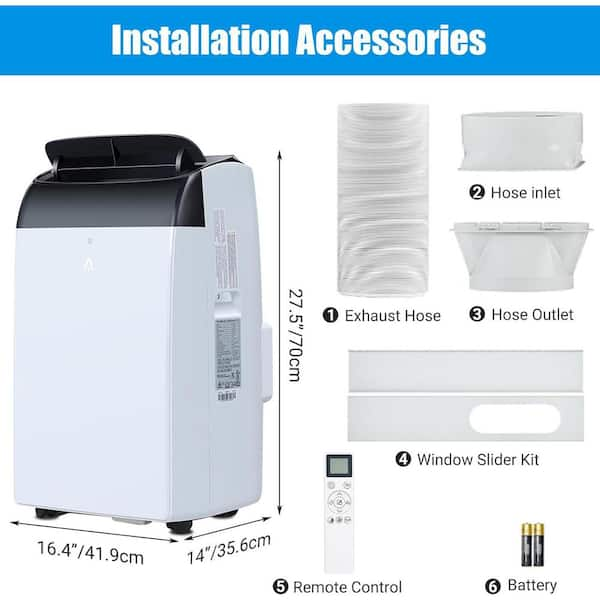
Good ventilation helps your AC work better. Make sure the exhaust hose is clear and sealed.
Keep windows and doors closed to prevent hot air from entering the room.
- Check and clean the exhaust hose regularly
- Seal any gaps around the hose window kit
- Close windows and doors while AC runs
Regular Maintenance
Clean your portable AC filters often. Dirty filters reduce airflow and increase power use.
Check the unit for dust and debris. Remove buildup to keep it running well.
- Wash or replace filters every two weeks
- Vacuum vents and coils gently
- Inspect the unit for any leaks or damage
Smart Usage And Automation
Portable air conditioners use different amounts of electricity based on their size. Knowing how to use them smartly can save energy and money. Automation helps control when and how the air conditioner runs.
Smart tools like timers and plugs make it easy to manage power use. You can set your air conditioner to run only when you need it. This reduces wasted energy and keeps your room comfortable.
Using Timers And Smart Plugs
Timers let you set specific times for your air conditioner to turn on or off. This stops it from running all day or night. Smart plugs add even more control by letting you manage power remotely.
With smart plugs, you can check how much electricity your air conditioner uses. Some models show real-time energy use on your phone. This helps you find the best times to run the unit and save power.
- Set timers to run AC only when in the room
- Use smart plugs to turn AC off remotely
- Monitor power use to adjust settings
- Reduce energy waste during cool nights
Integrating With Home Automation
Home automation systems connect your air conditioner with other smart devices. You can link it to temperature sensors or voice assistants. This makes cooling more efficient and easier to control.
The system can turn your air conditioner on when the room gets warm. It can also turn it off when no one is home. This smart integration lowers electricity use while keeping your space comfortable.
- Connect AC to smart thermostats for better control
- Use voice commands to adjust settings
- Automate AC based on room temperature
- Save energy by syncing with occupancy sensors
Environmental Impact Of Portable Ac
Portable air conditioners use electricity to cool rooms. This energy use affects the environment. The amount of power they use depends on their wattage.
Higher wattage means more electricity and more carbon emissions. It is important to understand how portable ACs impact the planet.
Reducing Carbon Footprint
Using a portable AC with lower wattage helps reduce carbon emissions. Turning off the AC when not needed saves energy. Regular maintenance keeps the unit efficient.
- Choose energy-efficient models
- Use timers to limit run time
- Keep doors and windows closed
- Clean filters regularly
Eco-friendly Refrigerants
Portable ACs use refrigerants to cool air. Some refrigerants harm the environment. Newer models use eco-friendly refrigerants that reduce pollution.
- R-410A is less damaging than older types
- Some units use natural refrigerants like propane
- Eco-friendly refrigerants lower greenhouse gases
- Proper disposal prevents leaks and damage

Credit: www.goodhousekeeping.com
Frequently Asked Questions
How Much Electricity Does A Portable Air Conditioner Use?
A portable air conditioner typically uses between 800 to 1500 watts per hour. Usage varies by model and cooling capacity. Energy efficiency and room size also affect power consumption. Always check the unit’s specifications for accurate wattage details.
What Factors Affect Portable Ac Wattage Consumption?
Wattage depends on the AC’s BTU rating, room size, and temperature settings. Higher BTU units use more power. Frequent use and poor insulation increase energy consumption. Energy-efficient models consume less wattage while cooling effectively.
Can Portable Ac Wattage Impact Electricity Bills?
Yes, higher wattage means more electricity use, increasing bills. Running the AC continuously or on high settings raises consumption. Using energy-saving modes and proper maintenance can reduce power usage and lower costs.
How To Calculate Portable Ac Energy Cost?
Multiply the AC’s wattage by hours used, then divide by 1,000 for kWh. Multiply kWh by your local electricity rate to find cost. This helps estimate your portable AC’s daily or monthly energy expenses.
Conclusion
Understanding the wattage of portable air conditioners helps in saving energy. It also aids in choosing the right model for your needs. Consider the room size and cooling requirements. Check energy efficiency ratings for better performance. This ensures comfort without high electricity bills.
Remember, a smaller unit may use less power. Larger spaces might need higher wattage units. Look for energy-saving features when shopping. This helps reduce overall energy consumption. Make informed decisions for both comfort and cost-efficiency. Keeping these points in mind ensures a cooler, more energy-efficient home.