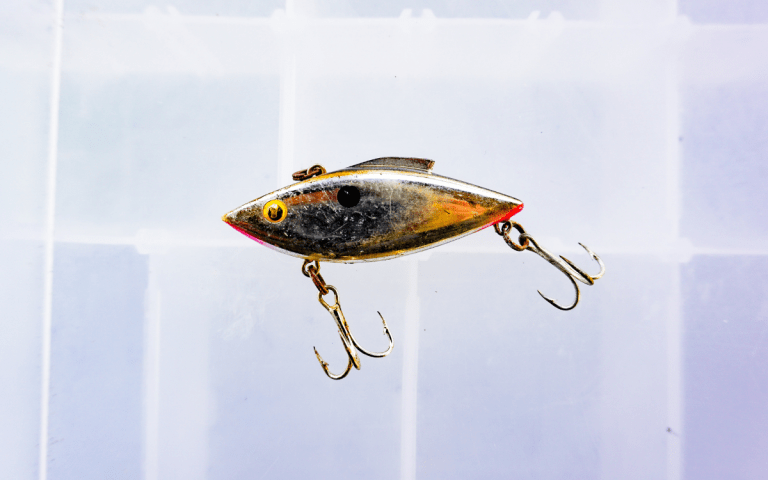
Are you tired of casting your line without much success? Finding the best lure for bass fishing can change everything about your time on the water.
The right lure doesn’t just attract bass—it makes you feel like a pro with every cast. You’ll discover which lures work best in different conditions and how to use them to boost your catch rate. Keep reading, because the secret to landing more bass is closer than you think.

Credit: mysterytacklebox.com
Bass Behavior And Lure Choice
Choosing the right lure for bass fishing depends on how bass behave in different situations. Understanding their habits helps anglers pick effective lures.
Bass react to many factors like feeding times, seasons, and water conditions. Each factor changes which lure works best.
Bass Feeding Habits
Bass mostly eat small fish, insects, and crayfish. They hunt near cover like weeds, rocks, or logs.
They prefer lures that look like their natural prey. Slow-moving lures work well when bass are calm.
- Use soft plastic worms or crawfish lures near cover
- Try crankbaits or spinnerbaits for active feeding bass
- Match lure size to the local bait fish
Seasonal Influences
Bass change their behavior with the seasons. In spring, they move shallow to spawn and eat more.
Summer bass stay deeper and may need slower, cooler water lures. Fall bass feed heavily to store energy.
- Spring: Use bright, fast-moving lures near shallow water
- Summer: Choose slow, deep-running lures
- Fall: Try large, flashy lures for aggressive feeding
Water Conditions Impact
Water clarity and temperature affect lure choice. Clear water means natural colors work best.
In murky water, use bright or noisy lures to attract bass. Cooler water slows bass down, needing slower lures.
- Clear water: Use natural colors and subtle movements
- Murky water: Use bright colors and vibrating lures
- Cold water: Slow down lure speed
- Warm water: Faster lure retrieval works well
Credit: n1outdoors.com
Top Lure Types For Bass
Bass fishing needs the right lure to catch more fish. Different lures work best in different places.
Here are some top lure types that many anglers use for bass fishing.
Crankbaits
Crankbaits dive underwater and look like small fish. They make noise and vibrations that attract bass.
Use crankbaits to cover large water areas fast. They work well near rocks and wood.
Spinnerbaits
Spinnerbaits have spinning blades that flash in the water. The flash and vibration draw bass from far away.
These lures work well in muddy or stained water. They are good near weeds and shallow areas.
Soft Plastics
Soft plastics look like worms, crawfish, or small fish. They move naturally and feel soft when bass bite.
Use soft plastics with slow, steady pulls. They work well in clear water and around cover.
Jigs
Jigs have a weighted head and a hook with soft material. They sink fast and can be bounced on the bottom.
Jigs work great for deep water or heavy cover. They help you fish near the bottom where bass hide.
Topwater Lures
Topwater lures float and move on the water surface. They make splashes and noises that attract bass.
Use topwater lures early in the morning or late in the evening. They are exciting to use because you can see the strike.
Best Lure Colors And Sizes
Choosing the right lure color and size makes bass fishing more effective. Matching these to the environment helps catch more fish.
This guide covers how to pick colors and sizes based on water and prey conditions.
Color Selection Tips
Color choice depends on water clarity and light levels. Bright colors work well in murky water. Natural colors suit clear water better.
- Use chartreuse or bright orange in stained water
- Choose browns and greens in clear water
- Try black or purple at night or low light
- Match the color to local baitfish for best results
Matching Lure Size To Prey
Use lure sizes that match the natural prey bass eat. Small bass prefer smaller baits. Bigger bass go for larger lures.
| Lure Size | Prey Type | Bass Size |
| 1-2 inches | Small minnows, insects | Small bass |
| 3-4 inches | Medium minnows, small frogs | Medium bass |
| 5+ inches | Large baitfish, frogs | Large bass |
Adapting To Water Clarity
Water clarity affects how bass see lures. Clear water means use natural colors and smaller sizes. Murky water calls for bigger, bright lures.
- Clear water: use subtle colors like green, brown, and silver
- Stained water: use bright colors such as chartreuse and white
- Dark or muddy water: use black or dark purple lures for silhouette

Credit: www.amazon.ca
Techniques For Using Lures
Choosing the right lure is important for bass fishing. Using the right technique helps catch more bass.
This guide explains how to use lures with different retrieval methods and presentation styles. It also shows how to adjust your approach based on bass activity.
Retrieval Methods
Retrieval means how you pull the lure through the water. Different methods can attract bass in various ways.
Try slow or fast retrievals to see what works best. Changing speed can trigger bass to strike.
- Steady retrieve: Pull the lure evenly without stops.
- Stop-and-go: Reel, pause, then reel again to mimic injured prey.
- Twitching: Move the rod tip to make the lure dart erratically.
- Burning: Retrieve quickly to provoke a reaction bite.
Presentation Styles
Presentation is how you show the lure to bass. It affects how natural the lure looks in water.
Use different styles based on water clarity and bass behavior to get better results.
- Bottom bouncing: Drag the lure along the lake or river bottom.
- Suspending: Keep the lure in one spot in the water column.
- Swimming: Keep the lure moving smoothly through the water.
- Hopping: Lift the lure off the bottom and let it fall naturally.
Adjusting To Bass Activity
Bass change their activity based on weather, temperature, and time of day. Adjust your lure use accordingly.
If bass are slow, use slower retrieval and smaller lures. If active, use faster retrieves and bigger lures.
- Cold or cloudy days: Use slow retrieves with subtle movements.
- Warm or sunny days: Use faster retrievals and bright colors.
- Early morning or late evening: Use lures that stay near the surface.
- Midday: Try lures that work deeper in the water.
Top Picks By Expert Anglers
Bass fishing is a popular sport that needs the right lure to catch more fish. Choosing the best lure helps you fish better and enjoy your time.
Experts use different lures based on skill level and water conditions. Here are their top picks to guide you.
Favorite Lures For Beginners
New anglers need easy-to-use lures that attract bass without much effort. These lures work well in many places and conditions.
- Spinnerbaits: They create flash and vibration that bass find hard to resist.
- Plastic Worms: Soft and flexible, great for slow and steady retrieves.
- Crankbaits: Good for covering water and finding active fish.
- Jigs: Versatile and effective for bottom fishing.
Pro Angler Recommendations
Pro anglers choose lures that match the season, water clarity, and bass behavior. They often switch lures during a trip to stay effective.
| Lure Type | Best Use | Color |
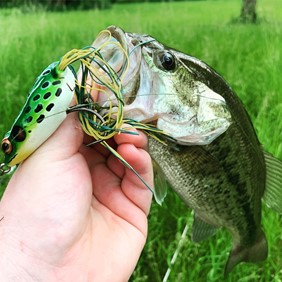
| Topwater Frogs | Heavy vegetation | Green, Brown |
| Suspending Jerkbaits | Clear water | Natural, Silver |
| Drop Shot Rig | Deep water | White, Chartreuse |
| Swimbaits | Open water | Blue, White |
Versatile Lures For Various Conditions
Some lures work well in many fishing spots and weather conditions. These lures help you adapt quickly and catch bass all year.
- Crankbaits: Use them for different depths and speeds.
- Jigs: Add different trailers to change action.
- Spinnerbaits: Work in both clear and murky water.
- Soft Plastics: Change shapes and colors to match baitfish.
Tips For Choosing The Right Lure
Choosing the right lure can make bass fishing more successful. Different lures work better in different situations.
Understanding how to pick the right lure helps you catch more bass. Consider the water, bass size, and behavior.
Matching Lure To Environment
Pick lures that fit the water type and surroundings. Clear water needs natural colors. Murky water calls for bright colors.
Use lures that move well in the area. For example, use weedless lures near plants to avoid snags.
- Clear water: natural colors like green or brown
- Murky water: bright colors like chartreuse or orange
- Rocky areas: lures that mimic small fish or crawfish
- Weedy spots: weedless soft plastics or spinnerbaits
Considering Bass Size And Behavior
Choose lure size based on bass size. Big bass may go for bigger lures. Small bass prefer smaller lures.
Think about bass behavior. Active bass chase fast lures. Slow bass respond to slow-moving baits.
- Large bass: big crankbaits or big soft plastics
- Small bass: small jigs or small soft plastics
- Active bass: spinnerbaits or topwater lures
- Inactive bass: jigs or slow-moving worms
Experimenting With Different Lures
Try different lures to find what works best. Change colors, sizes, and types during fishing.
Keep track of what catches bass. This helps you choose lures faster next time.
- Test soft plastics, crankbaits, spinnerbaits, and topwaters
- Change lure speed and depth during fishing
- Note which lures catch the most bass
- Use your notes to improve future trips
Frequently Asked Questions
What Type Of Lure Catches Bass Best?
Soft plastic worms and crankbaits are top lures for bass. They mimic natural prey and trigger aggressive strikes. Spinnerbaits and jigs also work well in various water conditions. Choosing the right lure depends on water clarity and bass activity.
When Should I Use Topwater Lures For Bass?
Use topwater lures during low light conditions like early morning or late evening. They create surface disturbance that attracts aggressive bass. Calm water and warm temperatures also increase topwater lure effectiveness, providing exciting surface strikes.
How Does Water Clarity Affect Bass Lure Choice?
In clear water, use natural-colored lures for realism. In murky water, bright or dark colors enhance visibility. Adjust lure size and vibration to match water conditions. This helps bass detect the lure and improves your catch rate.
Are Soft Plastics Better Than Hard Baits For Bass?
Soft plastics offer lifelike movement and versatility, ideal for slow presentations. Hard baits like crankbaits provide fast action and cover more water. Both have advantages; choose based on bass behavior and fishing environment for best results.
Conclusion
Choosing the right lure makes bass fishing more successful. Experiment with different types. Try soft plastics, crankbaits, or spinnerbaits. Each lure works best in certain conditions. Understand the water and weather. Adjust your choice accordingly. Practice patience and observation. The fish’s behavior will guide you.
Don’t rely on one lure alone. Keep a variety in your tackle box. It increases your chances. Local advice can be helpful too. Talk to other anglers. Their experience may offer valuable insights. Enjoy the process and learn. Happy fishing adventures await!