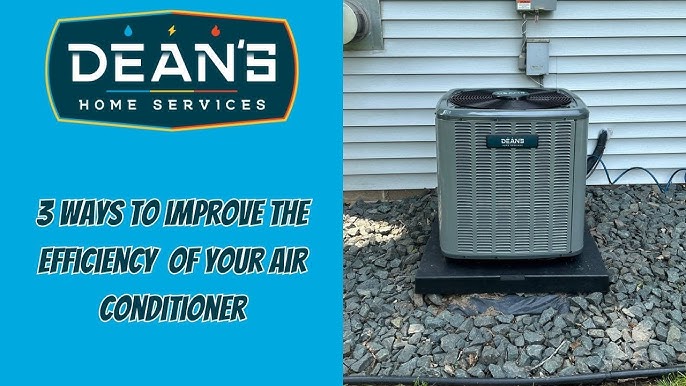
Is your air conditioner working harder than it should? You might be paying more than necessary on your energy bills without realizing it.
Improving your air conditioner’s efficiency isn’t just about saving money—it’s about staying comfortable without worry. You’ll discover simple, effective ways to boost your AC’s performance. These tips are easy to follow and can make a big difference in how your home feels and how much you spend.
Keep reading to find out how you can get the most from your air conditioner all year long.

Credit: centralheatofga.com
Causes Of Inefficient Cooling
Air conditioners cool your home by removing heat from inside. When they work poorly, cooling becomes weak. This wastes energy and raises bills.
Several factors cause inefficient cooling. Knowing these helps you fix problems early and keep your AC running well.
Common Ac Problems
AC units can face many issues that reduce their efficiency. These include refrigerant leaks, faulty compressors, and electrical troubles. Such problems stop the AC from cooling properly.
- Refrigerant leaks lower cooling power
- Broken compressors stop cooling cycles
- Electrical faults can cause shutdowns
- Blocked drains lead to water damage
Impact Of Dirty Filters
Filters catch dust and dirt from air before it enters the AC. Dirty filters block airflow. This makes the AC work harder and cool less.
| Filter Condition | Effect on AC | Energy Use |
| Clean | Good airflow, efficient cooling | Low |
| Moderately Dirty | Reduced airflow, less cooling | Higher |
| Very Dirty | Blocked airflow, poor cooling | Highest |
Effect Of Poor Insulation
Poor insulation lets heat enter your home easily. This raises indoor temperature. The AC must run longer to cool the space.
- Walls without enough insulation
- Windows that leak hot air
- Doors with gaps or cracks
- Attics with thin or missing insulation
Regular Maintenance Practices
Keeping your air conditioner in good shape helps it run better and last longer. Regular maintenance saves energy and lowers bills.
Simple checks and cleaning can improve your AC’s performance. Focus on key parts to keep it efficient.
Cleaning And Replacing Filters
Dirty filters block airflow and reduce cooling. Clean or replace them often to keep air moving well.
Check filters at least once a month. Use a vacuum or wash reusable filters with water and dry them fully.
- Remove the filter carefully
- Vacuum or rinse with water
- Let the filter dry completely before replacing
- Replace disposable filters every 1-3 months
Checking Refrigerant Levels
Refrigerant cools the air inside your home. Low levels make the AC work harder and use more energy.
Have a professional check refrigerant levels yearly. They can find leaks and refill the gas if needed.
Inspecting Ductwork
Leaky ducts waste cooled air and reduce efficiency. Look for holes or loose joints in your duct system.
Seal any leaks with duct tape or mastic sealant. Clean ducts to remove dust and debris that block airflow.
- Check ducts in attics, basements, and crawl spaces
- Seal gaps and holes tightly
- Keep ducts clean for better air quality
Smart Thermostat Use
Smart thermostats help control your air conditioner better. They adjust temperatures based on your schedule and preferences.
Using these devices saves energy and keeps your home comfortable all day. They learn your habits and make cooling efficient.
Setting Optimal Temperatures
Setting the right temperature improves efficiency and comfort. Aim for a balance between saving energy and feeling cool.
- Keep the thermostat at 78°F (25.5°C) when you are home and active.
- Raise the temperature a few degrees when you leave the house.
- Lower the temperature gradually in the evening for better sleep.
- Avoid setting temperatures too low; it wastes energy and strains the AC.
Using Programmable Features
Programmable features let you schedule temperature changes automatically. This reduces energy use when cooling is not needed.
| Time of Day | Recommended Temperature |
| Morning (6 AM – 9 AM) | 75°F (23.9°C) |
| Day (9 AM – 5 PM) | 80°F (26.7°C) |
| Evening (5 PM – 10 PM) | 78°F (25.5°C) |
| Night (10 PM – 6 AM) | 76°F (24.4°C) |
Benefits Of Zoning Systems
Zoning systems divide your home into areas with separate temperature controls. This avoids cooling empty rooms.
- Save energy by cooling only used zones.
- Improve comfort for different family members.
- Extend the life of your air conditioner.
- Use smart thermostats to control zones remotely.

Credit: www.aljazeera.com
Improving Home Efficiency
Keeping your home cool uses a lot of energy. Small changes can help your air conditioner work better.
Try these tips to reduce energy use and keep your home comfortable all summer.
Sealing Windows And Doors
Air leaks let cool air escape and warm air enter. Seal cracks around windows and doors to stop this.
- Use weatherstripping on door edges.
- Apply caulk to window frames.
- Install door sweeps to block gaps under doors.
- Check for holes in screens and repair them.
Using Fans To Circulate Air
Fans move air and help your air conditioner cool your home faster and with less work.
| Fan Type | Best Use |
| Ceiling Fans | Circulate air in large rooms |
| Box Fans | Push air through windows |
| Oscillating Fans | Move air in multiple directions |
| Exhaust Fans | Remove hot air from kitchens or bathrooms |
Adding Shade To Windows
Shade keeps direct sunlight from heating your home. Use shades or plants outside your windows.
Try these shading options:
- Install awnings above windows.
- Plant trees or tall shrubs on the sunny side.
- Use reflective window films.
- Close blinds or curtains during the hottest hours.
Upgrading Your Air Conditioner
Upgrading your air conditioner can help save energy and lower bills. New systems work better and use less power.
Choosing the right model and size is key for efficiency. Regular upgrades keep your system running smoothly.
Choosing Energy-efficient Models
Look for air conditioners with a high SEER rating. This means they use less energy for the same cooling power.
- Energy Star certified units save more electricity.
- Inverter technology adjusts cooling to need.
- Modern refrigerants are safer and more efficient.
- Smart thermostats help control usage remotely.
Considering Size And Capacity
Choosing the right size air conditioner prevents wasted energy. Too large or small units reduce comfort and efficiency.
| Unit Size | Room Size (sq ft) | Efficiency Impact |
|---|---|---|
| Small | Under 300 | Uses less power, cools fast |
| Medium | 300 – 600 | Balanced cooling and energy use |
| Large | Over 600 | May cycle on/off, wastes energy |
Benefits Of Regular System Upgrades
Regular upgrades improve performance and lower repair costs. New parts last longer and work better.
- Improved energy savings with new technology
- Fewer breakdowns and costly repairs
- Better indoor air quality and comfort
- Increased home value with updated systems
Energy-saving Habits
Saving energy with your air conditioner helps lower bills. Small changes in habits make a big difference.
Using your AC smartly keeps your home cool and saves power. Try these simple habits to improve efficiency.
Reducing Heat-producing Activities
Avoid using heat-making appliances during hot hours. Cooking, ironing, and using the dryer can raise indoor temperature.
Plan these activities early morning or late evening. This reduces the workload on your air conditioner.
- Use microwave instead of oven when possible
- Dry clothes outside on sunny days
- Turn off lights and electronics not in use
Turning Off Ac When Not Needed
Switch off the AC if you leave a room for more than an hour. Running AC in empty rooms wastes energy.
Use timers or smart controls to manage cooling times. This helps save power without losing comfort.
- Set AC timer before sleeping
- Turn off AC when windows are open
- Use fans to circulate air when AC is off
Using Curtains And Blinds
Close curtains or blinds during the hottest part of the day. This blocks sunlight and keeps rooms cooler.
Use light-colored curtains to reflect heat. This lowers the temperature inside and reduces AC work.
- Keep curtains closed from late morning to afternoon
- Open curtains in the evening to let cool air in
- Use thermal or blackout curtains for better results

Credit: www.searshomeservices.com
Frequently Asked Questions
How Often Should I Clean Air Conditioner Filters?
Clean AC filters every 1-3 months to maintain efficiency. Dirty filters reduce airflow and increase energy use. Regular cleaning improves air quality and extends the unit’s lifespan. Check your filter type and follow manufacturer guidelines for best results.
What Temperature Setting Saves The Most Energy?
Setting your AC to 78°F (25-26°C) when home saves energy. Higher temperatures reduce cooling load and lower electricity bills. Use fans to help circulate air and feel cooler. Avoid drastic temperature changes to maintain efficiency.
How Does Sealing Ducts Improve Ac Efficiency?
Sealing ducts prevents air leaks that waste cooled air. Leaky ducts force your AC to work harder, increasing energy use. Proper sealing ensures consistent cooling and lowers utility bills. Inspect ducts regularly and repair any gaps or damage.
Can Regular Maintenance Boost Air Conditioner Performance?
Yes, regular maintenance keeps your AC running efficiently. Tasks include cleaning coils, checking refrigerant levels, and inspecting components. Scheduled tune-ups prevent breakdowns and improve cooling capacity. Hire professionals annually for thorough inspections and servicing.
Conclusion
Boosting air conditioner efficiency can lower your energy bills. Simple steps make a big difference. Clean filters regularly. Check for leaks and seal them. Keep vents clear for better airflow. Set your thermostat wisely. Use fans to help distribute cool air.
Schedule regular maintenance checks. These actions ensure your unit works optimally. Enjoy a comfortable home without overworking your AC. Save energy and money while staying cool. Implement these tips today for a more efficient air conditioner. Your AC will thank you, and so will your wallet.