Your sleeping bag is your trusty companion on every adventure. But have you ever wondered how to clean it without ruining its warmth and comfort?
If you want your sleeping bag to last longer and stay fresh, knowing the right cleaning methods is key. You’ll discover simple and effective tips to keep your sleeping bag clean and ready for your next trip. Keep reading—you’ll be surprised how easy it is to care for your gear the right way.
Credit: gearjunkie.com
Choosing The Right Cleaning Method
Cleaning a sleeping bag keeps it fresh and extends its life. Choosing the right cleaning method protects the materials inside.
Different sleeping bags need different care. Learn how to clean yours safely and well.
Spot Cleaning Basics
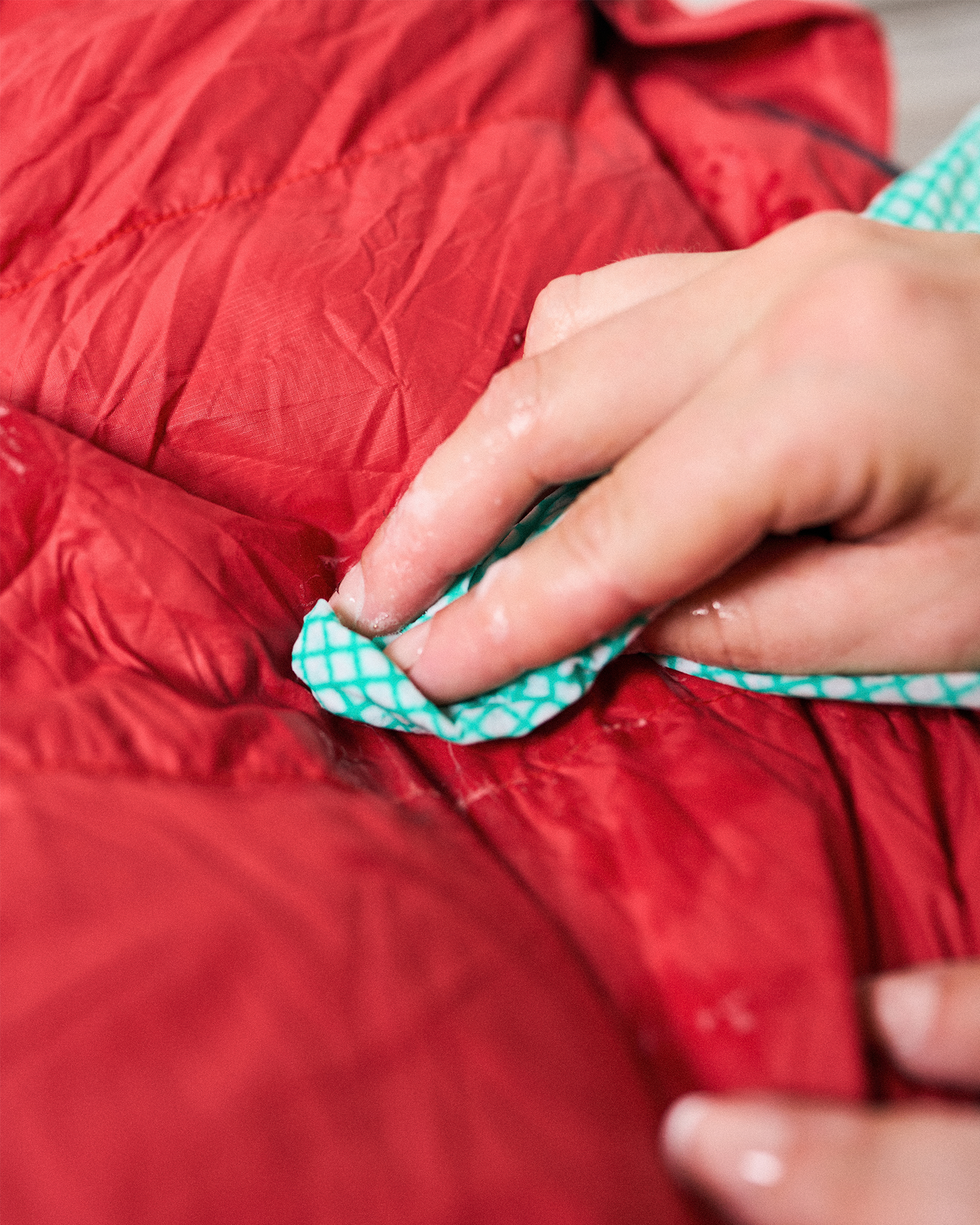
Spot cleaning removes small stains and dirt. It uses less water and avoids full washing.
Use a gentle soap and a soft cloth or sponge. Dab the dirty area carefully without rubbing hard.
- Mix mild soap with warm water
- Use a soft brush or cloth to apply
- Gently blot the stain without scrubbing
- Rinse with a clean damp cloth
- Let the bag air dry completely
Hand Washing Tips
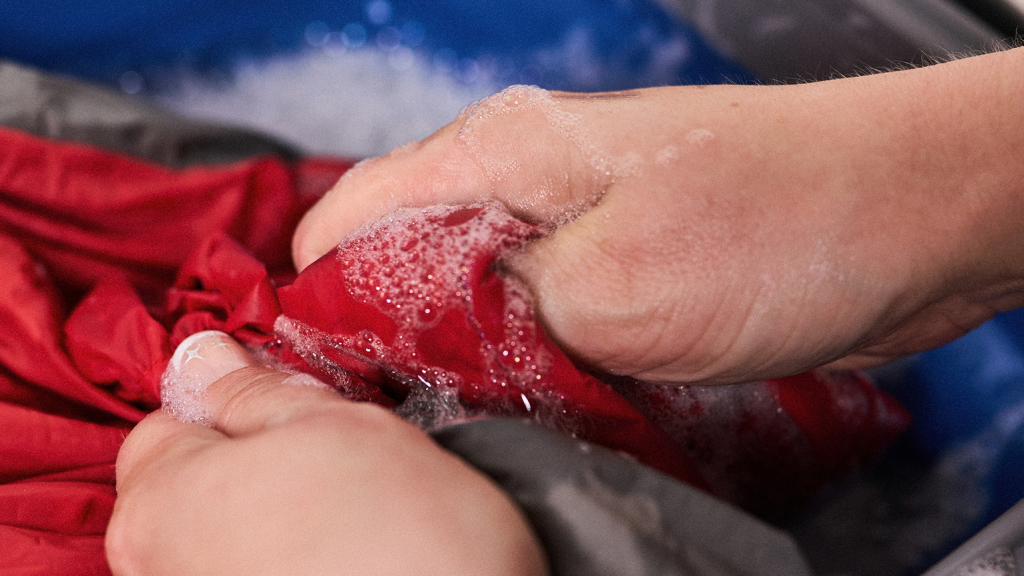
Hand washing is gentle and good for delicate sleeping bags. It removes dirt without harming filling or fabric.
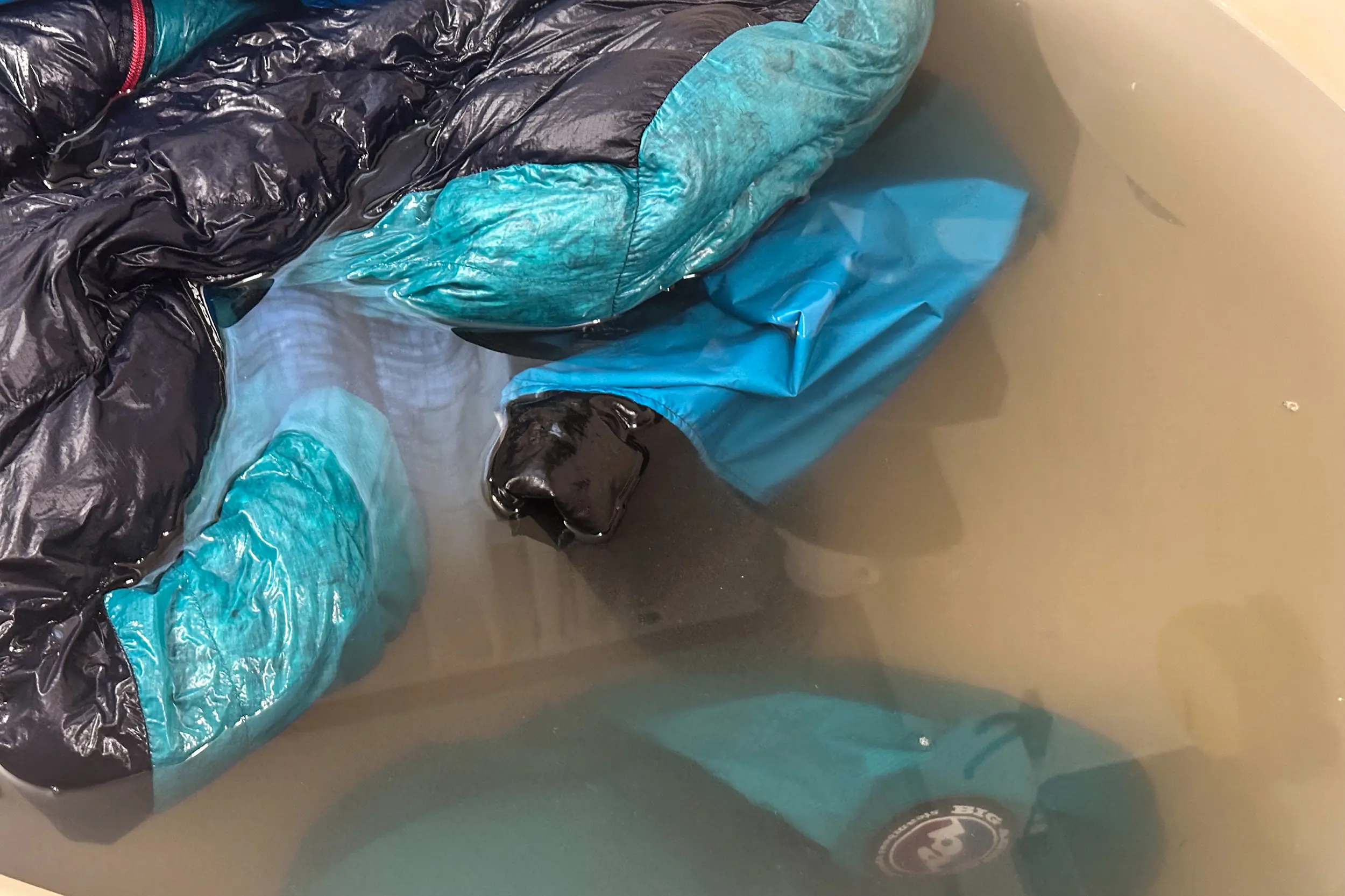
Fill a bathtub or large basin with lukewarm water. Add a small amount of gentle soap made for outdoor gear.
- Submerge the sleeping bag fully
- Gently squeeze the fabric, avoid wringing
- Let it soak for 15-30 minutes
- Drain soapy water and rinse with clean water
- Repeat rinsing until no soap remains
- Press out water carefully, no twisting
- Dry flat or hang in shade to air dry
Machine Washing Guidelines
Machine washing works for many synthetic sleeping bags. Use a front-loading washer if possible to protect the bag.
Choose a gentle cycle with cold or lukewarm water. Use a mild detergent made for technical fabrics.
- Close all zippers and fasten Velcro
- Wash alone or with similar items
- Use gentle or delicate cycle
- Use low spin speed to avoid damage
- Do not use bleach or fabric softeners
- Dry thoroughly, preferably in a large dryer on low heat
Preparing Your Sleeping Bag
Cleaning your sleeping bag starts with good preparation. This helps keep the bag safe and clean.
Taking time to prepare makes the cleaning process easier and more effective.
Emptying Pockets And Shaking Out Debris
Check all pockets and remove items like keys, phones, or trash. These can damage the bag or washing machine.
After emptying pockets, shake the sleeping bag outside to remove dirt, leaves, or sand.
- Turn the bag inside out for better shaking
- Use a soft brush if dirt is stuck
- Clean zippers and seams gently
Checking Care Labels
Look for the care label on your sleeping bag. It tells you how to wash and dry it safely.
Follow instructions about water temperature, detergent type, and drying method to avoid damage.
- Use mild detergent if recommended
- Wash by hand or machine as stated
- Avoid bleach and fabric softeners unless allowed
- Dry flat or tumble dry on low heat
Repairing Small Tears
Fix small tears before washing to stop them from getting worse. Use a patch or sewing kit.
Clean the area around the tear and let it dry before repairing. This helps the patch stick well.
- Use fabric glue or repair tape for quick fixes
- Sew small tears with needle and thread
- Check for broken zippers or loose seams
- Repair these to avoid damage during cleaning
Selecting Safe Detergents
Cleaning your sleeping bag well keeps it fresh and lasts longer. Choosing the right detergent is very important. Safe detergents clean without harming the bag’s material.
Some detergents have strong chemicals that can damage the insulation or fabric. Use gentle products designed for outdoor gear or delicate fabrics.
Avoiding Harsh Chemicals
Harsh chemicals can break down the fibers in your sleeping bag. Avoid detergents with bleach, fabric softeners, or strong enzymes. These can reduce warmth and water resistance.
- Do not use bleach or chlorine
- Avoid fabric softeners and conditioners
- Stay away from detergents with strong fragrances
- Choose pH-neutral or mild formulas
Best Detergents For Down Bags
Down sleeping bags need special care. Use detergents made for down products. These keep feathers fluffy and clean without stripping natural oils.
| Detergent Type | Benefit |
| Down-specific detergent | Preserves loft and softness |
| Mild, no-bleach detergent | Gentle on feathers |
| Free of fabric softeners | Maintains water resistance |
Best Detergents For Synthetic Bags
Synthetic sleeping bags use man-made insulation. Use mild detergents that clean well and keep fibers intact. Avoid heavy-duty cleaners that can cause clumping.
- Use gentle detergent for synthetics
- Look for products labeled for outdoor gear
- Do not use bleach or harsh chemicals
- Rinse thoroughly to remove all soap
Credit: www.ellis-brigham.com
Washing Steps For Different Materials
Cleaning sleeping bags depends on the type of material inside. Down and synthetic fills need different care. Proper washing keeps the bag warm and comfy.
Follow the right steps to avoid damage. This guide helps you clean your sleeping bag the safe way.
Cleaning Down Sleeping Bags
Down sleeping bags have natural feathers that trap heat. Wash them carefully to keep the fluff and warmth.
- Use a front-loading washing machine or wash by hand in a bathtub.
- Choose a gentle detergent made for down or use mild soap.
- Wash with cold water on a delicate cycle.
- Rinse well to remove all soap.
- Dry slowly on low heat with clean tennis balls to keep fluffiness.
- Make sure the bag is fully dry to stop mold or smell.
Cleaning Synthetic Sleeping Bags
Synthetic sleeping bags use man-made fibers. They handle washing better but still need care.
| Washing Step | Details |
|---|---|
| Detergent | Use mild, non-detergent soap without bleach |
| Water Temperature | Wash in warm or cold water |
| Machine Type | Front-loading machine or hand wash recommended |
| Drying | Tumble dry low or air dry completely |
| Extra Care | Avoid fabric softeners and ironing |
Drying Techniques
Drying your sleeping bag correctly keeps it fresh and extends its life. Proper drying stops bad smells and damage.
Different drying methods suit different sleeping bags. Use the right way to keep the filling soft and safe.
Air Drying Tips
Air drying is gentle and good for most sleeping bags. It takes time but helps keep the insulation fluffy.
Hang your sleeping bag in a dry place with good airflow. Avoid direct sunlight to stop fabric damage.
- Choose a shaded, breezy spot
- Lay flat or hang loosely
- Turn the bag often to dry evenly
- Make sure it is completely dry before storing
Using A Dryer Safely
You can use a dryer if the sleeping bag label allows it. Use low heat to avoid melting or shrinking.
Put clean tennis balls or dryer balls inside. They help keep the filling from clumping while drying.
- Set dryer on low or no heat
- Add dryer balls to separate filling
- Check the bag often to avoid overheating
- Remove the bag when almost dry and air dry the rest
Preventing Clumping And Mold
Clumping happens when the filling stays wet too long. Mold grows if the bag is stored damp.
Dry your sleeping bag well before putting it away. Store it loose in a breathable bag, not tight in a stuff sack.
- Dry completely to avoid moisture
- Shake and fluff the bag after drying
- Store in a large cotton or mesh sack
- Keep in a dry, cool place
Storage Tips For Freshness
Keeping your sleeping bag fresh is important for comfort and longevity. Proper storage helps keep it clean and fluffy.
Bad storage can cause damage and reduce warmth. Follow these tips to store your sleeping bag correctly.
Proper Bag Storage Methods
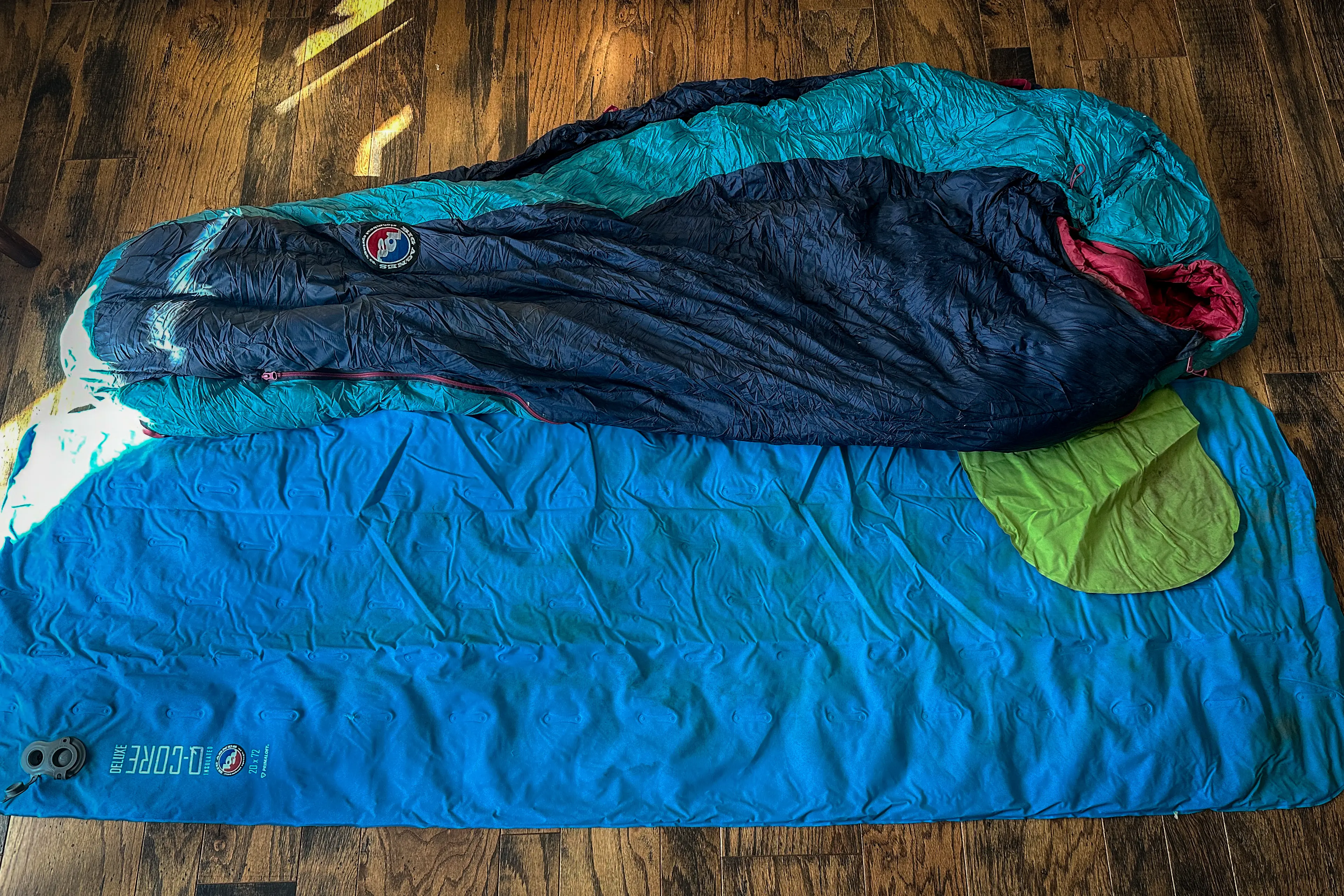
Store your sleeping bag in a cool, dry place away from sunlight. Heat and moisture can harm the materials.
Hang the bag or lay it flat to keep its shape. Avoid places with strong odors or dust.
- Use a large closet or shelf for storage
- Keep it away from heaters and damp areas
- Air the bag out occasionally to prevent smells
Avoiding Compression Damage
Do not store your sleeping bag compressed for long times. Compression can crush the insulation and reduce warmth.
Keep the bag loose to let the filling stay fluffy. This helps keep it warm and comfortable on your next trip.
- Remove the bag from its tight stuff sack after use
- Do not fold or squeeze the bag too much
- Give it space to expand and breathe
Using Storage Sacks
Use a large, breathable storage sack for your sleeping bag. Avoid plastic bags that trap moisture.
Storage sacks protect the bag from dirt and pests while allowing air flow. This keeps the bag fresh and dry.
- Choose a cotton or mesh storage sack
- Make sure the sack is big enough for the bag to stay loose
- Store the bag inside the sack between trips
Maintaining Your Sleeping Bag
Keeping your sleeping bag clean helps it last longer and stay comfortable. Dirt, sweat, and oils can damage the fabric and insulation over time.
Regular care makes your sleeping bag fresh and ready for every trip. Cleaning it the right way protects its warmth and shape.
Regular Cleaning Frequency
Clean your sleeping bag after every three to five uses. This keeps dirt and sweat from building up inside the fabric.
If you use it in dusty or wet places, wash it more often. Spot clean small stains to avoid frequent full washes.
- Wash after 3-5 trips in normal conditions
- Wash more often in dirty or wet environments
- Spot clean small stains quickly
- Avoid washing too often to protect insulation
Dealing With Odors
Odors build up from sweat and moisture inside the sleeping bag. Air it out after each use to reduce smell.
Use a fabric-safe spray to freshen your bag if needed. Make sure it dries completely before packing it away.
- Air out the sleeping bag after every use
- Use mild fabric sprays for freshening
- Keep the bag dry to prevent mold and smells
- Store in a breathable sack, not a tight bag
Repair And Longevity Tips
Fix small tears or holes as soon as you find them. Use patches or repair tape made for sleeping bags.
Store your sleeping bag loosely in a large sack or hang it. Avoid compressing it for long periods to keep insulation fluffy.
- Repair small damages quickly with patches or tape
- Store loosely in a large sack or hang it
- Keep away from sharp objects to avoid tears
- Wash gently to protect insulation and fabric
Credit: gearjunkie.com
Frequently Asked Questions
How Often Should You Clean A Sleeping Bag?
Clean your sleeping bag after every 3-4 uses or if it’s visibly dirty. Regular cleaning maintains insulation and hygiene.
Can You Machine Wash A Sleeping Bag Safely?
Yes, use a front-loading washer on a gentle cycle with cold water. Always use mild detergent designed for delicate fabrics.
What Is The Best Way To Dry A Sleeping Bag?
Air-dry your sleeping bag by laying it flat in a shaded, ventilated area. Avoid direct sunlight and high heat sources.
Should You Use Special Detergent For Sleeping Bags?
Yes, use a cleaner made for down or synthetic insulation. Regular detergents can damage insulation and reduce warmth.
Conclusion
Cleaning your sleeping bag keeps it fresh and long-lasting. Start by checking care labels for specific instructions. Spot clean stains with mild soap and water. Use a front-loading washer for a deep clean. Choose gentle detergent and cold water. Dry your sleeping bag completely before storing.
Air drying is best to avoid damage. Regular cleaning prevents odors and maintains comfort. Enjoy your next camping trip with a clean, cozy sleeping bag. Keep it fresh, sleep well.