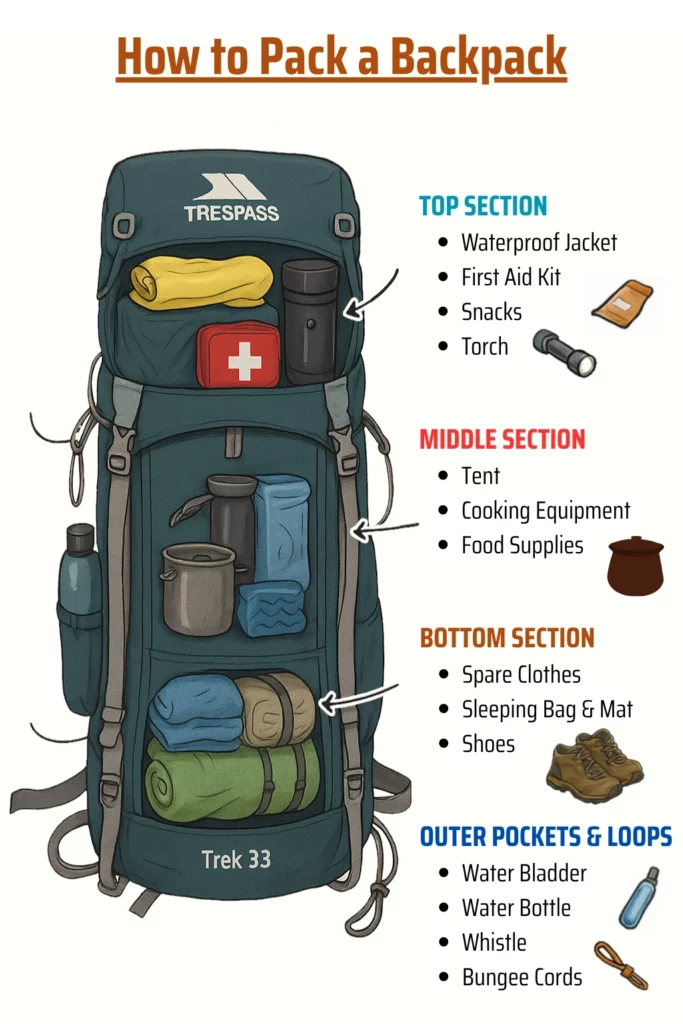
Packing your hiking bag the right way can make or break your adventure. Imagine reaching your favorite trail and realizing you forgot something important—or worse, your bag feels heavy and uncomfortable.
You want to enjoy the hike, not struggle with your gear. This guide will show you exactly how to pack smart, stay organized, and carry only what you truly need. Keep reading, and you’ll discover simple tips that make your hiking trips easier and more enjoyable from start to finish.
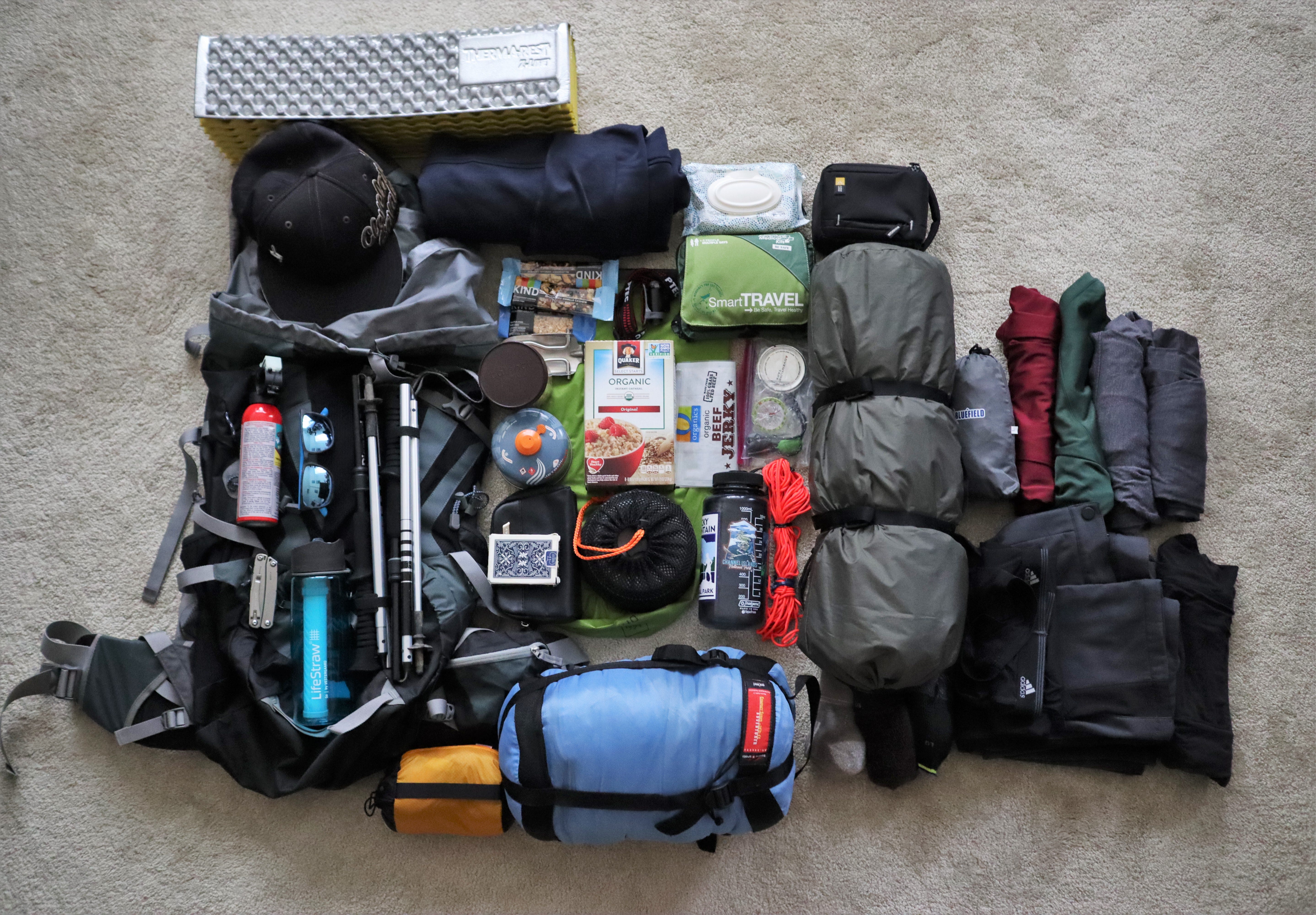
Credit: pangolinswithpacks.com
Choosing The Right Backpack
Packing the right backpack makes hiking easier and safer. Your backpack holds all your gear and food.
Picking a good bag depends on the kind of hike and your personal needs.
Types Of Hiking Bags
Hiking bags come in many styles. Each type suits different trips and gear amounts.
- Daypacks: Small bags for short hikes. They carry light gear and snacks.
- Weekend Packs: Medium size for 1-3 day trips. They fit extra clothes and food.
- Multi-day Packs: Large bags for long hikes. They hold a tent, sleeping bag, and more.
- Hydration Packs: Designed to hold water reservoirs and small essentials.
Size And Capacity
Choose a backpack size that fits your trip length and gear. Too big or too small can cause problems.
| Backpack Size | Suitable For | Capacity (Liters) |
| Small | Day Hikes | 15-30 |
| Medium | Weekend Trips | 30-50 |
| Large | Multi-day Trips | 50-80+ |
Comfort And Fit
Comfort is key for long hikes. The backpack should fit your body and spread weight well.
- Look for padded shoulder straps and hip belts.
- Adjust straps to fit snugly but not tight.
- Check for ventilation to reduce sweat.
- Try the pack with weight before buying.
Credit: www.reddit.com
Essential Gear To Pack
Packing a hiking bag needs planning. You should bring gear that keeps you safe and comfortable.
Focus on items that help you find your way, stay warm, rest well, and stay fueled.
Navigation Tools
Navigation tools help you stay on the trail. They prevent getting lost and save time.
Bring a map and compass. A GPS device or smartphone with offline maps is useful too.
- Topographic map of the area
- Compass for direction
- GPS device or smartphone with offline maps
- Whistle for signaling
Clothing And Footwear
Wear clothes that suit the weather and terrain. Dress in layers to adjust to temperature.
Bring waterproof gear and sturdy shoes for safety and comfort on the trail.
- Moisture-wicking base layers
- Insulating mid-layer (fleece or down)
- Waterproof jacket and pants
- Hiking boots or shoes with good grip
- Extra socks
Shelter And Sleeping Gear
Bring shelter to protect against weather and bugs. A good sleeping bag helps you rest.
Choose lightweight and compact gear to keep your pack light and easy to carry.
- Lightweight tent or tarp
- Sleeping bag suitable for temperature
- Sleeping pad for comfort and insulation
- Groundsheet to protect your tent floor
Food And Hydration
Bring enough food to keep your energy up. Choose easy-to-carry, non-perishable items.
Carry enough water and a way to treat water from natural sources.
- High-energy snacks like nuts and energy bars
- Lightweight meals such as dehydrated food
- Water bottles or hydration reservoir
- Water filter or purification tablets
Organizing Your Bag Efficiently
Packing your hiking bag well saves time and energy on the trail. Good organization helps you find items quickly. It also keeps your bag balanced and comfortable.
This guide covers three key ways to organize your bag: weight distribution, packing cubes and bags, and accessibility tips.
Weight Distribution
Distribute weight evenly to avoid strain on your back and shoulders. Place heavy items close to your spine and near the middle of your back. Lighter items should go toward the outside and top of your bag.
| Item Type | Placement in Bag |
| Heavy (water, stove, food) | Close to spine, middle height |
| Medium (clothes, sleeping bag) | Bottom and outer parts |
| Light (snacks, maps, first aid) | Top and side pockets |
Packing Cubes And Bags
Packing cubes or small bags keep your items grouped and tidy. They save space and stop things from moving around. Use different cubes for clothes, food, and gear.
- Choose cubes of different sizes for easy sorting
- Use waterproof bags for wet or dirty items
- Label cubes to find items faster
- Compress clothes to save space
Accessibility Tips
Keep important items where you can reach them fast. Use side pockets or the top of your bag for things you need often. Organize by how frequently you use each item.
- Place water bottles and snacks in side pockets
- Keep your map and compass in an easy-to-reach pocket
- Store rain gear near the top for quick access
- Put first aid kit in a front pocket
Safety And Emergency Items
Packing safety and emergency items is important for every hiking trip. These items help you stay safe and prepared for surprises.
Keep your hiking bag light but include key tools that can help in an emergency. Proper packing can protect you in tough situations.
First Aid Kit
A first aid kit treats minor injuries and prevents infections. Carry one to handle cuts, burns, or insect bites on the trail.
Your kit should have basics like bandages, antiseptic wipes, and pain relievers. Add any personal medicines you need.
- Adhesive bandages in various sizes
- Antiseptic wipes and ointment
- Gauze pads and medical tape
- Pain relievers like ibuprofen
- Allergy medication if needed
- Tweezers and small scissors
Emergency Shelter
Emergency shelter protects you from harsh weather. It keeps you warm and dry if you get stuck outdoors overnight.
Lightweight options fit easily in your bag. Choose items that set up quickly in any place.
- Compact emergency blanket or bivvy sack
- Light tarp or poncho for rain protection
- Small tent or hammock if space allows
Communication Devices
Communication devices help you call for help if needed. They keep you connected when you are far from help.
Carry a fully charged phone and extra battery. Consider a whistle or a personal locator beacon for remote areas.
- Mobile phone with power bank
- Whistle for signaling
- Personal locator beacon or satellite messenger
Weather Considerations
Packing a hiking bag needs careful thought about weather. Weather affects what gear you bring.
Preparing for rain, cold, or sun keeps you safe and comfortable on the trail.
Rain Protection
Rain can make hiking tough and wet. Bring gear that keeps you dry and warm.
- Waterproof jacket with a hood
- Water-resistant pants
- Rain cover for your backpack
- Quick-dry clothes to change into
- Waterproof bags for electronics
Cold Weather Gear
Cold weather needs layers to keep your body heat. Choose warm and breathable clothes.
| Gear | Purpose |
| Base layer | Keeps skin dry |
| Insulating layer | Traps warmth |
| Outer shell | Blocks wind and rain |
| Warm hat | Prevents heat loss from head |
| Gloves | Keeps hands warm |
Sun Protection
Sun can cause burns and dehydration. Pack items that protect your skin and eyes.
- Sunscreen with high SPF
- Wide-brimmed hat
- Sunglasses with UV protection
- Lightweight, long-sleeve shirts
- Plenty of water to stay hydrated
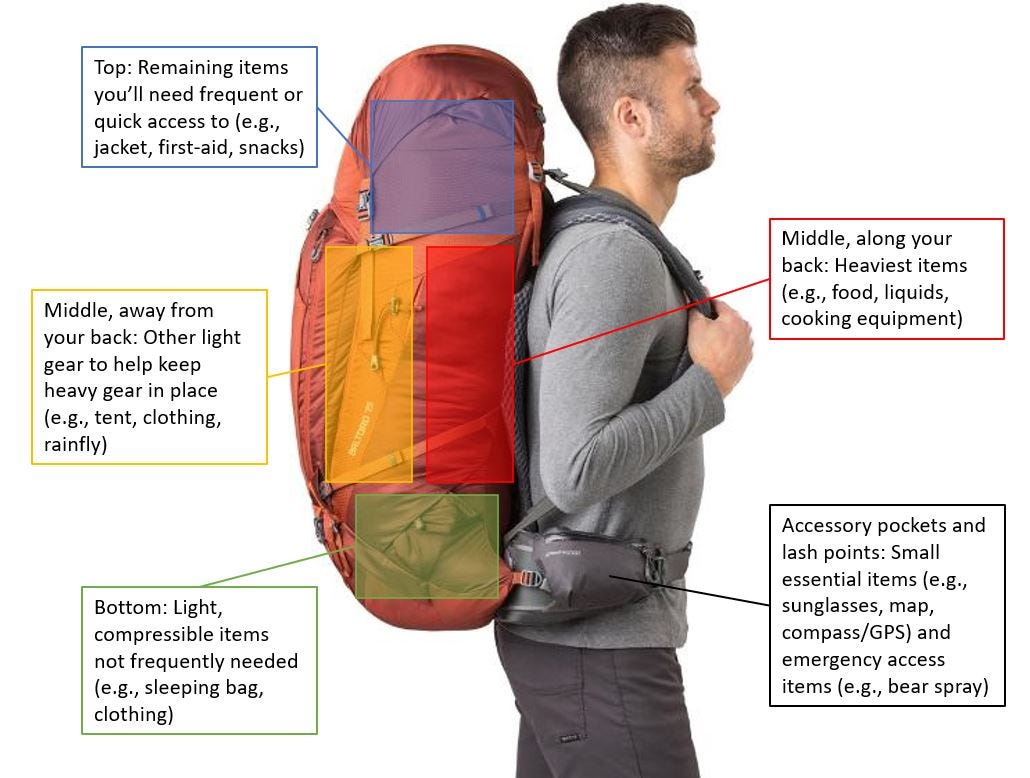
Credit: pangolinswithpacks.com
Final Packing Tips
Packing your hiking bag well is key for a safe trip. It helps you stay comfortable and ready for any situation.
These last tips will help you finish packing smartly and enjoy your hike.
Double-check Essentials
Look over your list one more time. Make sure you have all the must-have items.
- Water and snacks
- First aid kit
- Map and compass or GPS
- Weather-appropriate clothing
- Flashlight or headlamp
- Multi-tool or knife
- Sun protection like sunscreen and sunglasses
Missing these can cause trouble on the trail. Check pockets and compartments too.
Test Your Pack
Wear your packed bag for a short time at home. Walk around to feel the weight and balance.
- Adjust straps to fit comfortably
- Shift items if the bag feels uneven
- Make sure nothing pokes or hurts
- Check if the bag is too heavy or light
Fix any problems before you start your hike. This saves time and discomfort on the trail.
Leave No Trace Principles
Respect nature by following Leave No Trace rules. They keep the environment clean and safe.
- Pack out all trash and leftover food
- Stay on marked trails to protect plants
- Do not disturb wildlife or their homes
- Use a stove instead of making a fire
- Leave natural items like rocks or flowers
These rules help keep the outdoors beautiful for everyone to enjoy.
Frequently Asked Questions
What Are The Essential Items To Pack In A Hiking Bag?
Essential items include water, snacks, a first-aid kit, navigation tools, extra clothing, and a flashlight. These basics ensure safety, hydration, and preparedness for unexpected situations during your hike.
How Should I Distribute Weight In A Hiking Backpack?
Place heavy items close to your back and centered. Lighter items go towards the outside and top. This balance improves comfort and stability while hiking.
What Is The Best Way To Pack Clothes For Hiking?
Roll clothes tightly to save space and reduce wrinkles. Pack moisture-wicking layers first, then insulating layers. Use waterproof bags to keep clothes dry and organized.
How Much Water Should I Carry In My Hiking Bag?
Carry at least 2 liters of water for a day hike. Adjust based on temperature, intensity, and individual needs. Staying hydrated prevents fatigue and heat-related issues.
Conclusion
Packing a hiking bag seems tricky, but it’s simple with practice. Choose essential items wisely. Keep your load light for comfort. Remember, balance is key. Distribute weight evenly for easier trekking. Use compartments for organization. Stay prepared for weather changes.
Hydration is crucial; pack enough water. Snacks provide energy on the trail. Safety gear ensures a secure hike. Always double-check your list before leaving. Enjoy nature and your adventure. Happy hiking!